
Your brain might outlast your body, but not your voice yet.
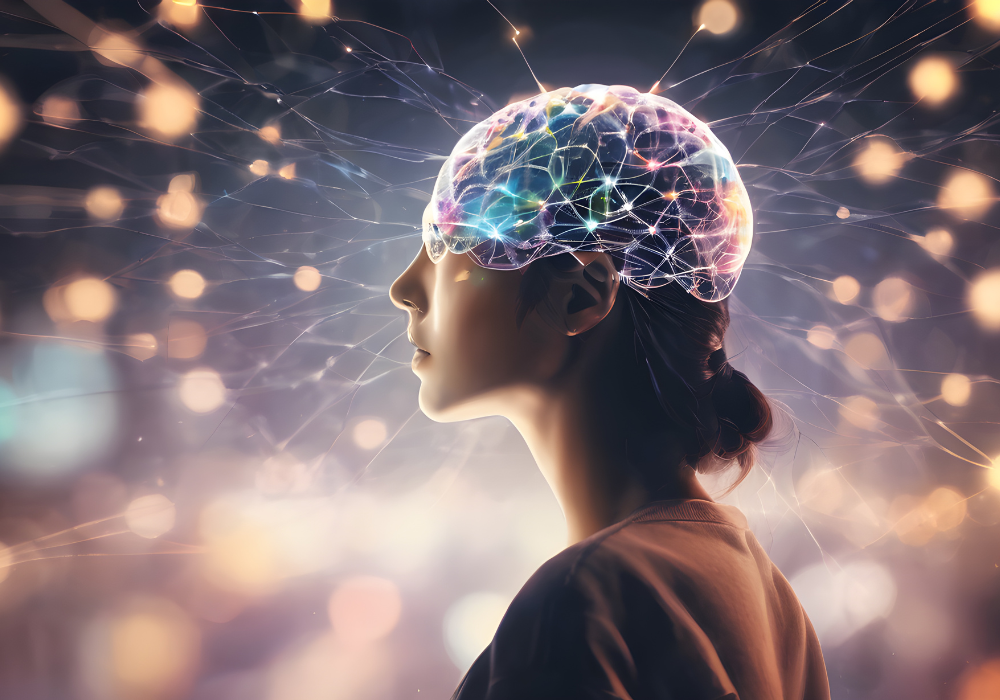
Neuroscience is poking at a wild possibility: preserving the physical structure of a brain so well that long-term memories could, in theory, be decoded later. That idea sits under the umbrella of whole brain emulation, and it’s still mostly a thought experiment with lab proof-of-concept edges.
Right now, nobody can preserve you in a way that lets your family reliably “talk to you” or access your real memories after you die. But you can preserve your stories, words, photos, and digital footprint in ways that actually help them.
1. The big idea is structure, not “spirit.”
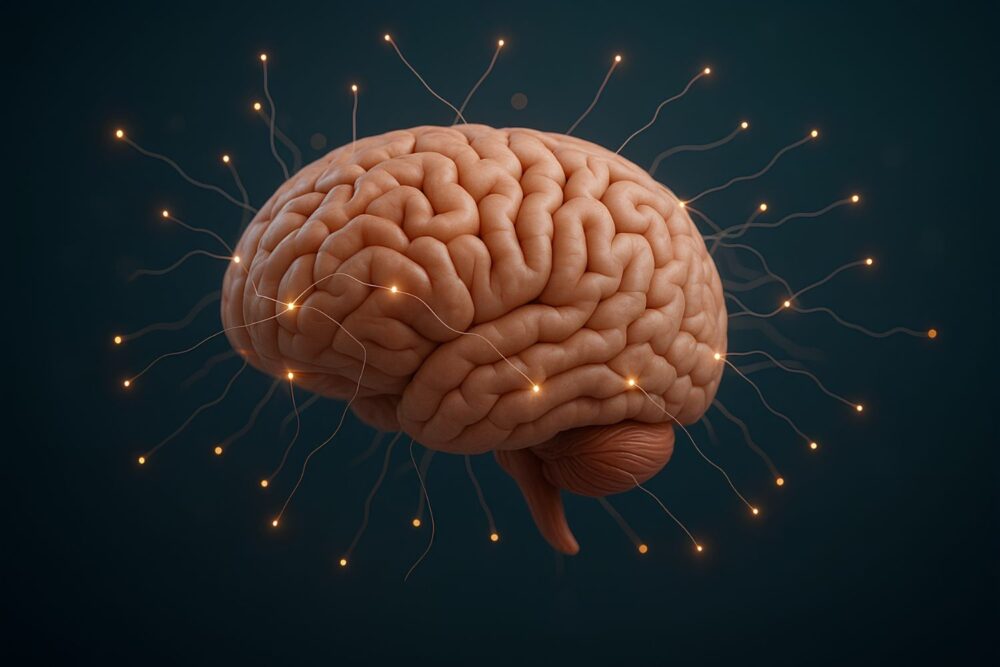
If your memories live in physical patterns, then preserving those patterns is the first step toward someday reading them. That’s why researchers talk about preserving brain structure at extremely fine resolution, down to tiny connections that carry information. The concept feels surreal, but it’s grounded in the idea that your brain is matter with a record written into it.
Still, no one can take preserved brain tissue and restore a conscious person, a personality, or even a single confirmed memory. Whole brain emulation is the dream scenario: scan, model, emulate. It’s not available, and it’s not close to a consumer option.
2. Mind uploading is still more promise than plan.
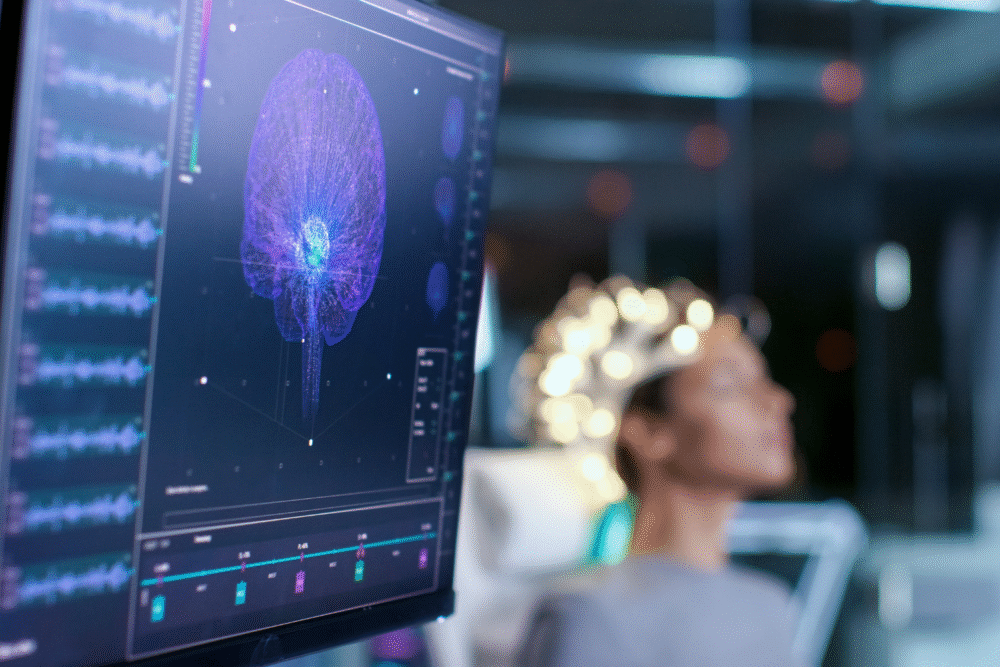
Mind uploading gets described like a tech upgrade, but there’s no “export button” for your mind. A full upload would require mapping your entire brain in detail, understanding what every circuit is doing, then rebuilding it in a digital system that behaves the same way. That is a massive stack of unsolved problems.
Some people casually throw out timelines like “a few decades,” and maybe they’ll be right. Mainstream thinking is much more cautious. It’s speculative, dependent on breakthroughs, and not something you can count on as an end-of-life strategy today. It’s an idea, not a product.
3. Preservation might work, but nobody can prove it.
Certain brain preservation techniques can keep fine structures remarkably intact in animals, and even in some human cases. That includes chemical fixation methods and cryonics-adjacent approaches that focus on preserving the wiring diagram of the brain. Some researchers argue this offers a non-negligible chance of future restoration.
The uncomfortable truth is that “intact structure” isn’t the same as “recoverable memories.” Science can’t verify that a preserved brain still contains decodable personal experiences, and it can’t test whether consciousness could return. Any service that sells certainty here is selling confidence, not proof.
4. Cryonics is a bet, not a backup plan.
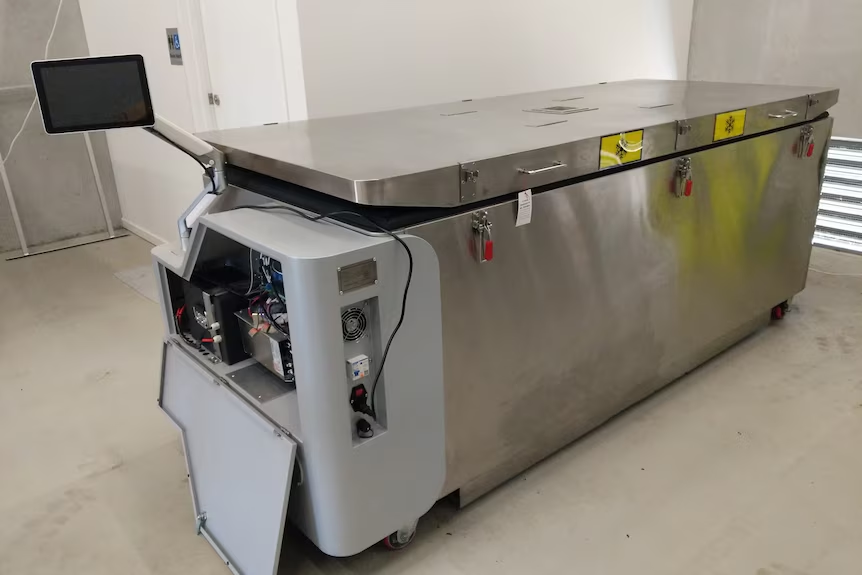
Cryonics has this seductive pitch: pause now, wake later. But the reality is closer to experimental preservation than medical rescue. Today’s cryonics cannot revive anyone, cannot restore brain function, and cannot demonstrate that preserved tissue equals preserved you. It’s a lottery ticket with a lab coat on.
That doesn’t mean it’s automatically foolish. It means it’s not clinically validated, and it shouldn’t be marketed as “saving yourself for your family.” If someone wants to do it, the healthiest mindset is: a long-shot gamble you take after you’ve handled practical life planning first.
5. Whole brain emulation is the real long game.

Whole brain emulation is the more intellectually honest version of the dream. Preserve a brain, scan it at insane resolution, reconstruct the neural network digitally, then run it like a mind. It’s not about thawing a body. It’s about reproducing the brain’s information patterns in a machine.
Even that plan hits a brick wall: we don’t know what level of detail is enough, we don’t know how to translate structure into lived experience, and nobody has done it with a human brain. So yes, it’s physically conceivable. No, you cannot buy it as an outcome.
6. The most real “afterlife” is your digital legacy.

A digital legacy is everything you’ve already created online: photos, videos, writing, social posts, emails, documents, voice notes. It’s messy, emotional, and deeply human, which is why it works. Unlike brain preservation, your family can actually access it, revisit it, and keep it alive in the ordinary way memories survive.
This is the part people skip because it’s boring compared to sci-fi. But it’s the only approach that reliably preserves you, as your loved ones knew you. Curating what you leave behind can be surprisingly comforting, and it keeps your stories from getting lost in dead accounts.
7. A family archive beats a thousand random accounts.

If you want to “save your memories,” make it easy to find them. Build a simple family archive with labeled folders: childhood, marriage, work years, travels, funny videos, voice messages, old friends, family recipes, letters. Put it in cloud storage and back it up to an external drive, because sentimentality doesn’t protect against tech failure.
Then connect it to your estate plan. Mention it in your will or trust, name who gets access, and leave clear instructions. The point isn’t perfection. It’s reducing confusion when your family is already exhausted and grieving.
8. Platform legacy settings are your quiet superhero move.

Most people don’t realize how much gets locked away after death. Accounts become inaccessible, photos get stuck behind logins, and families end up pleading with customer support like it’s a part-time job. Major platforms now offer legacy tools, but you have to set them up while you’re still here.
Pick a trusted person and give them the keys: inactive account settings, legacy contacts, memorialization options, and basic instructions. It’s weirdly grown-up, but it’s also one of the kindest “future gifts” you can give your family. It turns chaos into a checklist.
9. Record your stories like you’re making a time capsule.
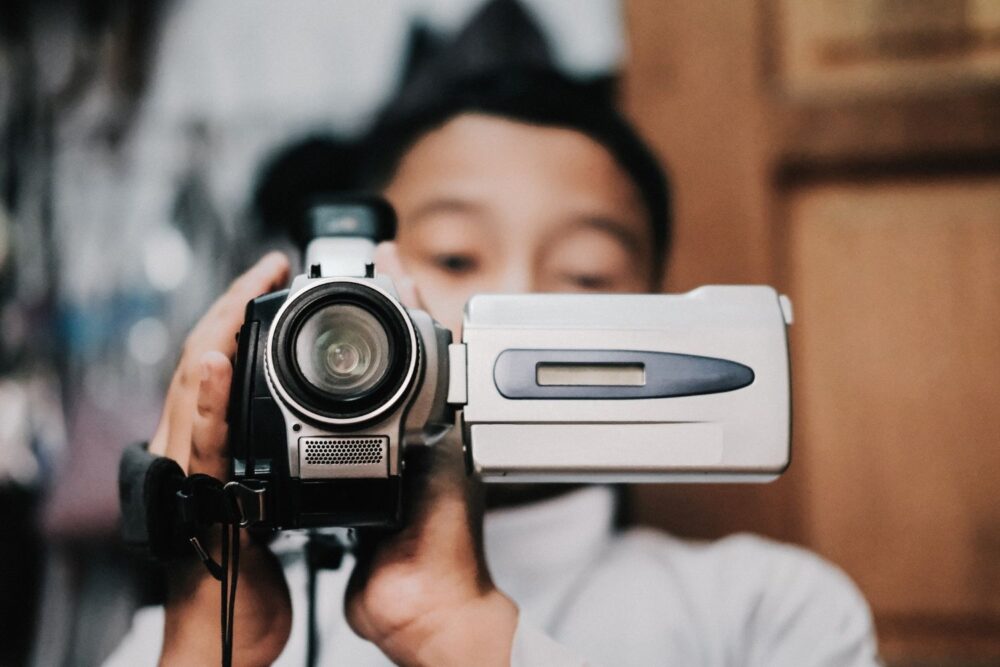
Your family doesn’t just want facts. They want your voice, your expressions, your oddly specific opinions, your laugh, your little pauses when you’re thinking. That’s why structured “story sessions” work so well. Video or audio, simple prompts, no production value needed.
Talk through life milestones, money lessons, regrets you’ve made peace with, what you were proud of, what you wish you’d said more often. Leave messages for specific people, too. A one-minute clip can carry more comfort than an entire photo album, because it feels like presence.
10. AI can mimic your style, but it can’t be “you.”
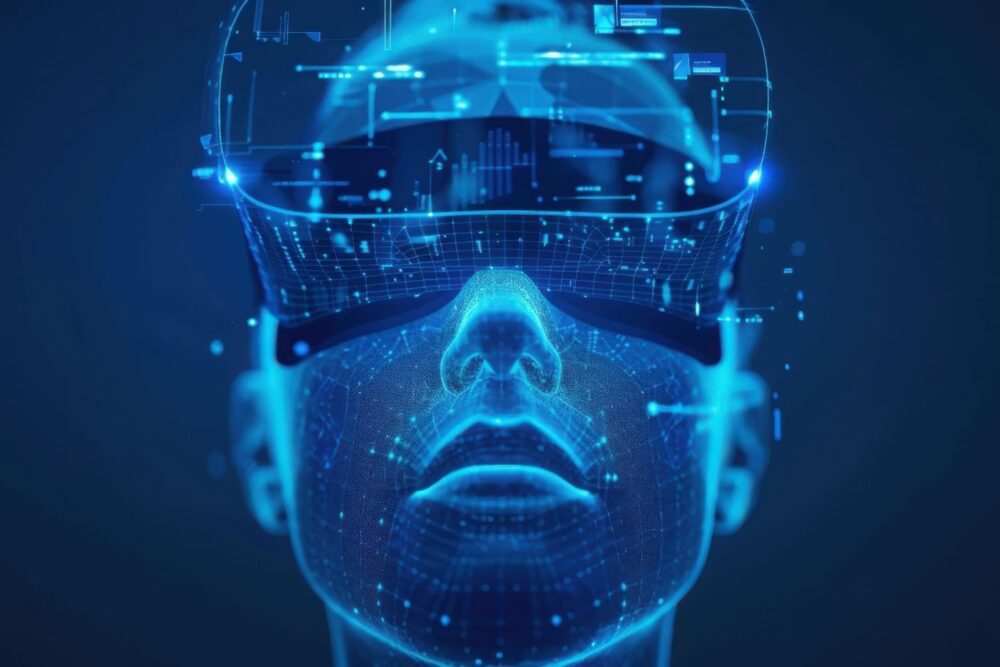
This is where things get spicy. With current AI, someone can build a chatbot trained on your writing and transcripts, and it can talk in something close to your voice. It can recall your stories, quote your favorite sayings, and respond like an interactive memoir your family can query anytime they miss you.
But it’s still a model, not your actual mind. It doesn’t contain your private inner experience, and it won’t resurrect your real consciousness. Used honestly, it’s powerful. Used deceptively, it can mess with grief in a way that feels unsettling. The ethical move is clarity: “This is a reflection of me, not me.”