
New research reveals just how far prehistoric humans went to survive—and why it worked.

Forget the tired stereotypes of Neanderthals as clueless brutes gnawing on raw meat. A surprising new study is rewriting their dinner menu—and it includes maggots. Researchers examining ancient food residues in caves across Europe have found compelling evidence that Neanderthals not only tolerated these squirmy larvae but intentionally consumed them.
The findings suggest that our prehistoric cousins may have valued maggots as a high-protein food source, especially during lean times. It’s not as bizarre as it sounds—many modern cultures still eat insects today.
But what’s fascinating is how this challenges long-standing assumptions about Neanderthal intelligence, food knowledge, and survival strategies. From innovative cooking methods to foraging techniques, it turns out Neanderthals may have had more culinary savvy than we ever imagined.
1. Neanderthals deliberately collected maggots from decaying meat
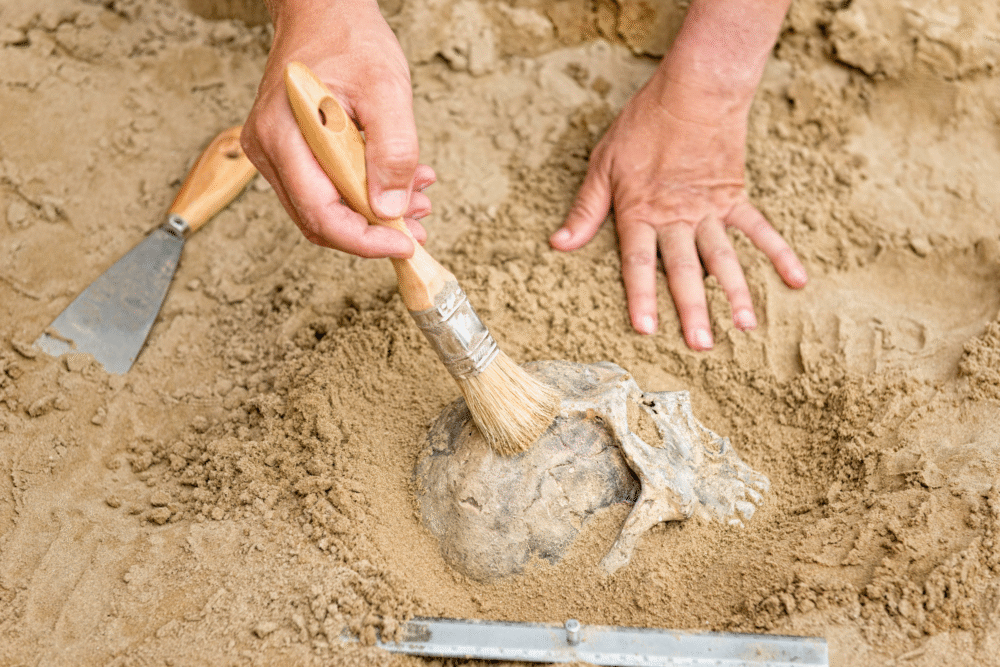
Researchers found traces of insect protein in fossilized Neanderthal dental plaque—specifically proteins associated with fly larvae. This suggests they weren’t just accidentally ingesting maggots—they were deliberately eating them. Experts theorize that Neanderthals may have scavenged animal remains and collected larvae that were already thriving in the decaying tissue. In harsh Ice Age environments, these nutrient-dense bugs may have been a smart survival strategy.
While it might sound revolting today, early humans understood how to make use of every available food source. Eating maggots wasn’t a desperate act—it was a calculated choice. When meat was scarce or dangerous to hunt, these wriggly snacks could mean the difference between surviving and starving.
2. Maggots were a high-protein, low-effort food source

Maggots might seem unappetizing, but they pack serious nutritional value. They’re high in protein, fat, and essential amino acids—perfect for maintaining energy in cold, resource-scarce environments. For Neanderthals, who needed massive caloric intake to fuel their large bodies and physical exertion, maggots were a smart solution. Unlike big-game hunting, collecting maggots required little risk and effort. Just find a carcass and scoop them up.
This efficiency mattered in Ice Age Europe, where survival often depended on resourcefulness. Rather than waste time chasing uncertain prey, Neanderthals could supplement their diets with nutrient-rich larvae. It’s a practical lesson in adapting to your environment—and making the most of what’s available.
3. Evidence suggests Neanderthals may have cooked or fermented the larvae
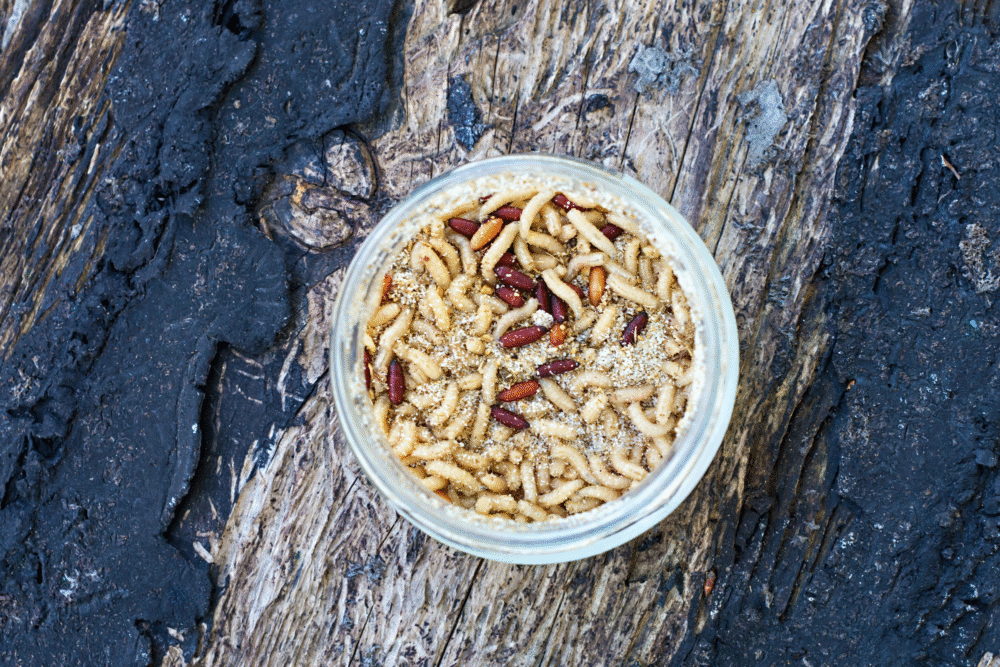
Eating maggots raw isn’t the only possibility. Some archaeologists propose that Neanderthals might have roasted or lightly cooked the larvae over fire. Cooking could neutralize pathogens and improve taste, making them more palatable. Others speculate they may have used fermentation, leaving animal remains in specific conditions to cultivate larvae intentionally. This would demonstrate not only culinary inventiveness but also a rudimentary understanding of biology.
Neanderthals may have even stored maggot-rich carcasses to harvest them over time. These ideas challenge the outdated notion that Neanderthals lacked foresight or planning skills. On the contrary, their dietary choices could reflect early experimentation with food science long before modern humans refined it.
4. Maggot consumption may have helped reduce foodborne illness
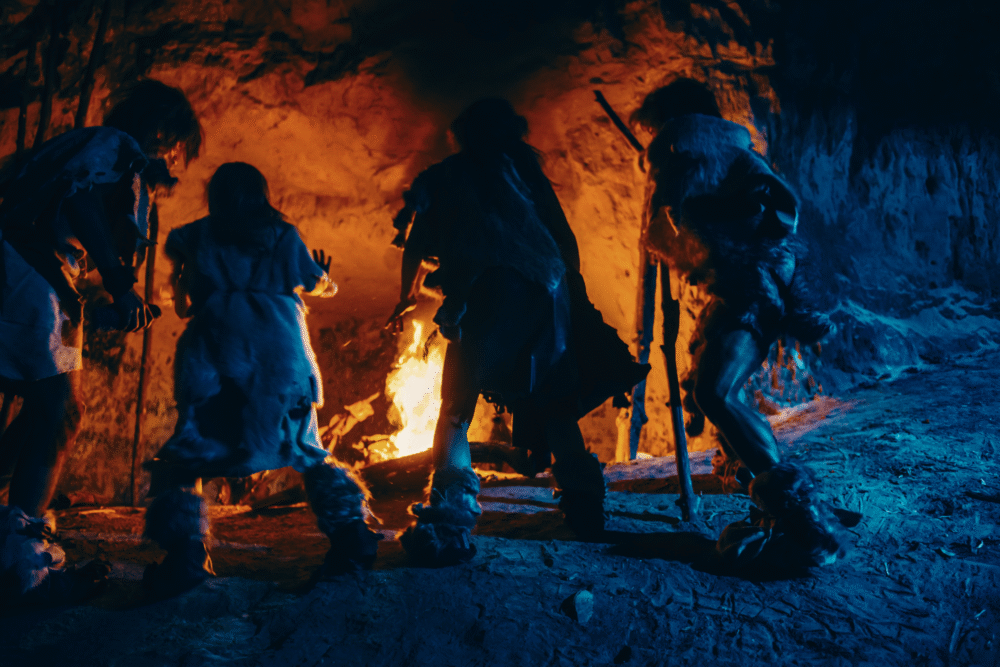
Oddly enough, eating maggots might have made Neanderthals safer, not sicker. Some species of maggots actually secrete enzymes that break down dead tissue and prevent bacterial growth. In modern medicine, these same larvae are used in maggot therapy to clean infected wounds. It’s possible that Neanderthals instinctively recognized which maggots were safe to eat and may have benefited from their antimicrobial properties.
Consuming them could have helped them avoid the more dangerous bacteria lurking in spoiled meat. In this way, their food habits were not just practical—they were biologically savvy. It’s another clue that their relationship with nature was complex, informed by experience and observation.
5. Modern hunter-gatherers eat insects—Neanderthals probably did, too

More than 2 billion people worldwide still consume insects as part of their regular diets. From fried grasshoppers in Mexico to mopane worms in southern Africa, bugs are a common and respected source of nutrition. Many hunter-gatherer societies past and present have relied on insects, especially larvae, as fallback food during lean seasons.
Given this widespread behavior, it’s reasonable to believe Neanderthals did the same. They lived closely with their environments, constantly observing animal behavior and adapting to new sources of sustenance. If modern foraging cultures embraced edible insects, it’s no stretch to assume Neanderthals did too—maggots included. In fact, they may have been pioneers of this practice in Europe.
6. Eating maggots may have been a seasonal survival strategy

In colder months, big game became scarce, plants died off, and food options dwindled. During these times, maggots may have played a critical role in helping Neanderthals survive. Decaying carcasses left behind by other predators could provide a reliable—and replenishable—source of larvae. By timing their scavenging around decomposition cycles, Neanderthals may have built a seasonal rhythm into their diets.
This cyclical awareness reflects a deeper connection to ecological patterns and survival instincts. Just as modern cultures preserve and ferment food for winter, Neanderthals may have relied on nature’s own recycling systems to stay fed. Maggots weren’t just gross—they were a key part of seasonal planning.
7. Maggot consumption challenges stereotypes of Neanderthals as primitive

For decades, Neanderthals were portrayed as primitive and unintelligent. But recent findings—from art to burial practices—have steadily dismantled that myth. The discovery that they may have intentionally eaten maggots adds another layer to the story. It suggests strategic thinking, experimentation, and risk management.
Choosing to eat nutrient-rich bugs instead of risking injury during a hunt is not a sign of ignorance—it’s a sign of intelligence. These findings challenge us to reconsider how we define sophistication. Being human isn’t just about tools or language—it’s also about making smart, sometimes surprising decisions about how to survive. Maggot cuisine may not be trendy, but it was likely wise.
8. The taste and texture may not have been as bad as we think
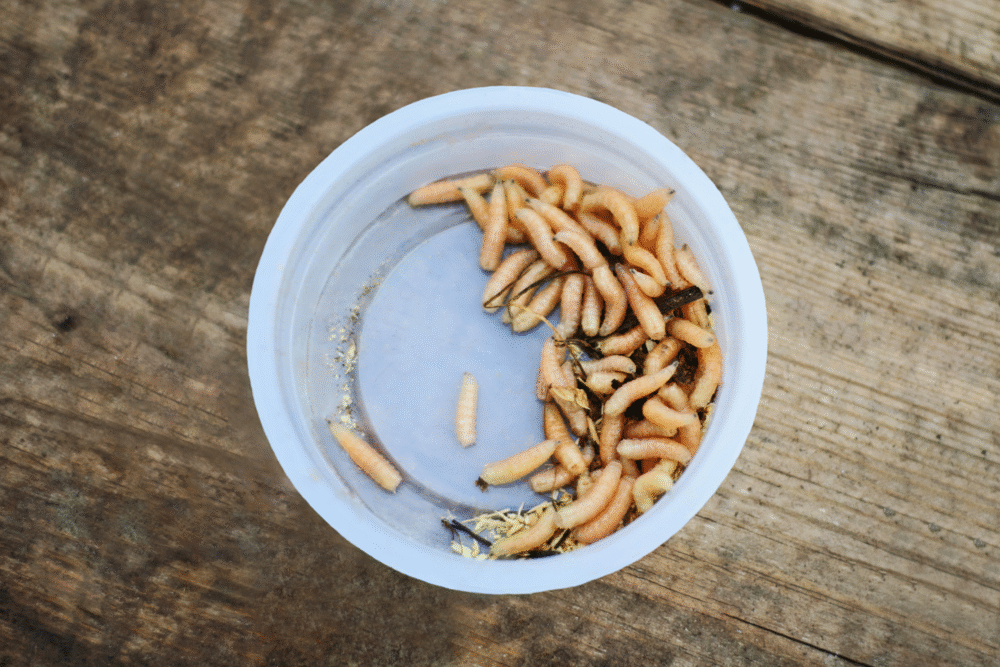
Our modern disgust toward maggots is more cultural than biological. Taste preferences are shaped by exposure, tradition, and perception. Neanderthals didn’t have the luxury of supermarkets or pre-packaged meals. They ate what was available—and often learned to enjoy it.
Some researchers believe maggots, when cooked or fermented, would have had a nutty or creamy texture. If paired with marrow or roasted meat, they may have even added a complementary flavor. For Neanderthals, who had limited food variety, this could have been a welcome addition. So while modern diners might gag at the thought, Neanderthals may have genuinely enjoyed their maggot meals—and craved them like prehistoric delicacies.
9. Studying ancient diets helps us understand future food security

Understanding how Neanderthals incorporated insects into their diets could inform how we address food insecurity today. With a growing global population and dwindling resources, scientists are increasingly exploring insects as sustainable protein sources. Maggots, crickets, and mealworms are already being farmed for human consumption and animal feed. Looking to our ancient relatives could help reduce stigma and promote innovation.
If Neanderthals—who survived Ice Ages and megafauna extinctions—thrived on maggots, perhaps we should take notes. Their example might guide us in rethinking food systems, especially as we face climate change and resource scarcity. Prehistoric eating habits could offer surprisingly modern solutions.
10. Neanderthals’ digestive systems adapted to unusual foods

Consuming maggots and other unusual proteins would require a digestive system capable of handling bacteria, parasites, and tough-to-digest materials. Neanderthals likely had robust gut microbiomes and digestive enzymes well-suited to their environment. Their systems may have been more adaptable than ours—able to process foods we’d find hazardous.
This adaptability could explain their resilience in harsh, fluctuating climates. Scientists believe gut health played a critical role in their survival and cognitive development. Studying Neanderthal digestion helps researchers better understand how ancient humans adapted to challenging diets—and could offer insight into how gut health influences our own well-being today.
11. This discovery adds to growing evidence of Neanderthal culinary diversity

We once thought Neanderthals just gnawed on raw meat and roots. But discoveries over the past decade have painted a much richer picture. They cooked food, used fire to alter flavors, and even added plants and spices to meals. Now, maggots are part of that evolving narrative. This latest research suggests that Neanderthals were far more flexible, resourceful, and possibly even adventurous in their eating habits than previously believed.
They knew their ecosystems intimately and weren’t afraid to eat what was available—even if it squirmed. From roasted marrow to crunchy insects, their diets were likely complex, varied, and deeply tied to their survival and identity.