
Models suggest a tipping point where oxygen-rich air may no longer be sustainable.

Using advanced climate and atmospheric models on NASA’s supercomputing systems, scientists have estimated when Earth will no longer be able to support most forms of life.
Their simulations suggest that in roughly one billion years, rising solar radiation will cause oxygen levels to collapse as photosynthetic organisms die off.
Without oxygen, complex life—including animals and humans—would disappear, leaving only microbial life. While that timeline is distant, researchers say it reveals how fragile Earth’s long-term habitability truly is.
1. NASA’s Supercomputer Models Earth’s Future Atmosphere
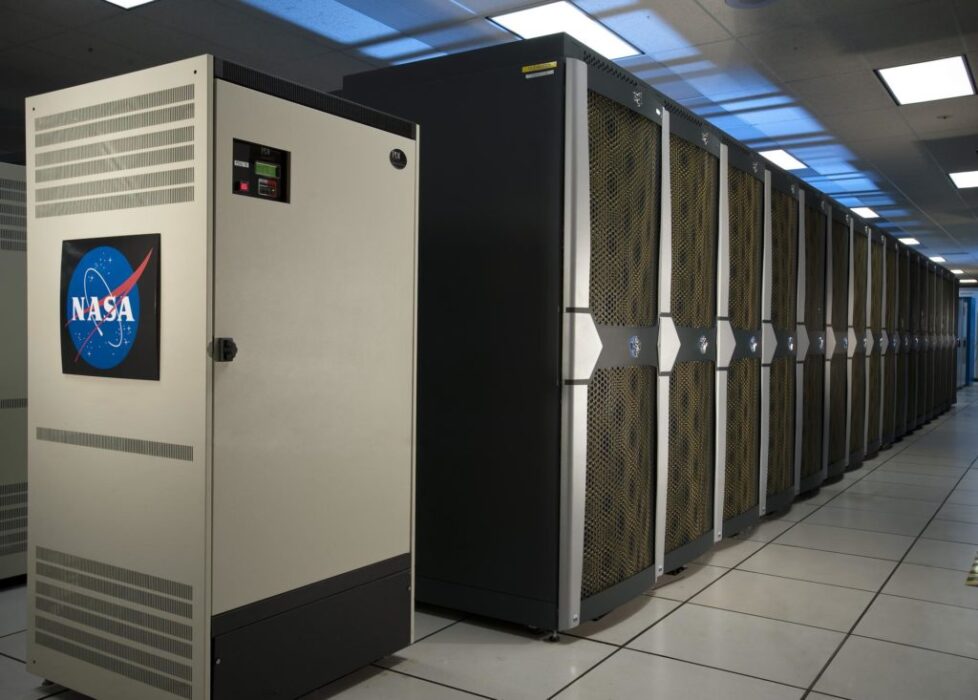
Using high-performance climate and atmospheric models, NASA scientists simulated how Earth’s environment will evolve over the next billion years. The models account for increasing solar brightness and the gradual decline of atmospheric carbon dioxide.
As the Sun grows hotter, photosynthetic life will struggle to survive. This process will ultimately destabilize the planet’s oxygen cycle, leading to a slow but irreversible collapse of conditions that support complex organisms like animals and humans.
2. Oxygen Loss Will Mark the Beginning of the End
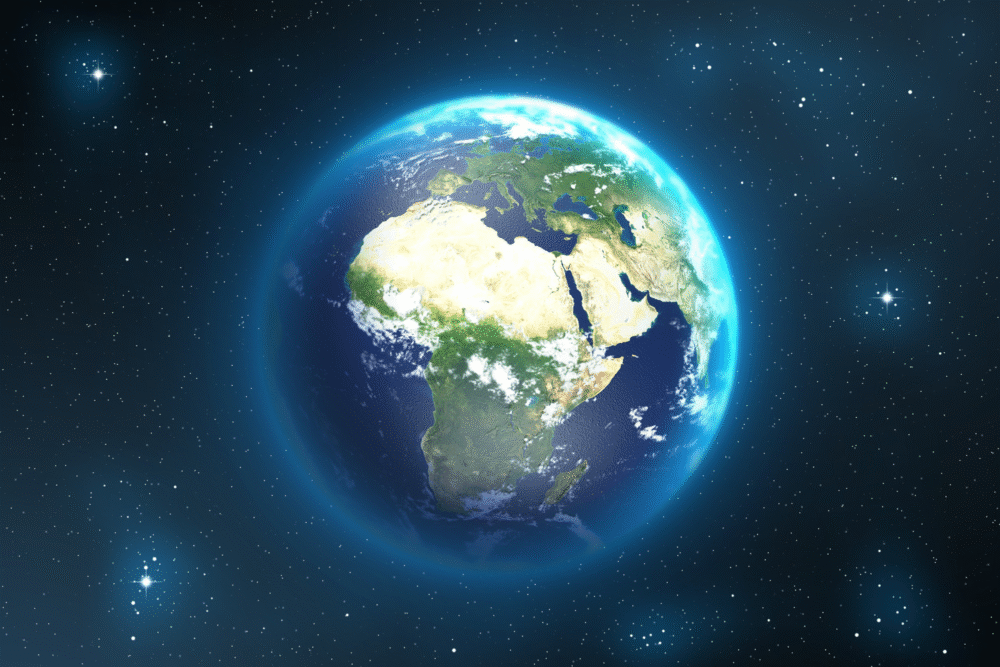
The simulations predict that the first major step toward habitability loss will be a sharp decline in atmospheric oxygen. As photosynthetic microbes die off, oxygen production will fall below levels necessary for multicellular life.
Once this threshold is crossed, the planet’s oxygen-rich atmosphere will vanish in just a few million years—a geological blink of an eye. Without oxygen, the ozone layer will also degrade, exposing Earth’s surface to lethal ultraviolet radiation.
3. Rising Solar Radiation Drives the Process
The main driver of this long-term decline is the Sun itself. Like all stars, it gradually grows brighter as it ages. Every billion years, the Sun’s energy output increases by about 10%, which significantly alters Earth’s climate and chemistry.
As sunlight intensifies, global temperatures will rise, speeding up rock weathering and drawing carbon dioxide out of the atmosphere. With less CO₂, plants and cyanobacteria will no longer be able to photosynthesize efficiently, initiating a global oxygen collapse.
4. The Oceans Will Slowly Disappear

Higher temperatures will accelerate evaporation across the planet’s oceans. Over hundreds of millions of years, this process will strip away much of Earth’s water. More water vapor in the atmosphere will amplify greenhouse effects, further heating the planet.
Eventually, ultraviolet radiation will split atmospheric water molecules, allowing hydrogen to escape into space. Once that happens, Earth will become progressively drier—transforming into an arid, desert-like world similar to modern-day Mars.
5. The Biosphere Will Retreat to Extremes
As oxygen levels drop, only microorganisms capable of surviving in harsh, low-oxygen environments will remain. These life forms will likely thrive near hydrothermal vents, underground aquifers, or high in the atmosphere where conditions are more stable.
Such organisms mirror Earth’s earliest life forms—anaerobic bacteria that existed billions of years ago. Scientists say the planet’s final biosphere may resemble its first, completing a full circle of biological evolution.
6. Complex Life Will Vanish Long Before the End

Before the atmosphere fully collapses, larger animals and plants will have already disappeared. Rising heat, falling oxygen, and changing chemistry will make the surface uninhabitable for complex ecosystems.
Experts estimate that even small changes in oxygen concentration could render mammals and other multicellular life unsustainable. The transition will not be sudden but gradual—spanning millions of years as species die out one by one.
7. Methane Will Dominate Earth’s Atmosphere

Once oxygen is gone, methane-producing microbes will take over, gradually shifting the atmosphere’s composition. Methane and carbon dioxide will combine with nitrogen to form a thick, toxic sky more similar to early Earth.
This methane-rich environment could lead to a faint green haze, blocking sunlight and changing the planet’s color. Over time, the surface would cool slightly, but without oxygen, no recovery toward a habitable climate would be possible.
8. These Models Help Identify Habitable Worlds Elsewhere
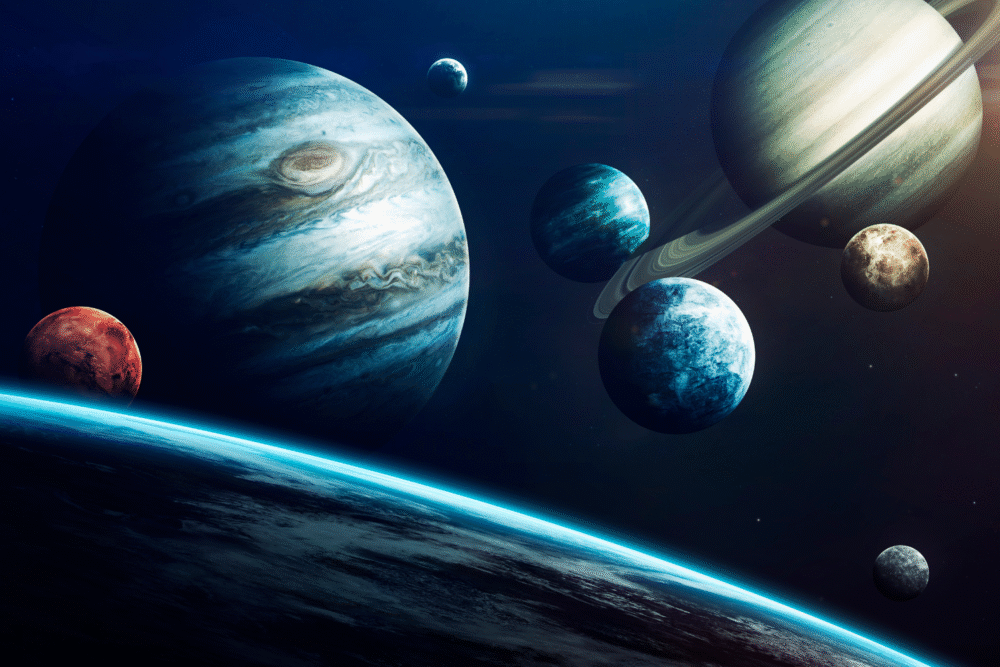
NASA scientists say their findings also help refine the search for life on exoplanets. By studying how Earth’s atmosphere will evolve, astronomers can better identify which distant worlds might currently support life.
Future missions like the James Webb Space Telescope and its successors will use these atmospheric signatures to detect oxygen, methane, and other biomarkers around exoplanets. In essence, studying Earth’s fate may guide the discovery of new, living worlds.
9. Humanity’s Timeline Is Far Shorter Than Earth’s

While these changes will unfold over hundreds of millions of years, human civilization faces more immediate challenges. Climate change, resource depletion, and pollution could threaten our species long before Earth’s natural processes do.
NASA researchers emphasize that these findings aren’t predictions of near-term doom but reminders of how delicate Earth’s balance is. Protecting the planet today ensures it remains habitable for as long as possible within this vast cosmic timeline.
10. Earth’s End Will Be Slow, Not Sudden
Despite the dramatic headlines, scientists stress that the “end of life” on Earth won’t happen overnight. It’s a slow process governed by natural stellar evolution, not a sudden catastrophe.
Over the next billion years, the planet will gradually transition from a blue, life-filled world to a barren one. While distant in human terms, this knowledge underscores a humbling truth: even the most vibrant worlds eventually fade, reminding us how rare and temporary life in the universe truly is.