
A newly discovered planet stuns scientists with its size, potential, and surprising closeness.
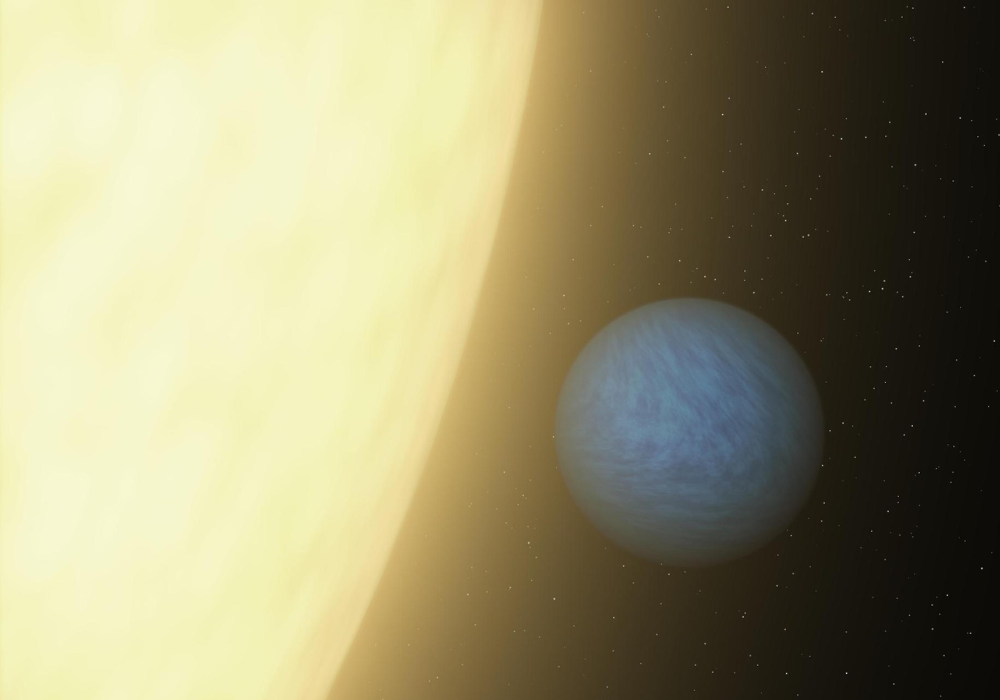
You might think Earth is the only neighborhood we’ll ever know—but it turns out we’re not alone. NASA has just revealed a “super-Earth” lurking surprisingly close in space, and scientists are buzzing. This planet, about one and a half times Earth’s size, orbits within the so-called habitable zone of its red dwarf star—meaning it could potentially hold liquid water. As astronomer Aki Roberge of NASA’s Goddard Space Flight Center explains, we now have the tools to ask if there are truly Earth-like worlds out there.
1. NASA’s discovery places a new “super-Earth” surprisingly close to home
Astronomers have announced the detection of a planet that is larger than Earth yet still shares some familiar traits. What makes this discovery extraordinary isn’t just the size of the world but how close it is in cosmic terms compared to most other exoplanets.
Instead of being dozens of light-years away, this planet orbits in what scientists call our celestial neighborhood. Its proximity allows for detailed study, giving researchers a rare opportunity to investigate a potentially habitable world that feels practically within reach.
2. The planet is about one and a half times the size of Earth
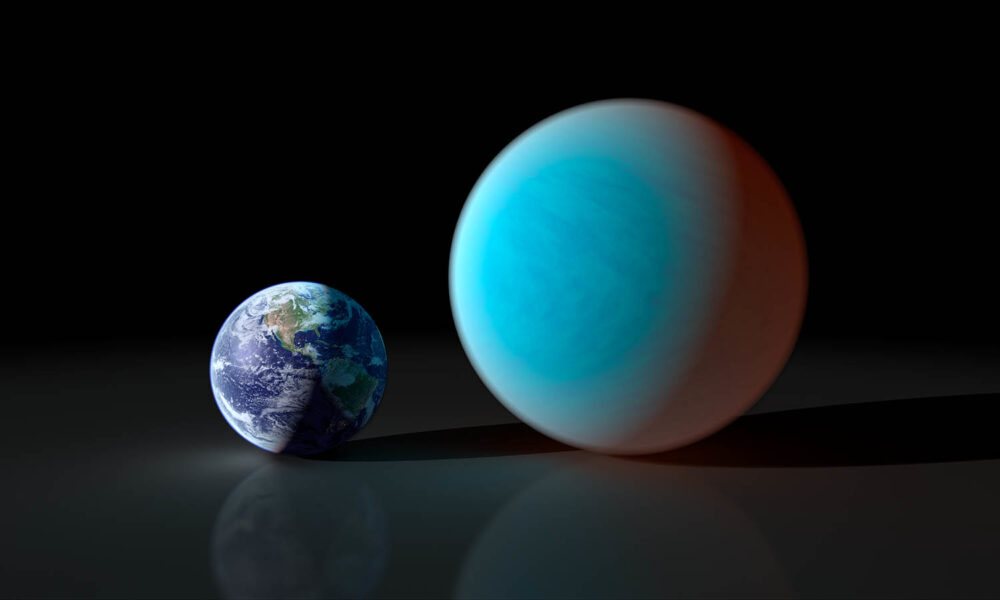
This newly found world is considered a “super-Earth,” a rocky planet bigger than ours but smaller than Neptune or other gas giants. That classification makes it especially intriguing because it suggests the planet may have a solid surface rather than being entirely gaseous.
Size matters because it influences gravity, atmosphere, and potential habitability. A planet with stronger gravity may hold on to thicker atmospheres, altering everything from weather to climate stability. Its size makes this planet an important target for studying what conditions might support different forms of life.
3. It lies within the star’s habitable zone where water could exist
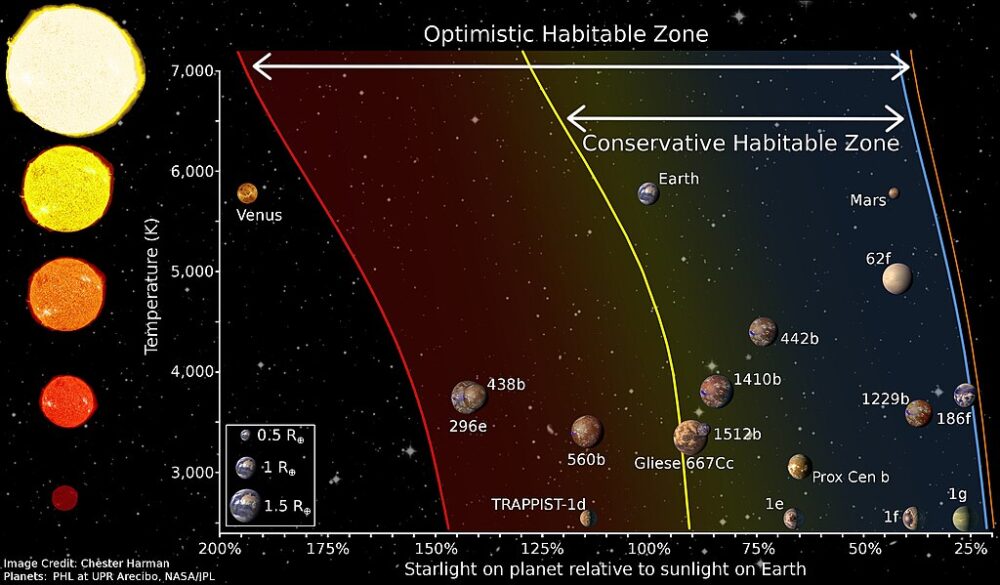
The most exciting detail about this planet is its location in the so-called “habitable zone.” This means it orbits its star at a distance where temperatures could allow liquid water to form on its surface, making it a candidate for life.
Scientists often call this the “Goldilocks zone” because it’s not too hot and not too cold. While no one can say for sure whether water is truly present, just being in this orbital sweet spot puts the planet among the best possibilities for habitability.
4. Its star is a small red dwarf that burns cooler than our Sun
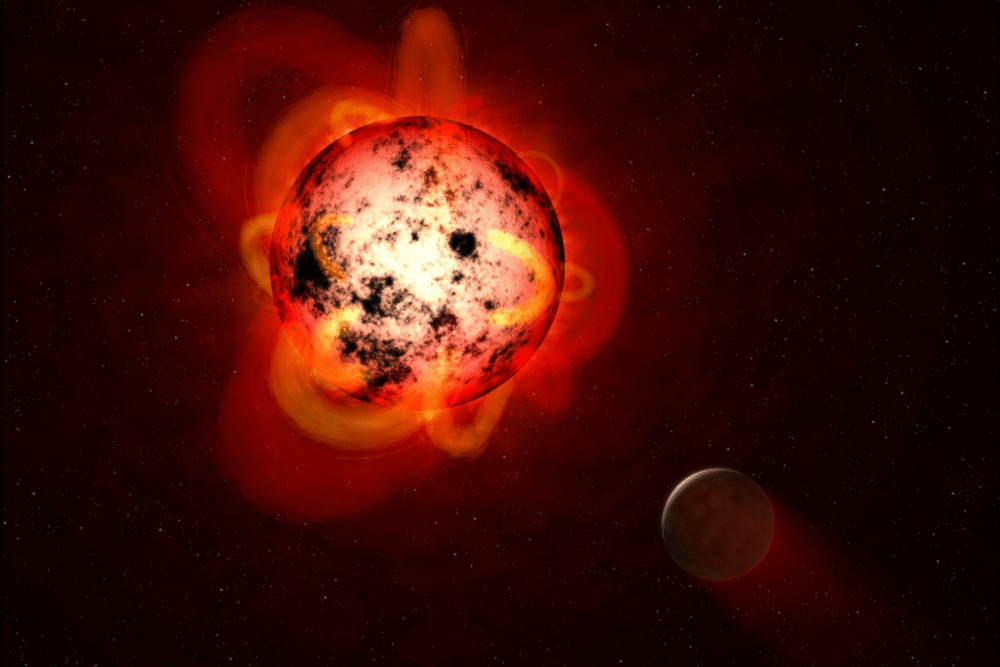
Unlike Earth, which orbits a medium-sized star, this planet circles a red dwarf—a cooler, smaller type of star common throughout the galaxy. These stars burn more steadily and allow planets to orbit closer without being scorched.
This proximity creates unique opportunities and risks. While it may provide consistent warmth, red dwarfs can also produce sudden stellar flares that challenge atmospheres and surface conditions. Scientists are eager to understand how such environments shape the potential for life on nearby rocky planets.
5. The discovery was made using NASA’s Transiting Exoplanet Survey Satellite
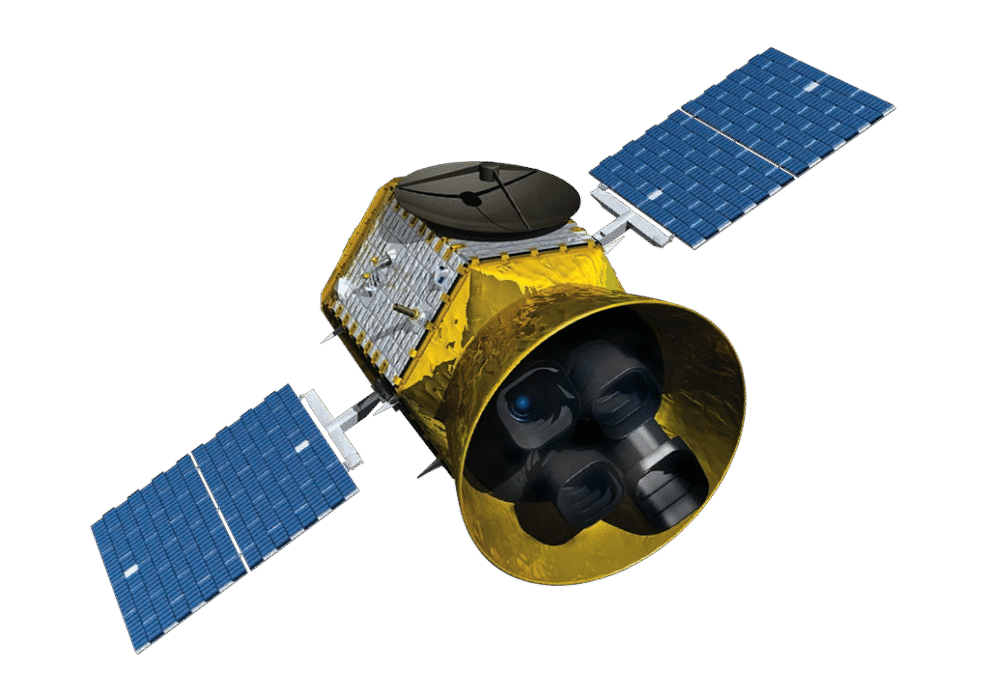
NASA’s TESS spacecraft, launched in 2018, scans wide sections of the sky to detect tiny dips in a star’s brightness. These dips occur when a planet crosses in front of its star, blocking a fraction of its light from reaching Earth.
This method has uncovered thousands of planets, including this new super-Earth. Repeated observations confirmed the signal wasn’t a fluke, but an actual planet. TESS has become one of the most valuable tools for expanding our knowledge of worlds outside the solar system.
6. Scientists say this is one of the best targets for future study
Because of its relative closeness, the planet can be observed in far greater detail than more distant exoplanets. Scientists are already planning to study it with advanced telescopes capable of analyzing atmospheres and surface conditions.
The James Webb Space Telescope may be able to detect gases like oxygen or methane, which could hint at biological processes. This accessibility makes the super-Earth one of the most promising candidates yet for finding signs of life beyond our planet.
7. The discovery adds to a growing list of nearby rocky worlds

This isn’t the first Earth-like world spotted close to us, but each new discovery adds more weight to the idea that rocky planets are common. In fact, astronomers now believe they may be one of the most frequent types of planets in the galaxy.
The difference here is that this super-Earth is close enough to study directly. That makes it a standout find among thousands of other exoplanets that remain too far away for detailed investigation. It strengthens the case that Earth may not be unique after all.
8. A thicker atmosphere may shield the surface from harsh space weather
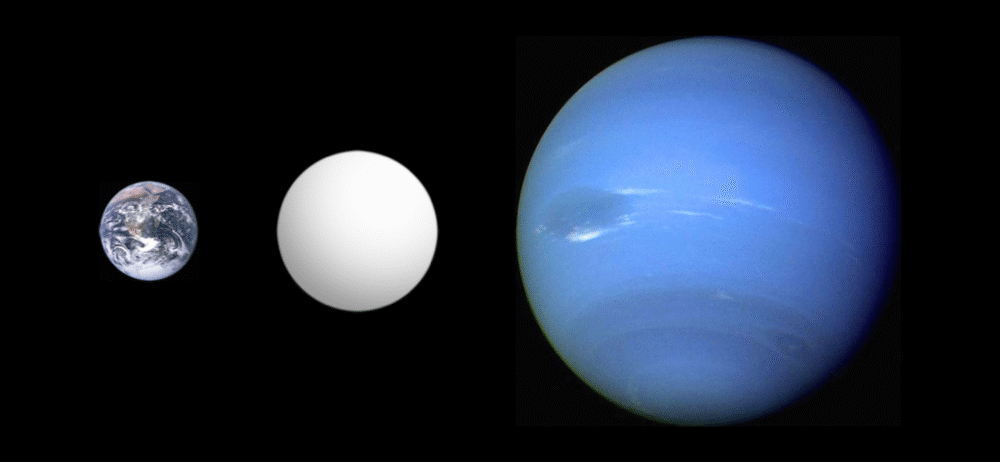
Because of its greater size, the super-Earth is likely to have a stronger gravitational pull than our planet. This could allow it to retain a thicker, denser atmosphere that protects its surface from harmful radiation.
A stable atmosphere is critical for habitability. It helps regulate temperature, allows water to exist in liquid form, and shields potential life from the star’s more dangerous emissions. That makes the planet even more appealing to scientists searching for favorable conditions in other solar systems.
9. Some researchers believe it could have active geology and volcanism

Larger planets often generate more heat in their interiors, which can power geological activity like tectonics and volcanism. These processes are important for recycling essential chemicals and supporting climate stability over long periods.
If this planet has active volcanoes, it may constantly refresh its atmosphere and create environments where complex chemistry thrives. That possibility excites scientists, since geology has played a major role in making Earth capable of sustaining life across billions of years.
10. Life is not confirmed—but the possibility can’t be ruled out
No one has detected life here, and researchers remain cautious. Still, the planet’s size, location, and potential atmosphere put it in a rare category of promising candidates for habitability. These traits alone justify deeper study with more powerful telescopes.
Even if the planet is lifeless, studying it will reveal how such environments develop and survive. Every discovery like this improves our understanding of where life could form—and what to look for as the search expands across the galaxy.
11. This planet may be only the first of many nearby discoveries
When astronomers find one planet orbiting a star, they often expect more to appear. Many systems contain multiple worlds of different sizes, and this star could turn out to host an entire family of planets.
If additional planets are discovered, the system would offer a rare opportunity to compare conditions side by side. That would help scientists refine their models for how solar systems form and improve their search for habitable environments beyond Earth.
12. The find raises big questions about our place in the universe

Each time an Earth-like planet is revealed, humanity confronts the same question: are we truly alone? Discoveries like this one make that question feel less theoretical and more urgent, because they show habitable conditions may exist surprisingly close by.
It’s also a reminder of how much progress science has made. Only a generation ago, planets outside our solar system were a mystery. Now, we’re identifying nearby worlds that may resemble Earth in remarkable ways—changing how we see ourselves in the cosmos.