
Amid a federal shutdown, NASA’s interim chief says he could halt U.S. flights before Thanksgiving for safety.
In a televised interview, Transportation Secretary Sean Duffy—currently serving as NASA’s interim administrator—warned he’s prepared to ground all U.S. commercial flights before Thanksgiving if the ongoing federal government shutdown undermines aviation safety. He said that if conditions become unsafe due to strained operations and staffing, “we’ll shut the whole airspace down,” emphasizing safety over holiday travel demand. The remarks escalate pressure on lawmakers as delays and staffing shortages ripple through the system during one of the year’s busiest travel weeks.
1. NASA’s Interim Chief Warns He Could Ground Every Commercial Flight
Transportation Secretary Sean Duffy, who is also serving as NASA’s interim administrator, warned that he could ground all commercial flights in the U.S. if the federal shutdown begins to threaten aviation safety. His remarks came during a CNBC interview just weeks before Thanksgiving, one of the busiest travel periods of the year.
The statement marks the most severe public warning yet about how the prolonged shutdown could disrupt essential travel and endanger air operations nationwide.
2. The Threat Comes During the Year’s Busiest Travel Season

Duffy’s comments arrive as millions prepare to fly home for Thanksgiving. Late-November travel already stretches the nation’s aviation system, even under normal conditions. A mass grounding would cripple airports, airlines, and travelers alike.
Officials worry that extended delays, mounting fatigue among unpaid controllers, and slowdowns across major hubs could turn the holiday weekend into one of the worst travel crises in modern history.
3. The Federal Shutdown Has Paralyzed Air Travel Operations

Since the shutdown began on October 1, federal agencies including the FAA have been forced to operate with limited staff and no pay for essential employees. Air traffic controllers are working without paychecks while struggling to cover basic expenses.
Many controllers have taken second jobs or borrowed money to stay afloat, further increasing stress and fatigue levels. The ripple effects have already caused significant delays and flight cancellations across major U.S. airports.
4. The FAA Has Repeatedly Warned Lawmakers About the Strain
In public statements, the Federal Aviation Administration has pleaded with Congress to end the shutdown. The agency says the lack of funding and staff is creating dangerous conditions in critical air traffic facilities.
According to the FAA, half of the country’s top 30 air-traffic centers are now short-staffed. At key New York-area airports, nearly 80 percent of controllers have been absent due to burnout and financial hardship.
5. Safety Is the Deciding Factor Behind the Threat
During his interview, Duffy emphasized that grounding flights is not a political statement but a safety precaution. He said, “If we thought that it was unsafe, we’ll shut the whole airspace down.”
He added that while the system is still operating, the situation “includes an element of risk.” For now, he said, travelers are facing only significant delays—but the tone of his remarks suggested that could quickly change.
6. Duffy’s Comments Escalate an Already Tense Political Standoff

The shutdown has dragged on for over a month, with both parties blaming each other for the stalemate. Republicans have pushed for a spending bill that excludes key healthcare measures and enforces deep budget cuts, while Democrats have refused to compromise on those provisions.
Duffy’s warning raises the stakes, transforming a fiscal impasse into a direct threat to the nation’s air transportation network and its economic stability.
7. Air Traffic Controllers Have Reached a Breaking Point

After more than 30 days without pay, many air traffic controllers are suffering from exhaustion and mental strain. The FAA described them as “under immense stress and fatigue.”
Controllers are essential to every takeoff and landing. Their diminished capacity means longer wait times, rerouted flights, and increased pressure on those still reporting for duty. The agency says reducing the flow of air traffic may soon be the only safe option left.
8. The FAA Has Already Begun Reducing Air Traffic Flow
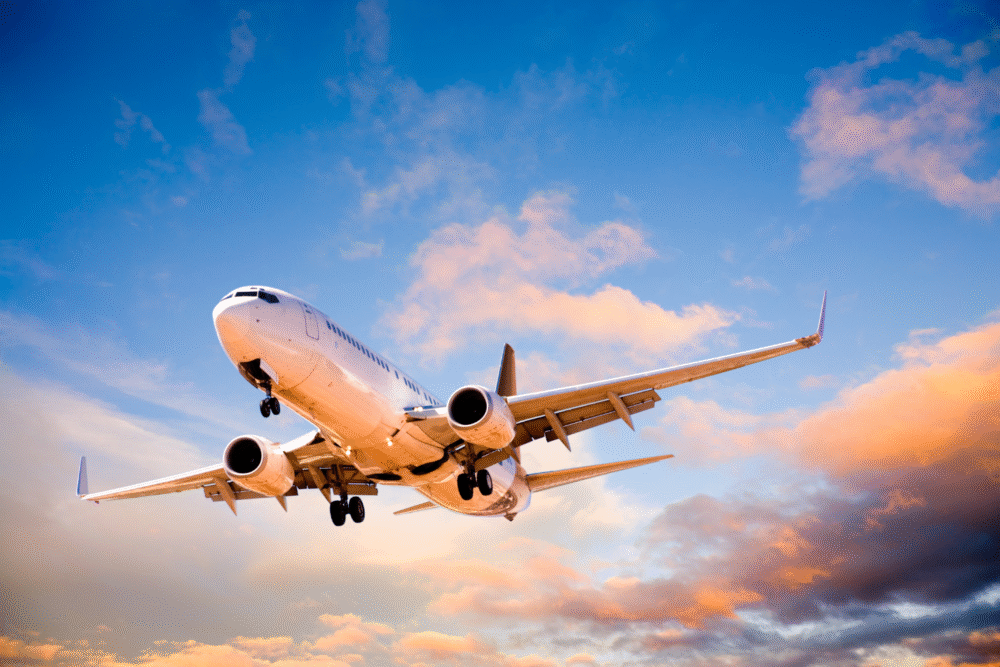
To preserve safety standards, the FAA confirmed that it is cutting back air traffic at major airports. This decision means fewer flights are taking off or landing each hour, producing cascading delays across the country.
While the move helps maintain minimum safety levels, it also signals that the system is operating near its limits—a sign that Duffy’s threat to ground flights is more than just rhetoric.
9. The Shutdown’s Ripple Effects Extend Beyond Air Travel

The aviation crisis mirrors the broader impact of the government shutdown. Federal workers across multiple agencies remain unpaid, with services ranging from healthcare to infrastructure oversight severely disrupted.
The longer the stalemate continues, experts warn, the more sectors will feel the strain. But the aviation system—dependent on precision, coordination, and alert staffing—is among the most vulnerable to immediate breakdown.
10. Officials Insist Safety Will Not Be Compromised

Despite the chaos, the FAA and NASA leadership maintain that safety remains their top priority. Both agencies reiterated that they will not allow unsafe conditions in the air, even if that means halting flights altogether.
As Duffy put it, “We won’t let people travel” if the situation deteriorates further. The statement underscores how close the nation’s aviation system is to a full standstill—unless lawmakers act to restore funding before Thanksgiving.