
Scientists detected a dense metallic anomaly miles below the lunar surface, and no one knows what it is.
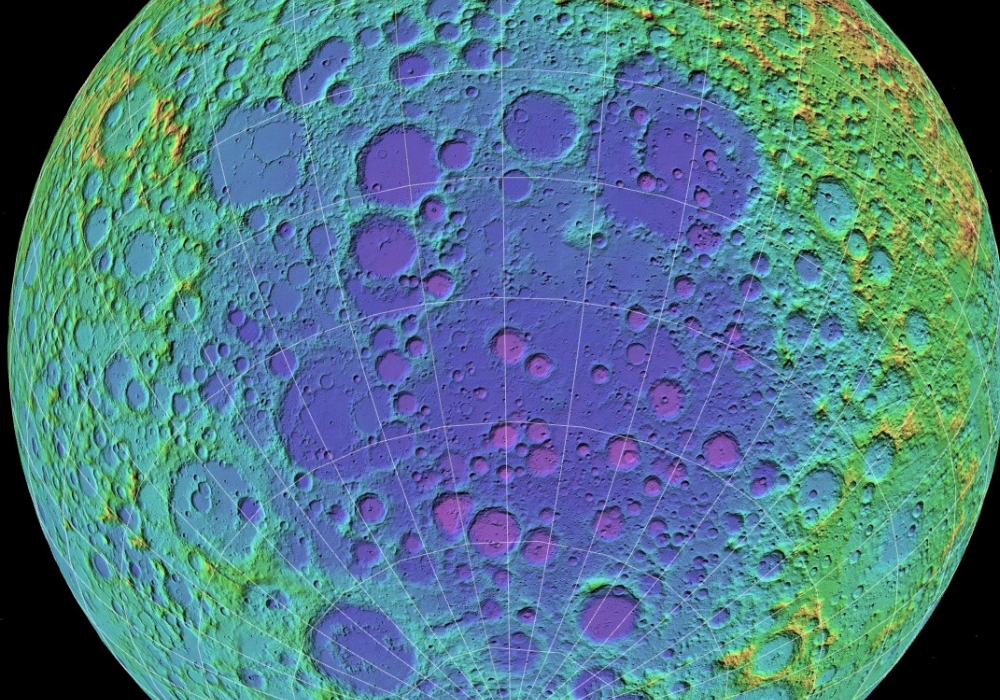
NASA’s upcoming Artemis missions will return astronauts to the Moon for the first time in over fifty years—and their destination sits near one of the most mysterious places in the solar system. Deep beneath the Moon’s largest crater, known as the South Pole–Aitken Basin, scientists have detected something massive buried far below the surface. Using data from NASA’s GRAIL (Gravity Recovery and Interior Laboratory) spacecraft, researchers discovered an unexplained metallic anomaly that defies simple explanation. The find could unlock secrets about how the Moon—and perhaps the early solar system itself—was formed.
1. The South Pole–Aitken Basin Is the Moon’s Largest and Oldest Crater
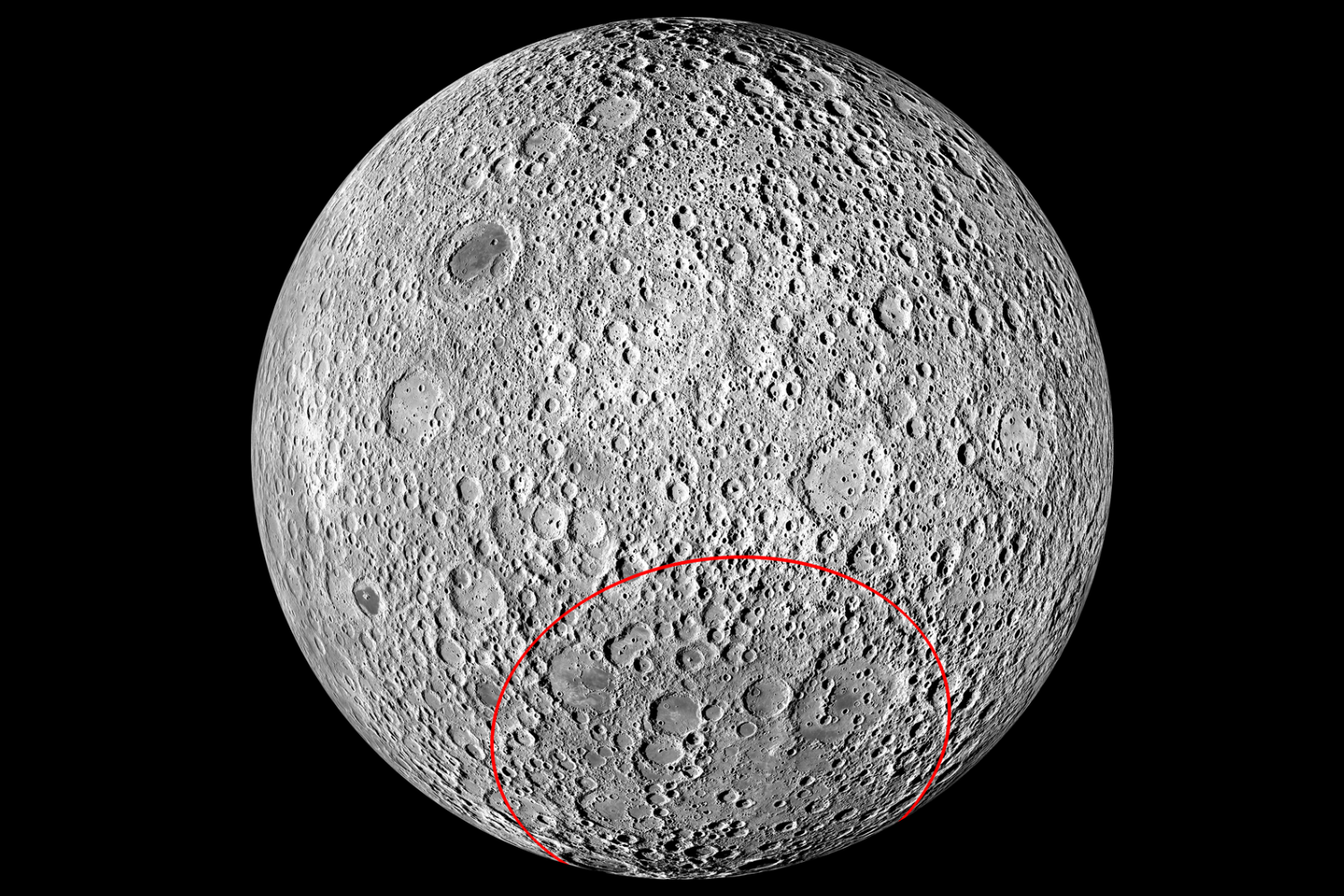
Spanning about 1,600 miles across and more than eight miles deep, the South Pole–Aitken Basin is the largest known impact crater on the Moon—and one of the biggest in the entire solar system. Formed roughly four billion years ago, it’s believed to have been created by a massive collision early in lunar history.
Its immense size has made it a focal point for scientific research and the prime region for NASA’s Artemis missions, which plan to land astronauts near its southern rim to study lunar geology up close.
2. A Hidden Mass Lies Deep Beneath the Crater’s Surface’
In 2019, scientists analyzing data from NASA’s GRAIL mission made a startling discovery: a dense, metallic mass buried hundreds of miles beneath the South Pole–Aitken Basin. Estimates suggest it could weigh more than 2.4 quintillion tons—roughly five times the mass of Hawaii’s Big Island.
The anomaly distorts the Moon’s gravitational field, which allowed researchers to detect it indirectly. While its exact nature remains a mystery, it’s unlike anything found elsewhere on the lunar surface.
3. The Mass May Be the Remnant of a Giant Asteroid Impact

One leading theory suggests the buried mass could be the remains of the asteroid that struck the Moon billions of years ago. Instead of vaporizing or rebounding, the metallic core of the impactor might have sunk into the Moon’s mantle, remaining partially intact.
Computer simulations show that a glancing, high-speed impact could create both the basin and the gravitational anomaly observed today—supporting this explanation, though no direct evidence has yet confirmed it.
4. A New Study Suggests the Impact Was a “Glancing Blow”

Recent research published in Nature Geoscience suggests the South Pole–Aitken Basin was created not by a head-on collision, but by a “glancing blow.” This angled impact could explain the crater’s unusual asymmetry and the strange concentration of materials beneath it.
Scientists believe the impactor struck at a shallow angle, carving out the massive basin while embedding its metallic remnants deep below. This event would have profoundly reshaped the Moon’s early crust and internal composition.
5. The Discovery Came From the GRAIL Spacecraft’s Gravity Mapping
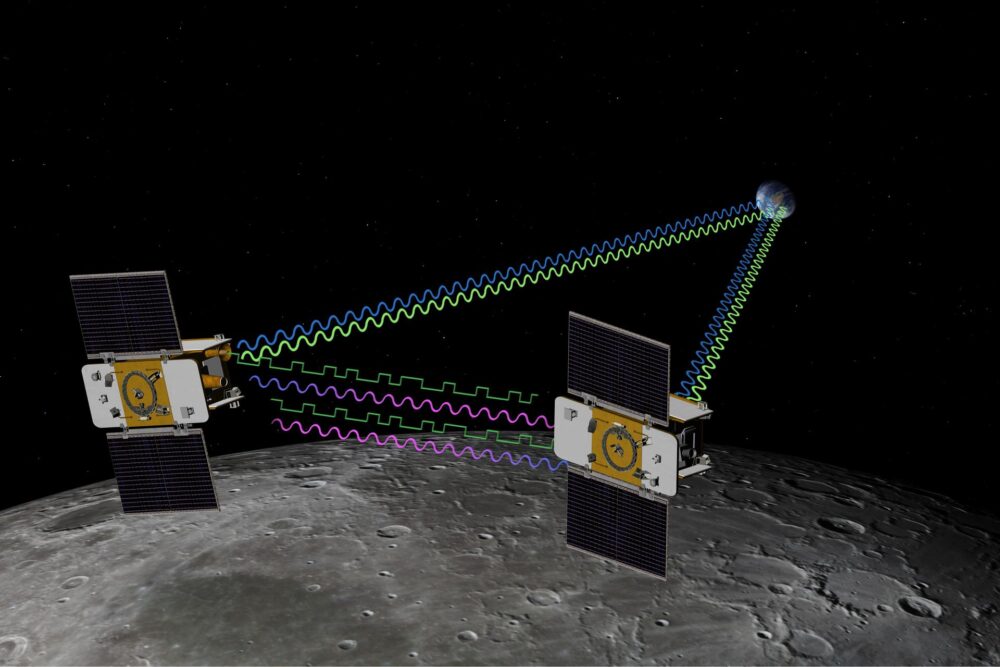
NASA’s twin GRAIL spacecraft, launched in 2011, orbited the Moon to map subtle variations in its gravitational field. By measuring changes in distance between the two satellites, scientists were able to infer where denser material lay beneath the surface.
The anomaly beneath the South Pole–Aitken Basin appeared as a strong gravitational signal. When combined with topographic data from the Lunar Reconnaissance Orbiter, researchers confirmed the feature’s immense depth and density.
6. The Hidden Mass Could Be Part of the Moon’s Mantle
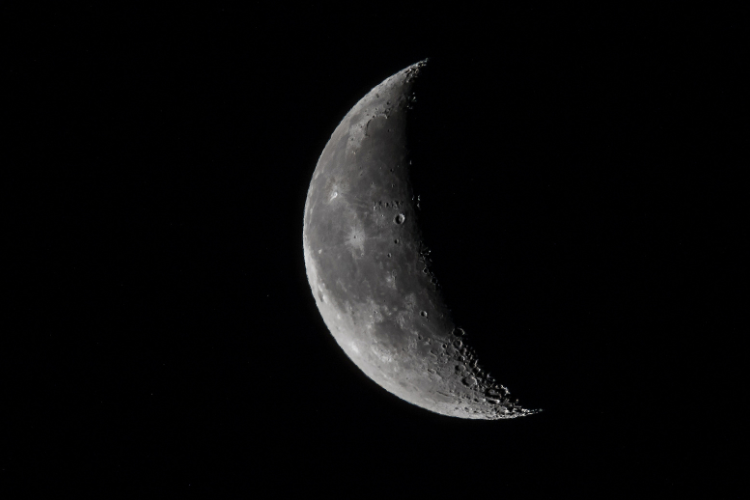
Another possibility is that the anomaly represents dense material displaced during the ancient impact, rather than leftover asteroid debris. The colossal collision may have forced lower mantle material upward or sideways, creating a concentrated zone of heavier elements.
If true, it could help scientists understand how large impacts influence planetary interiors—a process that shaped not only the Moon, but also Earth, Mars, and Mercury in their early histories.
7. It Might Hold Clues to the Moon’s Magnetic History
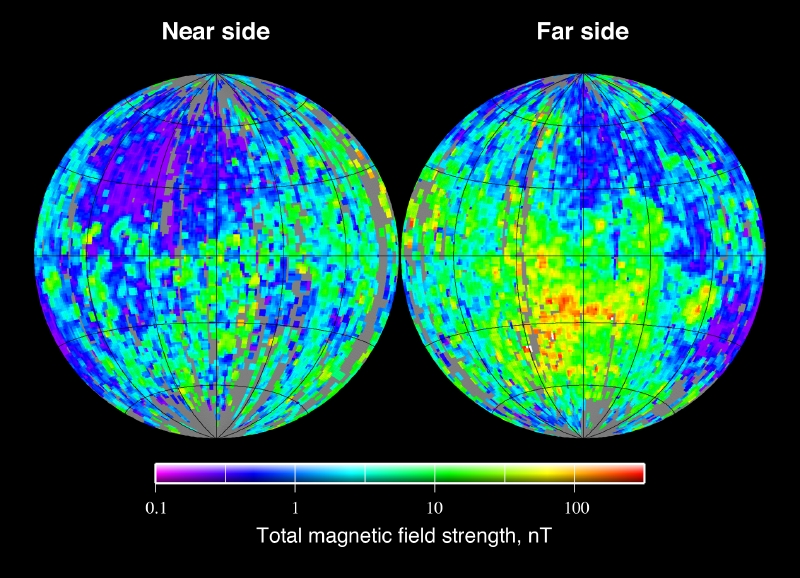
The South Pole–Aitken Basin may also help explain why parts of the Moon once had a magnetic field. Ancient magnetic rocks found near the crater suggest that massive impacts may have generated temporary magnetic activity billions of years ago.
If the buried metal mass is indeed a remnant of an iron-rich asteroid, it could have conducted heat and electricity, fueling short-lived magnetic fields during the Moon’s formative years. Studying this anomaly may help scientists reconstruct that lost magnetic history.
8. NASA Plans to Land Astronauts Near the Basin’s Southern Rim

The Artemis III mission, slated for later this decade, will land astronauts near the Moon’s south pole—just beyond the rim of the South Pole–Aitken Basin. This region offers both scientific value and practical advantages, including near-constant sunlight for power and potential access to frozen water deposits.
While astronauts won’t land directly inside the basin, they’ll explore nearby regions that may hold ejected material from its formation, providing vital clues about the mysterious buried structure below.
9. The Basin May Reveal Why the Moon’s Far Side Looks So Different

The Moon’s far side—the hemisphere that never faces Earth—is heavily cratered and geologically distinct from the near side. The South Pole–Aitken Basin covers much of this far side and may help explain the difference.
Some scientists think the glancing impact that created the basin redistributed materials unevenly across the Moon’s crust. This could have influenced volcanic activity and the concentration of rare minerals on the near side, shaping the Moon’s asymmetrical appearance.
10. The Basin’s Materials Could Help Trace the Moon’s Origin

By sampling rocks around the basin’s rim, scientists hope to learn more about the Moon’s internal layers. The impact that formed the South Pole–Aitken Basin likely exposed material from deep beneath the surface—possibly from the lunar mantle itself.
If Artemis astronauts can collect and return such samples, it could help confirm or challenge theories about the Moon’s origin, including the “giant impact hypothesis,” which suggests it formed after a collision between early Earth and a Mars-sized body called Theia.
11. Future Missions Will Use Radar to Probe the Anomaly Directly
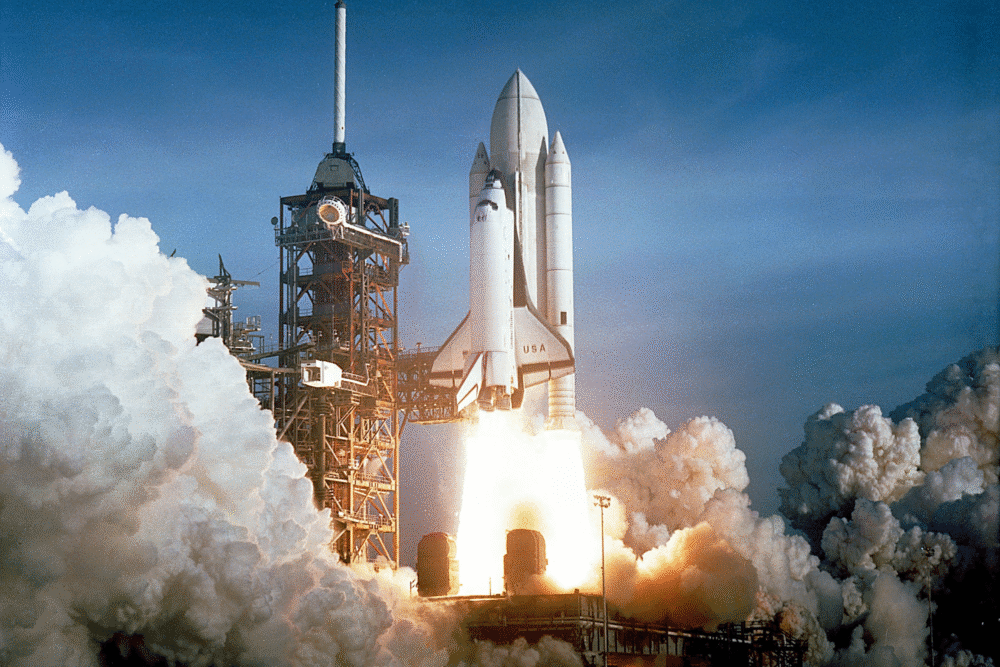
NASA and international partners are developing radar and seismic instruments that could one day measure the basin’s subsurface structure in greater detail. Future robotic missions may deploy small landers or penetrators to analyze the composition of the buried mass directly.
These missions could determine whether the anomaly is metallic, rocky, or a mixture of both—resolving one of the longest-standing mysteries in lunar science.
12. The Mystery Remains—But the Moon Is About to Tell Us More

For now, scientists can only speculate about what lies beneath the South Pole–Aitken Basin. Whether it’s the remnant of a massive asteroid, a dense pocket of mantle rock, or something entirely unexpected, the discovery highlights how much remains unknown about our closest celestial neighbor.
As NASA prepares to return astronauts to the lunar surface, the Moon’s largest crater is poised to reveal its secrets. What lies beneath may not only rewrite lunar history—it could reshape our understanding of how planets evolve after cosmic collisions.