
Scientists are tracking strange cosmic signals called fast radio bursts—and their origins remain unclear.
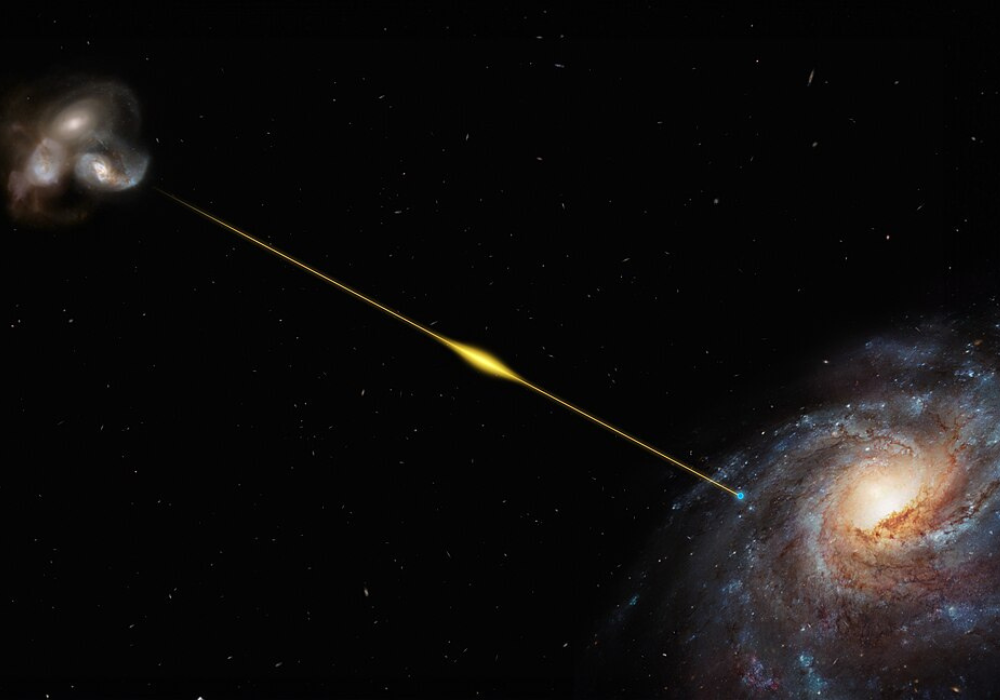
Astronomers are picking up mysterious pulses from deep space, and no one is completely sure what’s causing them. Known as fast radio bursts (FRBs), these flashes of energy are incredibly powerful, yet last only milliseconds. First detected in 2007, FRBs have been traced to galaxies billions of light-years away, but their exact origins remain unsolved.
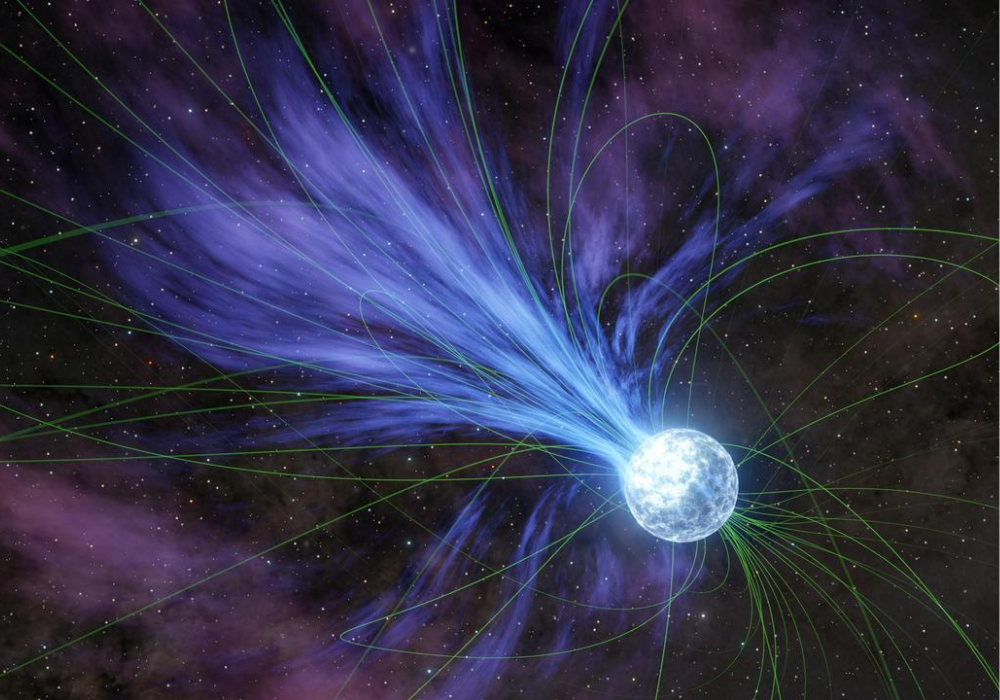
NASA research points to highly magnetized neutron stars, known as magnetars, as one likely source. Still, other bursts defy easy explanation, leaving scientists with a cosmic mystery that could reveal new insights into how the universe works.
1. The mystery of fast radio bursts
Fast radio bursts, or FRBs, are powerful flashes of radio energy that last only a few milliseconds. In that tiny instant, they can release more energy than our Sun produces in several days, making them some of the most extreme events in the cosmos.
The first FRB was discovered in 2007 while astronomers were analyzing old telescope data. Since then, hundreds more have been detected with increasingly advanced instruments. Despite years of research, scientists still don’t fully understand what causes them. Their sheer power, unpredictable timing, and incredible distances make them one of astronomy’s most compelling puzzles.
2. Some bursts repeat, others do not
One of the strangest aspects of FRBs is that some repeat while others appear only once. A handful of repeaters even show patterns, bursting on predictable cycles before going silent again.
Repeating FRBs allow scientists to study the same source multiple times, offering valuable data on their origins. Single bursts are harder to analyze but may represent different types of cosmic events altogether. The contrast between one-off blasts and repeaters suggests that FRBs may not come from a single cause. Instead, they could be produced by multiple astrophysical processes across the universe.
3. Magnetars are a leading explanation

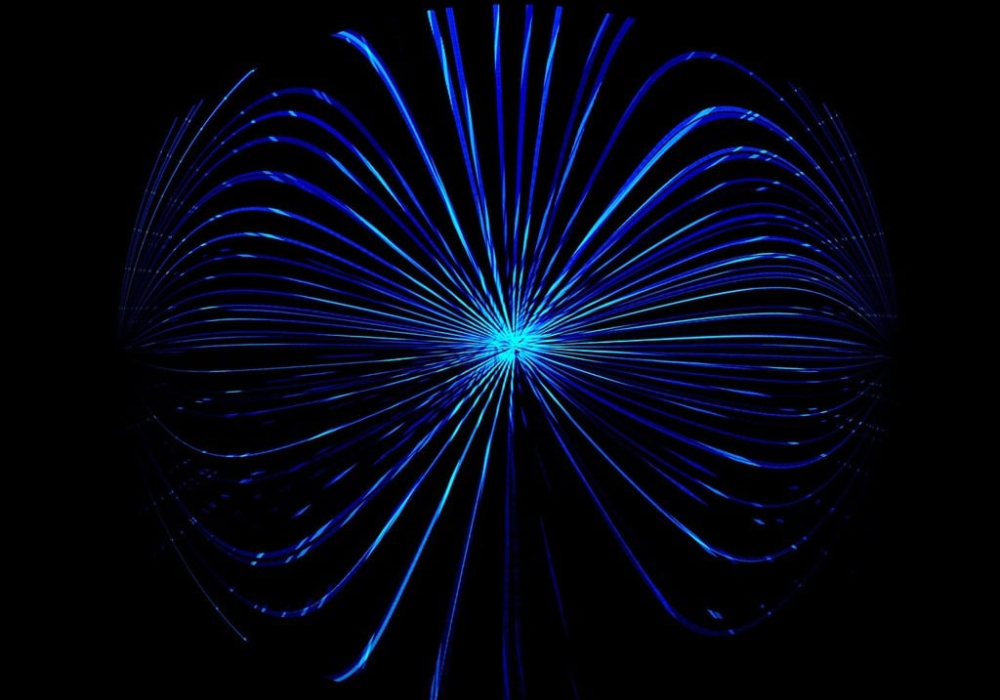
Magnetars, a type of neutron star with magnetic fields trillions of times stronger than Earth’s, are considered one of the best candidates for FRBs. These stars are incredibly dense—just a few miles wide yet heavier than our Sun.
In 2020, astronomers detected an FRB inside our own galaxy linked to a known magnetar. This confirmed that magnetars are capable of producing such signals. Still, not every FRB fits neatly into this explanation. Some appear far too energetic, distant, or unusual, suggesting that while magnetars explain many bursts, they aren’t the entire story.
4. Black holes may play a role
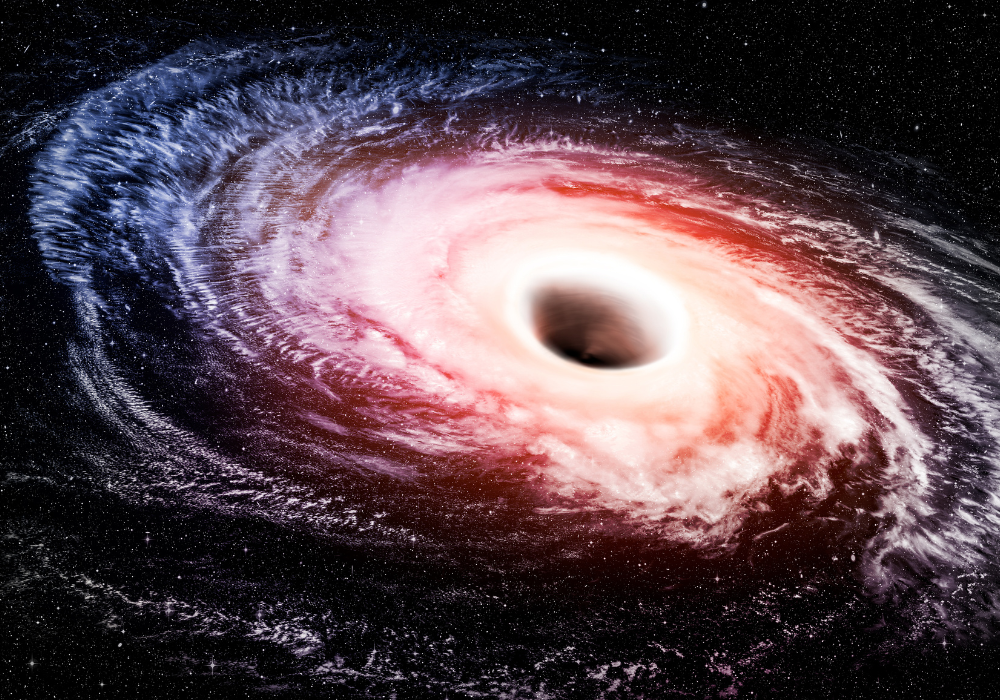
Other researchers suggest black holes could be behind at least some FRBs. The intense gravitational forces around black holes create environments where extreme radiation is common. If a neutron star orbits close to a black hole, or if matter falls into one, the interactions might generate bursts powerful enough to match FRBs.
Evidence is still limited, but this idea reflects how exotic environments could fuel these signals. Scientists continue to keep black holes high on the list of possible explanations, especially for bursts that seem too energetic for magnetars alone.
5. Colliding stars could spark the blasts
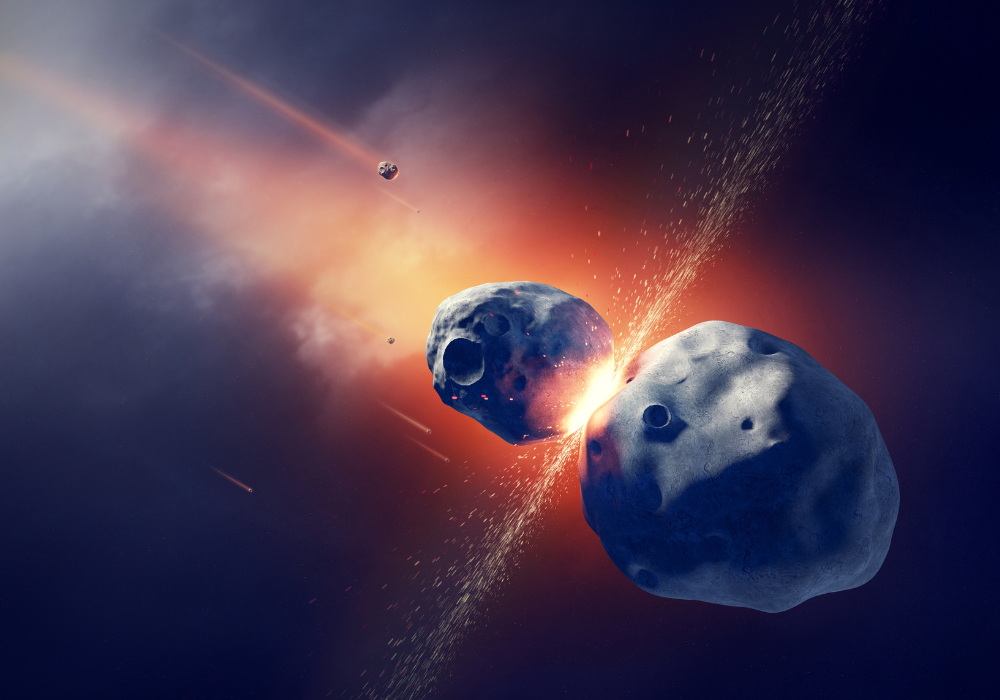
Another leading theory is that FRBs are created when neutron stars collide. These cataclysmic mergers produce enormous energy, including gravitational waves and gamma-ray bursts. Such events are rare, which could explain why many FRBs appear as one-time flashes. The problem is that this theory doesn’t fit with repeating FRBs, which clearly have ongoing sources.
That suggests there may be different classes of FRBs with multiple origins. Collisions might explain some, but not all, of the mysterious signals flashing across the sky.
6. The CHIME telescope is leading the search
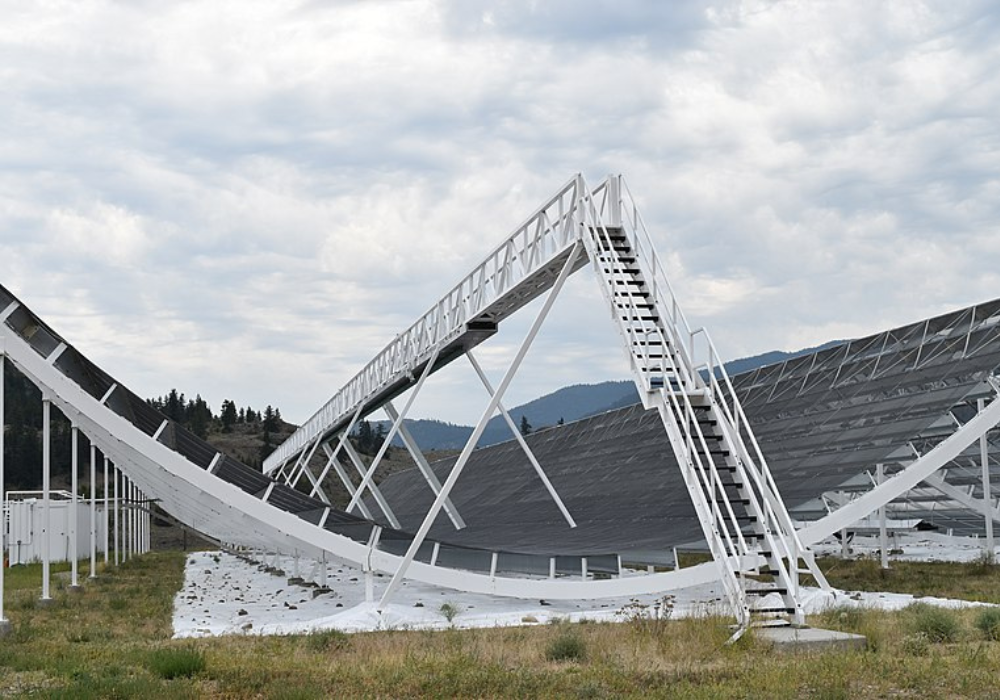
Much of what we know about FRBs comes from the Canadian Hydrogen Intensity Mapping Experiment, or CHIME. This large radio telescope in British Columbia scans a massive portion of the sky every single day.
Since 2017, CHIME has identified hundreds of FRBs, including many repeaters. Its constant monitoring has built the largest catalog of bursts ever recorded. With so much data, researchers can compare bursts and search for meaningful patterns. CHIME has transformed FRB research, revealing details that smaller or less continuous surveys would have missed entirely.
7. FRBs come from distant galaxies
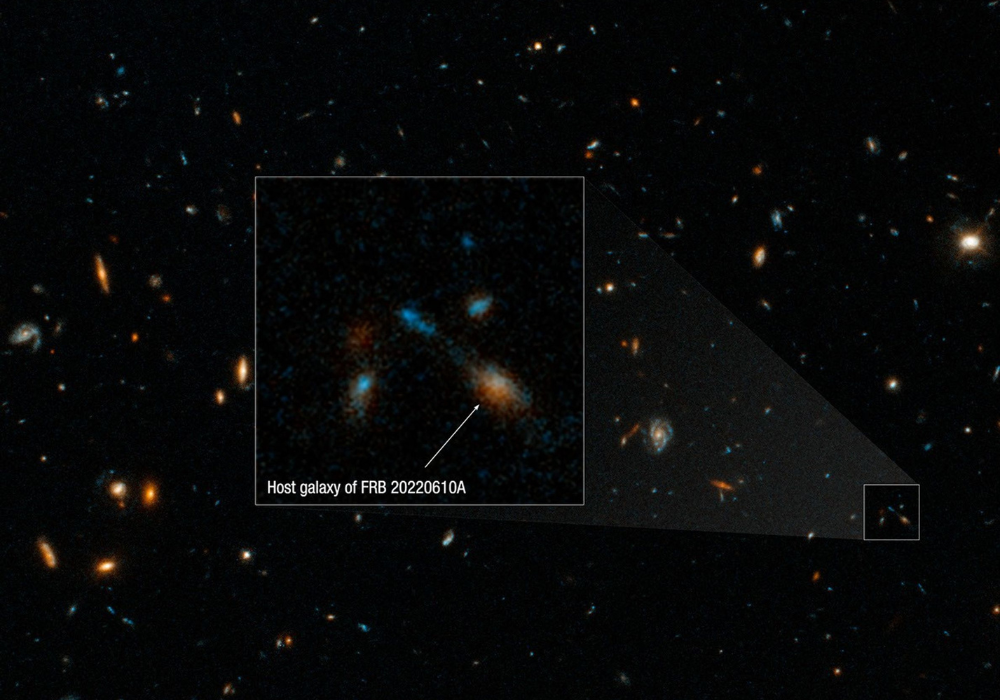
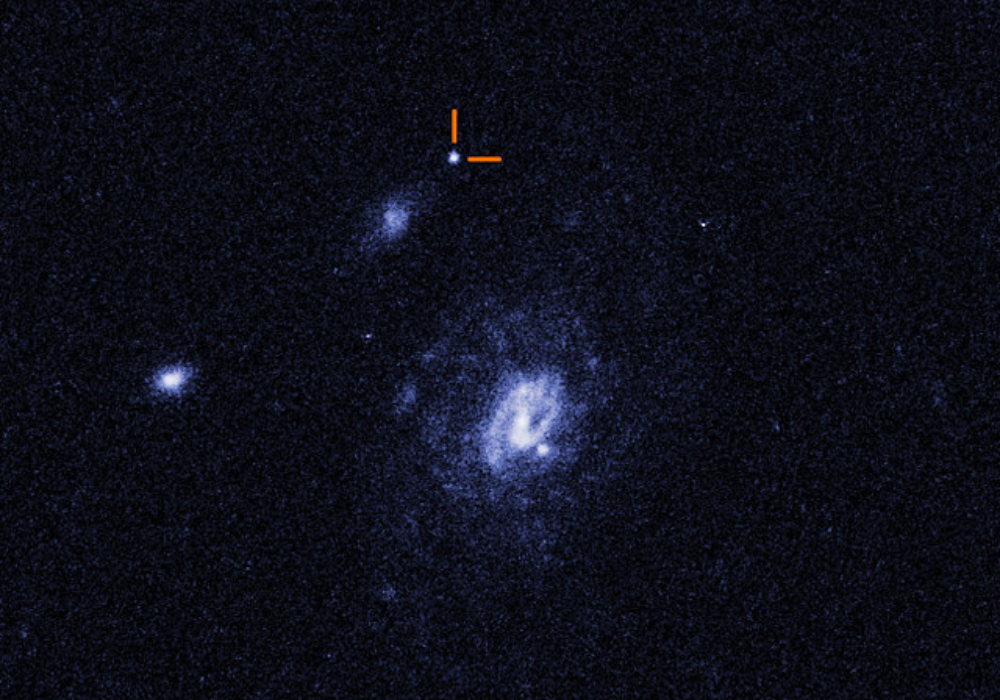
Most FRBs are traced to galaxies billions of light-years away. This means the signals began long before humans even existed and traveled across the cosmos for eons to reach Earth. By studying how radio waves scatter on their journey, astronomers can learn about the otherwise invisible matter between galaxies.
FRBs act like probes, helping scientists measure gas and plasma across vast stretches of space. Each detection not only offers a mystery about the source but also provides new tools for mapping the structure of the universe itself.
8. Some bursts follow odd patterns
Some repeating FRBs don’t just repeat randomly—they follow strange, regular cycles. One well-studied repeater is active for several days, then falls silent for weeks before restarting.
This behavior suggests there may be an orbiting companion star or another mechanism driving the rhythm. Patterns like these give astronomers rare clues about the environments where FRBs originate. Understanding their timing could reveal whether they come from magnetars, binary star systems, or something even stranger. The more cycles studied, the closer scientists get to solving the puzzle.
9. They are helping map the universe’s matter

FRBs aren’t just mysteries—they are also powerful scientific tools. As their radio waves travel through space, they interact with gas and plasma, slowing down and scattering in ways scientists can measure. By analyzing these changes, researchers have used FRBs to detect the “missing matter” of the universe that had been difficult to locate by other means.
Each burst acts like a cosmic flashlight, shining through the invisible structures between galaxies. This makes FRBs valuable not just for what they are, but for what they reveal about the vast spaces they cross.
10. Alien theories fuel public imagination

Whenever unexplained cosmic signals are detected, speculation about alien civilizations inevitably follows. Some people wonder if FRBs might be intentional broadcasts or byproducts of advanced technology. Astronomers stress there is no evidence that FRBs are artificial. The signals are far more likely to come from extreme natural events like magnetars or collisions.
Still, the mystery and drama of FRBs keep alien theories alive in the public imagination. While unlikely, the idea adds cultural fascination to what is already one of the strangest space phenomena ever discovered.
11. Technology is rapidly improving detection
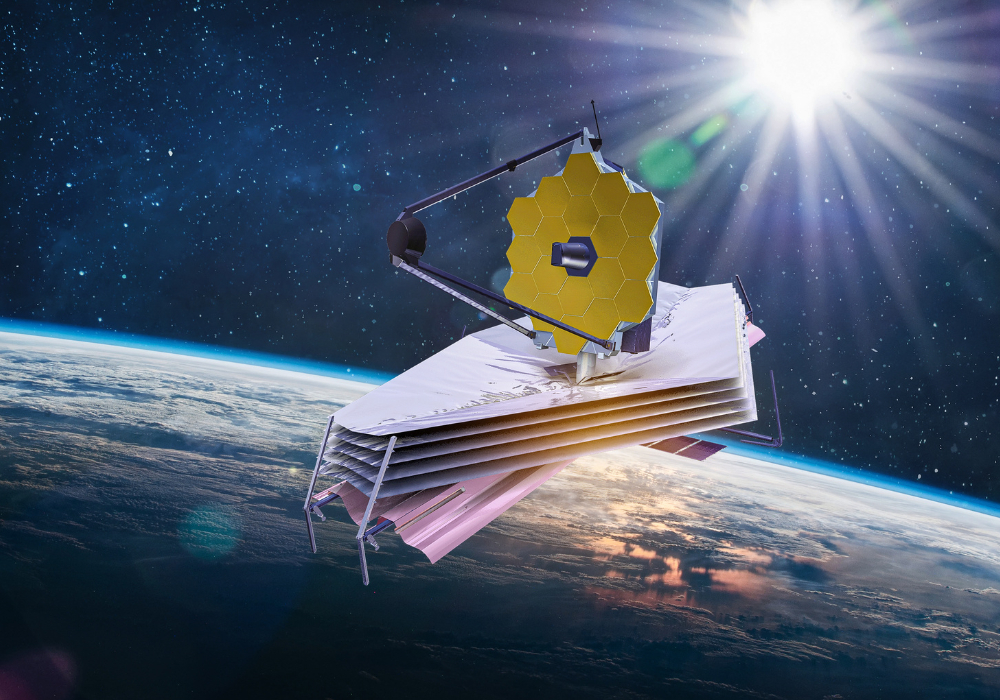
Telescopes are becoming more powerful, giving scientists sharper tools to study FRBs. Projects like the Square Kilometre Array in Australia and South Africa will dwarf current instruments in sensitivity.
These facilities will detect thousands more bursts, including weaker and more distant ones. They’ll also pinpoint the exact locations of sources with greater accuracy, allowing researchers to study their host galaxies in detail. As technology advances, scientists expect a flood of discoveries that could finally solve the FRB mystery.
12. The mystery is far from solved

Despite major progress, FRBs remain one of the most baffling phenomena in astronomy. Every answer seems to raise more questions, leaving researchers chasing multiple leads at once.
Are there several types of FRBs, each with different origins? What drives the repeating patterns? And how many signals are still out there waiting to be detected? Until these questions are answered, the strange pulses from deep space will continue to intrigue scientists and capture the imagination of the public worldwide.