
Census data shows where family origins in the U.S. most often lead.

Ask a room full of Americans where their people are from and you’ll get everything from “I’m mostly Irish” to “My grandma swears we’re part Cherokee” to “Honestly, I have no idea.” The U.S. has always been a mashup, and that’s not just a feel-good phrase. It’s literally reflected in surnames, food traditions, and the way certain cities feel like mini versions of other countries.
Most Americans trace roots back to a surprisingly consistent set of countries, even if the details vary wildly by region.
1. England shaped the earliest American surnames and customs.

England sits at the center of a lot of American ancestry for obvious reasons. Early colonial settlement brought English language, laws, religion, and family lines that still show up in last names like Johnson, Smith, and Williams. Even people who don’t identify as “English” often have English branches somewhere in the background.
What’s funny is how invisible it can feel. English ancestry blends in because so many American norms came packaged with it. Things like certain holiday traditions, town names, and even the idea of what “normal” sounds like in American speech have English fingerprints all over them. It’s the ancestry that hides in plain sight.
2. Germany quietly became one of America’s biggest roots.

German ancestry is massive in the U.S., and it shows up in places you might not expect unless you look closely. The Midwest, in particular, has deep German roots, with old family farms, Lutheran churches, and towns where German surnames still dominate the mailbox lineup.
German influence isn’t only historical either. It shaped American beer culture, holiday traditions, and even certain foods that feel “American” now, like hot dogs and pretzels. Over time, many German families blended so thoroughly into mainstream American identity that the connection became less talked about. But the roots are still there, sturdy and widespread.
3. Ireland left a cultural imprint bigger than its population.

Irish immigration hit hard during the 1800s, especially during the famine years, and it didn’t just add DNA to America. It added attitude, humor, music, Catholic identity in many cities, and a political presence that shaped neighborhoods and local power structures.
Even people with only a sliver of Irish ancestry often claim it with pride, and I get why. It’s one of the most socially celebrated roots in the U.S. St. Patrick’s Day alone has turned into a full cultural event, even for people who couldn’t name a single county in Ireland. It’s ancestry with branding power.
4. Mexico is a foundation, not just a recent addition.
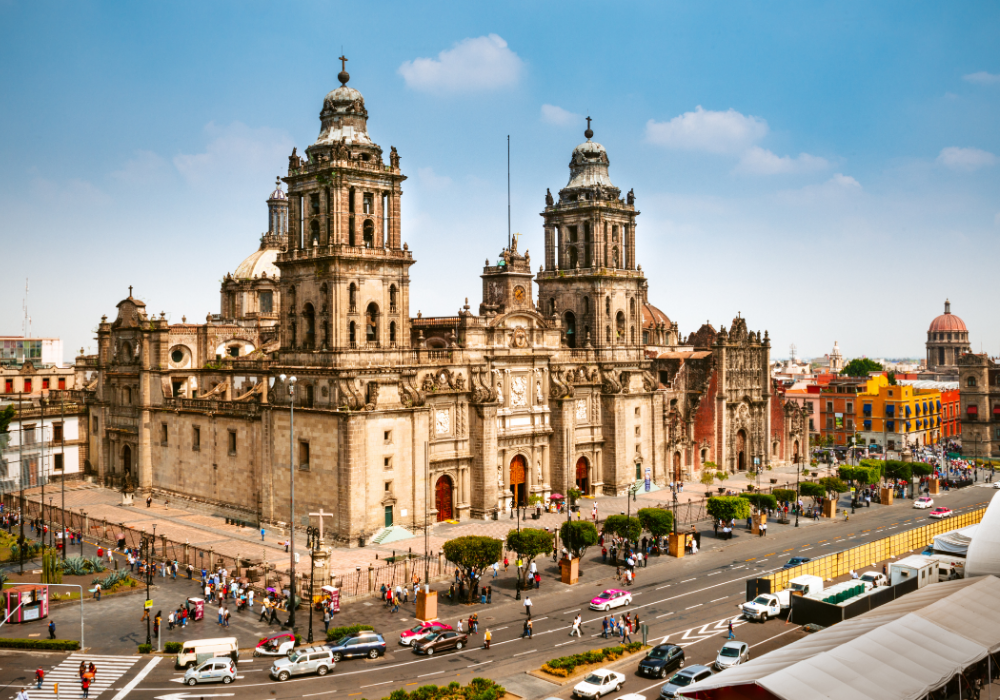
Mexican roots in the U.S. aren’t only about modern immigration stories. Large parts of the American Southwest once belonged to Mexico, which means plenty of families didn’t “arrive” so much as wake up one day on the other side of a border shift.
Mexican ancestry is deeply tied to American identity through food, music, language, labor, and everyday culture. You see it in California, Texas, Arizona, New Mexico, and beyond. It’s not niche. It’s foundational. Even if someone doesn’t speak Spanish anymore, the family stories, recipes, and traditions often stay surprisingly strong across generations.
5. Italy brought big family energy and unforgettable food.
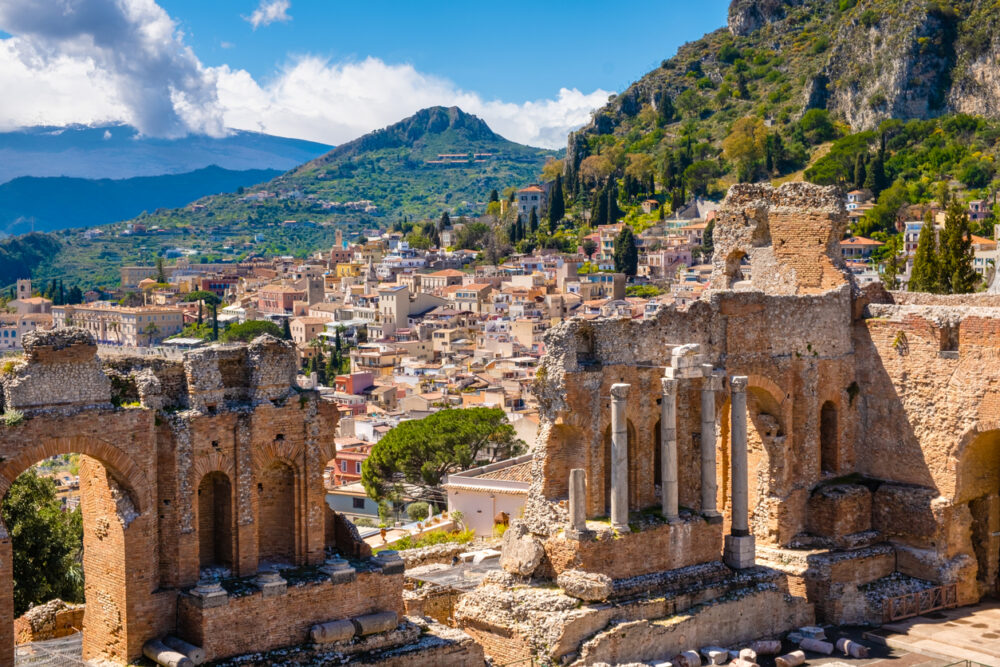
Italian immigration in the late 1800s and early 1900s changed American cities fast. It also changed American dining forever. It’s almost impossible to imagine the U.S. without pizza, pasta, Italian-American bakeries, and Sunday sauce traditions.
Italian ancestry tends to stay visible because it’s tied to strong family identity. People remember the village their grandparents came from, the name changes at Ellis Island, and the loud gatherings where food was basically a love language. Italian communities also shaped neighborhoods in New York, Boston, Philadelphia, and Chicago in ways you can still feel today.
6. Poland built strong communities that lasted for generations.
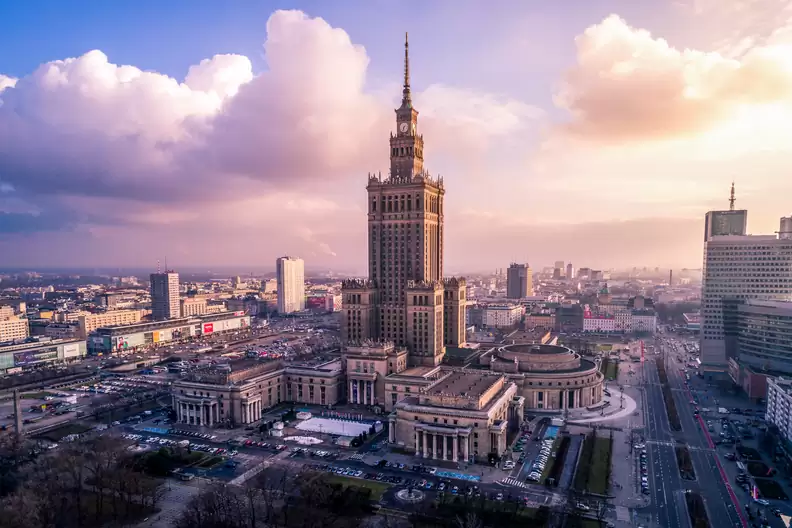
Polish immigration helped shape industrial America, especially in the Midwest and Northeast. You still see its influence in neighborhoods with Polish churches, bakeries, and festivals that feel like time capsules. Polish roots can run deep even when people no longer speak the language.
A lot of Polish-American identity shows up through food and traditions, like pierogi, kielbasa, and holiday customs that stuck around because they were family-centered and easy to carry forward. Polish surnames also tend to stay recognizable, which keeps the ancestry visible. It’s the kind of heritage that doesn’t quietly disappear, it holds its ground.
7. France shaped parts of America more than most people realize.

French ancestry in the U.S. comes in a few different flavors: early colonial presence, Acadian roots, Quebec ties, and Creole culture. Louisiana is the obvious example, but French influence also runs through parts of New England and pockets of the Midwest.
Even if someone doesn’t identify as “French,” the cultural imprint is still visible in place names, architecture, and regional food traditions. The French story in America isn’t one single migration wave. It’s more like a series of interwoven strands. It’s subtle in some places and unmistakable in others, especially where language and Catholic traditions held on longer.
8. Scotland and Wales helped shape early American identity.

Scottish and Welsh roots are often bundled into broader “British Isles” ancestry, but they deserve their own spotlight. Scots-Irish settlers, in particular, influenced Appalachian culture, early frontier life, and the kind of independent streak Americans love to mythologize.
You see it in folk music traditions, storytelling styles, and even the way certain regions talk. Welsh roots show up through mining communities, religious traditions, and surnames that still pop up all over America. These heritages tend to feel quieter than Irish or English because they weren’t always loudly advertised. But they’re woven into the American background like a steady bassline.
9. Canada is an underrated source of American family roots.

Canada doesn’t get mentioned enough in ancestry conversations because it feels too familiar. But a lot of Americans have Canadian roots through migration back and forth, especially along the northern border, and through French Canadian and Indigenous ties.
People forget how fluid the border used to be for families. Moving between Michigan and Ontario or New York and Quebec wasn’t always treated like moving to a different world. It was more like relocating to the next region over. That shared history means plenty of Americans have Canadian ancestors without ever making it part of their identity, even though it’s right there in the family tree.
10. China helped shape American life far earlier than people assume.

Chinese ancestry in America goes back further than many people realize, especially tied to the Gold Rush era and the building of the transcontinental railroad. Despite intense discrimination and exclusion laws, Chinese communities survived, grew, and helped build major American cities.
Chinese-American heritage also expanded through later immigration waves, creating thriving communities in places like California, New York, and beyond. The influence is obvious in food culture, business networks, and bilingual neighborhoods that feel alive and distinct. Chinese roots in America carry both pride and hardship, which makes the heritage feel deeply earned, not just inherited.
11. India has become a major modern root with lasting impact.
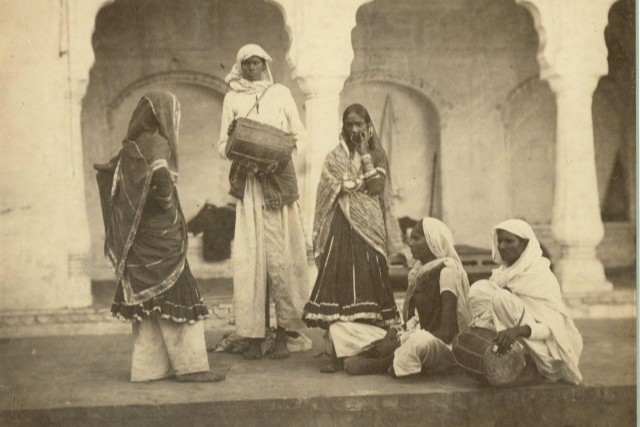
Indian ancestry in the U.S. has grown significantly in more recent decades, and it’s shaping everything from technology and medicine to food culture and education. Indian-American communities are now a major presence in many metro areas, and their influence isn’t subtle anymore.
What stands out is how strongly traditions often remain intact. Language, religious practices, and family structures tend to carry forward even in second-generation households. Indian roots are also tied to a global identity, where people feel connected to both the U.S. and India in a way that feels modern and intentional. It’s one of the most vibrant evolving ancestry stories in America right now.
12. Nigeria reflects a growing and complex American story.
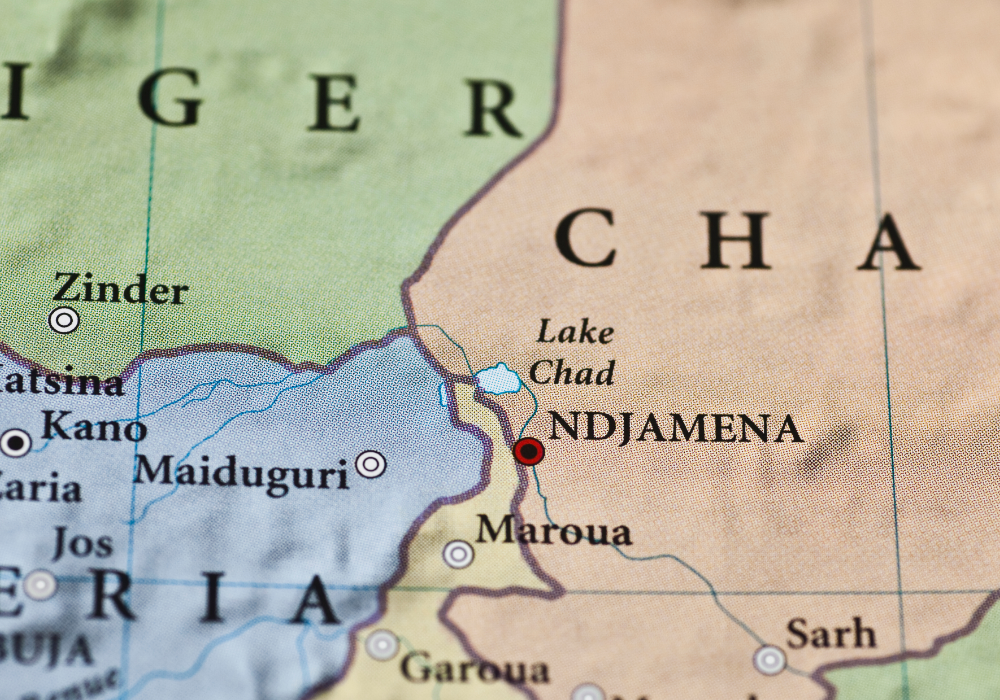
Nigeria is one of the most prominent African origins for many Black Americans today, especially through more recent immigration and cultural connections. It’s also part of a broader conversation about ancestry, identity, and how people reconnect with roots that were disrupted by history.
For some families, Nigerian heritage is a clear line with recent relatives, language, and traditions still close. For others, it shows up through DNA testing and a desire to rebuild a story that was taken away. Nigerian culture has also become highly visible in music, fashion, and social life. It’s ancestry that feels dynamic, current, and still unfolding.