
Astronomers believe these tiny space rocks could reveal hidden clues about Earth, the Moon, and the wider solar system.
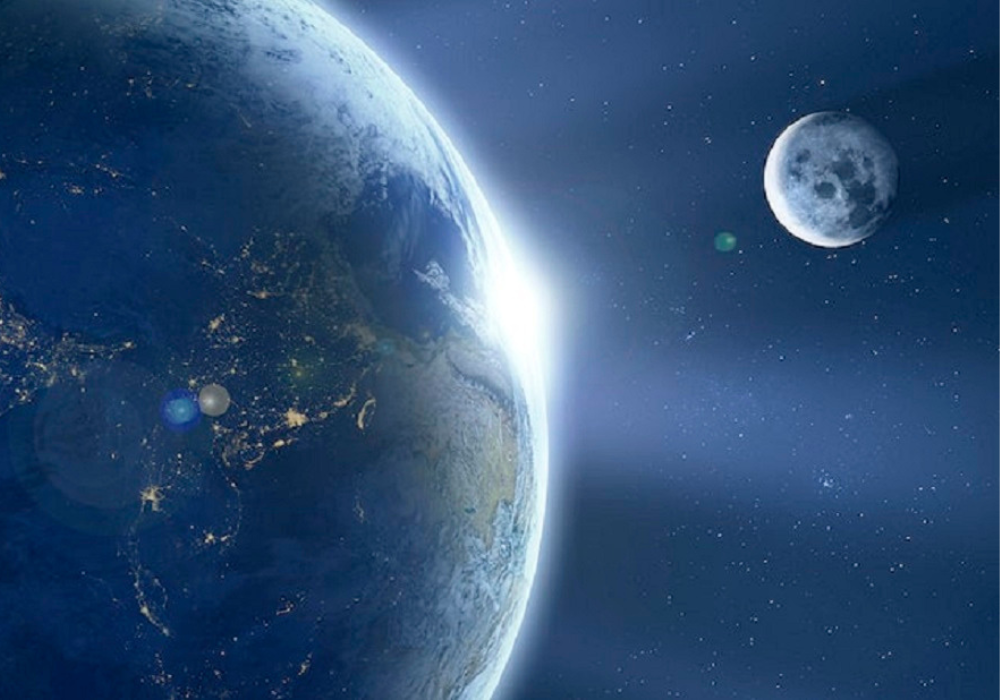
Mini moons are small objects temporarily captured in Earth’s orbit, captivating scientists with their fleeting presence and unique behavior. Unlike the permanent Moon, these temporary satellites provide a natural laboratory to study orbital dynamics, gravitational interactions, and near-Earth objects up close. Researchers analyze mini moons to gain insights into asteroid capture, space debris differentiation, and the early solar system’s formation processes, deepening our understanding of Earth’s cosmic neighborhood.
1. Mini moons provide insight into the early solar system formation.
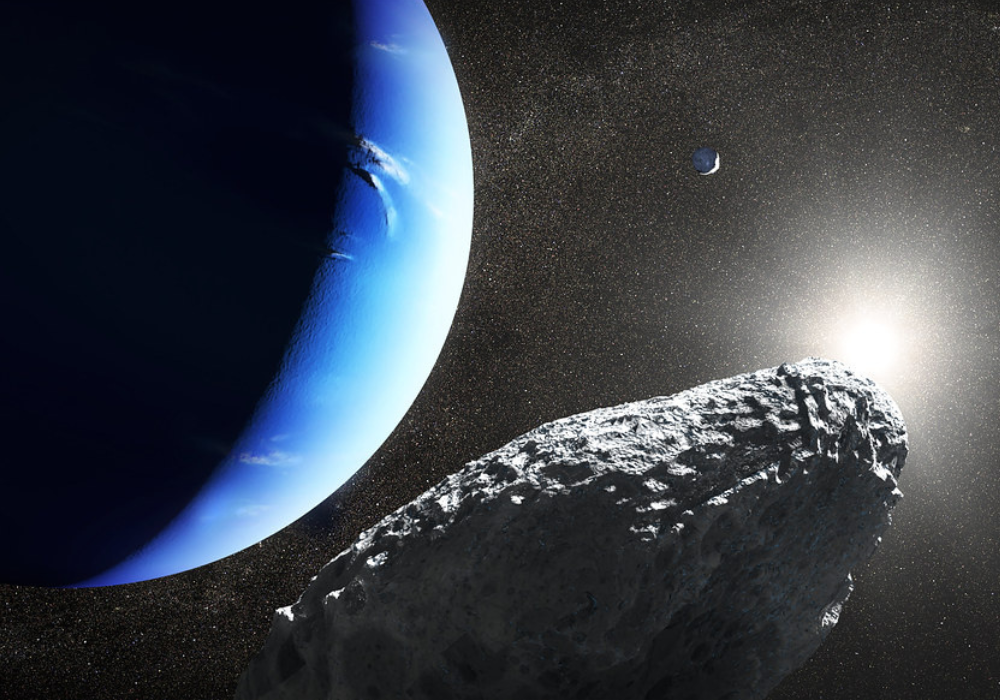
Mini moons, small objects temporarily caught in Earth’s gravitational field, offer valuable clues about the early solar system. Their composition often mirrors that of primordial asteroids, allowing scientists to piece together how these objects formed billions of years ago.
By analyzing mini moons, researchers can gain a clearer picture of the processes that shaped the solar system’s early days. This understanding can lead to insights into the building blocks of planets and help refine models of planetary formation, shedding light on Earth’s own history.
2. Their temporary orbits challenge existing models of celestial dynamics.
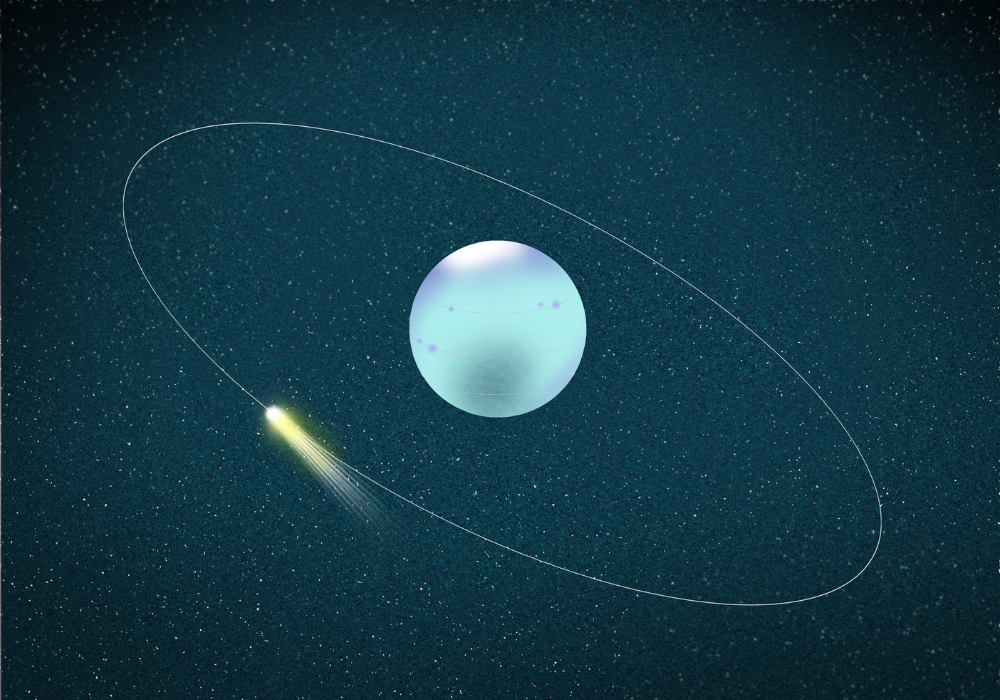
These temporary satellites often travel in highly irregular paths, forcing scientists to rethink conventional celestial mechanics. Traditional models may not fully account for the nuanced gravitational interactions affecting mini moons, challenging researchers to develop more accurate simulations.
The complexities of their orbits provide a testing ground for fine-tuning current models, potentially leading to breakthroughs in understanding gravitational influences in other parts of the solar system. These insights could significantly deepen the scientific community’s knowledge of celestial bodies and their movements.
3. Studying mini moons helps understand asteroid capture processes better.
Examining how mini moons are captured offers valuable data on interactions between Earth’s gravity and passing asteroids. This process sheds light on the conditions necessary for capturing these objects, enhancing our comprehension of near-Earth asteroids.
By studying these capture events, scientists can refine their projections of potential asteroid threats. Additionally, the insights gained contribute to the broader understanding of gravitational capture, informing both theoretical models and practical applications in space exploration.
4. They offer natural laboratories for testing gravitational theories finely.
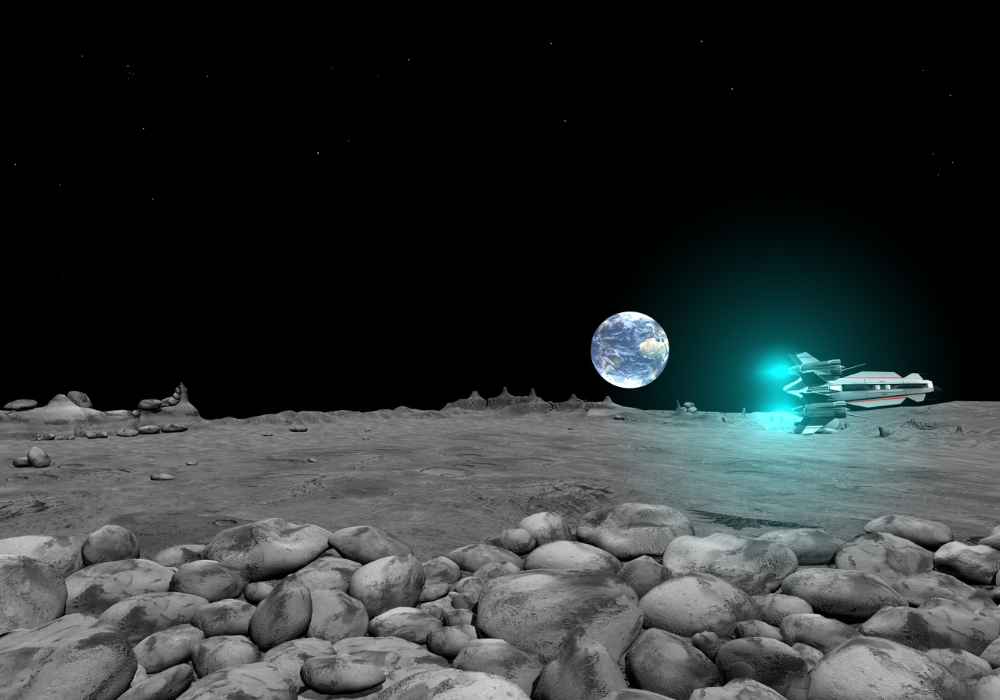
Natural conditions around mini moons provide rich environments for testing gravitational theories. These small bodies, with their unique orbits and interactions, allow scientists to observe gravitational effects in real-time on a manageable scale.
The variability in their orbits enables precise checks against theoretical predictions, fostering advancements in understanding gravitational law. Such experiments deepen our insight into forces that govern not just mini moons but broader celestial phenomena, offering a closer look at gravity’s subtle nuances.
5. Mini moons reveal the complexity of Earth’s near-space environment clearly.
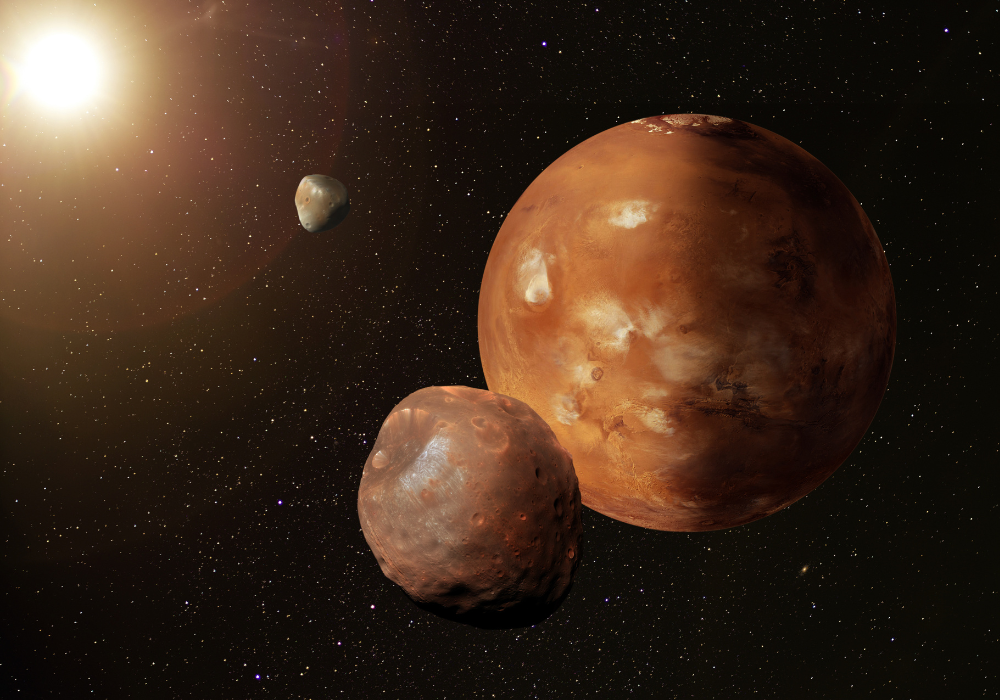
Mini moons paint a multifaceted picture of Earth’s near-space environment, revealing intricate gravitational interactions. They coexist with a complex array of space objects, including satellites and debris, highlighting the intricate dance influenced by Earth’s pull.
Their presence helps illuminate the dynamic space environment surrounding our planet, contextualizing Earth’s placement in this intricate web. Through these insights, scientists can better appreciate the delicate balance affecting all objects in Earth’s vicinity and the broader implications for satellite deployment.
6. They help track how space debris interacts with our planet’s gravity.
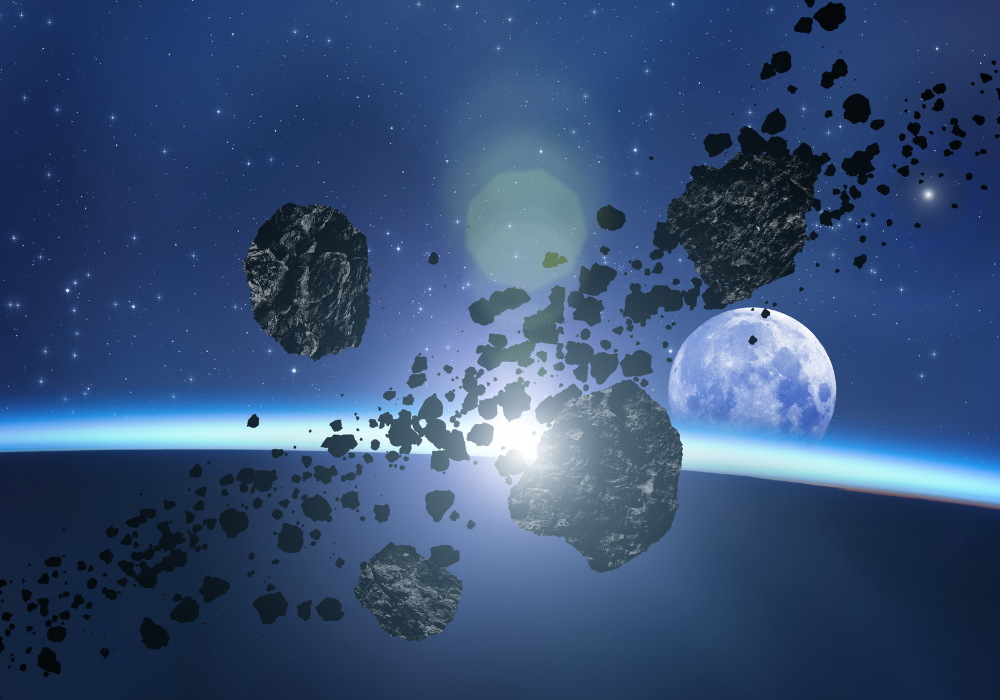
Their orbits paint a real-time picture of how Earth-bound debris behaves when nudged by gravitational forces. As temporary visitors to Earth’s orbit, mini moons help illustrate interactions that also impact space debris pathways and behaviors.
This knowledge contributes valuable data critical to predicting the movements of potentially hazardous debris. Enhanced understanding can guide the development of strategies to manage human-made space hazards, ensuring the long-term safety of both personnel and technology in orbit.
7. Observing mini moons supports improvements in satellite and space safety.
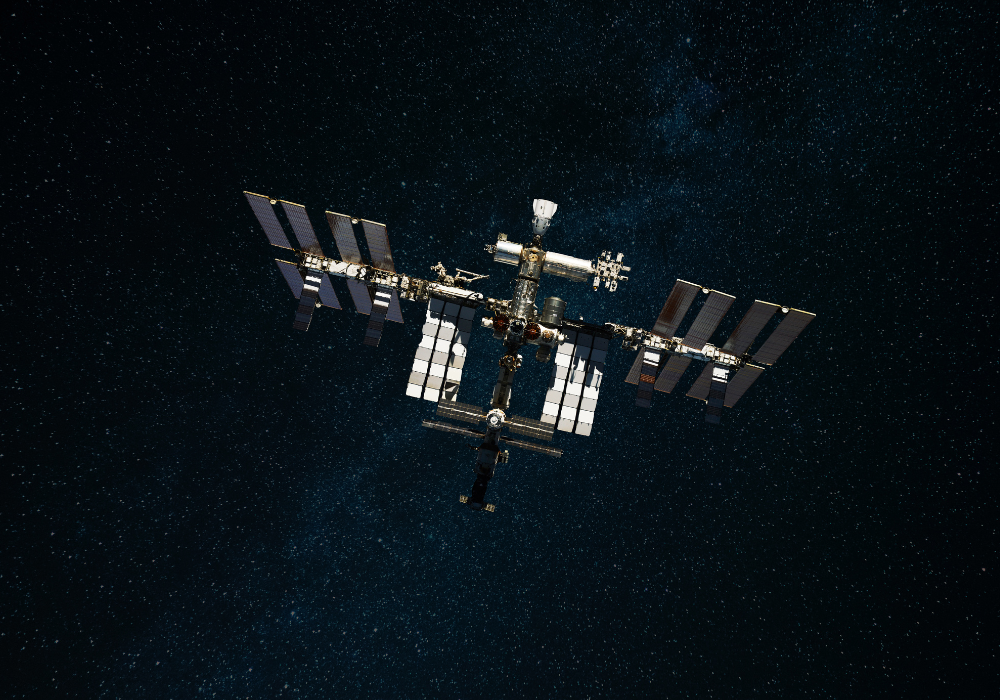
By understanding mini moons’ transience and orbits, scientists can improve predictions about satellite collision risks. Their temporary existence offers valuable data informing satellite path adjustments and collision avoidance strategies.
Insights gained from mini moons inform both current satellite operations and future safety protocols, minimizing the likelihood of space collisions. These advancements ensure a safer space environment, critical as the number of satellites increases and human activity in space continues to expand.
8. They inspire advancements in detecting small, fast-moving objects nearby.

Observing these elusive, fast-traveling bodies sharpens scientists’ techniques for spotting small objects near Earth. Advancements in this area improve the ability to locate and track potentially hazardous objects swiftly.
These improvements in detection capability contribute to planetary defense strategies. Early identification of potential threats allows scientists and policymakers to devise timely interventions, enhancing societal safety and ensuring continued progress in space exploration and observation techniques.
9. Mini moons allow direct study of objects outside typical asteroid belts.
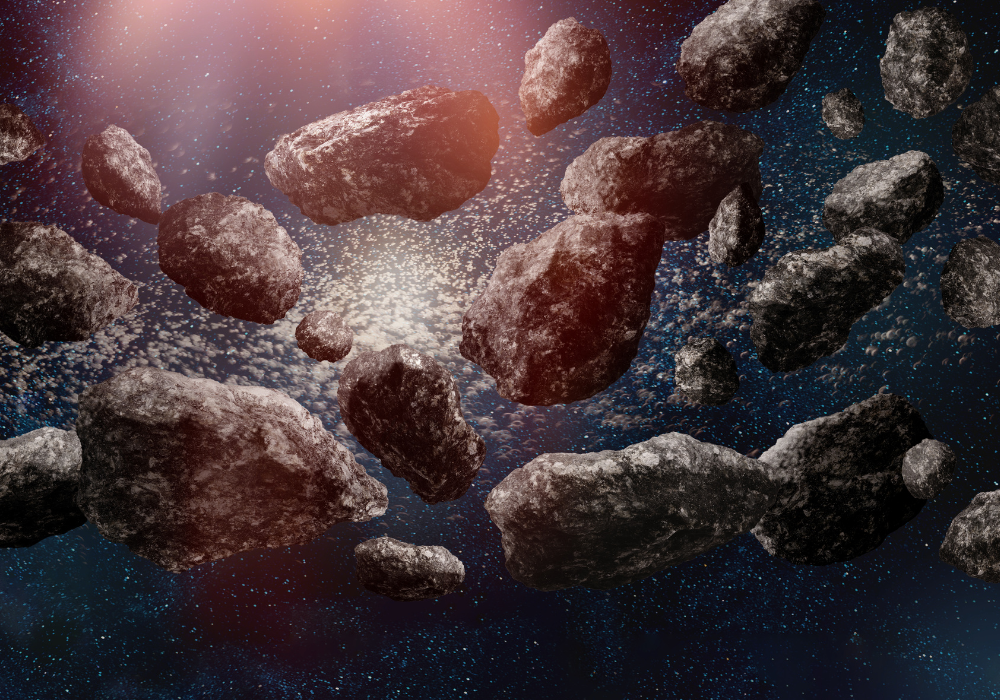
Lacking the long residence of typical asteroids, mini moons offer a unique opportunity for close examination beyond the main belts. They allow researchers to study diverse material compositions rarely accessible in more stable asteroid regions.
This access aids scientists in understanding variations in mineral and surface properties of space bodies. Such studies may illuminate broader trends in asteroid composition, further enriching the narrative of the solar system’s geological diversity and history.
10. Their unpredictable behavior pushes boundaries of current astronomical research.
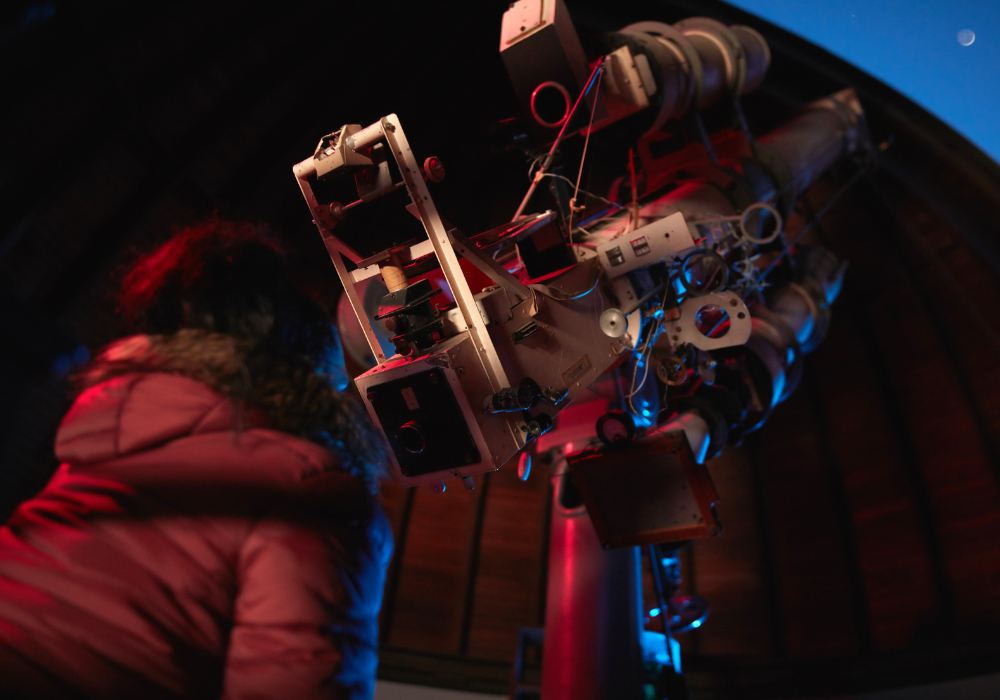
The unpredictable nature of mini moons presents both challenges and opportunities within astronomical research. Their brief stay in Earth’s orbit can introduce new variables and scramble conventional predictive models.
Addressing these uncertainties pushes the boundaries of scientific inquiry, leading to innovative approaches in understanding celestial phenomena. The necessity to revise assumptions or develop new theories due to unexpected behaviors keeps the field dynamic and responsive to the unknown.
11. They shed light on the potential for future resource mining in space.
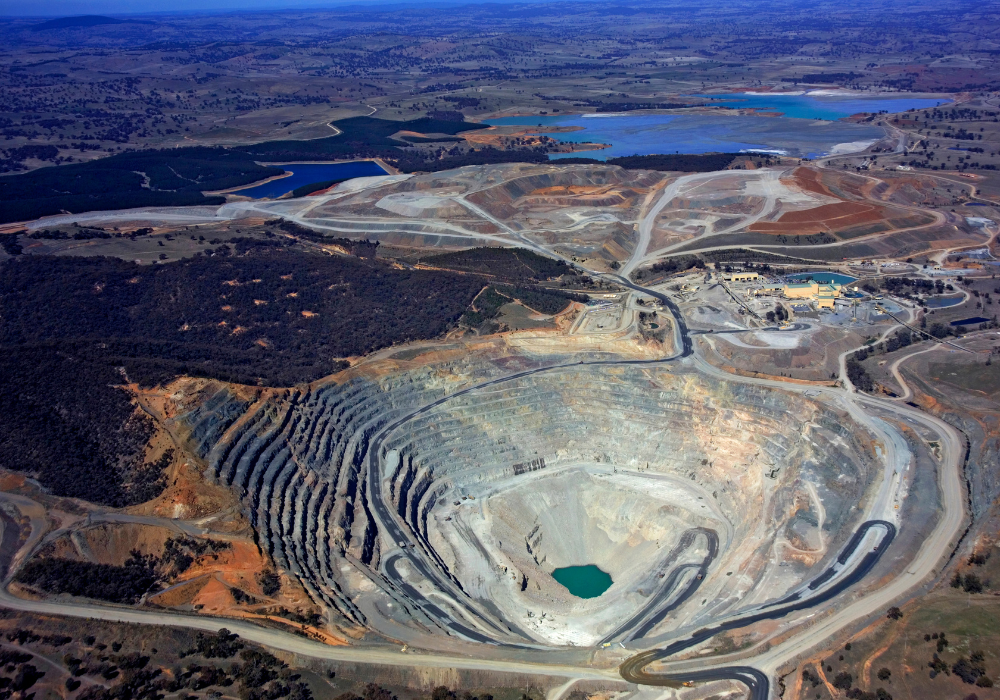
In studying mini moons, experts can gain insights into space resource potential. These transient bodies might hold valuable minerals similar to Earth’s early materials, sparking interest in future space mining ventures.
Understanding their composition and capture processes aids in evaluating the feasibility of extracting resources from space. Such research paves the way for possible exploration of space-based materials, contributing to future endeavors in space economy and sustainability.