
A new global report warns that climate change is driving millions of preventable deaths each year.

A major study from the Lancet Countdown and Inside Climate News reveals that climate change is now causing millions of avoidable deaths worldwide. Rising heat, extreme weather, and worsening air pollution are pushing global health systems to their limits. Researchers say these deaths are not inevitable—they’re the result of inaction and slow adaptation. The report urges governments to treat the climate crisis as a health emergency before the death toll climbs even higher.
1. Scientists Warn Climate Change Is Now a Direct Cause of Death
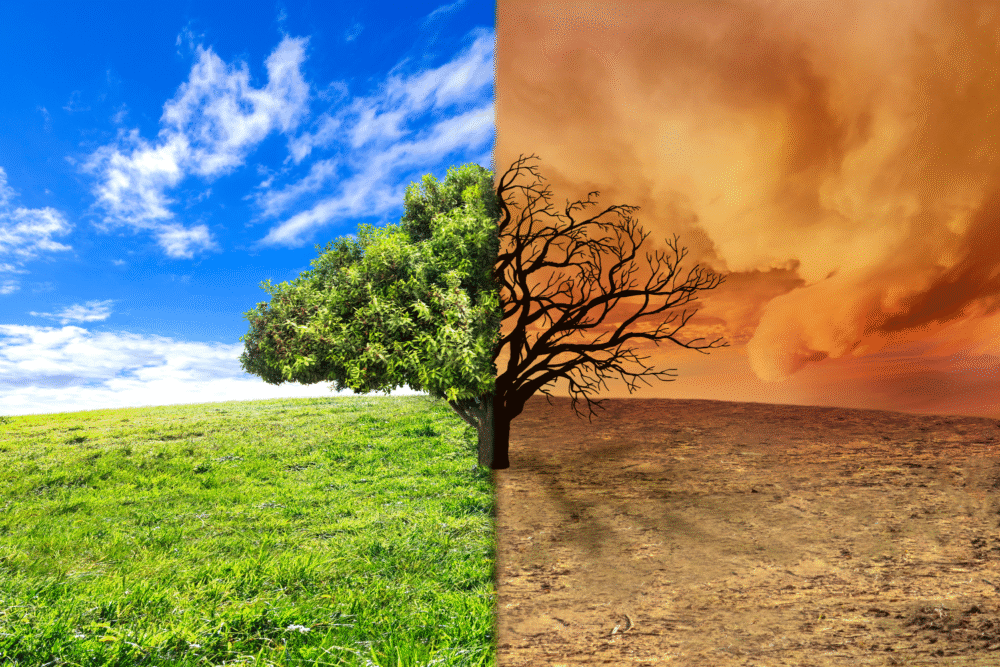
Researchers with the Lancet Countdown report that climate change is no longer a distant health concern—it’s a present-day killer. The rise in global temperatures has intensified heatwaves, worsened air quality, and expanded disease risks in nearly every region of the world.
According to the findings, millions of these deaths could have been prevented through faster emissions cuts and stronger adaptation measures. The report concludes that governments are underestimating the human cost of inaction, allowing climate-related mortality to reach record levels.
2. Heat Exposure Has Become the Deadliest Climate-Linked Threat

Extreme heat is now the leading driver of climate-related deaths. The report found that between 1990 and 2023, heat-related mortality rose by 23 percent globally. As record-breaking temperatures sweep across continents, outdoor workers, older adults, and low-income populations face the greatest danger.
Many countries have no effective heat-response plans or infrastructure to protect their citizens. Without aggressive cooling strategies and public health interventions, experts warn that annual death tolls will continue to rise dramatically in the coming decades.
3. Air Pollution Is Claiming Millions of Lives Each Year
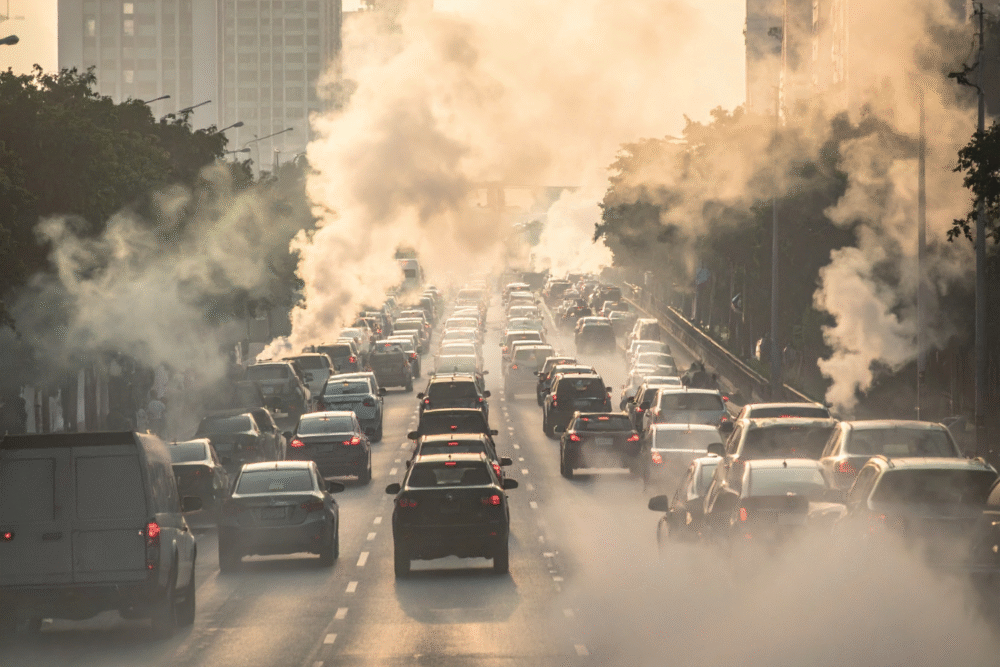
Worsening air quality—fueled by fossil fuel combustion and wildfire smoke—has become one of the most pervasive health threats of our time. The study estimates that pollution from burning coal, oil, and gas causes millions of premature deaths annually.
Fine particulate matter (PM2.5) penetrates deep into the lungs and bloodstream, contributing to heart disease, respiratory illness, and stroke. Researchers say that cutting fossil fuel use could rapidly reduce these deaths, providing immediate health benefits even before long-term climate targets are met.
4. Infectious Diseases Are Spreading as the Planet Warms

As temperatures rise, mosquito-borne diseases such as dengue, malaria, and Zika are expanding into new territories. Warmer conditions create ideal breeding environments for vectors, exposing populations that have never faced these infections before.
The Lancet Countdown notes that climate-sensitive diseases are appearing at higher altitudes and latitudes each year. Health systems in these regions are often unprepared, making outbreaks more difficult to contain. Scientists warn that failing to anticipate these shifts could trigger major public health crises in the near future.
5. Droughts and Floods Are Undermining Global Food Security

Extreme weather events linked to climate change are disrupting agriculture and food supply chains. Droughts destroy crops, while floods wash away fertile soil and contaminate water sources. Together, they are contributing to rising hunger and malnutrition.
The report highlights that children are particularly vulnerable, with millions facing stunted growth due to food shortages. Researchers say that protecting food security now requires both emissions cuts and climate-resilient farming—without these measures, famine risk will increase in already fragile regions.
6. Displacement and Migration Are Becoming Health Emergencies

Climate-related disasters have forced tens of millions of people from their homes, creating new waves of displacement. Many end up in overcrowded shelters or temporary camps with limited access to clean water, sanitation, and healthcare.
The Lancet Countdown identifies migration as both a humanitarian and public health crisis. Displaced families face higher risks of infectious disease, malnutrition, and mental health strain. Experts stress that climate adaptation must include health infrastructure for displaced populations, not just emergency relief.
7. Older Adults Face the Highest Mortality Risk

Older adults are disproportionately affected by climate-related health impacts, especially during heatwaves. The report found that elderly populations experience the steepest rise in mortality when temperatures spike, often due to preexisting conditions and limited mobility.
Air conditioning, cooling centers, and community outreach can save lives, yet many seniors lack access to these resources. With aging populations growing worldwide, researchers warn that protecting older adults from extreme heat should be treated as a global health priority.
8. Economic Inequality Deepens Climate-Health Impacts
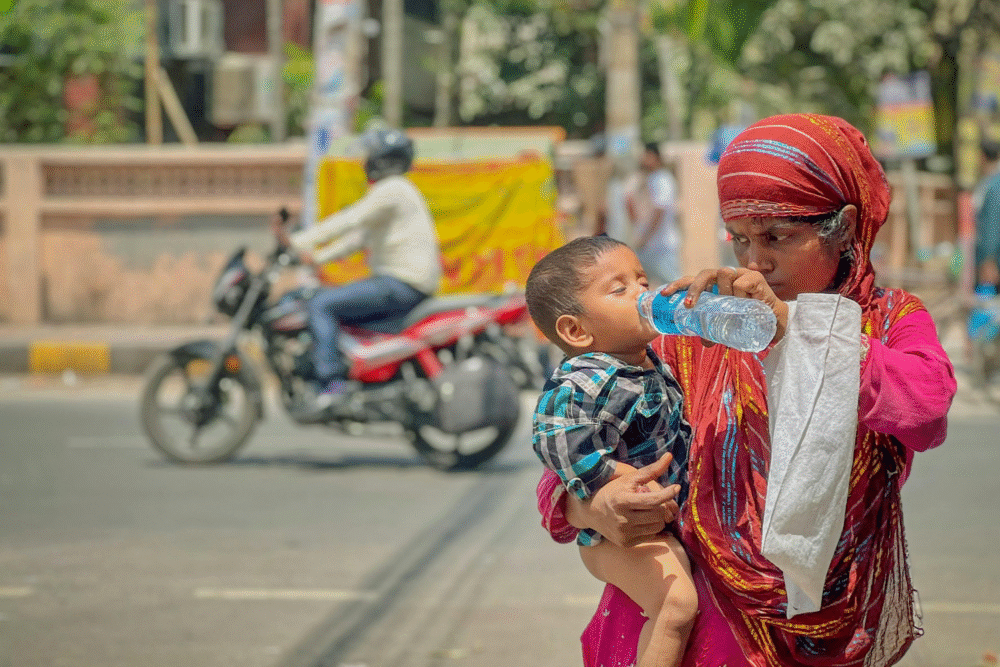
The study shows that the world’s poorest communities bear the greatest burden of climate-related illness and death, despite contributing the least to the problem. In regions with weak healthcare systems, extreme weather can overwhelm hospitals and lead to preventable fatalities.
Wealthier nations, by contrast, have more resources to protect their citizens through early-warning systems and emergency response networks. Oxfam and Lancet researchers both emphasize that climate change is magnifying inequality—turning an environmental crisis into a moral one.
9. Health Systems Are Struggling to Keep Up

Hospitals and clinics around the world are being pushed beyond capacity by overlapping crises—heat injuries, smoke inhalation, infectious outbreaks, and storm-related trauma. The Lancet Countdown warns that few health systems are adequately prepared.
Many facilities lack backup power, cooling systems, or sufficient staffing during extreme events. Public health experts call for investment in “climate-smart” healthcare infrastructure—facilities designed to withstand disasters, reduce emissions, and continue serving patients even under severe environmental stress.
10. Cutting Emissions Could Prevent Millions of Deaths
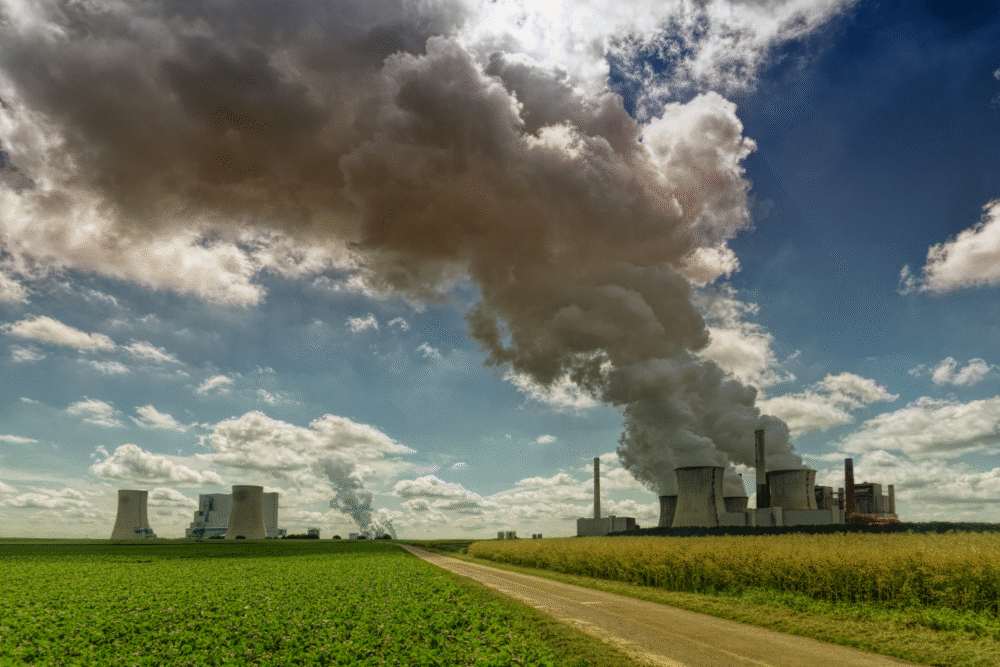
The most encouraging finding from the report is that these deaths are largely preventable. Rapid reductions in greenhouse gas emissions would immediately lower air pollution, heat exposure, and disease risks worldwide.
Researchers stress that every tenth of a degree matters—each small cut in warming saves lives. Transitioning to renewable energy, improving urban design, and phasing out fossil fuels could prevent millions of premature deaths over the next few decades while improving global quality of life.
11. Climate Action Is Now a Global Health Imperative

The Lancet Countdown concludes that addressing climate change is no longer just about protecting the environment—it’s about saving human lives. The report urges policymakers to frame climate policy as public health policy.
Investing in clean energy, sustainable transport, and resilient healthcare systems could dramatically reduce mortality. Scientists behind the report say that with each year of delay, the number of avoidable deaths will rise. The message is clear: fighting climate change is the most powerful form of disease prevention the world has.