
A little-noticed change is setting off consequences few people are prepared for.

For a while, health insurance felt unusually stable. Once people were enrolled, coverage often renewed automatically, and many assumed that meant they were safe. That sense of security lingered even as emergency rules quietly expired in the background.
What followed wasn’t a single cutoff or headline moment. It was a slow return to paperwork, deadlines, and eligibility reviews—steps that millions of families hadn’t dealt with in years. For many, the change went unnoticed until something went wrong.
Slide by slide, this story explains how millions have already lost coverage, why the fallout is still unfolding, and how ordinary families are getting caught in the gaps.
1. When coverage stopped requiring attention
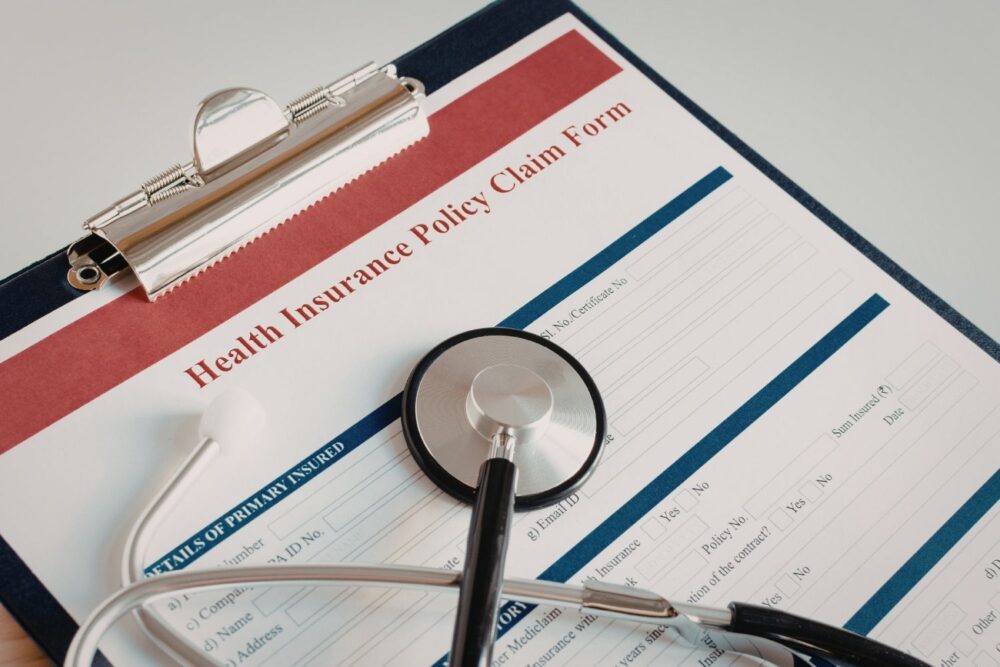
During the pandemic, Medicaid rules were temporarily changed so people wouldn’t lose coverage during a public health crisis. Once enrolled, most people stayed enrolled, even if their circumstances changed.
Over time, that stability felt permanent. Families scheduled appointments, filled prescriptions, and built care routines without thinking about renewals. Few realized those protections were tied to emergency policies that were always meant to end.
2. The system quietly turns back on

Starting in 2023, states resumed normal Medicaid eligibility checks, a process often called redetermination. This meant millions of cases had to be reviewed again, many for the first time in years.
Notices were mailed, forms were required, and deadlines returned. The shift wasn’t dramatic or well-publicized, but it immediately began changing who stayed covered and who didn’t.
3. Losing coverage without losing eligibility

A large share of people who lost Medicaid were still eligible. Their coverage ended because paperwork wasn’t completed on time or notices never reached them.
Moves, job changes, and outdated contact information all played a role. In many cases, people didn’t realize they were uninsured until a pharmacy rejected a prescription or a doctor’s office flagged a problem.
4. Confusion replaces clarity

When coverage ended, many people didn’t know what to do next. Some assumed they were permanently ineligible. Others believed new plans would be unaffordable.
The marketplace offered options, but navigating enrollment windows and subsidies required time and information many didn’t have. Confusion became one of the biggest drivers of remaining uninsured.
5. Costs change the meaning of “coverage”

For those who did transition to private plans, coverage often came with higher premiums and large deductibles. Insurance existed, but using it felt risky.
Families began delaying care, skipping specialists, or rationing medications. The shift wasn’t just about losing insurance—it was about losing affordable access to care they once relied on.
6. Children fall through administrative cracks

Children were especially vulnerable to coverage gaps. Many still qualified for Medicaid or CHIP, but paperwork delays caused interruptions.
Even short gaps mattered. Missed checkups, delayed vaccines, and postponed dental visits became common. Parents often assumed schools or clinics would intervene, not realizing how much responsibility now rested on them.
7. Why the effects are still showing up

Although most states completed the initial unwinding by 2024 or 2025, the effects didn’t end there. Coverage churn continued as renewals returned to normal cycles.
Families who barely made it through one renewal now face another. The system’s weak points—complex rules and strict deadlines—remain in place, continuing to push people out unintentionally.
8. Rural and low-income areas feel it first

Communities with fewer clinics and less administrative support are hit hardest. Losing coverage in these areas can mean losing access entirely.
Limited transportation, unreliable internet, and fewer enrollment helpers make re-enrollment harder. These barriers quietly widen health gaps that already existed long before the unwinding began.
9. Hospitals see the downstream impact

Clinics and hospitals report more uninsured patients arriving for care they delayed too long. Emergency rooms become default providers once preventive care disappears.
This strains health systems and raises costs for everyone. What begins as an individual paperwork issue grows into a community-wide challenge.
10. What people can still do now

Many coverage losses can be reversed. Updating contact information, completing renewals, and checking marketplace eligibility can restore insurance.
Community health centers and enrollment navigators can help, but only if people know to look for them. Awareness often determines whether coverage is regained or lost for months.
11. What this moment reveals

This period has exposed how fragile health coverage can be, even for people who followed the rules. Stability depended on systems most people never had to see.
As coverage churn continues, the lesson is clear: losing insurance doesn’t always mean losing eligibility. Often, it means losing track of a system that quietly moved on.