
From teenagers to scientists, these activists are proving that one person really can make a global difference.

Around the world, a new generation of climate activists is redefining what it means to take action. Some plant trees and restore ecosystems. Others organize protests, design clean technologies, or challenge governments to act faster. What they share is determination — and proof that individual choices can drive massive change. From Kenya to Iceland to the United States, these 12 activists are reshaping the conversation around climate justice and sustainability. Their stories show that you don’t need fame or funding to fight for the planet — just courage, creativity, and persistence.
1. Greta Thunberg: The Voice That Sparked a Global Movement

At just 15, Swedish activist Greta Thunberg began skipping school to protest outside her parliament, demanding action on climate change. Her simple act grew into “Fridays for Future,” a youth-led movement that has mobilized millions across more than 150 countries.
Thunberg’s clear, uncompromising message — “listen to the science” — has pressured world leaders to address climate inaction. Her speeches before the United Nations and parliaments worldwide turned climate urgency into a global conversation, showing that one young voice can disrupt power and ignite change.
2. Vanessa Nakate: Centering African Voices in the Climate Debate
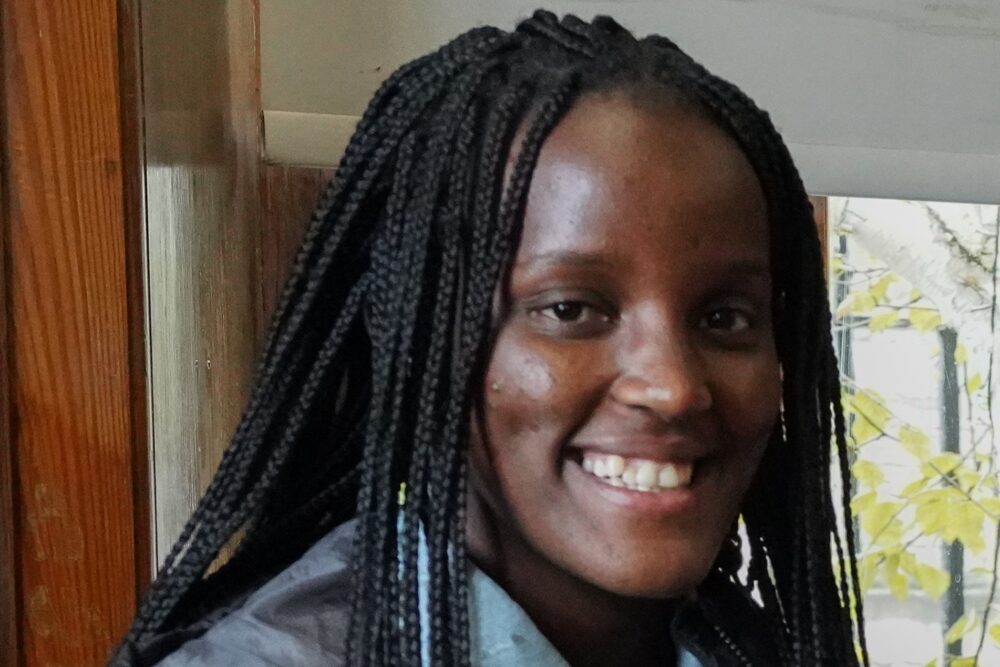
Ugandan activist Vanessa Nakate founded the Rise Up Movement to amplify African perspectives on climate justice. She advocates for renewable energy, reforestation, and education projects across the continent, focusing on the communities most affected by rising temperatures and droughts.
Nakate has become a leading voice against climate inequality, reminding the world that Africa contributes least to global emissions yet suffers some of the harshest impacts. Her work reframes the climate crisis as a moral and human issue — one that demands fairness and inclusion, not just technology.
3. Xiuhtezcatl Martinez: Bridging Activism and Art
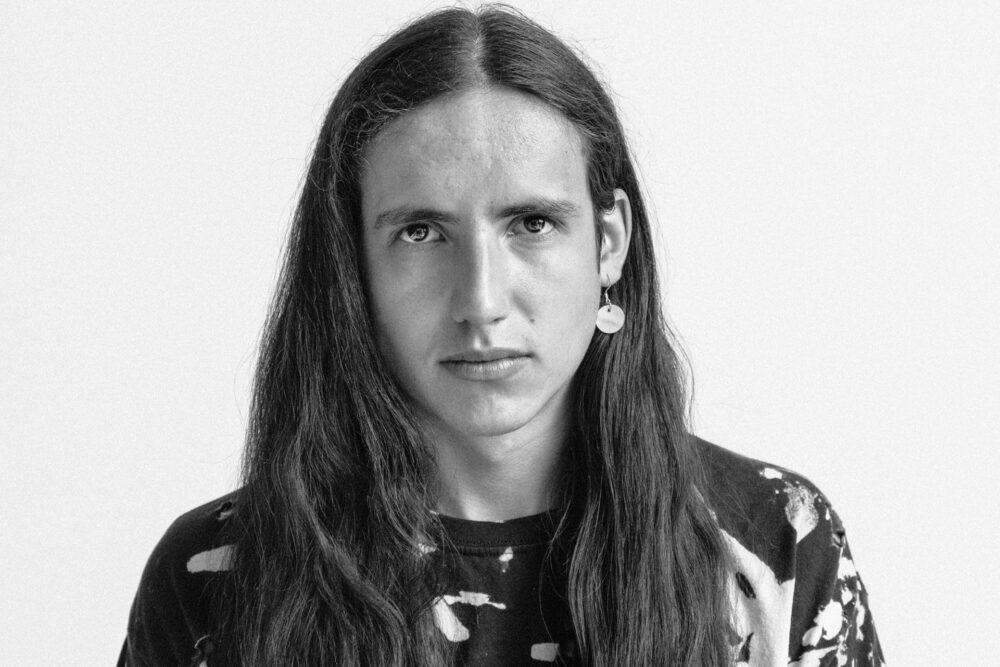
An Indigenous climate advocate and hip-hop artist from Colorado, Xiuhtezcatl Martinez uses music to engage young people in environmental justice. A leader in Earth Guardians since childhood, he has addressed the United Nations multiple times about the need for bold, systemic action.
Martinez connects cultural identity and creativity to activism, blending traditional wisdom with modern advocacy. Through his lyrics, public speaking, and youth organizing, he empowers a generation to see climate action not as protest alone, but as cultural expression and resilience.
4. Leah Thomas: Founder of the Intersectional Environmentalist Movement
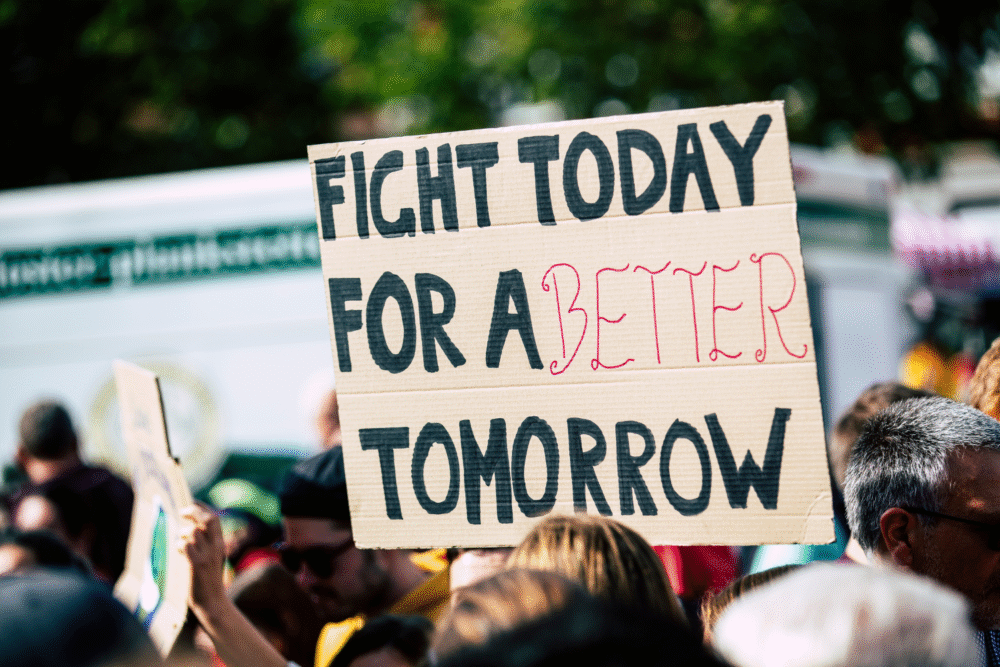
Leah Thomas, an environmental educator and writer, launched the “Intersectional Environmentalist” platform in 2020 to connect environmental issues with social justice. Her movement emphasizes that protecting the planet also means addressing inequality, racism, and community well-being.
Thomas’s work reframed environmentalism as inclusive, accessible, and relevant to everyone — not just scientists or policymakers. By creating a space where activism meets equity, she’s helping shape a new era of environmental thought that values diversity as a cornerstone of sustainability.
5. Autumn Peltier: The Water Protector from Canada
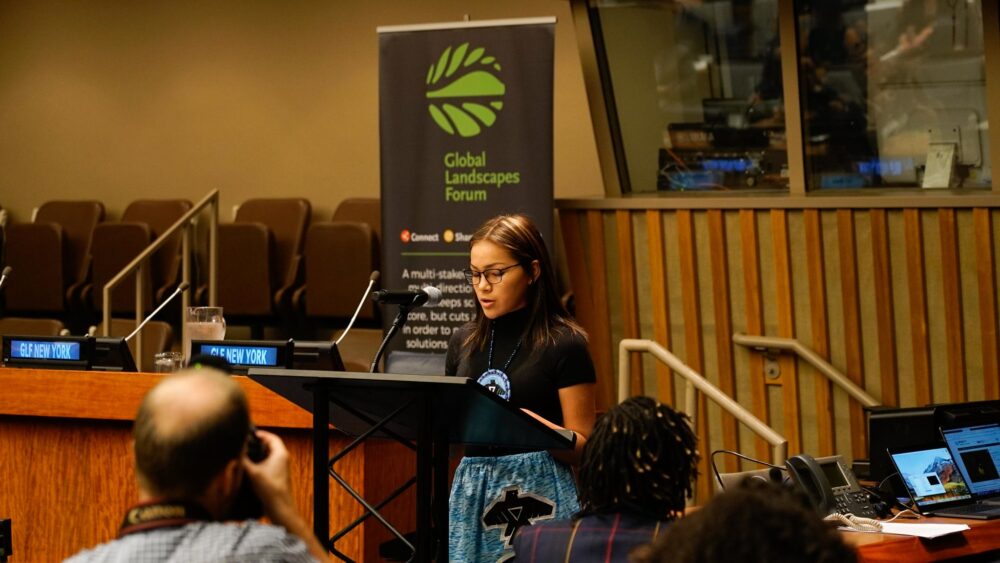
Autumn Peltier, from the Wiikwemkoong First Nation in Ontario, has been advocating for clean water rights since she was eight years old. Known as the “water protector,” she has spoken before the United Nations and the Assembly of First Nations, demanding legal recognition of water as a human right.
Her activism highlights the deep connection between Indigenous stewardship and environmental protection. Peltier’s message is both simple and profound: safeguarding water means safeguarding life. Her leadership continues to inspire Indigenous youth across North America to defend their natural heritage.
6. Jerome Foster II: The Youngest Member of the White House Climate Team
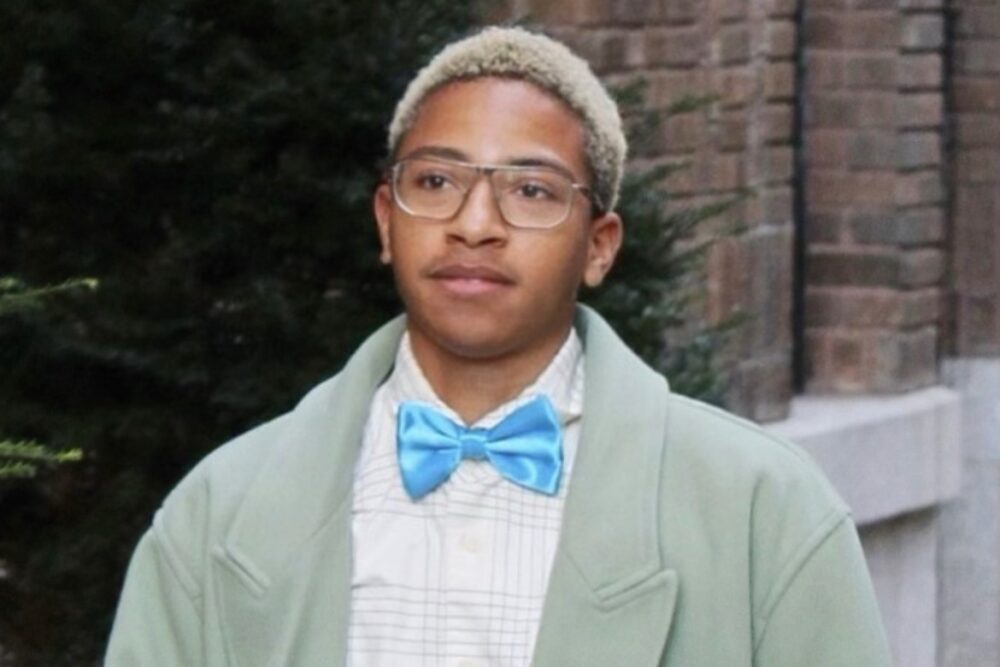
Jerome Foster II began organizing climate strikes in Washington, D.C., before becoming an adviser on the White House Environmental Justice Advisory Council. As one of the youngest national policy voices, he champions climate action rooted in science, technology, and social equity.
Foster’s work bridges grassroots activism and institutional change. He uses both digital tools and direct advocacy to hold leaders accountable, proving that youth engagement can influence even the highest levels of government. His message to young people: policy is power — use it.
7. Helena Gualinga: Protecting the Amazon and Indigenous Lands
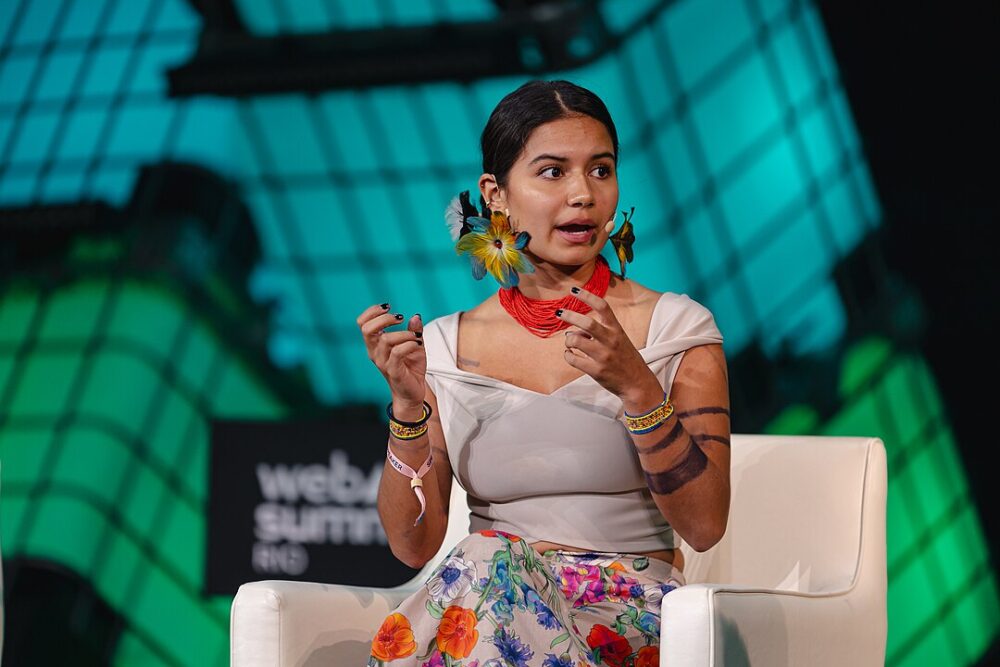
Helena Gualinga, an Indigenous activist from Ecuador’s Kichwa Sarayaku community, fights against oil extraction and deforestation in the Amazon rainforest. Her advocacy brings attention to how corporate and political decisions threaten Indigenous sovereignty and global biodiversity.
She co-founded “Polluters Out,” a youth movement calling for fossil fuel companies to be excluded from climate negotiations. Gualinga’s work underscores the idea that Indigenous communities are not just victims of climate change — they’re frontline defenders of the planet’s most vital ecosystems.
8. Katharine Hayhoe: The Scientist Who Speaks to Everyone
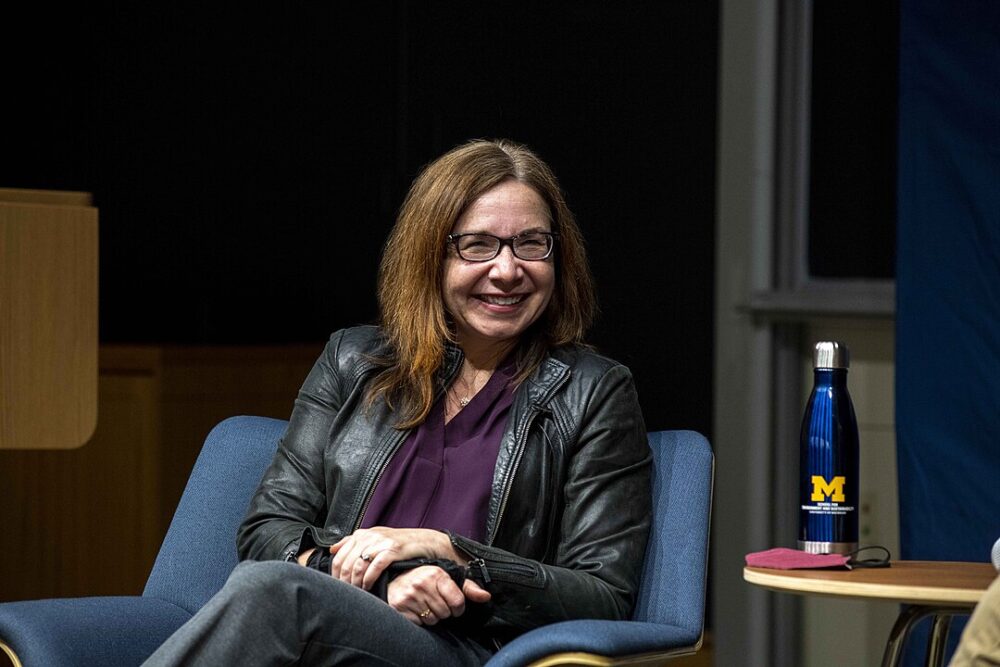
Dr. Katharine Hayhoe, a Canadian climate scientist and communicator, is known for making complex climate data understandable — and for reaching audiences who might otherwise tune out. As chief scientist for The Nature Conservancy, she bridges science and faith, engaging communities across political divides.
Hayhoe’s philosophy is simple: start with shared values. By connecting climate solutions to health, faith, and family, she’s proven that empathy and evidence can coexist. Her TED Talks and public lectures have helped millions grasp not just the science, but the urgency of acting on it.
9. Hindou Oumarou Ibrahim: Merging Traditional Knowledge and Modern Science
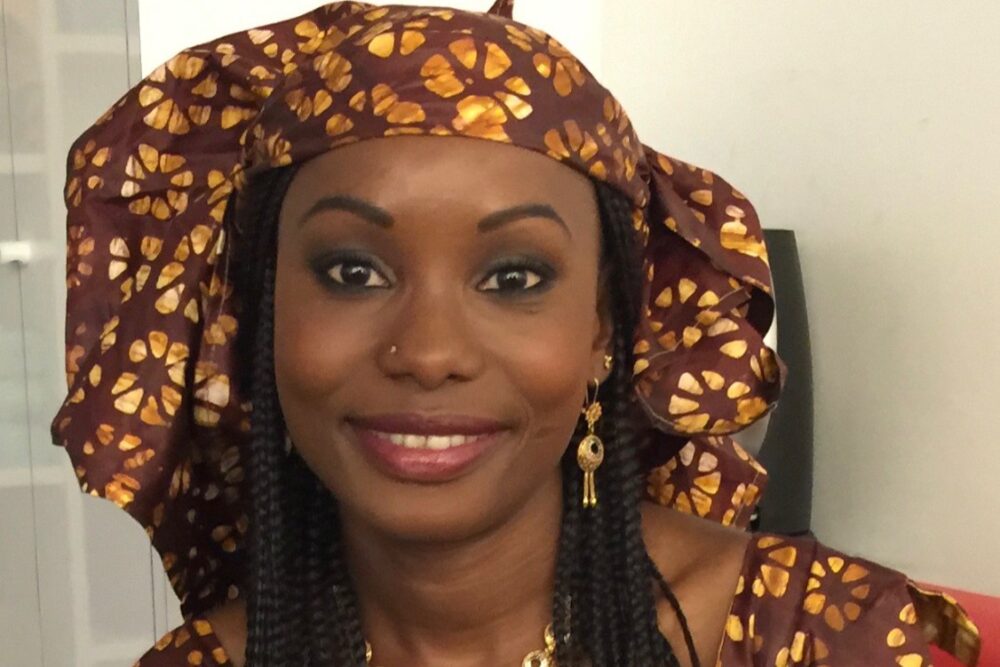
From Chad’s Mbororo pastoralist community, Hindou Oumarou Ibrahim advocates for Indigenous knowledge as a key tool in climate adaptation. She’s worked with the United Nations and environmental organizations to integrate traditional mapping and weather forecasting into modern climate strategies.
Her message is clear: Indigenous communities have centuries of experience living sustainably with nature. By elevating their voices, Ibrahim is helping shape more inclusive and effective climate policies that combine ancestral wisdom with technological innovation.
10. Ayisha Siddiqa: The Poet-Activist of the Climate Justice Movement
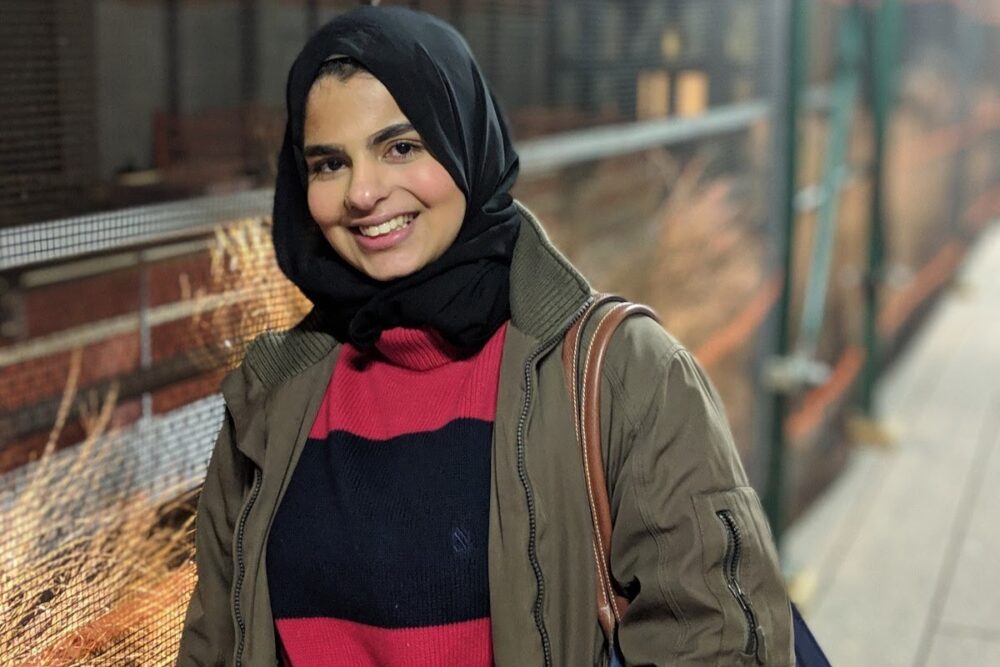
Ayisha Siddiqa, a Pakistani-American activist and poet, co-founded Polluters Out alongside Helena Gualinga. Her work fuses art and activism, using storytelling to make climate injustice personal and emotionally resonant.
Siddiqa’s poetry connects environmental destruction to human suffering and moral responsibility. She represents a new generation of climate leaders who use creativity, culture, and empathy to mobilize people around the world — especially those who feel disconnected from traditional forms of activism.
11. Elizabeth Wathuti: The Tree Planter Transforming Kenya
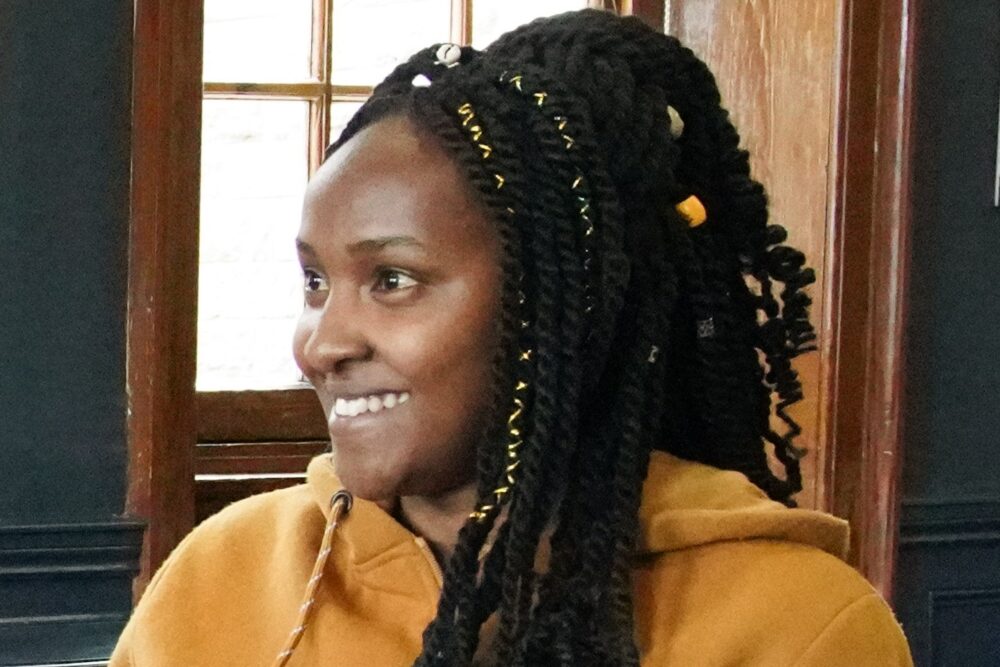
Kenyan environmentalist Elizabeth Wathuti founded the Green Generation Initiative, which has planted tens of thousands of trees and educated youth about conservation. Her passion for nature began early, inspired by environmental icon Wangari Maathai.
At the 2021 UN Climate Summit, Wathuti moved world leaders with a plea for compassion and action as droughts devastated her country. Her approach is deeply community-based, proving that local environmental work can ripple outward into global impact — one tree, one student, one act of hope at a time.
12. John Paul Jose: A Voice for Rural India and the Global South
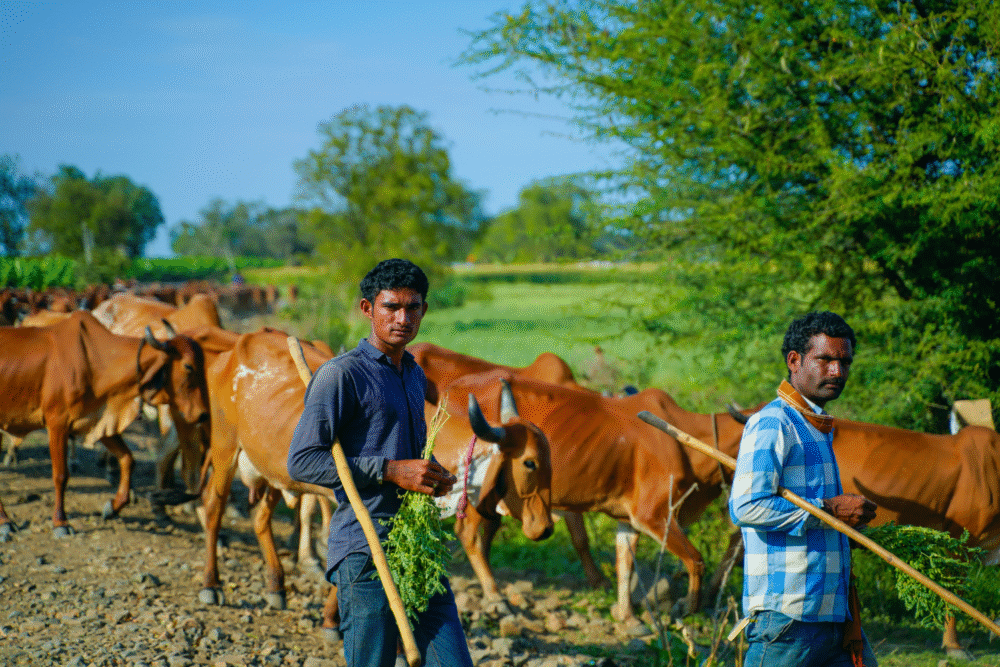
Indian activist John Paul Jose speaks on behalf of rural and coastal communities hit hardest by climate change. His work emphasizes the intersection of poverty, development, and environmental protection, urging global leaders to recognize the unequal burdens of the crisis.
Jose uses public forums and international youth networks to amplify stories from the Global South, where climate damage is already reshaping livelihoods. His advocacy reminds the world that solving climate change isn’t just about technology — it’s about justice, empathy, and listening to those on the front lines.