
Researchers uncover evidence of an Earth-like past hidden beneath Mars’s red dust.
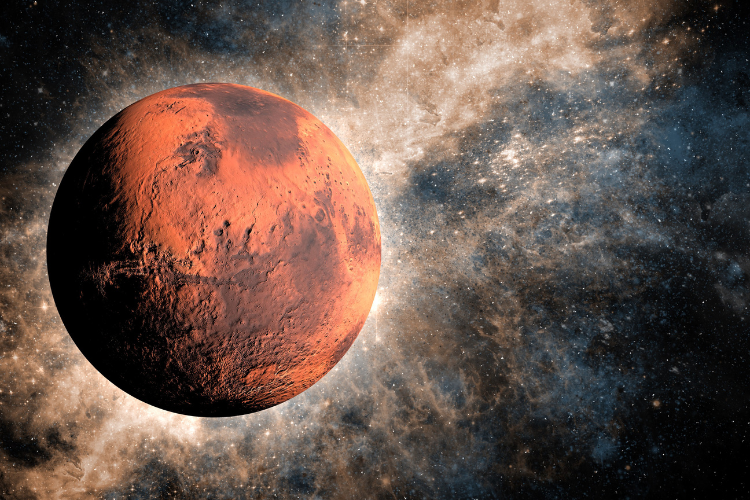
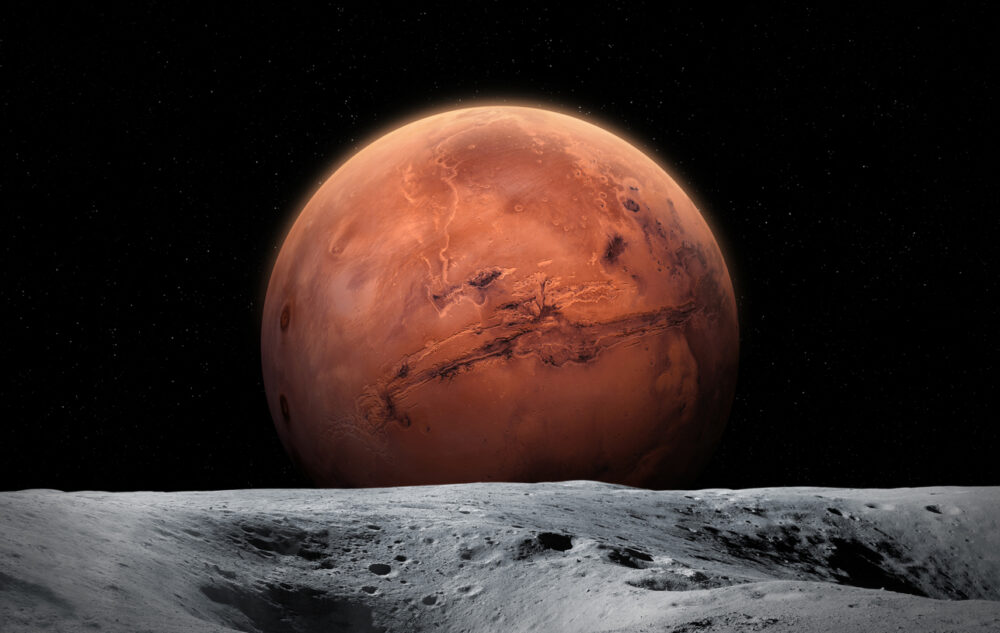
A new analysis of Martian rocks has strengthened the case that Mars was once a planet much like Earth. Researchers studying data from NASA’s Curiosity and Perseverance rovers found clear signs of long-lost rivers, lakebeds, and minerals formed in water. These findings suggest that billions of years ago, Mars had a thicker atmosphere, a milder climate, and possibly the right conditions for microbial life. Though the planet is now a frozen desert, its geological record preserves a story of an Earth-like past.
1. Mars Once Had Flowing Rivers and Lakes
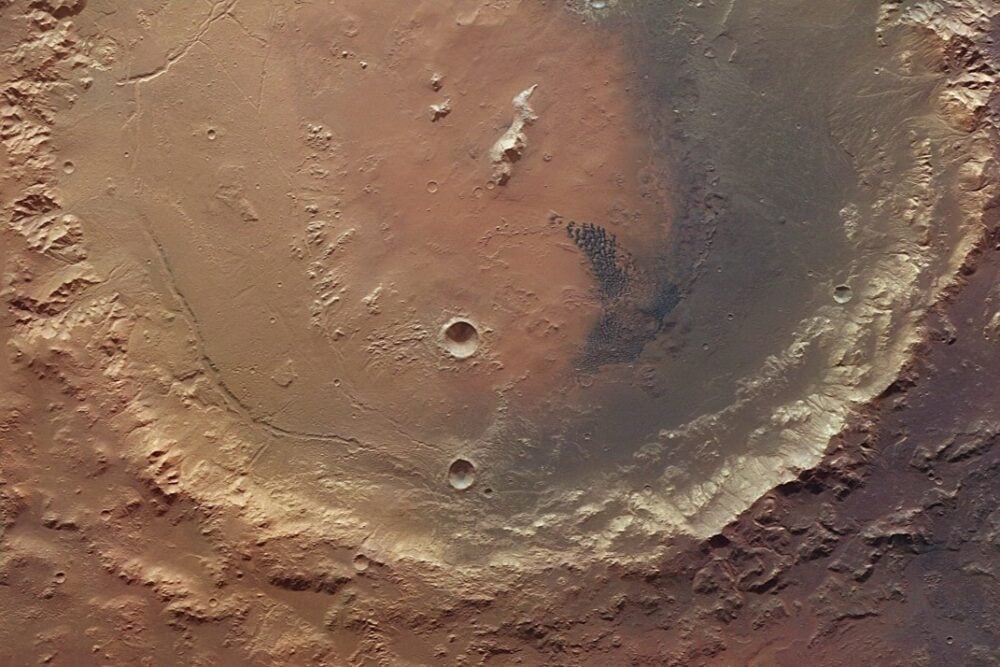
Satellite imagery and rover data reveal ancient channels and deltas carved by flowing water. These formations, visible from orbit, stretch for hundreds of miles across the Martian surface.
Sedimentary layers found by the Curiosity rover in Gale Crater confirm that water once pooled in lakes for extended periods. The shapes and layering of these rocks are nearly identical to river and lake deposits found on Earth.
2. The Planet’s Atmosphere Was Thicker in the Past
Scientists believe that early Mars had a dense carbon dioxide atmosphere, capable of trapping heat and maintaining surface water. Evidence from isotopes in Martian air trapped in rock samples supports this idea.
Over billions of years, solar wind stripped much of that atmosphere away. As pressure dropped, liquid water became unstable and evaporated, transforming Mars from a wet, temperate world into the cold, arid planet we see today.
3. Minerals Formed Only in Water Provide Key Evidence
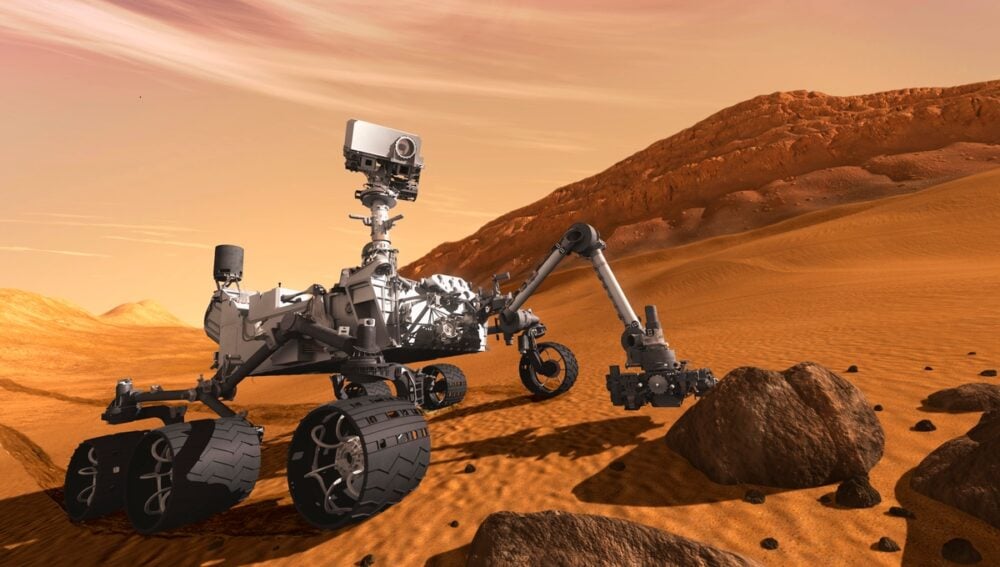
Both Curiosity and Perseverance have identified clay minerals and carbonates—compounds that only form in the presence of liquid water. These minerals indicate that ancient lakes and groundwater once interacted with Martian rock.
Their composition shows that the water was relatively neutral in pH, similar to Earth’s lakes and rivers. That finding strengthens the argument that ancient Mars had an environment that could have supported simple life.
4. Sedimentary Rocks Reveal a Long-Term Water Cycle
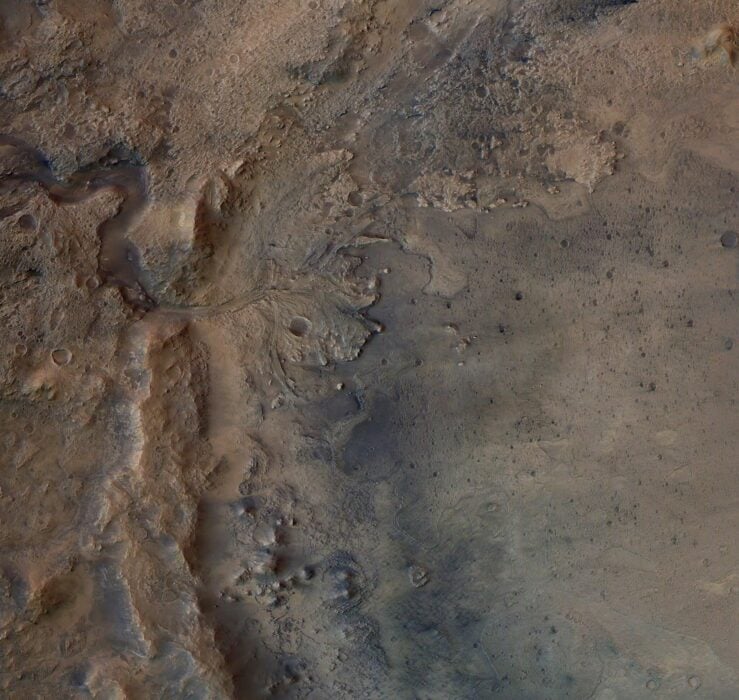
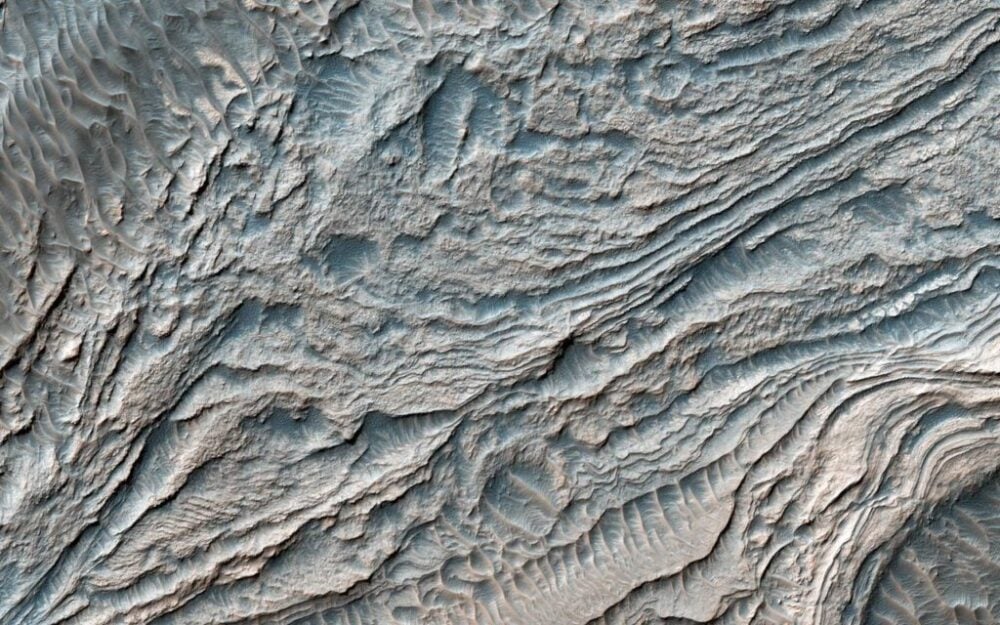
Layered rock formations inside Gale Crater and Jezero Crater suggest a sustained hydrological system. The patterns of erosion and deposition indicate repeated wet and dry periods.
This cycle means Mars didn’t just experience brief flooding—it likely had a stable climate over millions of years. These alternating layers record seasonal and climate changes much like those seen in Earth’s ancient lake sediments.
5. Evidence Points to a Global Water System
Orbital data show that valley networks and outflow channels connect across large regions, hinting at a once global or semi-global water cycle. Ancient shorelines in the northern plains may even mark where shallow seas existed.
This suggests that early Mars could have supported rainfall, surface runoff, and groundwater exchange. Such large-scale hydrology is a key requirement for a truly habitable planet.
6. The Climate Was Once Milder and Wetter
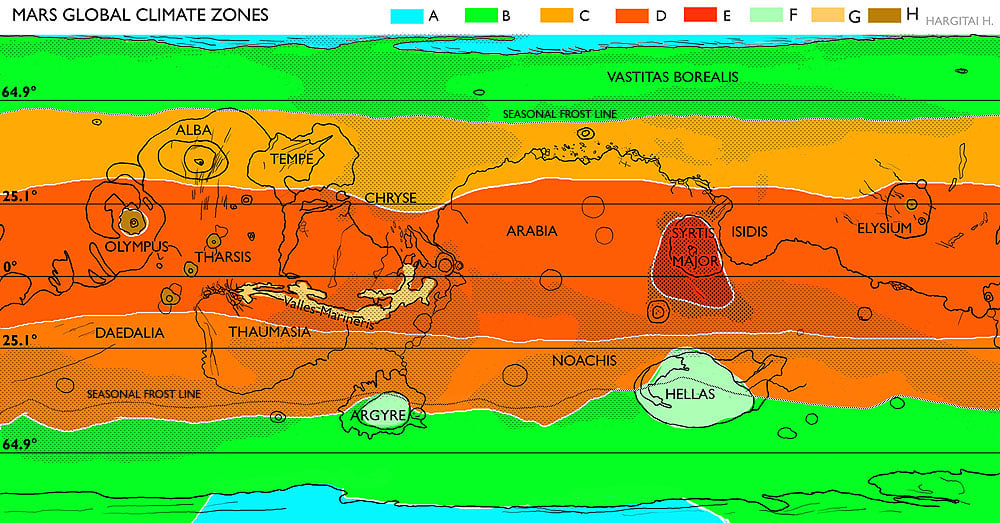
Climate models based on topography and mineral deposits indicate that early Mars had average temperatures above freezing for long periods. Warm conditions would have allowed liquid water to persist on the surface.
The likely presence of clouds and greenhouse gases helped moderate temperature swings. Though it was still colder than Earth, Mars’ early environment was stable enough to support rivers, lakes, and possibly microbial life in subsurface habitats.
7. Crater Evidence Suggests an Ancient Ocean
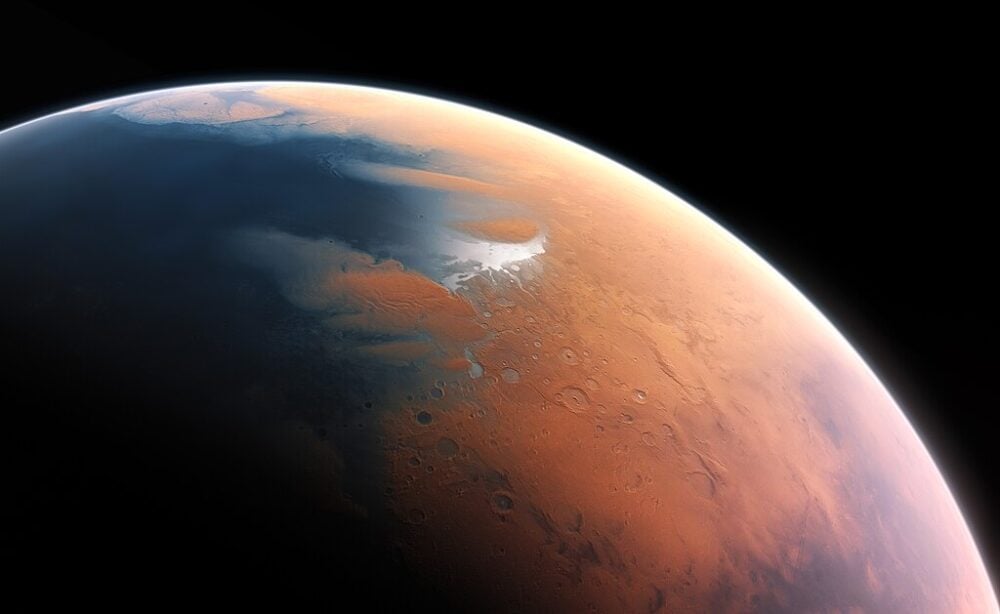
Some scientists believe the northern hemisphere once hosted a vast ocean covering up to one-third of the planet. Low-lying plains and delta formations support this hypothesis.
Radar data from orbiters show sedimentary layering consistent with marine deposition. If confirmed, this would mean Mars had a hydrological system large enough to sustain an ocean for millions of years before it gradually froze or evaporated.
8. Organic Molecules Have Been Found in Ancient Rocks
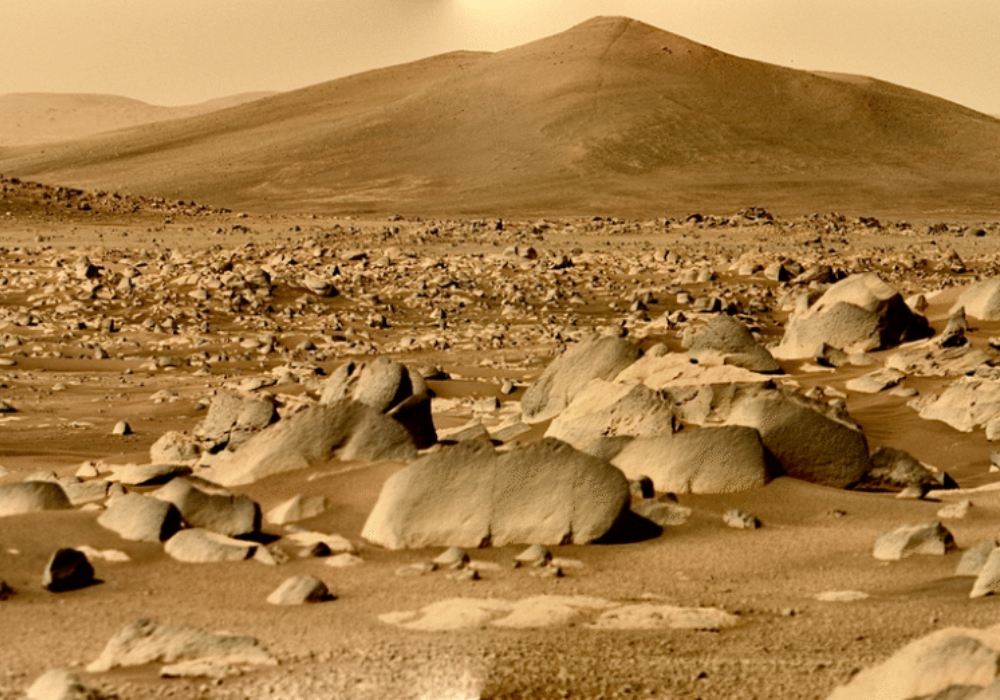
The Curiosity rover detected complex organic molecules in 3.5-billion-year-old rock samples from Gale Crater. While these compounds are not evidence of life, they are essential building blocks for it.
These molecules likely formed through natural geological or chemical processes. Their presence suggests that ancient Mars had both the ingredients and environmental stability necessary for prebiotic chemistry to occur.
9. Meteorites on Earth Confirm a Watery Past
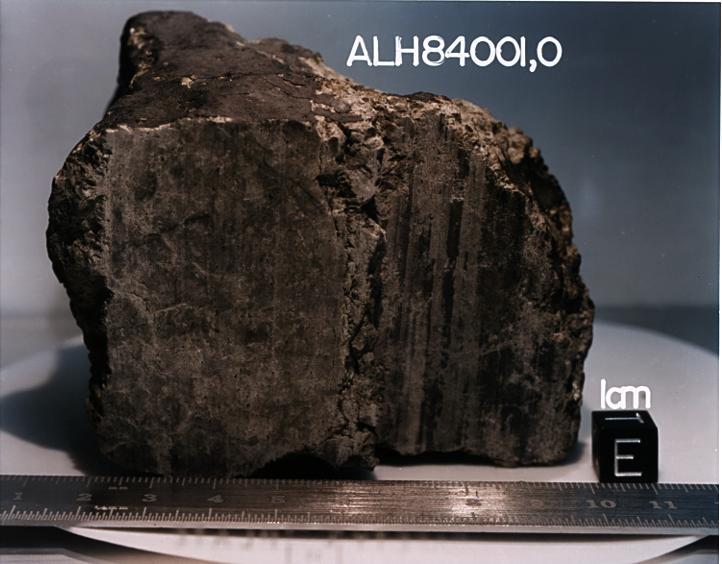
Several meteorites found on Earth, identified as originating from Mars, contain minerals that formed in liquid water. One well-known sample, known as ALH84001, contains carbonates and magnetite crystals indicative of aqueous processes.
These findings independently confirm that water once percolated through Martian rock, altering its chemistry. Together with rover data, they provide consistent evidence of long-term interaction between rock and water.
10. Mars Lost Its Magnetic Field—and Its Protection
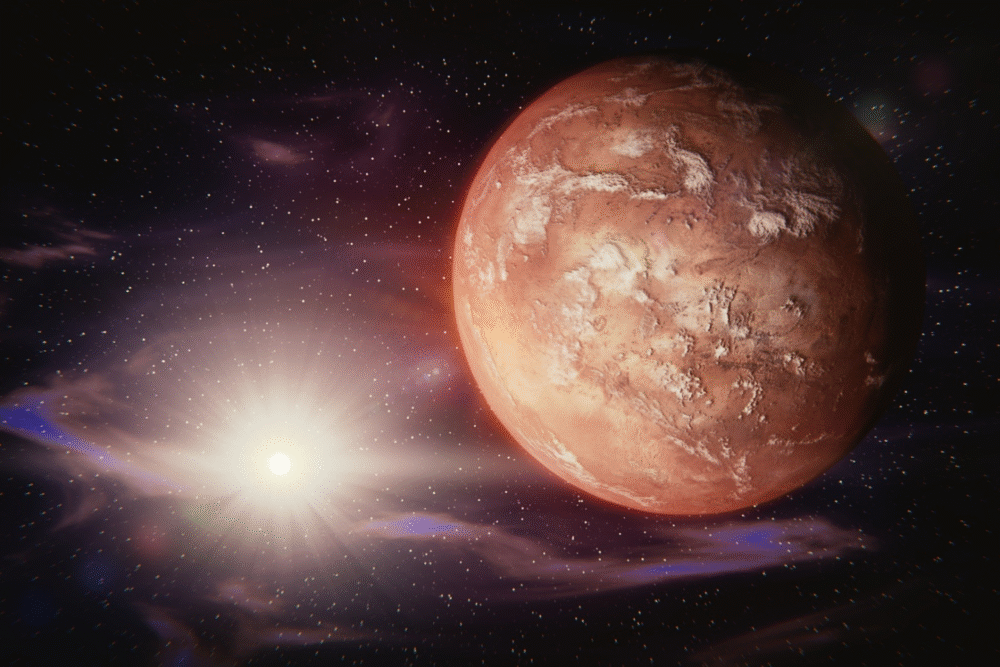
Billions of years ago, Mars had a global magnetic field similar to Earth’s, generated by a molten core. This magnetic field shielded the atmosphere from solar radiation and allowed water to remain stable.
As the planet’s interior cooled, the magnetic field faded. Solar wind gradually stripped the atmosphere away, leading to surface cooling and water loss. This process turned Mars from a habitable planet into an icy desert.
11. Perseverance Is Searching for Fossilized Microbial Clues
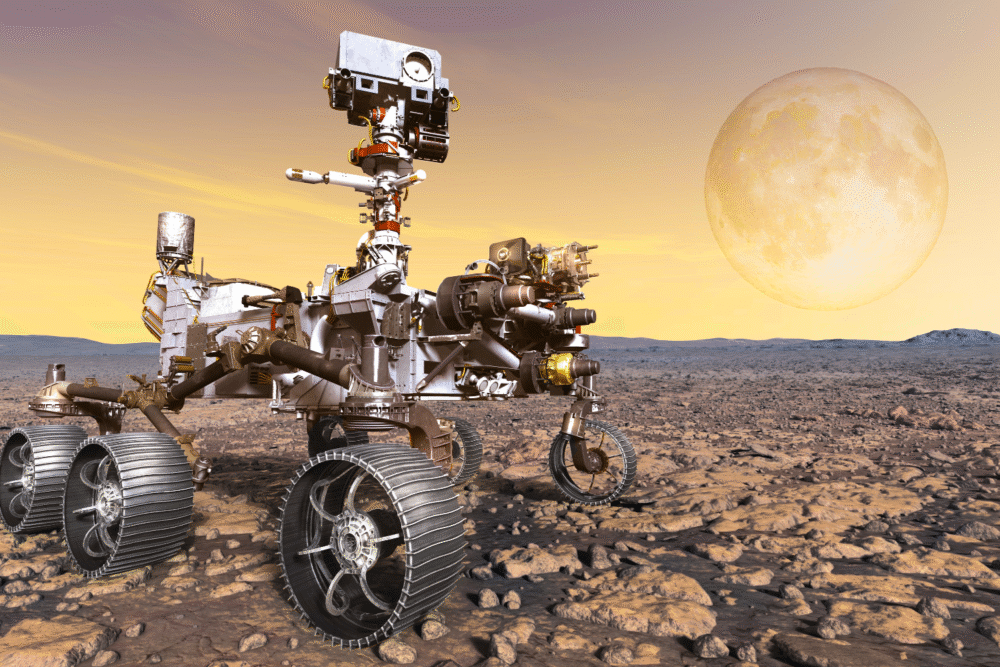
NASA’s Perseverance rover is exploring Jezero Crater, an ancient lakebed that once collected sediments from nearby rivers. These sediments may preserve microscopic structures or chemical signatures of past microbial life.
The rover is collecting rock cores that will be returned to Earth for detailed laboratory analysis. Scientists hope these samples will reveal whether early Mars’ habitability ever crossed the threshold into actual biology.
12. Mars Offers a Glimpse Into Earth’s Early History
Mars and Earth formed from similar materials at roughly the same time. Studying Mars allows scientists to understand conditions on early Earth, especially before life emerged here.
Because Mars’ surface has remained geologically quiet for billions of years, it preserves features long erased on Earth. Its valleys, deltas, and minerals provide a rare window into how planets evolve—and why only one still teems with life today.