
A clear timeline of where Russian forces crossed borders and how those conflicts unfolded.

Russia’s use of military force beyond its borders did not begin with the modern Russian Federation. It stretches back to the Soviet era, shaped by shifting security doctrines, ideological control, and repeated efforts to manage neighboring states through force rather than diplomacy.
Some invasions were framed as defensive necessities, others as stabilizing actions or protection of allies. In reality, each involved troops crossing internationally recognized borders and imposing political outcomes through military power.
These events span decades and left lasting consequences for borders, governments, and civilian populations across multiple regions.
1. When the Soviet Union moved against Finland to secure its western border

In November 1939, Soviet forces invaded Finland, launching the Winter War after negotiations over border concessions collapsed. Moscow claimed it needed strategic depth to protect Leningrad from potential invasion.
The conflict lasted until March 1940 and shocked observers across Europe. Finnish forces resisted fiercely despite overwhelming odds. About 25,000 Finnish soldiers were killed, while Soviet deaths are commonly estimated between 125,000 and 200,000. Finland lost territory but preserved independence, exposing serious weaknesses in the Soviet military.
2. Poland was divided after Soviet troops crossed in from the east
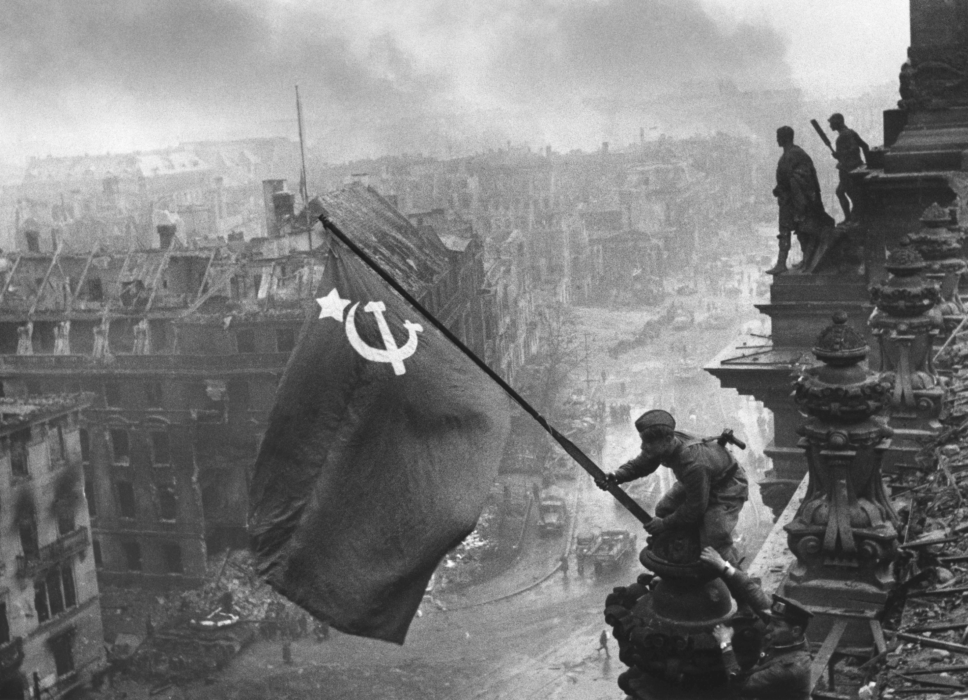
On September 17, 1939, Soviet forces invaded Poland from the east, following Germany’s attack from the west earlier that month. The invasion was enabled by the secret Molotov–Ribbentrop Pact.
Poland was partitioned and erased as a sovereign state. Tens of thousands of Polish soldiers were killed or captured, and approximately 22,000 officers and officials were later executed in the Katyn massacre. The invasion reshaped borders and left deep political and emotional scars that persist today.
3. The Baltic states were absorbed after Soviet military occupation

In June 1940, Soviet troops entered Estonia, Latvia, and Lithuania after issuing ultimatums demanding troop deployments and political concessions.
The invasions led to forced annexation, mass arrests, and deportations. Tens of thousands of civilians were killed or sent to labor camps. The Baltic states remained under Soviet control for more than 50 years, regaining independence only after the USSR collapsed in 1991.
4. Hungary was invaded after a revolt challenged Soviet authority
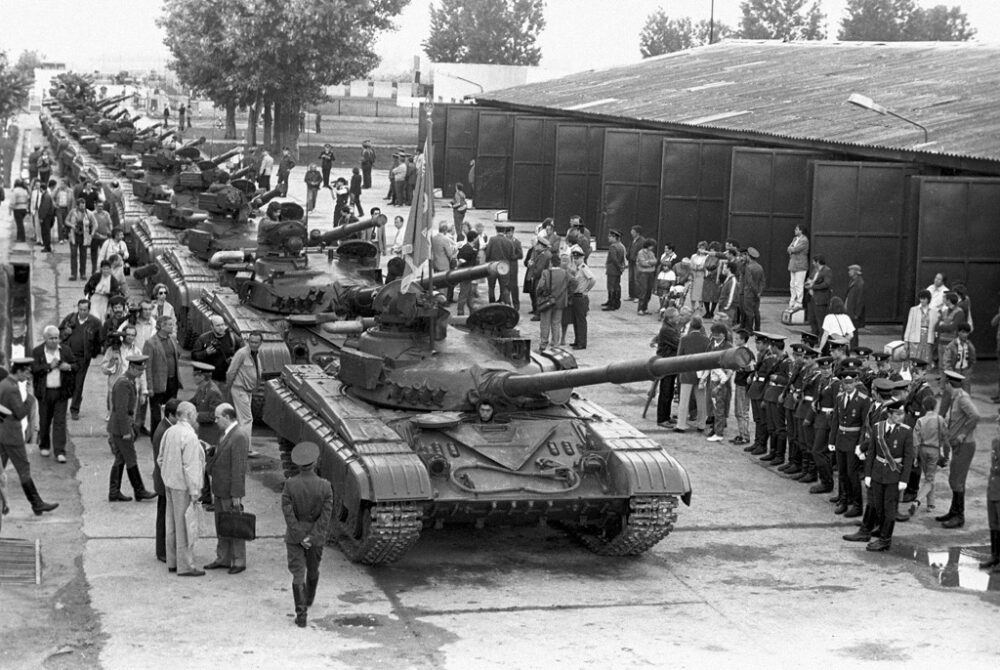
In October 1956, a nationwide uprising in Hungary called for political reform, free elections, and withdrawal from Soviet control. Soviet troops re-entered the country on November 4.
The invasion crushed the revolt within weeks. Around 2,500 Hungarians were killed, along with roughly 700 Soviet soldiers. More than 200,000 civilians fled abroad. The invasion reinforced Moscow’s willingness to use force to maintain control over Eastern Europe.
5. Tanks rolled into Czechoslovakia to halt political liberalization
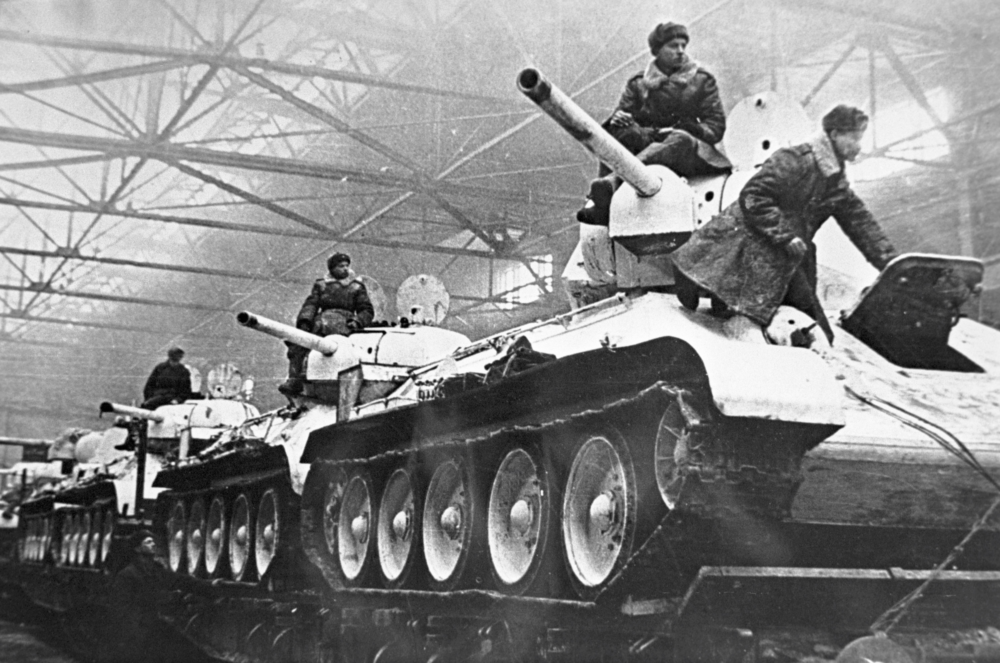
In August 1968, Soviet and Warsaw Pact forces invaded Czechoslovakia to crush the Prague Spring, a reform movement aimed at easing censorship, expanding civil liberties, and decentralizing power. Troops crossed borders overnight and occupied major cities.
Military resistance was limited, but the psychological impact was severe. Approximately 137 civilians were killed during the invasion and immediate unrest that followed.
Reform leaders were removed, freedoms reversed, and the Brezhnev Doctrine was reinforced, declaring Moscow’s right to intervene militarily in allied states to preserve socialist rule.
6. Afghanistan became a prolonged and devastating Soviet war

In December 1979, Soviet forces invaded Afghanistan to support a communist government facing widespread rebellion. Leaders expected a short stabilization mission.
Instead, the war lasted nearly ten years. An estimated one million Afghan civilians were killed, alongside about 15,000 Soviet troops. Millions were displaced. The conflict drained Soviet resources and morale, contributing to political instability at home.
7. Georgia was partially occupied after a brief modern war

In August 2008, Russian forces invaded parts of Georgia following escalating clashes over South Ossetia and Abkhazia, regions supported by Moscow.
The war lasted five days but caused lasting consequences. Roughly 850 people were killed, including civilians. Russian troops remained in the breakaway regions afterward, which Moscow recognized as independent, permanently altering Georgia’s territorial control.
8. Crimea was seized from Ukraine without a formal war declaration

In February 2014, Russian forces entered and annexed Crimea from Ukraine after political upheaval in Kyiv.
Unmarked troops seized infrastructure while a disputed referendum followed. Casualties during the takeover were limited, but thousands were displaced. The annexation violated international agreements and triggered sanctions that reshaped Russia’s global relations.
9. Eastern Ukraine saw covert invasion before open war

Beginning in 2014, Russian forces backed separatist movements in eastern Ukraine, supplying fighters, weapons, and leadership while officially denying direct involvement.
Fighting in the Donbas region killed more than 14,000 people before 2022. Independent investigations later documented repeated crossings by Russian troops, transforming the conflict into a prolonged undeclared war.
10. A full-scale invasion of Ukraine reshaped Europe

On February 24, 2022, Russia launched a full invasion of Ukraine, attacking from multiple directions with ground forces, missiles, and air strikes.
The war caused hundreds of thousands of military casualties and tens of thousands of civilian deaths. Millions were displaced, and Europe faced its largest refugee crisis since World War II, fundamentally reshaping regional security.