
Living to 100 isn’t the dream you think it is once you hear these disturbing facts.
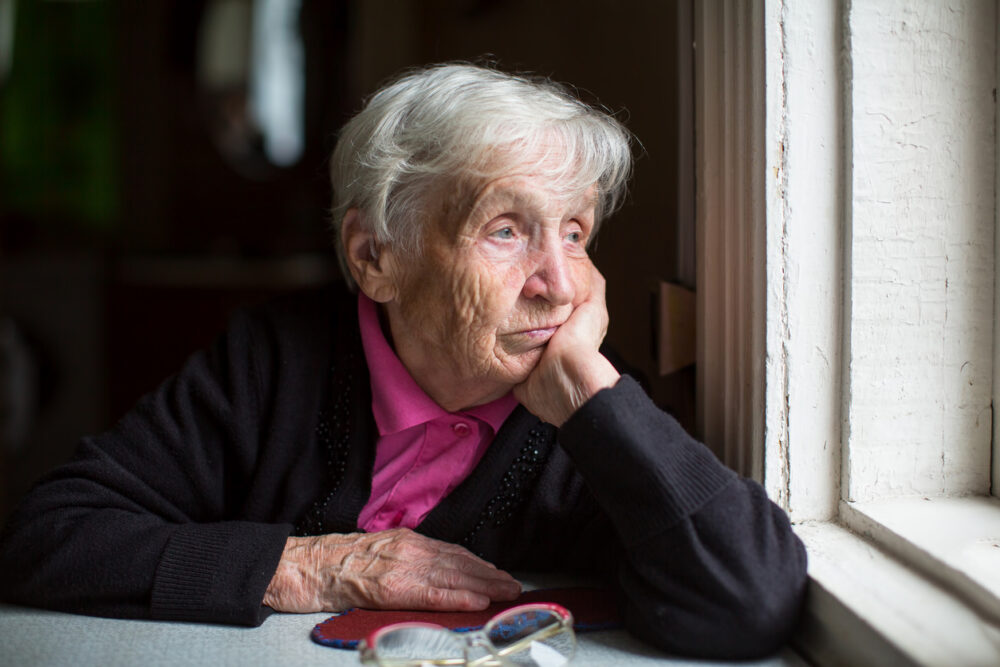
So, you think you want to live to 100? You might want to sit down for this. Sure, the idea sounds magical—more birthdays, more memories, more time to check off that bucket list. But what no one really talks about is what it actually means to hang around that long. It’s easy to romanticize old age when you’re still relatively young, spry, and dreaming about centenarian bragging rights. But once you peek behind the curtain, the shiny appeal starts to fade fast. You assume it’ll just be you, wiser and wrinklier, still enjoying life—but the reality might be a whole different story.
Don’t worry, this isn’t some gloom-and-doom lecture. It’s more of a heads-up. If you’ve ever said, “I hope I live to be 100,” you’re not alone. But by the time you reach the end of this article, you might be rethinking that wish entirely.
1. You might live far longer than your money does.

It’s a cruel irony—you spend your whole life saving for retirement, only to discover you might need to stretch that money for 30 or more years. Medical advances are helping us live longer, but that also means your nest egg needs to last a lot longer than you probably expected, according to Kevin Dickinson, writing for Big Think. And Social Security? It might cover the basics, but not the extras that make life enjoyable.
Inflation keeps creeping up, healthcare gets more expensive, and if you’re not careful, you could find yourself having to choose between a trip to see the grandkids and paying your utility bill. It’s scary, but being honest about the numbers now can help you make smarter decisions before it’s too late. Downsizing, budgeting, and looking at new income options might not sound fun—but they’re better than feeling the stress of watching your savings dwindle year after year.
2. Climate change will affect your golden years more than you think.

You might think the worst of climate change won’t hit until after you’re gone—but you’re probably already feeling it. Blistering summers, intense storms, wildfires, and unpredictable seasons aren’t future problems anymore—they’re now. And for older adults, these events aren’t just annoying; they’re dangerous, warn experts at the Environmental Protection Agency. Extreme heat can send you to the ER. Floods can ruin homes you thought you’d grow old in. Power outages can become life-threatening if you rely on certain medications or medical devices.
Even if you’re not directly in the path of climate chaos, rising food prices, insurance costs, and travel disruptions will still creep into your life. It’s time to admit this isn’t someone else’s crisis. Preparing your home, planning around weather patterns, and supporting climate-conscious policies can actually help protect your own future. The world is changing fast, and pretending it’s business as usual won’t keep you safe or comfortable.
3. Your adult children may not be there when you really need them.

As much as you hope your kids will step in when the time comes, life doesn’t always work that way. They’re busy—overworked, underpaid, maybe raising kids of their own or living across the country. You might not want to admit it, but banking on your children to take care of you in your old age is risky business. It’s not about whether they love you—it’s about logistics, finances, and emotional capacity, say writers for the Duke University School of Nursing website. Some adult kids don’t know how to help. Others aren’t emotionally equipped. And let’s be real—some just won’t.
That’s why facing the possibility of going it alone is important. Building your own plan for aging—where you’ll live, how you’ll afford help, who you’ll call in an emergency—isn’t pessimistic; it’s practical. If your children do step in, great. But if they don’t, you won’t be blindsided, bitter, or scrambling for solutions.
4. Friends will drift away—and some will die.

No one likes to talk about this, but it’s one of the harshest realities of getting older. Your social circle shrinks, sometimes slowly and sometimes in one gut-wrenching moment. Friends move, get sick, grow distant, or pass away. One day, you realize you haven’t laughed over coffee with someone who truly gets you in months. And loneliness starts to creep in. It’s not just sad—it’s dangerous. Loneliness can lead to depression, poor health, and even a shorter life. The painful truth? You have to be proactive.
Start making new connections even if it feels awkward. Get involved in something local, volunteer, or take a class. Friendship after 60 isn’t always easy, but it’s essential. Don’t wait for the phone to ring—be the one who reaches out. Otherwise, the silence can become deafening, and the isolation… crushing.
5. You’re going to lose a lot of independence.

This one hits hard. No one wants to think about needing help just to take a shower or get to the grocery store. But for most of us, it’s coming. Maybe not tomorrow, but eventually. Aging brings physical changes that sneak up on you—aches, stiffness, slower reflexes, and less energy. Tasks you’ve done your whole life suddenly become exhausting or risky. Driving might not be safe forever. Stairs become a mountain. And the thought of asking your kid or a stranger to help you with basic stuff? Humbling at best.
But here’s the thing: accepting this reality early can actually help you stay independent longer. You can plan for safer living spaces, consider transportation alternatives, and adopt habits that support strength and mobility. Denial is the real thief of independence. Face it now, make a plan, and you’ll hold onto your freedom a whole lot longer.
6. Healthcare won’t save you from the slow march of aging.

Doctors can do a lot—but they’re not miracle workers. Sure, you can get a new hip or take pills to manage blood pressure, but there’s no cure for aging itself. That creaky knee? The declining eyesight? The forgetfulness? It’s all part of the deal. And while healthcare can help you manage symptoms, it can’t stop time. What’s worse, the healthcare system isn’t exactly senior-friendly. Long waits, confusing insurance rules, and doctors who rush through appointments can make you feel invisible. And good luck getting affordable long-term care coverage.
Accepting that your body won’t always cooperate is key. Focus on prevention, lifestyle, and staying active, but don’t expect medicine to work miracles. The sooner you stop looking for a fix-it-all solution, the more you can focus on what really matters—quality of life, not just quantity of years.
7. Old age might be lonelier than you ever expected.
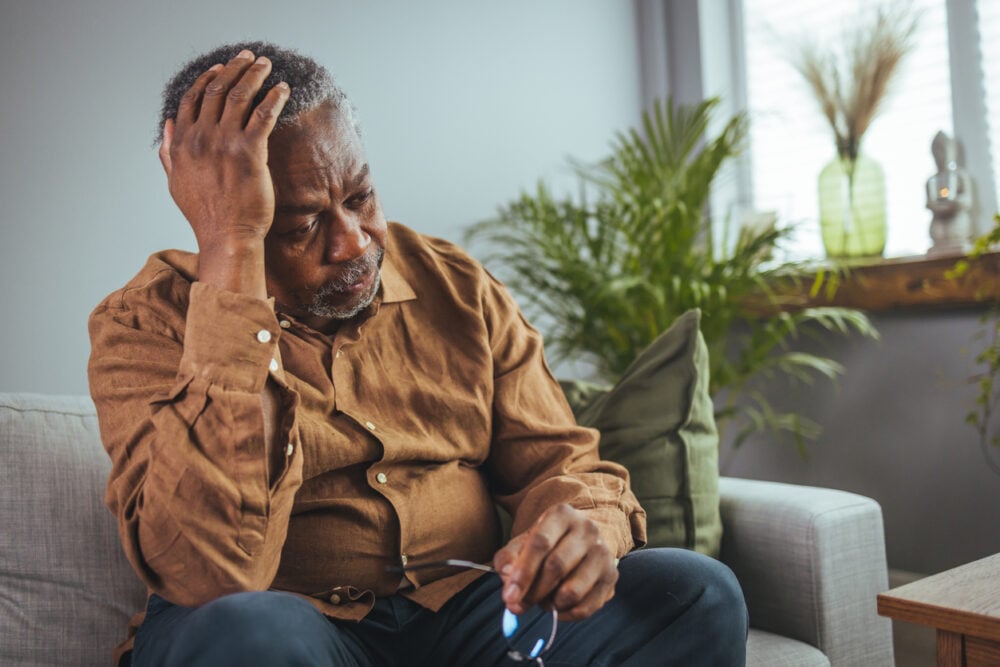
As you get older, your days blend together. You lose the casual social moments that used to fill your days. And suddenly, you’re alone. A lot. It’s a quiet no one warned you about. Even if you’re married, that doesn’t guarantee you won’t feel lonely. And if you’re single or widowed? It can feel like you’ve fallen off the map entirely. It’s easy to slip into isolation without even realizing it. That’s why you need to treat social connection like it’s essential—because it is.
Plan outings, join clubs, schedule regular calls with friends, or even volunteer. Don’t wait for companionship to find you—go after it. Retirement should be about more than just surviving—it should still feel rich with connection and purpose. But that only happens if you make it happen.
8. Technology will keep changing—and leave you behind if you’re not careful.
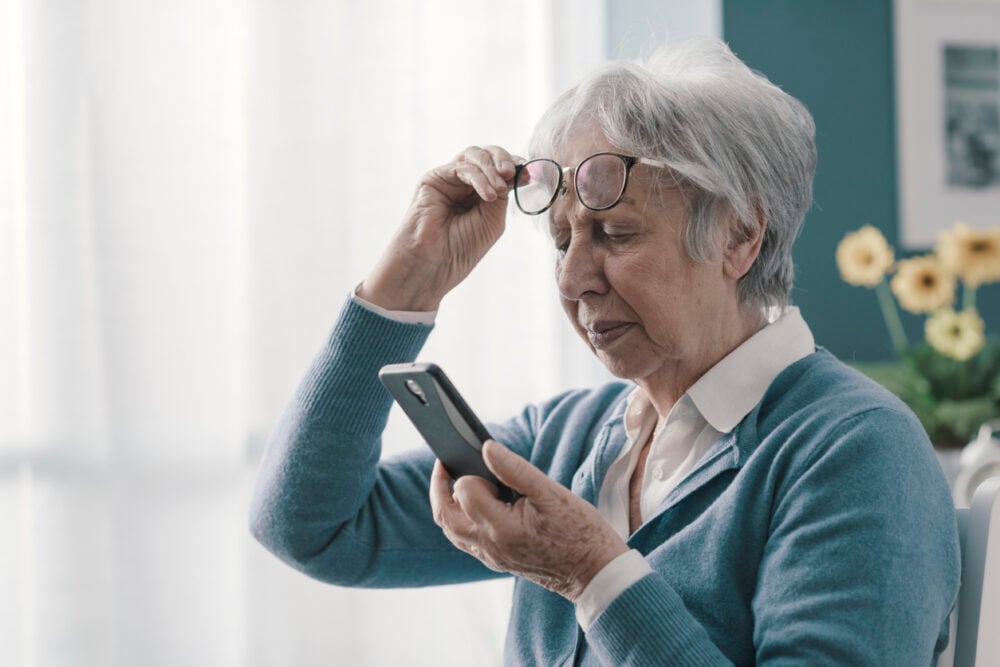
You might have finally figured out how to use your smartphone… and then everything changes again. New apps, new interfaces, new slang—it never stops. And while it’s tempting to just opt out and stick with what you know, that decision can isolate you fast. Banks are going digital. Doctor visits are online. Even grandkids prefer texting to phone calls. If you’re not keeping up, you’re slowly cutting yourself off from essential services and social connection. It’s frustrating, yes. But avoiding it only makes things worse.
You don’t need to master everything. Just pick one new skill at a time and ask for help when you need it. Tech isn’t going away. In fact, staying engaged with it might help keep your brain sharper—and your life running more smoothly. Don’t let stubbornness cost you your independence.
9. Your body will start to betray you, no matter how well you treat it.

You can eat right, exercise daily, and meditate every morning—but aging still wins. Maybe not today, but eventually. Your knees will ache. Your balance will wobble. Your digestion will slow, and your energy won’t bounce back like it used to. It’s easy to feel betrayed by a body you’ve cared for all your life. But aging isn’t failure—it’s biology. Accepting that reality helps you adjust your expectations. It’s not about giving up—it’s about adapting. Maybe you switch to lower-impact workouts, get a mobility aid, or take more rest days.
That’s not weakness—it’s wisdom. Trying to power through like you’re still 35 will just leave you frustrated or hurt. Listen to your body, respect its limits, and work with it, not against it. You’ll be a lot happier—and probably healthier—when you stop judging yourself for something you can’t control.
10. The world won’t slow down for you—and might not seem to care if you’re struggling.
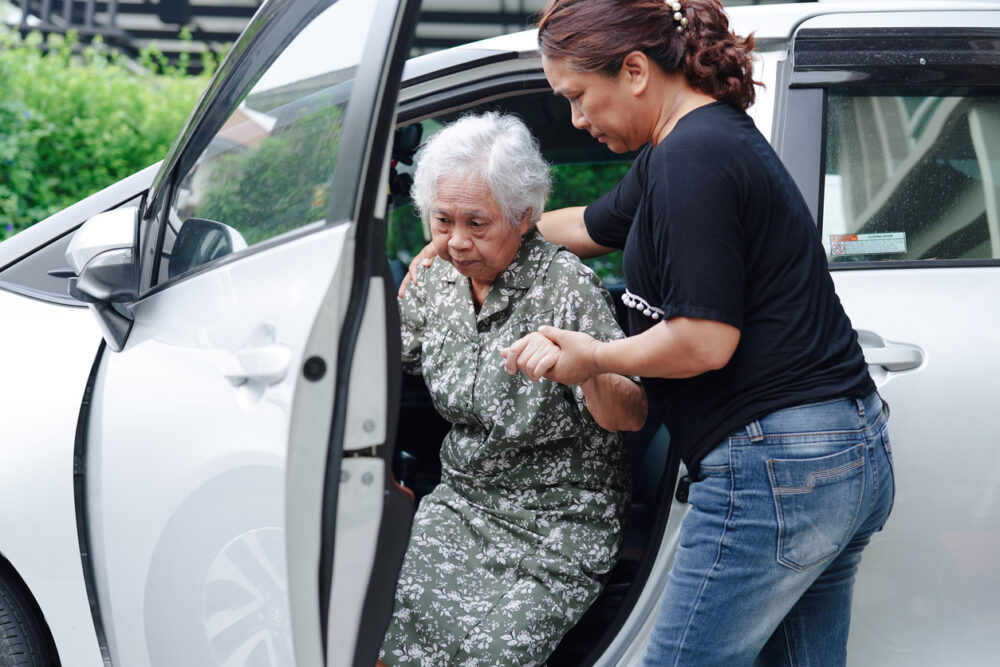
As you get older, it can feel like the world is moving faster while you’re slowing down. Everything’s automated, fast-paced, and designed for people who can move, think, and adapt quickly. That can make you feel invisible. Or worse—like a burden. You might struggle at the self-checkout line or feel overwhelmed navigating healthcare websites. And no one seems to notice or help. It’s tempting to feel bitter, but here’s the truth: the world isn’t going to change just for you.
That’s why building your resilience matters. Advocate for yourself. Speak up when you’re confused. Ask for help. And give yourself grace when things are hard. It’s not your fault the world isn’t built with seniors in mind—but you can still carve out your space in it. Waiting for the world to slow down is a losing game. Instead, learn how to move through it your way.
11. Your legacy might not mean what you thought it would.

Maybe you imagined leaving behind a big inheritance, or that your wisdom would be cherished by younger generations. But life doesn’t always play out that way. You may not have as much to leave as you hoped. Your grandkids might roll their eyes at your stories. And the traditions you tried to pass on? They might not stick. That can feel like a gut punch. But legacy isn’t just about money or nostalgia—it’s about impact. The conversations you have, the kindness you show, the values you live—those are the things that truly last.
You might not get a statue or your name on a building, but you can still leave fingerprints on the hearts of people around you. Let go of the fantasy version of legacy and start appreciating the small, meaningful ways you’ve already shaped the world.
12. The future won’t feel like “your time”—and you’ll have to find peace with that.

The older you get, the more it feels like the world is moving on without you. New trends, new values, new priorities—you might look around and wonder, “Where do I fit in now?” It’s unsettling to feel like the world no longer reflects your identity, your experiences, or your contributions. But this is the cycle of life. Every generation eventually watches the spotlight shift. It’s easy to feel left behind—or even resentful.
But clinging to the past or judging the future will only make you feel more alienated. Instead, try staying curious. Ask questions. Listen more. Share when invited, but don’t demand the stage. You still matter. You always will. But finding peace comes from realizing your role has changed. You’re the guide now, not the main character—and that can be beautiful, if you let it be.