
Signals from space hint that Mars might be flashing with dust-storm lightning.
Scientists with NASA say new data could point to lightning on Mars — a discovery that would upend assumptions about the Red Planet’s weather. Instruments aboard orbiting spacecraft reportedly picked up electrical activity and radio-wave spikes during a massive Martian dust storm. If confirmed, these signals would be the first evidence of electric storms on a planet other than Earth. The finding raises fresh questions about Mars’s atmosphere, climate history, and the risks — and surprises — awaiting future missions.
1. Scientists Detected Electrical Signals During Martian Dust Storms
During a recent major dust storm, NASA’s orbiters recorded bursts of radio and electromagnetic signals coming from Mars’ atmosphere. These signals resemble the kind produced by lightning storms on Earth. The discovery sparked excitement because Mars was long thought too cold and thin to support traditional thunder and lightning storms.
If these readings truly indicate lightning, it would mean Mars is capable of weather phenomena once considered unique to Earth, challenging long-standing assumptions about the planet’s climate and atmospheric behavior.
2. Mars’ Thin Atmosphere Has Always Seemed Unfriendly to Lightning
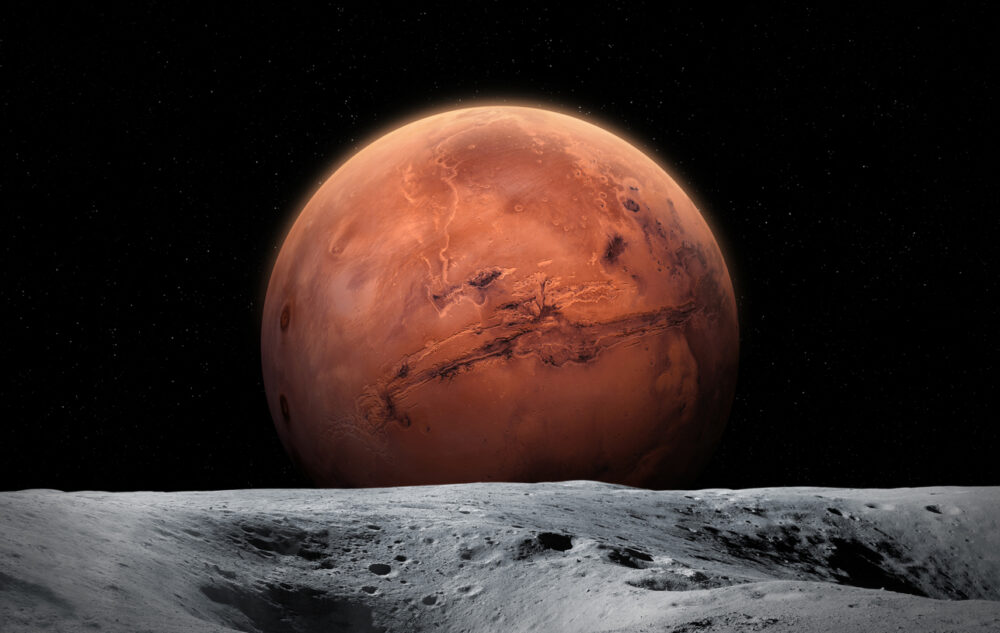
Mars’ atmosphere is just 1% as dense as Earth’s — with far less pressure and no liquid water oceans. For decades, scientists believed those conditions made lightning impossible on the Red Planet. Previous missions detected dust storms and occasional static electricity but never evidence of a full lightning discharge.
The new findings force experts to reconsider those theories. If lightning can occur in Mars’ rarefied air, it suggests dust storms there can build up enough charge to spark electric discharges, even under harsh conditions.
3. Dust Storms Are Key to Generating Charge on Mars

On Mars, dust storms can grow massive, lifting and colliding particles of dust high into the atmosphere. Scientists theorize that these collisions generate electrical charges, creating conditions ripe for lightning-like discharges. The recent observations recorded during one such storm appear to support this idea.
This mechanism differs from Earth’s water-based storms, where moisture and cloud dynamics drive lightning. On Mars, dry dust and winds may play the main role — hinting at a completely different kind of meteorological electricity.
4. If Confirmed, This Would Be the First Lightning Evidence Beyond Earth
No unambiguous lightning has been observed on any planet other than Earth. Previous reports on Venus, Titan, and other worlds remain contested. So if Mars’ electrical signals are verified, it would mark the first universally accepted extraterrestrial lightning detection.
That milestone would expand our understanding of atmospheric phenomena in the solar system. It would show that electric storms are more common than thought, even in worlds with radically different environments from Earth’s.
5. Lightning Could Affect the Safety of Future Mars Missions
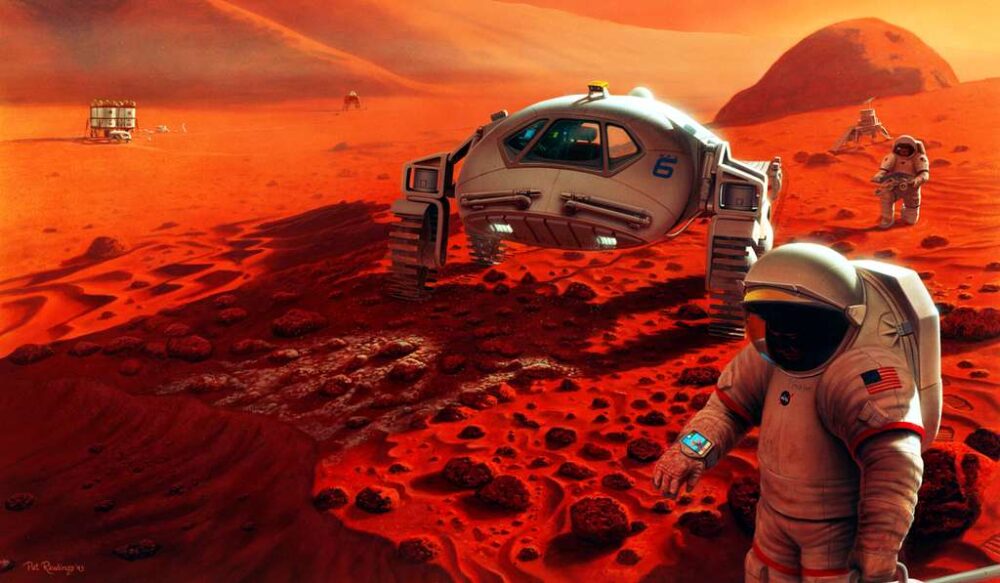
Electric discharges on Mars — if they occur — could pose a risk to spacecraft, rovers, and human explorers. Charged dust and lightning could damage electronics, erode materials, or interfere with communications. For missions already planned or underway, the possibility adds a new hazard to prepare for.
This discovery might require updated engineering standards for Mars hardware. Shielding, grounding, and dust-charge mitigation could become as important for Martian missions as radiation protection and temperature control.
6. Lightning Could Link to Chemical Reactions in Mars’ Atmosphere
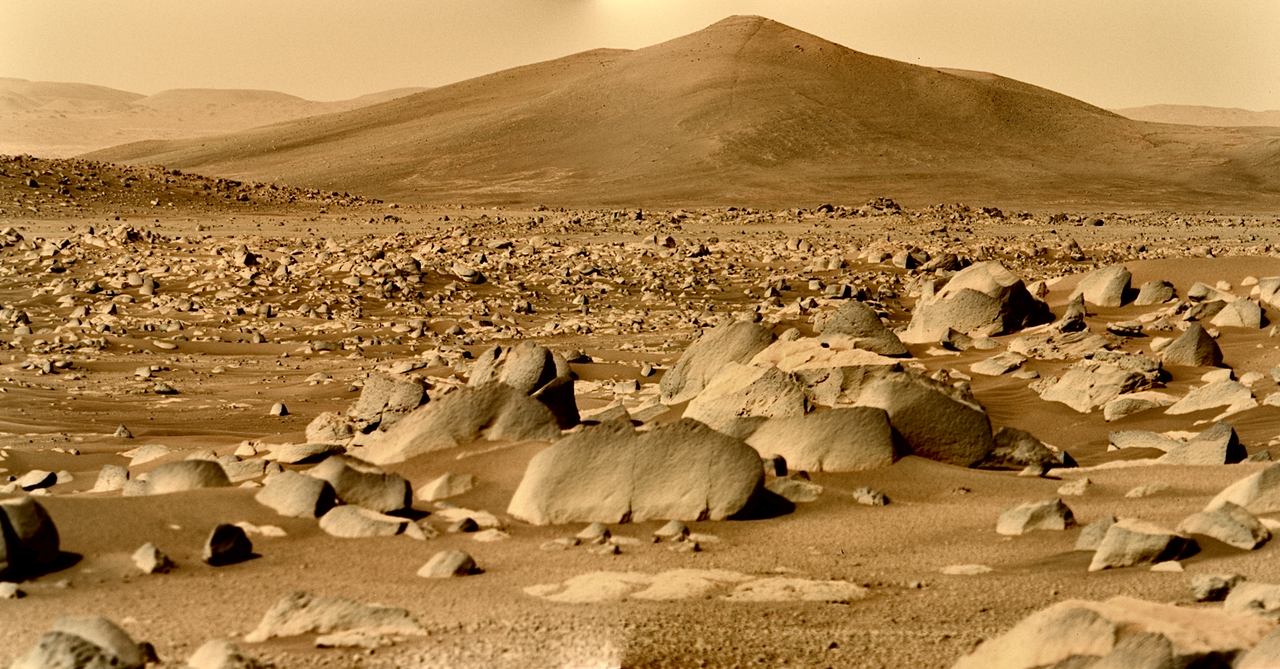
On Earth, lightning can trigger chemical reactions, producing molecules like nitrogen oxides that affect atmospheric chemistry. On Mars, electric storms might generate exotic chemistry as well, possibly influencing trace gases, ionization levels, or even prebiotic chemistry.
Such processes could help explain mysterious detections — like unexpected methane spikes — that have puzzled scientists studying Mars’ atmosphere. Lightning may be an overlooked driver of chemical reactions on the Red Planet.
7. The Discovery Revives Old Theories and Sparks New Ones
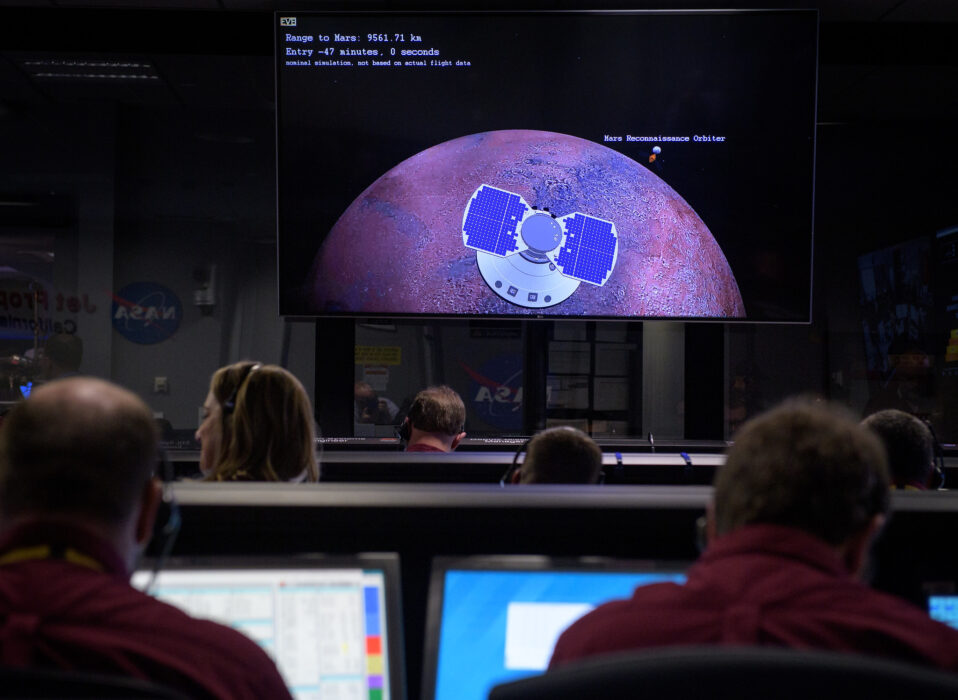
Decades ago, some scientists speculated that Mars dust storms might produce lightning, but limited data made the idea fringe. The new signals give those early theories new life and encourage fresh models of Martian weather. Researchers are already discussing new mission plans to confirm the activity directly.
This revived interest could lead to dedicated instruments on future orbiters or landers designed specifically to detect electrical discharges — not just dust, wind, or radiation.
8. Verification Will Require Rovers or Orbiters Close to the Storms
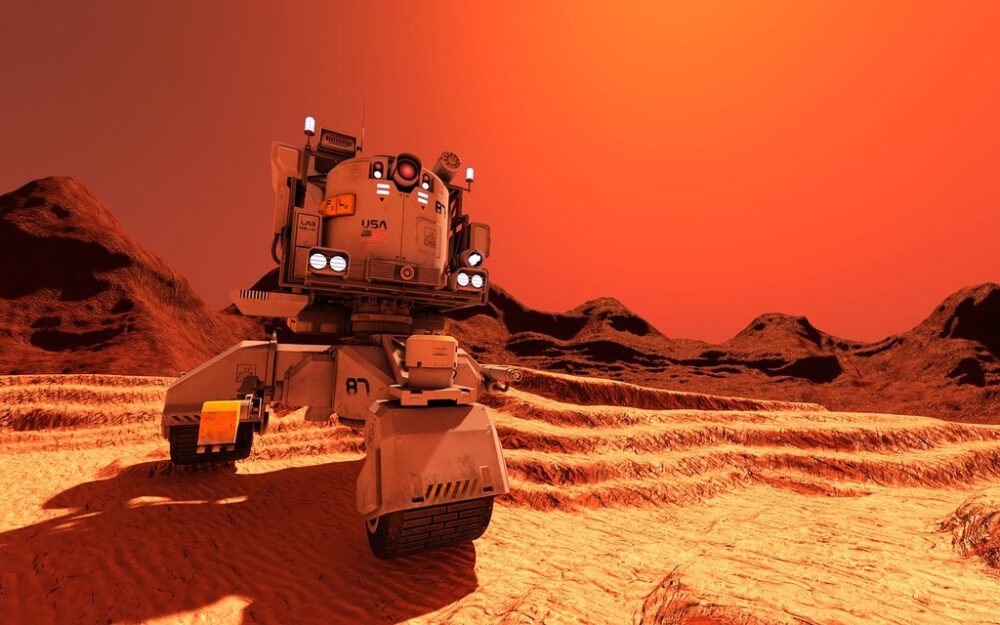
Satellite data offers indirect evidence, but confirming lightning on Mars will require instruments that can detect visible flashes, electromagnetic bursts, or ground-level charge events. That means future missions must include specialized sensors or even lightning-proof cameras to catch the action firsthand.
If successful, such observations would establish conclusively whether Mars experiences true lightning — and under what conditions — answering one of the solar system’s biggest weather mysteries.
9. The Findings Could Change How We View Mars’ Climate History
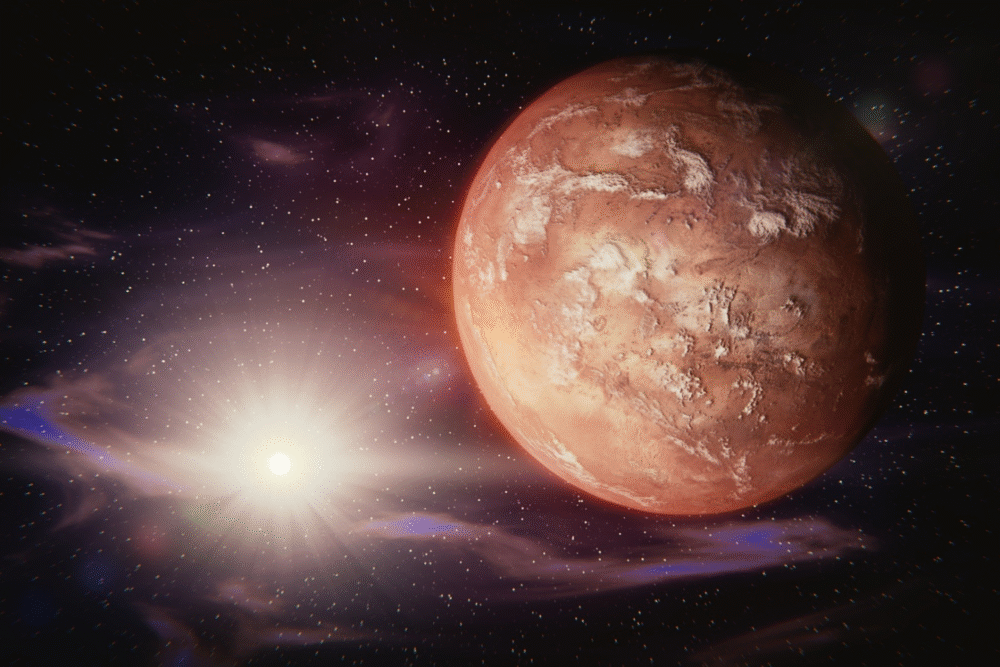
If Mars ever had or still has lightning, it suggests its atmosphere may have been more dynamic — and possibly more conductive — than previously believed. Lightning activity could hint at past atmospheric density, volatile cycles, or even climate epochs where storms resembled Earth’s more closely.
These clues could reshape theories about Mars’ geological and climatic evolution, including when and how the planet lost most of its atmosphere and water.
10. Interplanetary Weather Is More Diverse — And Dangerous — Than We Imagined
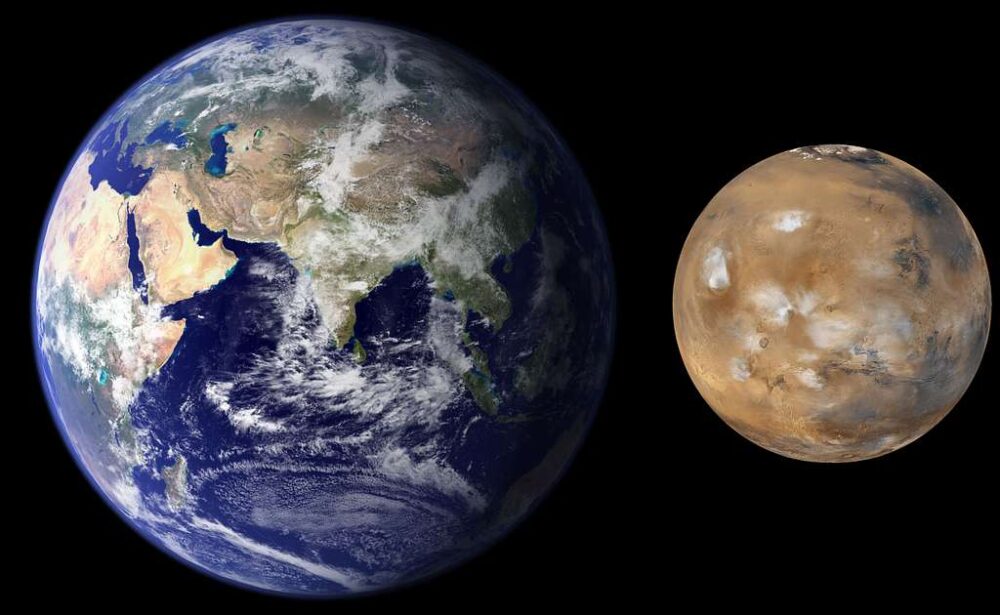
The new discovery underscores that weather isn’t Earth’s alone. Even a planet as harsh as Mars could host powerful electrical storms. For planetary scientists, this broadens the definition of “weather” and highlights the surprising complexity of other worlds.
For mission planners and researchers, it means the unexpected must always be considered. Martian dust could be more dangerous than previously thought — with electrical storms, not just radiation or cold, looming as a challenge.
11. This Discovery Shows Why Exploring Mars Still Holds Surprises
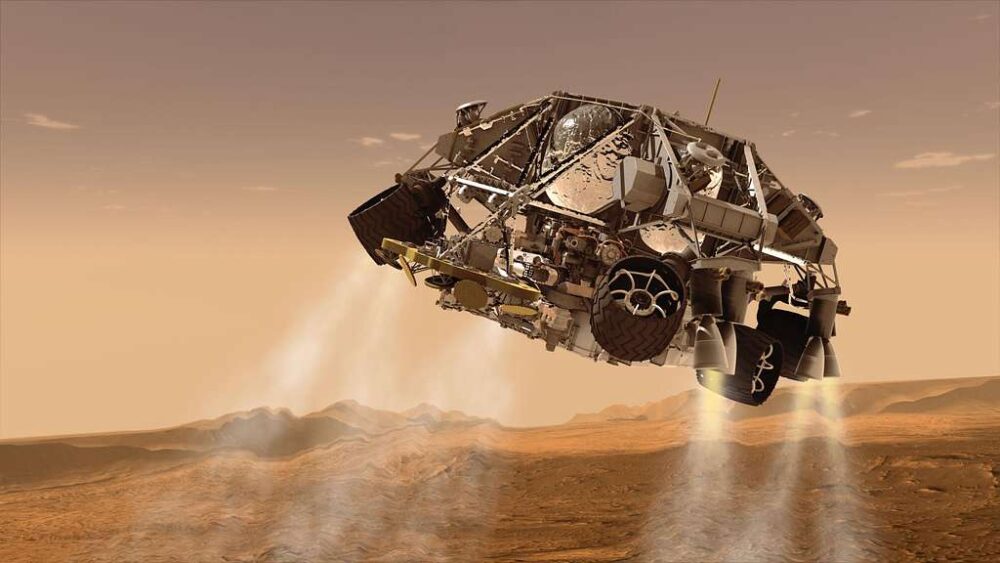
After decades of missions, rovers, orbiters, and satellites, Mars continues to surprise scientists. The long-held belief that the Red Planet is calm and inert may be wrong. The possible detection of lightning shows how much more there is to learn about neighboring worlds.
As exploration ramps up — with human missions on the horizon — findings like this remind us how little we truly know and how much discovery still lies ahead beyond Earth.