
Archaeologists uncovered life-size camel carvings in Saudi Arabia that may date back about 8,000 years.
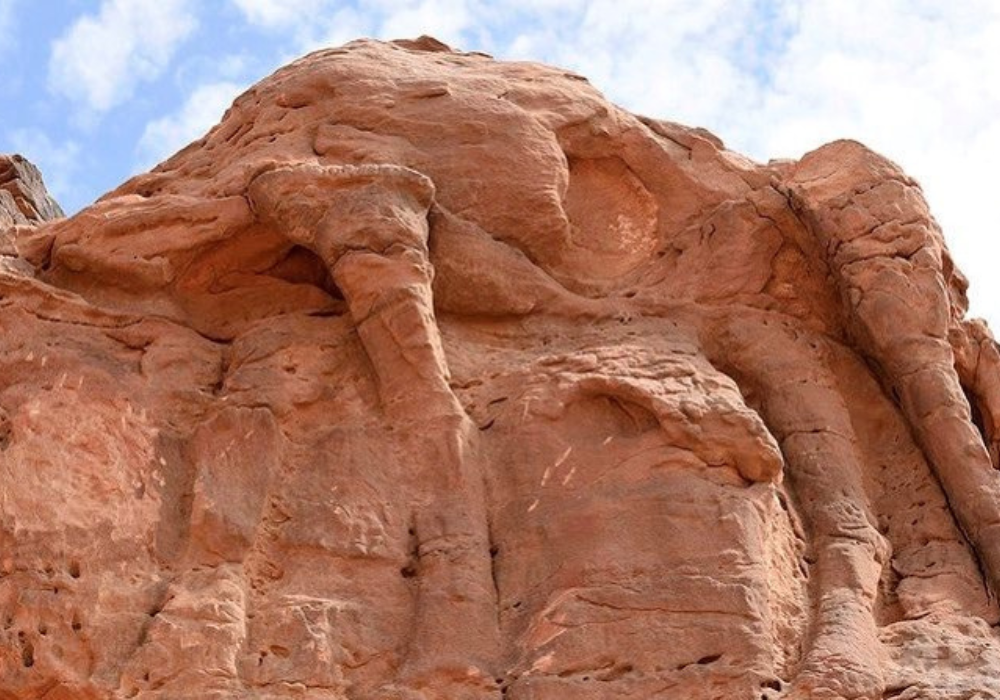
Archaeologists have uncovered life-size rock carvings of camels, gazelles, and other animals in the Saudi Arabian desert, and their age is sparking debate. Some researchers suggest the carvings date back around 7,000 to 8,000 years, while others believe they could be as old as 12,000 years. Either way, they rank among the world’s oldest large-scale animal engravings. Carved into sandstone with stone tools, the massive figures show the skill and symbolic traditions of prehistoric peoples who once thrived in a greener Arabia.
1. Monumental Carvings Found in the Desert
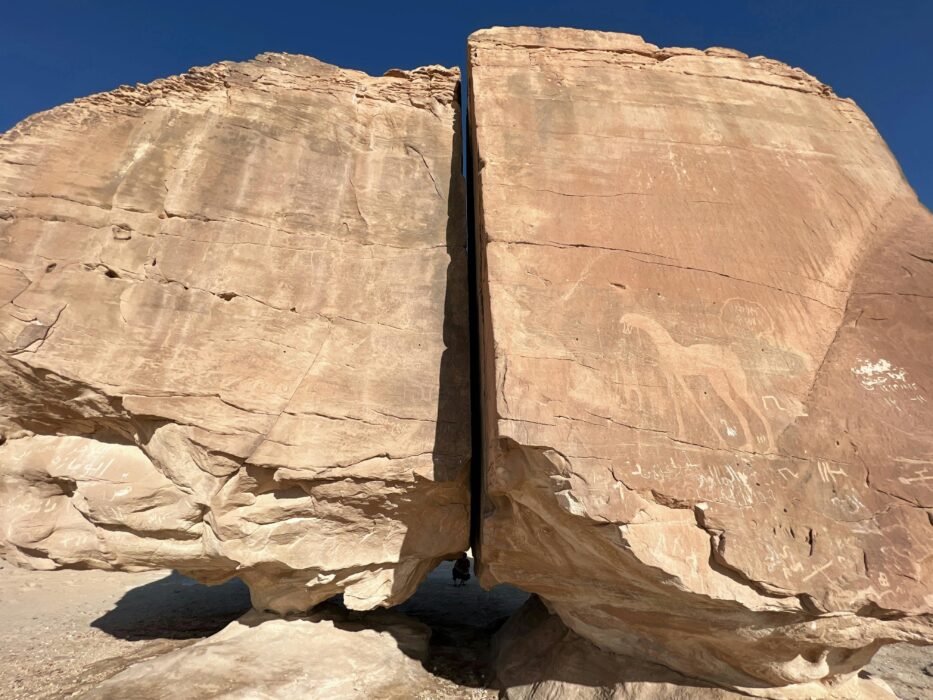
Archaeologists have uncovered a remarkable collection of life-size carvings in northwestern Saudi Arabia. These images depict camels, gazelles, and possibly extinct animals etched into sandstone cliffs across desert outcrops.
The figures, some more than six feet tall, represent one of the most ambitious prehistoric art projects ever found in the region. Their craftsmanship and scale suggest that they were created for a purpose beyond decoration, providing evidence that prehistoric Arabian societies invested significant energy in symbolic and ceremonial expression.
2. How Old Are These Carvings?
Dating the carvings has become a subject of debate. Some studies suggest they are around 7,000 to 8,000 years old, placing them in the Neolithic era when early pastoralism was spreading. Others argue they could be as old as 12,000 years, which would make them among the earliest large-scale rock carvings in the world.
Regardless of the exact age, both possibilities highlight their extraordinary significance. They either represent some of the oldest known life-size engravings or an advanced phase of prehistoric art in Arabia’s cultural history.
3. Carved With Stone Tools
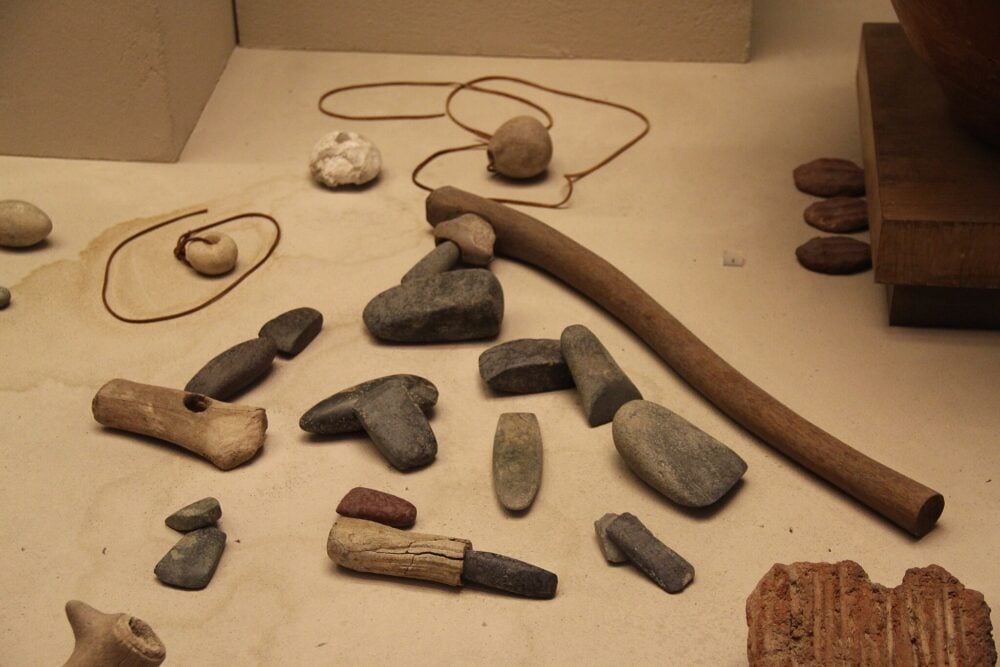
Close examination revealed chisel marks made with wedge-shaped stone tools. Ancient artisans painstakingly chipped away at the sandstone to create the deep lines and realistic outlines that define each animal.
Producing a single life-size engraving would have required weeks or even months of work. The precision and scale show that these were not casual efforts but projects requiring collaboration, planning, and remarkable dedication. The craftsmanship alone demonstrates the skill and determination of prehistoric peoples in the Arabian Peninsula.
4. Camels Take Center Stage
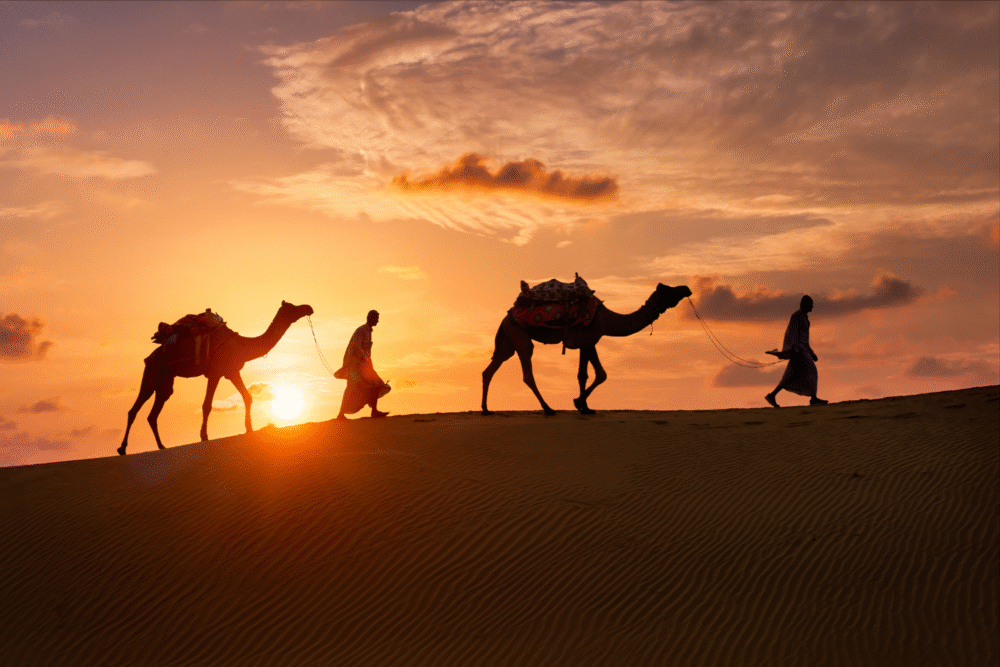
Camels are the most frequently depicted animals in the carvings, emphasizing their central role in Arabian life. These figures predate camel domestication, so they represent wild herds that once roamed the greener landscapes of the region.
Camels were vital for survival and may also have held spiritual importance. Their repeated appearance suggests that the carvings honored the animals as more than just food sources. Instead, camels may have symbolized resilience, mobility, and the power to endure life in a challenging desert environment.
5. Gazelles and Extinct Species Included
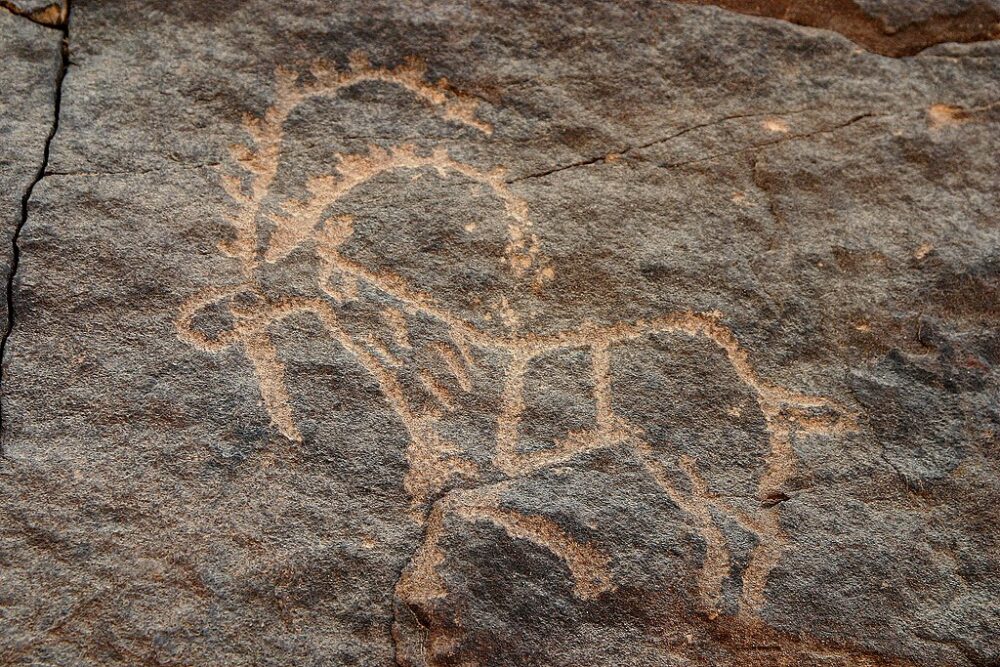
Beyond camels, researchers identified gazelles and possibly now-extinct animals in the carvings. These depictions provide a unique record of the biodiversity of Arabia during prehistoric times.
The presence of species no longer found in the desert reflects how dramatically the region’s climate has changed. At the time the carvings were made, the Arabian Peninsula was far greener, with rivers and grasslands supporting diverse wildlife. The engravings preserve visual evidence of animals that vanished as the environment became more arid.
6. Engravings in Hard-to-Reach Places
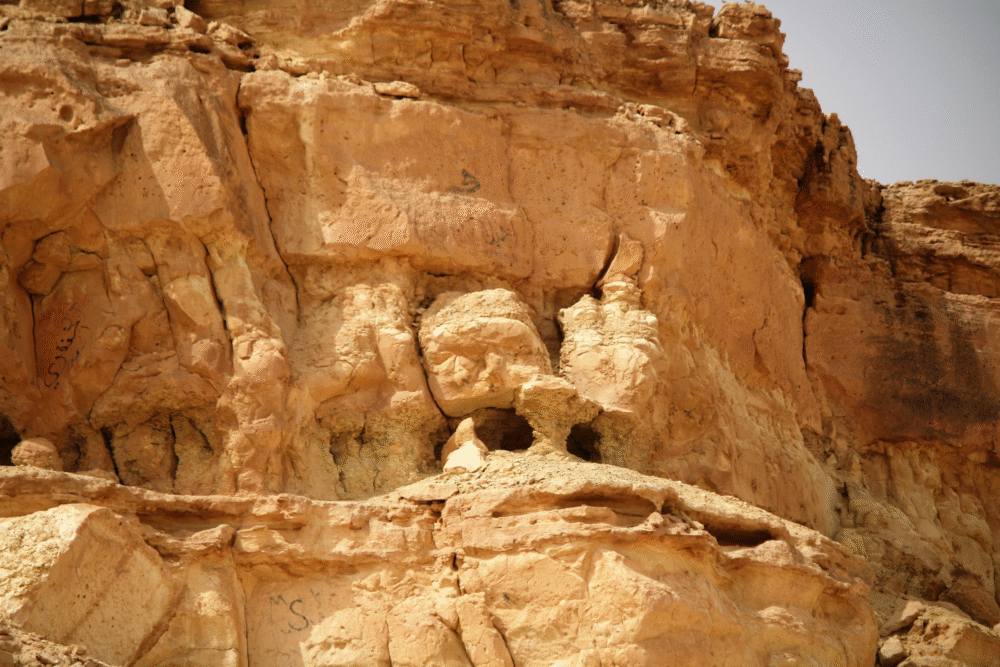
Many carvings are located on narrow ridges and high ledges, where it would have been difficult and dangerous to work. Archaeologists suggest that scaffolding or climbing aids may have been used to reach these spots.
The deliberate placement implies that visibility and symbolism mattered. Carvings in prominent or precarious locations may have been designed to stand out in the landscape, possibly serving as ceremonial markers or symbols visible to passing groups. Their placement underscores the importance of these works to the societies that created them.
7. Evidence of Long-Term Use
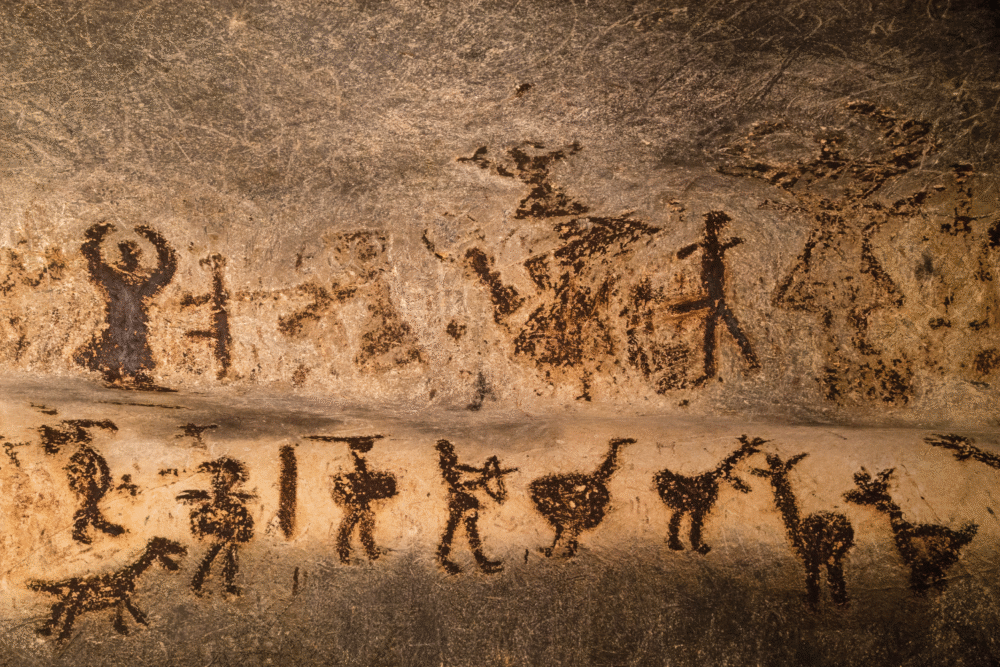
Some carvings show signs of reworking, with lines recut or reshaped centuries after they were first made. This suggests that the site remained significant over many generations, drawing repeated attention and effort from different communities.
This continuity indicates that the carvings were not isolated events but part of a long-lasting cultural tradition. Like sacred sites elsewhere in the world, the location may have served as a communal space where rituals, storytelling, and shared identity took place across thousands of years.
8. A Challenge to Old Assumptions

For decades, large-scale prehistoric art was associated with places like Lascaux in France or Saharan rock shelters. The discovery in Saudi Arabia shows that monumental art also flourished in the Arabian Peninsula.
This challenges old assumptions that Arabia was merely a corridor for migration rather than a center of innovation. Instead, the carvings demonstrate that prehistoric Arabian societies engaged in ambitious artistic projects, leaving behind evidence of symbolic thought, social organization, and cultural creativity equal to other parts of the ancient world.
9. A Window Into Prehistoric Life

The carvings provide rare insight into how prehistoric Arabian peoples viewed their environment. By depicting animals essential to survival, they reveal ecological priorities as well as cultural values.
This art suggests that communities were not only focused on day-to-day survival but also sought to record, celebrate, and perhaps mythologize the creatures around them. The engravings serve as a prehistoric narrative, showing how people connected with the land, its resources, and the animals that defined their world.
10. Arabia’s Climate Was Once Greener

When the carvings were created, the Arabian Peninsula was much wetter than today. Lakes, rivers, and grassy plains supported large herds of animals and allowed human groups to thrive in places that are now arid.
As the climate shifted toward desert conditions, species disappeared and human life changed drastically. The carvings preserve a snapshot of this earlier, greener Arabia, offering archaeologists critical evidence about environmental transformation and human adaptation across millennia.
11. A Discovery of Global Importance
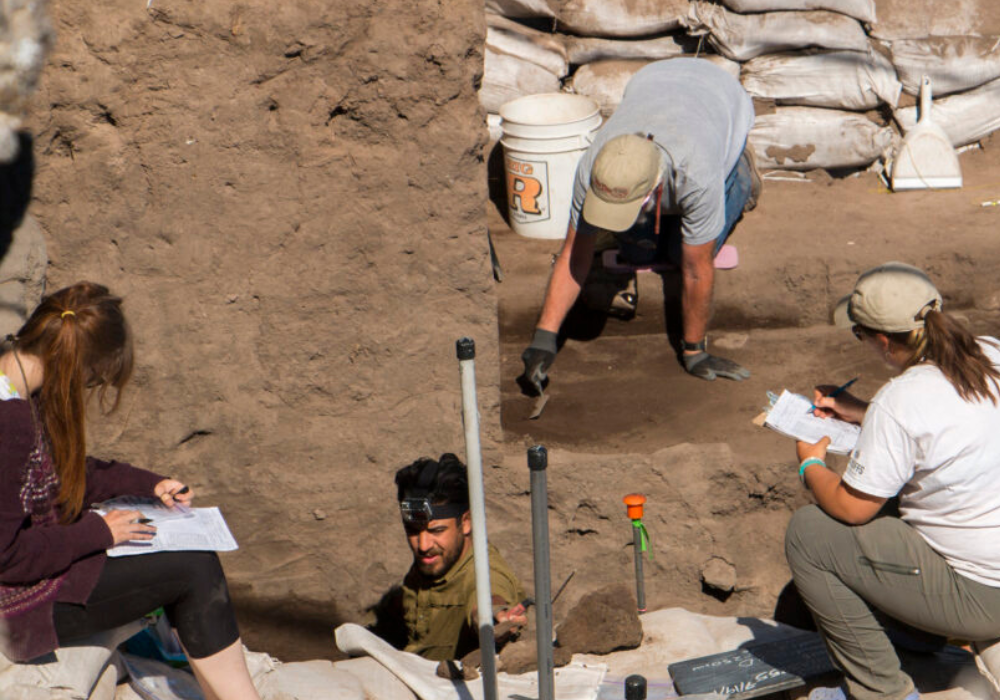
The findings, recently published in Nature Communications, have drawn international attention. Archaeologists regard them as one of the most significant prehistoric art discoveries of the last decade.
They reveal Arabia as an important center of early human culture, not just a barren desert landscape. The study highlights how much there is still to uncover about prehistoric societies in regions once overlooked by researchers and demonstrates how global the story of human creativity truly is.
12. The Mystery Endures

Despite growing knowledge, the ultimate meaning of the carvings is still uncertain. They may have marked sacred sites, served as territorial symbols, or been tied to myths and rituals lost to history.
Researchers continue to study the engravings in hopes of unlocking their purpose. Until then, they stand as both a mystery and a marvel—proof of humanity’s enduring drive to create art that transcends survival and connects us to the ancient people who shaped the desert landscape.