
A 4-degree temperature rise causes drastic environmental and societal changes worldwide.
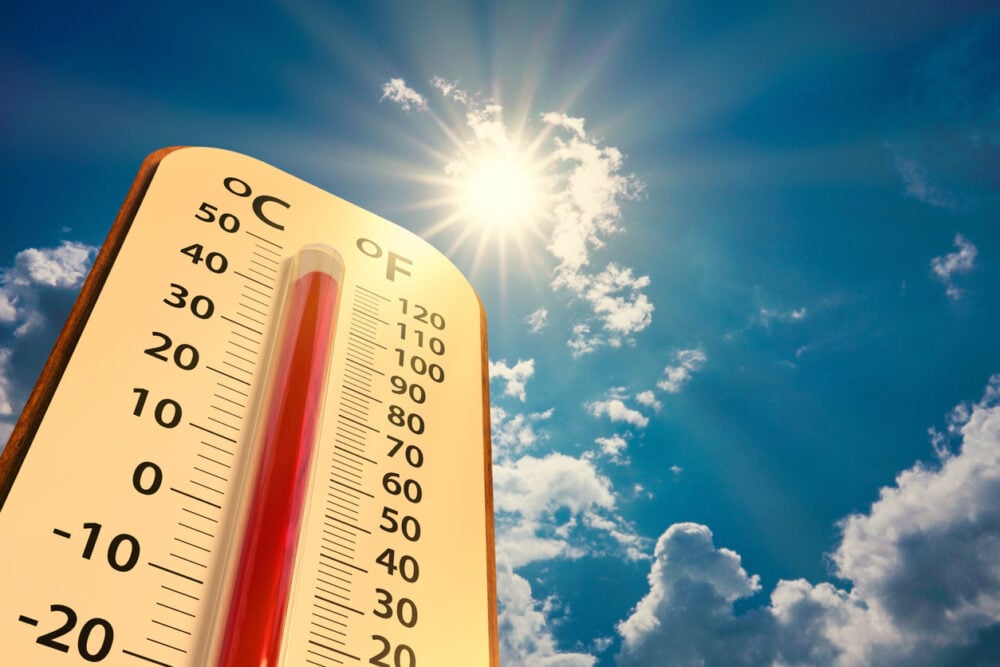
A 4-degree Celsius increase in Earth’s average temperature will trigger widespread consequences impacting ecosystems, weather patterns, human health, and economies. Experts from NASA, IPCC, NOAA, and more warn that such warming intensifies sea level rise, extreme weather, and biodiversity loss, disrupting food and water security. Understanding these risks highlights the urgent need for global climate action and adaptation efforts to minimize harm and protect communities.
1. Sea levels will rise, threatening coastal cities worldwide.
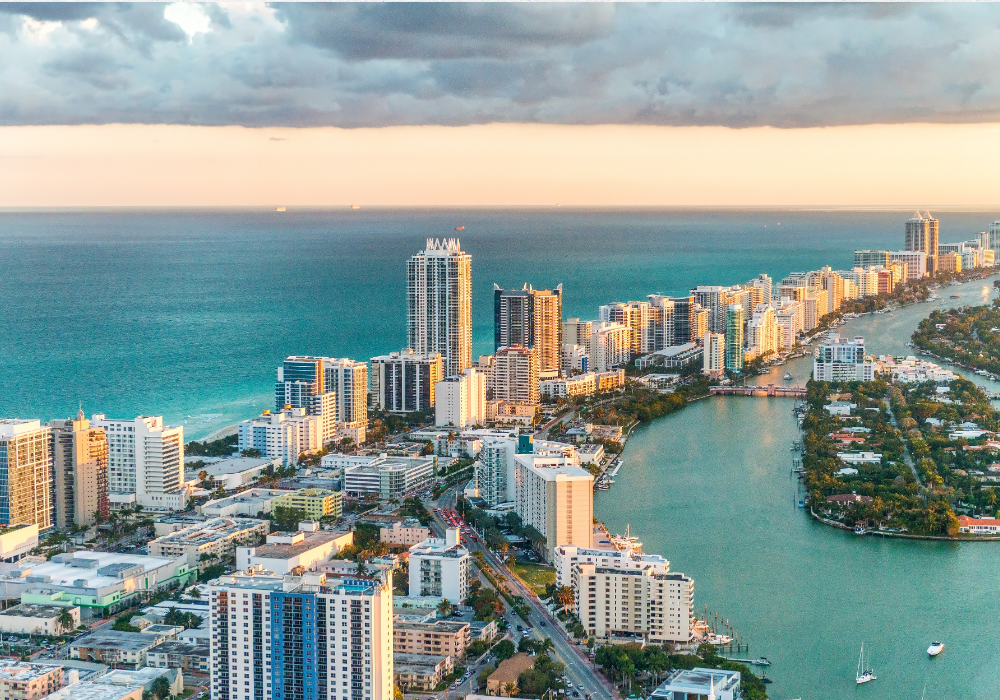
A 4-degree rise in Earth’s temperature will cause significant sea level rise due to melting glaciers and thermal expansion of seawater. Coastal cities around the world face serious flooding risks. Low-lying areas may experience chronic flooding, affecting millions of inhabitants.
Sea level rise will lead to land loss and infrastructure damage in many coastal regions. People living in these areas will need to relocate, causing social and economic strain. Coastal ecosystems will also suffer, with vital habitats such as mangroves and tidal marshes at risk.
2. Extreme weather events will increase in frequency and intensity.
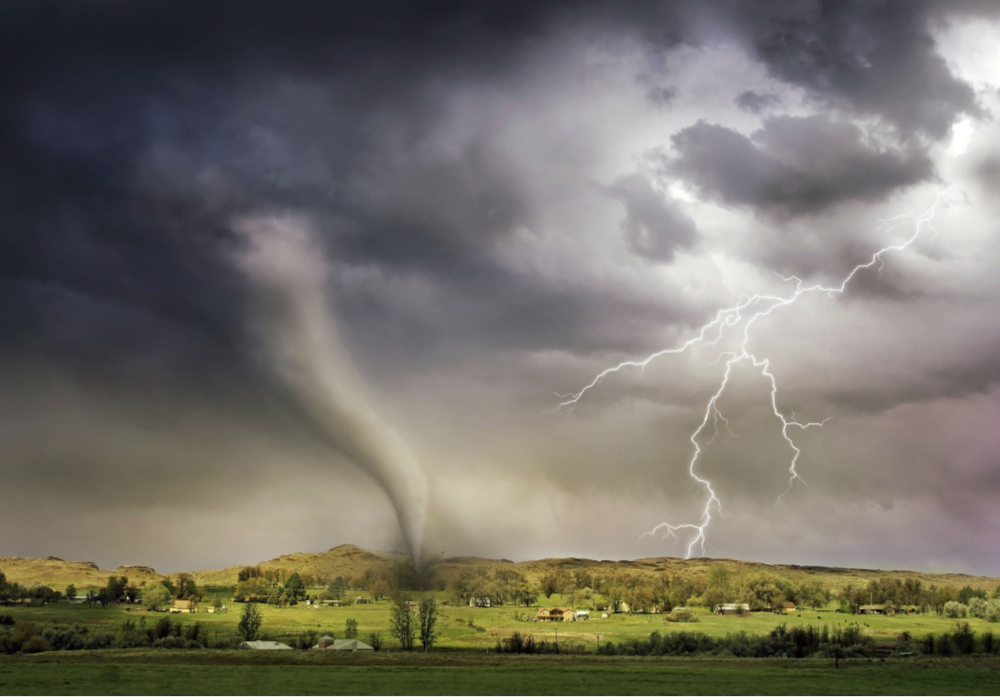
As the planet warms, extreme weather events will become more frequent and severe. Heatwaves, droughts, storms, and heavy rainfall will occur with greater intensity. This increase in extreme weather can disrupt daily life, damage infrastructure, and pose serious health risks.
Communities will need to prepare for more unpredictable and severe weather patterns. Emergency services and infrastructure resilience will become crucial to managing these events. The costs associated with disaster recovery will escalate, putting additional pressure on already struggling economies.
3. Agricultural yields will decline, risking global food security.
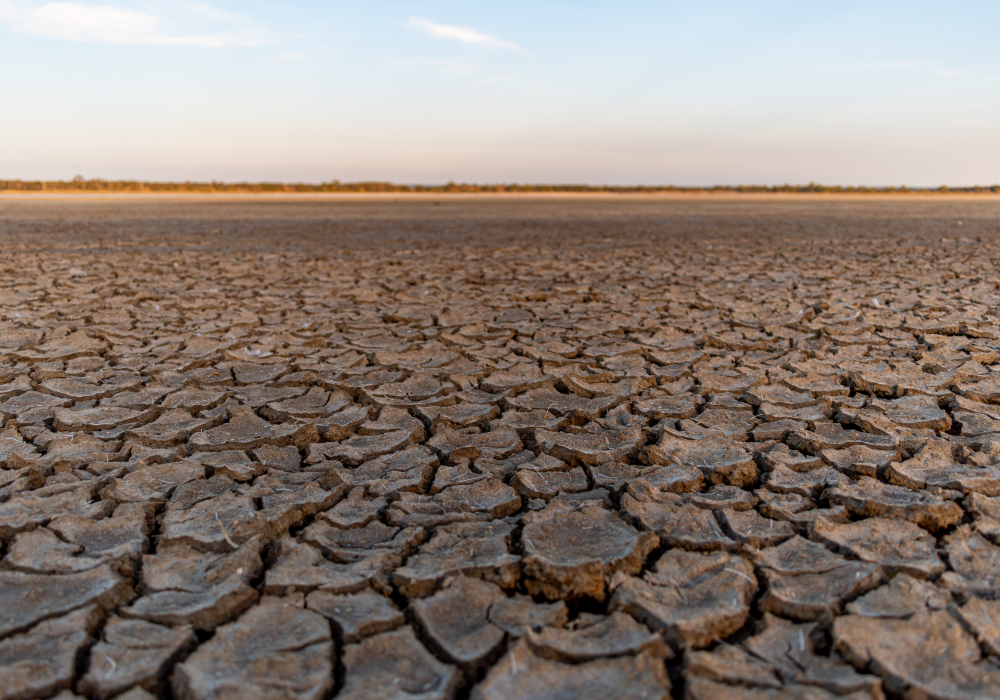
Higher global temperatures will negatively impact agricultural yields, threatening food security worldwide. Crops may suffer from heat stress, reduced water availability, and changing growing seasons. Regions dependent on staple crops could face significant food shortages and price hikes.
This decline in agricultural productivity can exacerbate hunger and malnutrition, particularly in developing countries. Farmers will need to adapt planting and harvesting practices to cope with the changes. Investing in climate-resilient crops and sustainable practices will become essential to safeguarding food supplies.
4. Freshwater resources will become scarcer in many regions.
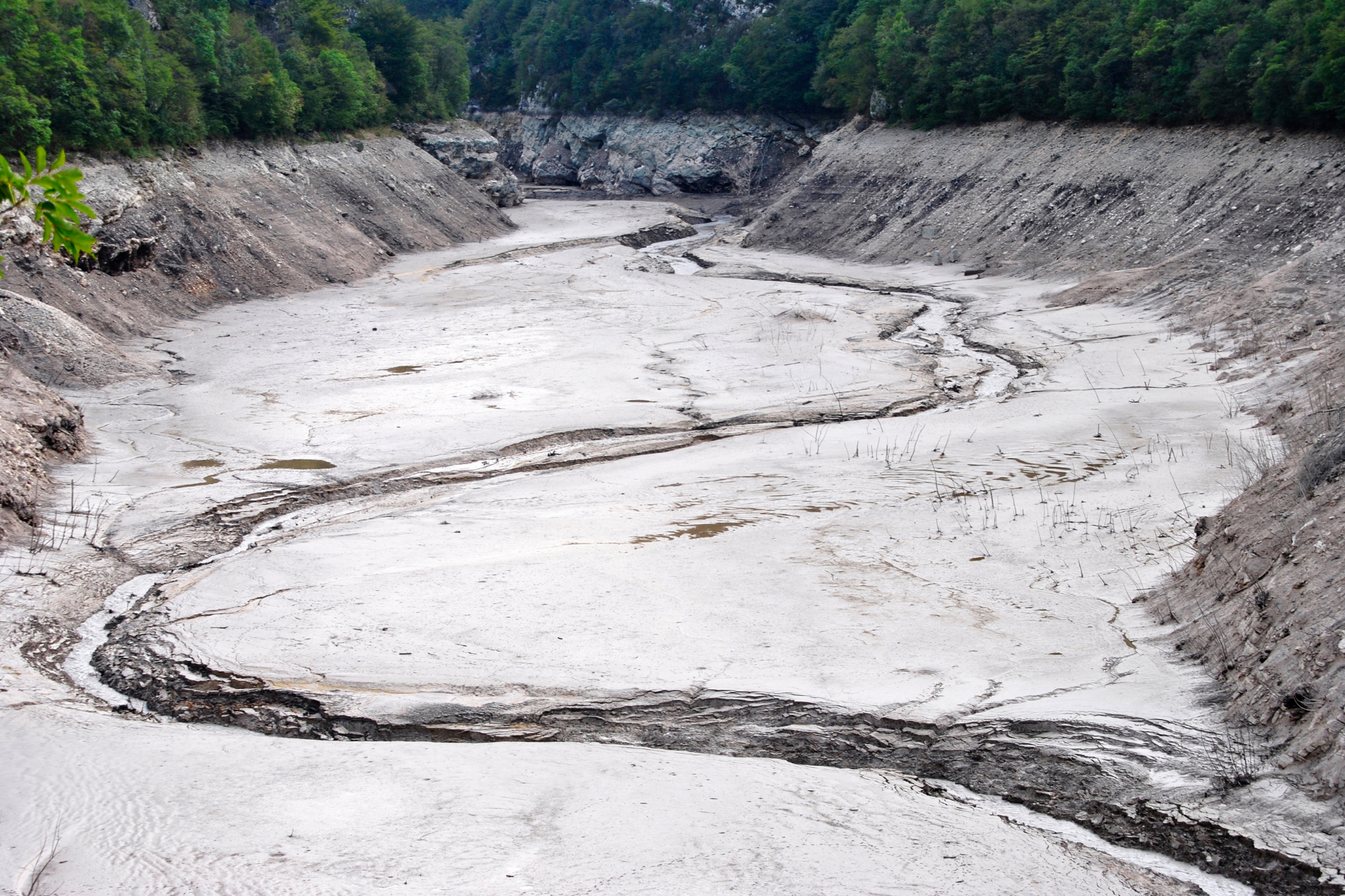
Global warming of 4 degrees will lead to the depletion of freshwater resources in many regions. Higher temperatures increase evaporation rates and alter precipitation patterns, resulting in more severe droughts and water scarcity.
Such changes will challenge the availability and management of water for drinking, agriculture, and industry. Regions already experiencing water stress could see intensified shortages, affecting livelihoods and human health. Sustainable water management and conservation measures will be critical in addressing these impending challenges.
5. Biodiversity loss will accelerate as habitats become unlivable.
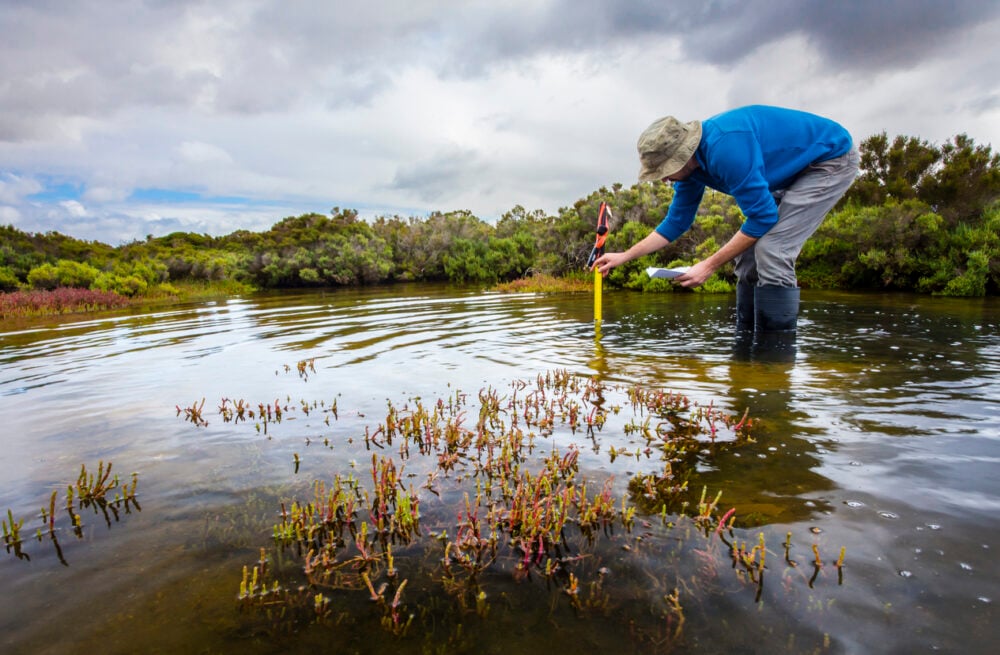
Biodiversity loss will accelerate significantly as rising temperatures make many habitats uninhabitable for their current species. Animals and plants unable to adapt or migrate face extinction. This loss of biodiversity disrupts ecosystems and weakens ecological resilience.
The diminishment of diverse species can harm ecosystems that provide crucial services like pollination, water purification, and carbon storage. Protecting natural habitats and creating migration corridors will be essential in supporting species survival. Preserving biodiversity ensures functional ecosystems that support human life.
6. Heatwaves will become more frequent, impacting human health.

Higher temperatures will lead to more frequent and intense heatwaves, posing increased health risks. Vulnerable populations, such as the elderly and those with existing health conditions, are particularly at risk from heat-related illnesses.
Overwhelmed healthcare systems could face added pressure from heat-related hospital admissions. Urban areas could experience a heat island effect, exacerbating temperature increases. To mitigate these impacts, infrastructure and public health services will need to adapt to better protect people from extreme heat.
7. Coral reefs will suffer widespread bleaching and die-offs.
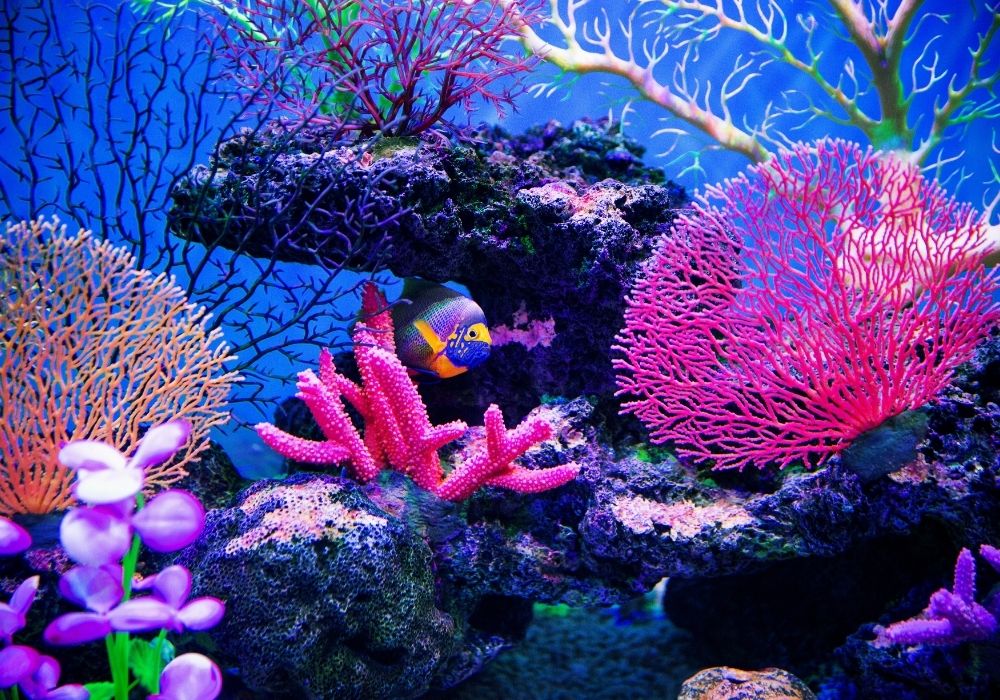
Widespread coral bleaching and die-offs will become more common as ocean temperatures rise. Coral reefs, which are highly sensitive to temperature changes, will suffer as prolonged warming causes corals to expel the algae they need to survive.
The degradation of coral reefs threatens marine biodiversity and local economies that depend on tourism and fishing. Reefs provide important coastal protection, and their loss would increase vulnerability to storms and erosion. Continued global warming could result in the collapse of these vital marine ecosystems.
8. Forests will face higher risks of wildfires and disease.
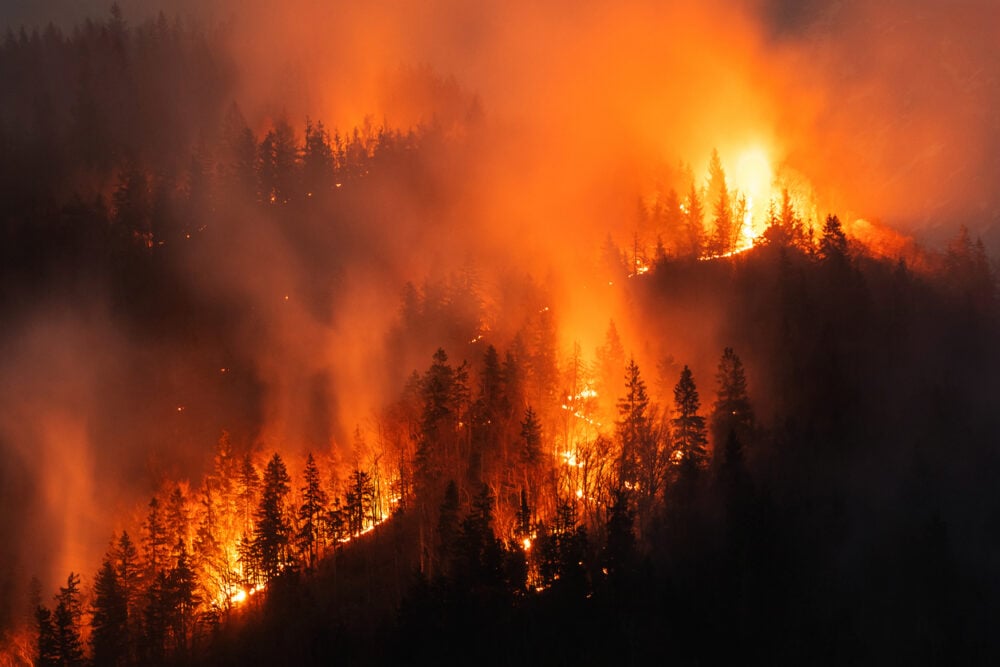
Forests will face increased risks of wildfires and diseases as global temperatures climb. Prolonged dry spells and higher temperatures will create conditions conducive to widespread fires and pest infestations, threatening forest health and longevity.
The loss of forests exacerbates climate change by reducing carbon sequestration and increasing carbon release from fires. Local communities and wildlife that depend on forests for resources and habitat will suffer from these disruptions. Sustainable forest management will be integral to minimizing damage and supporting recovery.
9. Ocean acidification will disrupt marine ecosystems and fisheries.

Rising carbon dioxide levels lead to ocean acidification, affecting marine ecosystems and fisheries. The ocean absorbs CO2, which reacts with seawater to lower its pH, harming aquatic life, particularly organisms with calcium carbonate shells or skeletons.
Vital species like shellfish, corals, and certain fish experience reduced growth and survival rates. This impact threatens global fisheries, food sources, and marine biodiversity. Maintaining marine life health through sustainable practices and policy changes will be crucial for protecting these ecosystems.
10. Economic damages will escalate due to infrastructure and disaster costs.
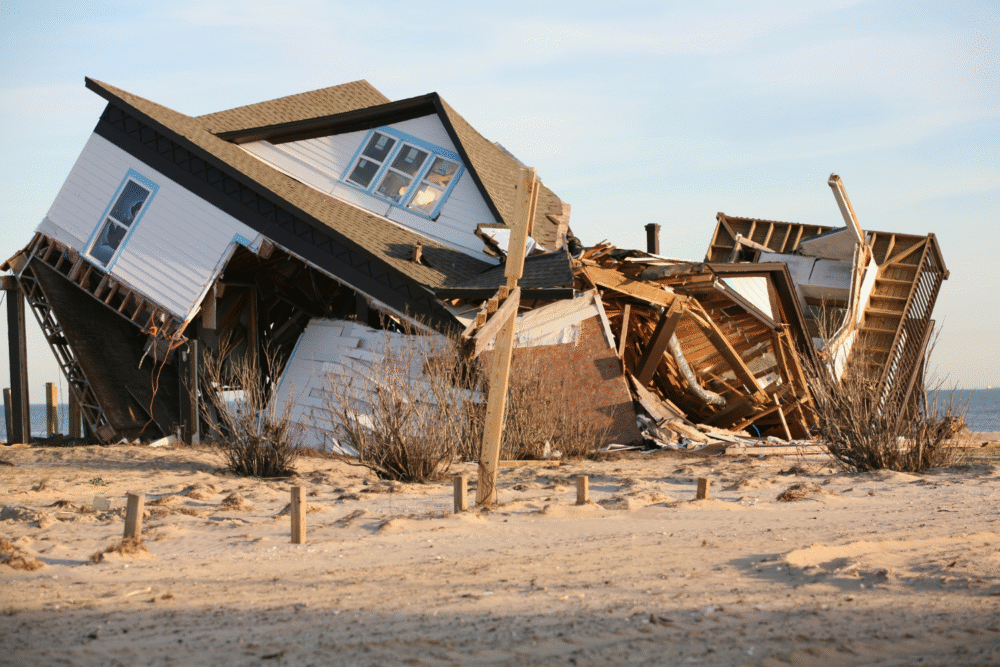
Economic damages will escalate due to increased infrastructure and disaster recovery costs. Communities will face greater financial burdens from reconstructing damaged structures and responding to climate-induced emergencies. Rising insurance premiums could strain businesses and homeowners alike.
Investments in robust infrastructure and disaster preparedness could mitigate some of these costs. However, insufficient action could result in substantial long-term economic losses. Addressing climate change proactively is necessary to secure economic stability and resilience against future disruptions.
11. Migration and displacement will increase as areas become inhospitable.
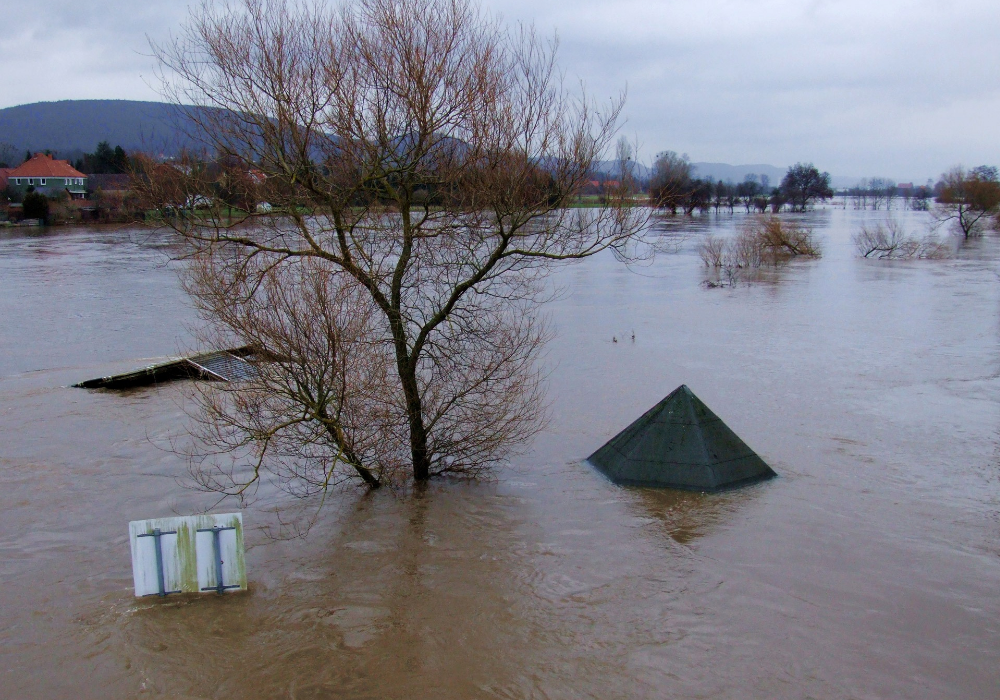
Migration and displacement will rise as certain regions become uninhabitable due to climate change. Rising sea levels, droughts, and extreme weather can force communities to relocate in search of safer, more hospitable environments.
Such movements may strain resources and systems in receiving areas, potentially leading to conflict and heightened social tensions. Large-scale migrations highlight the need for coordinated and compassionate global policy responses, ensuring people have secure and dignified avenues to adapt to environmental changes.
12. Energy demands will rise, straining resources and infrastructure.
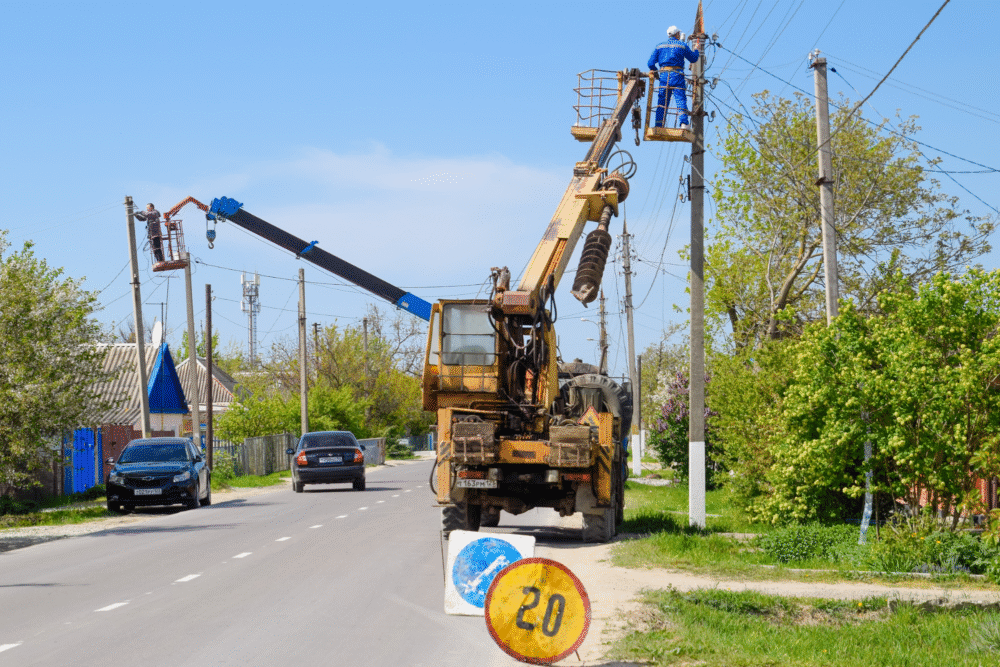
Energy demands will increase as global temperatures rise, putting additional pressure on resources and infrastructure. Hotter climates will drive the need for more cooling, raising electricity consumption and peak demand periods.
Rising energy costs and potential shortages could affect both consumers and industries. Transitioning to renewable energy sources and improving energy efficiency will be key to managing these challenges. Strengthening energy infrastructure can help support future demands while minimizing environmental impacts.