
The West Coast isn’t hurricane-proof anymore, and NOAA’s data proves it.
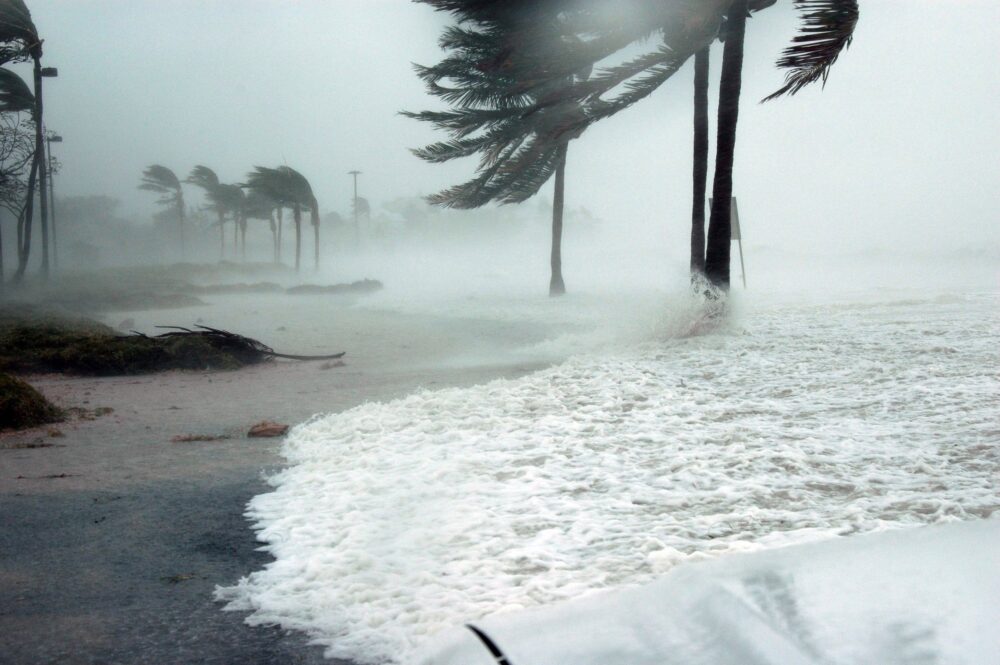
For decades, the U.S. West Coast has largely been spared the fury of hurricanes. But the 2025 NOAA Hurricane Outlook is challenging that sense of security. With rising ocean temperatures in the Pacific, a brewing El Niño, and shifting atmospheric patterns, storm systems are behaving in ways scientists haven’t seen before.
Though the Atlantic remains the primary breeding ground for major hurricanes, NOAA’s forecast highlights an increasing likelihood that remnants—or even rare direct strikes—could affect the West. The report underscores vulnerabilities in infrastructure, emergency response systems, and public awareness along the Pacific coast.
In a time when climate surprises are becoming the norm, coastal residents can no longer rely on historical luck. It’s time to face the storm—literally and figuratively—with better plans, smarter infrastructure, and real awareness.
1. NOAA’s forecast shows increased Pacific hurricane activity due to warming oceans.
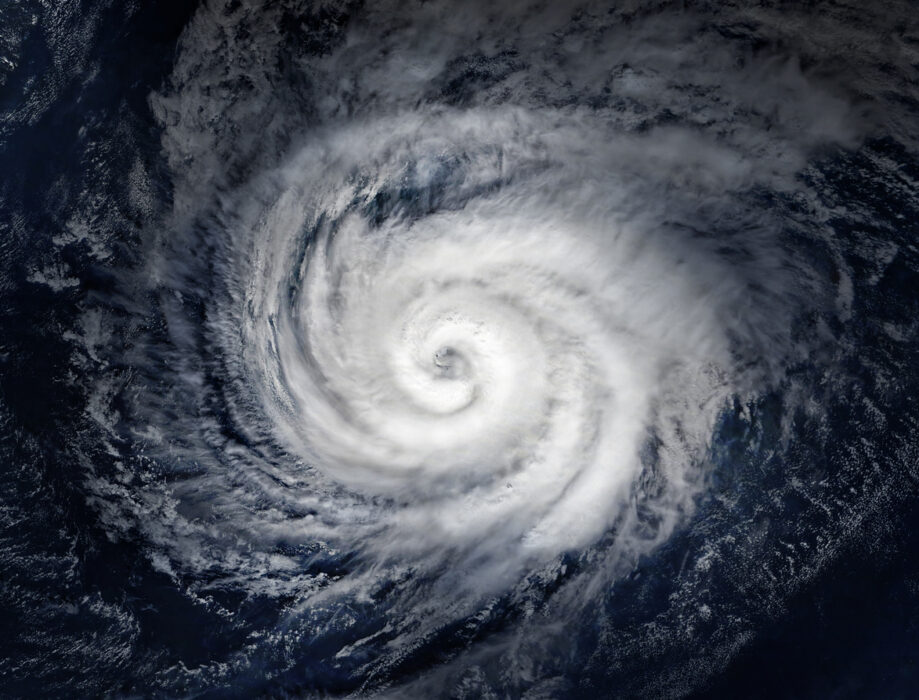
The latest outlook points to unusually warm sea surface temperatures in the Eastern Pacific—conditions ripe for stronger and more frequent hurricanes. While these storms typically veer out to sea or weaken before reaching land, rising water temperatures mean they could retain strength longer and drift closer to the West Coast.
According to NOAA scientists, warmer water acts as jet fuel for hurricanes, potentially extending their range and duration. This could result in powerful remnants or even rare direct hits impacting places like Southern California or Baja California. These shifting patterns highlight the urgency for Western states to take Pacific hurricane forecasts seriously. It’s no longer just an East Coast issue—climate change is redrawing the map of risk.
2. West Coast cities aren’t equipped for hurricanes the way Gulf and Atlantic states are.

Infrastructure along the West Coast was never designed with hurricanes in mind. From storm drainage systems to power grids, most cities are built to handle earthquakes and wildfires—not tropical storms packing inches of rain and 80-mph winds. Unlike Florida or Louisiana, California lacks widespread hurricane-rated construction codes, and its coastal cities could suffer major damage from even a glancing blow.
Inadequate stormwater systems could lead to widespread flooding, and fragile coastal bluffs are vulnerable to collapse under storm surge. NOAA’s new outlook is a wake-up call: retrofitting and updating critical systems must become part of West Coast urban planning, even if the storms remain infrequent.
3. Rare storms like Hurricane Hilary are no longer outliers—they may be a trend.
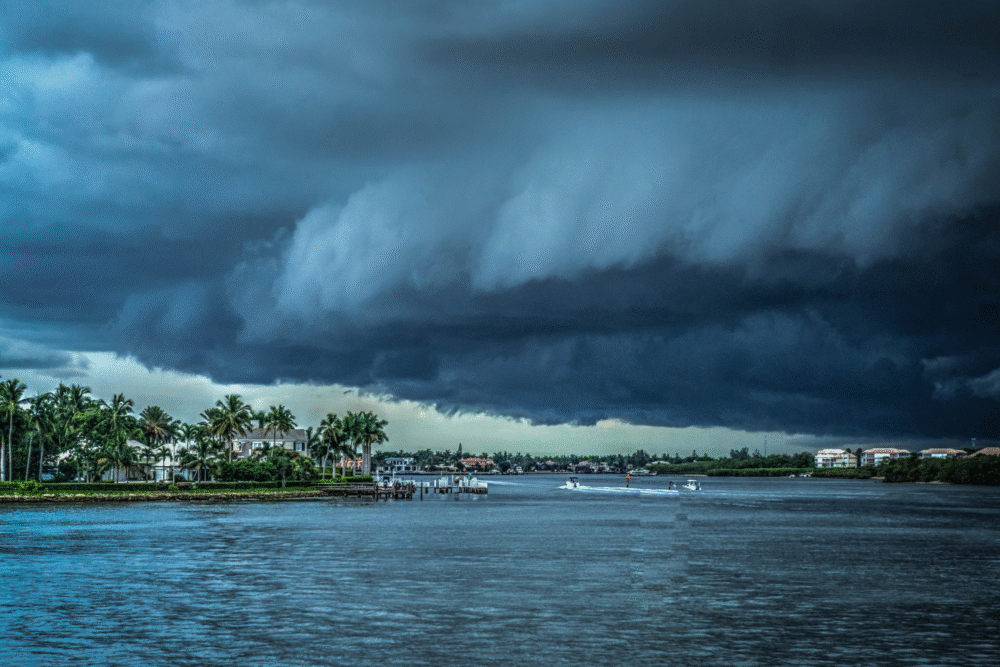
In 2023, Hurricane Hilary shocked many by pushing deep into the southwestern U.S., dumping record rainfall and testing emergency systems ill-prepared for tropical threats. NOAA’s updated models suggest that Hilary wasn’t a fluke but an early sign of what’s possible when ocean temperatures rise. As climate change fuels storm development and intensity, storms like Hilary could become the new normal.
The agency now includes West Coast storm impacts more prominently in its projections, emphasizing that preparation is no longer optional. If these events are becoming more regular, relying on emergency improvisation won’t cut it. Western states need hurricane-specific disaster protocols just as much as they need wildfire evacuation plans.
4. Flooding from storm remnants poses a bigger threat than wind on the West Coast.
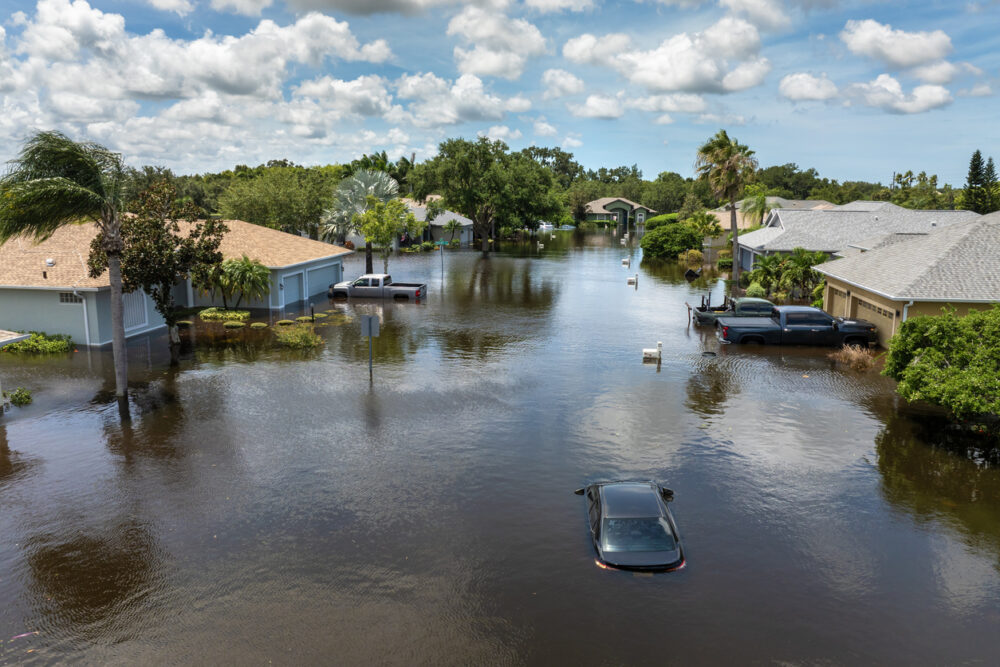
While the West Coast may never see Category 5 winds slam into its shores, the danger often comes from water, not wind. NOAA’s outlook warns that post-tropical systems—even if downgraded—can unleash devastating flash floods across deserts, foothills, and cities. California, Arizona, and Nevada have already seen this in action, where an inch of rain in an hour can turn dry riverbeds into raging torrents.
With outdated stormwater systems and growing development in flood-prone zones, the risks are multiplying. The new data emphasizes that storm remnants don’t have to be hurricanes to wreak havoc. Planning for water, not just wind, is crucial in protecting lives and property.
5. Emergency planning in Western states rarely accounts for hurricane-like scenarios.

Most West Coast emergency plans prioritize earthquakes, wildfires, and drought—not the sudden onset of tropical weather. NOAA’s warning suggests this mindset needs to change. Many counties lack tropical storm playbooks, evacuation procedures, or even warning systems that reflect hurricane-like conditions.
Schools, hospitals, and local governments may not have the communications infrastructure to handle such events. The forecast is a reminder that extreme weather can no longer be neatly categorized. With climate systems behaving unpredictably, comprehensive all-hazard preparedness is no longer a luxury—it’s a necessity.
6. Critical infrastructure like highways and airports are highly vulnerable to tropical rains.
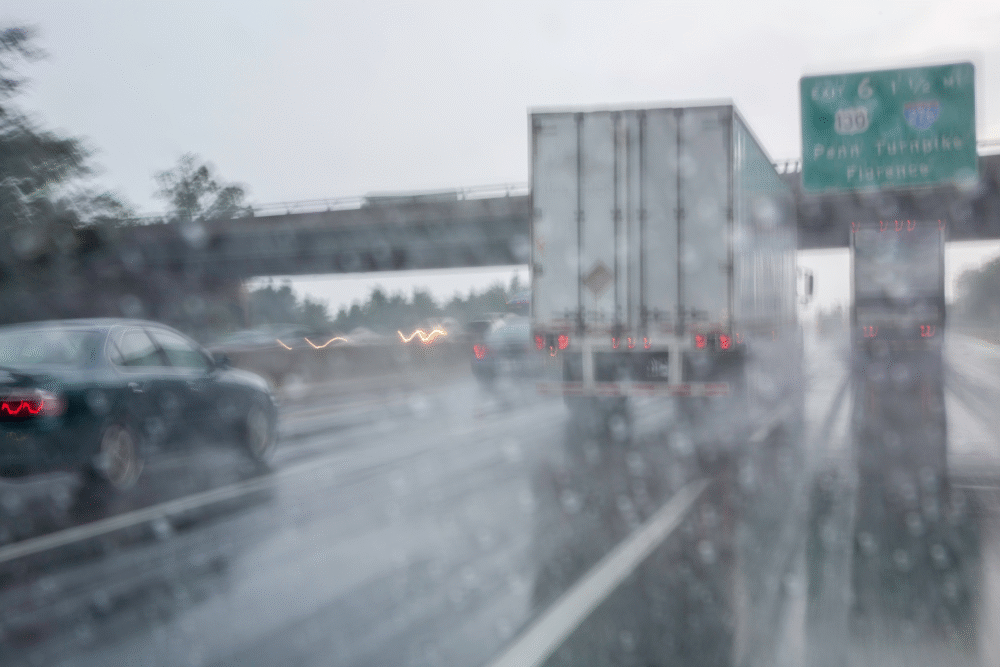
NOAA’s models show that a single tropical storm could disrupt transportation across major hubs like Los Angeles, San Diego, and Phoenix. Aging drainage systems, low-lying highways, and runway locations near coastlines make them especially susceptible to closure during heavy rainfall events. Delays or closures could impact supply chains, emergency response, and economic activity across the West.
This isn’t just a weather problem—it’s a logistical one. The outlook underscores the need for regional infrastructure audits and flood mitigation plans. Climate resilience isn’t just about protecting homes—it’s about keeping the entire system functioning when weather turns volatile.
7. The West’s wildfire season could be disrupted or worsened by off-season tropical moisture.

One surprising note in the NOAA outlook is how increased storm activity could collide with—or even worsen—the West’s already severe wildfire season. Tropical moisture arriving at the wrong time could trigger flash fuels or lightning, setting off unpredictable fire behavior. Conversely, late-season storms could delay drying periods, making prescribed burns harder to schedule.
Either way, wildfire management agencies will have to adjust. NOAA scientists warn that new climate overlaps could catch even veteran fire crews off guard. The blending of two climate threats—hurricanes and wildfires—adds a new layer of complexity to an already strained emergency system.
8. Pacific islands and Baja California may face more frequent direct hits.

While the U.S. mainland grabs headlines, NOAA’s forecast also raises red flags for vulnerable regions like Hawaii, Baja California, and Pacific territories. The outlook indicates a greater probability of direct hits in these zones due to shifting storm tracks and warmer ocean waters. These areas often lack the extensive emergency infrastructure of the mainland, and even moderate-strength hurricanes could have devastating consequences.
West Coast residents with ties to these regions—or those who travel or invest there—should take note. The effects won’t be confined to U.S. borders, but the humanitarian and economic consequences could ripple widely.
9. The NOAA outlook could influence insurance, building codes, and climate policy.

NOAA’s authoritative forecasts don’t just inform weather nerds—they guide policy, urban development, and insurance risk assessments. If tropical storm threats to the West become more credible, expect ripple effects in the way properties are insured, buildings are constructed, and emergency budgets are allocated.
Some experts already warn that insurance premiums could rise in Southern California coastal areas. Others see an opportunity to revisit outdated zoning laws and demand climate-smart development. This latest NOAA forecast could be the spark that forces the West Coast to modernize its climate risk strategy—not just for earthquakes or fires, but for tropical weather, too.
The Calm Is Over—It’s Time to Prepare for a New Storm Reality

For years, the West Coast has been seen as immune to hurricanes—tucked safely behind the perceived barrier of the Pacific’s cooler waters. But NOAA’s latest hurricane outlook shows that climate change is shifting the rules.
As oceans warm and weather patterns intensify, the threat of tropical systems reaching the Pacific Coast is no longer far-fetched. These storms may not mirror East Coast catastrophes, but their impacts—flooding, infrastructure failures, and emergency response gaps—could still be devastating. The era of assuming safety is over.
Whether it’s city planners, homeowners, or everyday citizens, everyone along the Pacific must adapt. Preparedness now means considering every kind of climate threat, not just the ones we’re used to. The next big storm might not wait for the West to catch up.