
Scientists say even a minor change in Earth’s tilt could push some regions beyond livable limits.

Earth’s 23.5-degree axial tilt is what creates the planet’s seasons and keeps temperatures within livable ranges. But scientists say even a two-degree change could have devastating global effects. Such a shift would drastically alter sunlight distribution, intensify weather extremes, and push ecosystems past their limits.
Regions near the equator could face unbearable heat, while polar zones might plunge into deep freeze—transforming once-habitable countries into harsh, unlivable environments within a single generation.
1. Earth’s Tilt Controls the Seasons and Global Climate
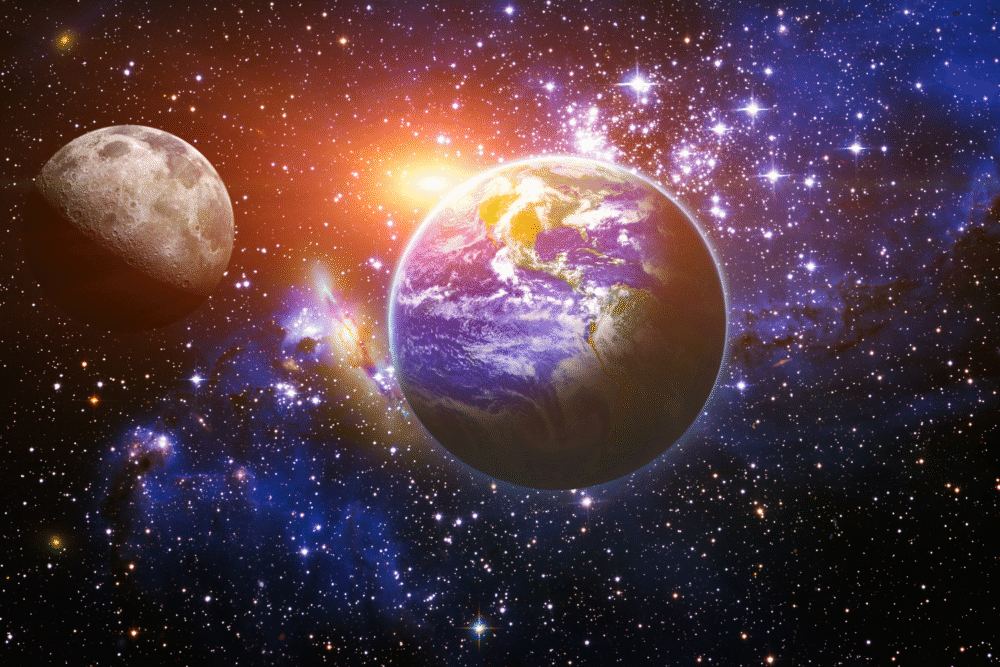
Earth is tilted about 23.5 degrees on its axis, and that slight angle is what gives us seasons. The tilt determines how sunlight hits different parts of the planet, shaping everything from temperature zones to rainfall patterns. Without it, many ecosystems and growing cycles simply couldn’t exist.
If that tilt changed by even two degrees, the shift in sunlight would dramatically alter global weather systems. Areas near the poles could see colder, longer winters, while equatorial regions might become unbearably hot year-round—a serious disruption to the balance sustaining life.
2. A Two-Degree Shift Could Melt Ice at Unprecedented Rates
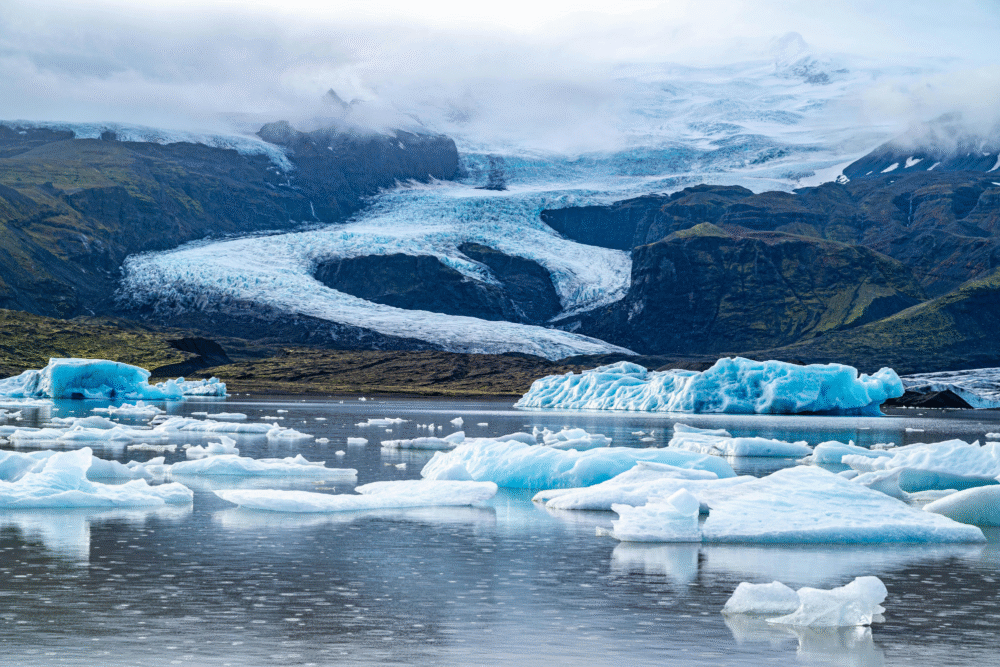
If Earth tilted slightly more toward the Sun, polar regions would warm faster, accelerating ice melt in Greenland and Antarctica. Scientists have shown that small changes in solar radiation can dramatically speed up the loss of ice sheets, contributing to rising sea levels worldwide.
That added meltwater would disrupt ocean currents and coastal stability. Cities like Miami, Amsterdam, and Bangkok could experience more frequent flooding, while low-lying island nations might lose habitable land entirely. A seemingly minor tilt could therefore have catastrophic consequences for millions living along coastlines.
3. Extreme Heat Could Make Equatorial Regions Unlivable
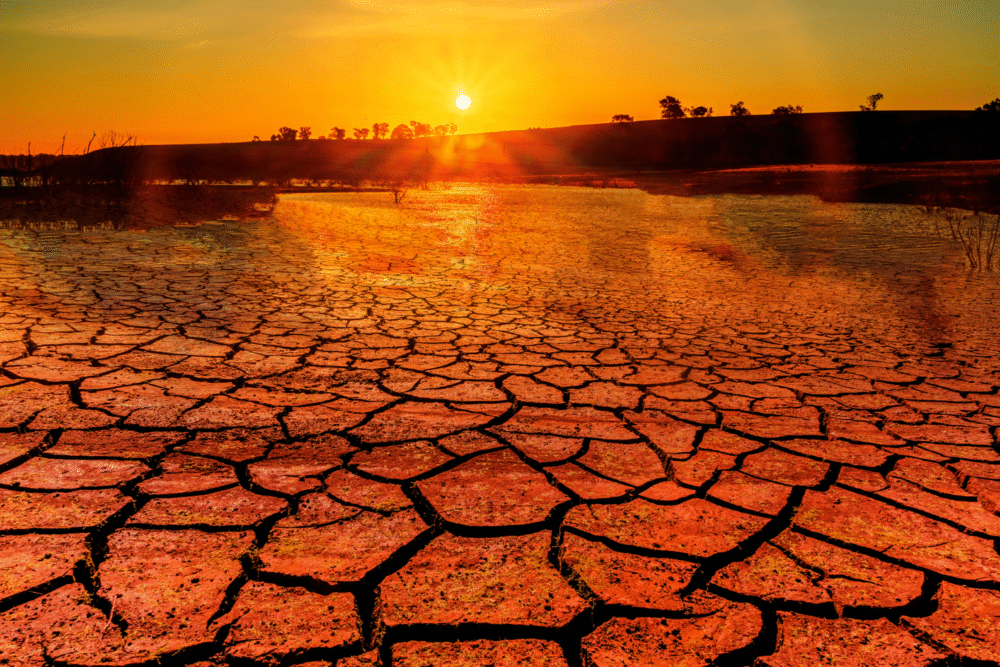
A two-degree increase in Earth’s tilt would make the Sun strike the tropics more directly for longer periods. Temperatures in equatorial regions—already among the hottest on Earth—could soar well beyond safe limits for humans and many animal species.
Countries like Indonesia, Brazil, and the Democratic Republic of Congo might face year-round extreme heat waves. Crops would wither, livestock would die, and outdoor labor could become deadly. Such a temperature rise could create mass migrations as people flee regions that no longer support normal life.
4. Polar Winters Could Last Even Longer
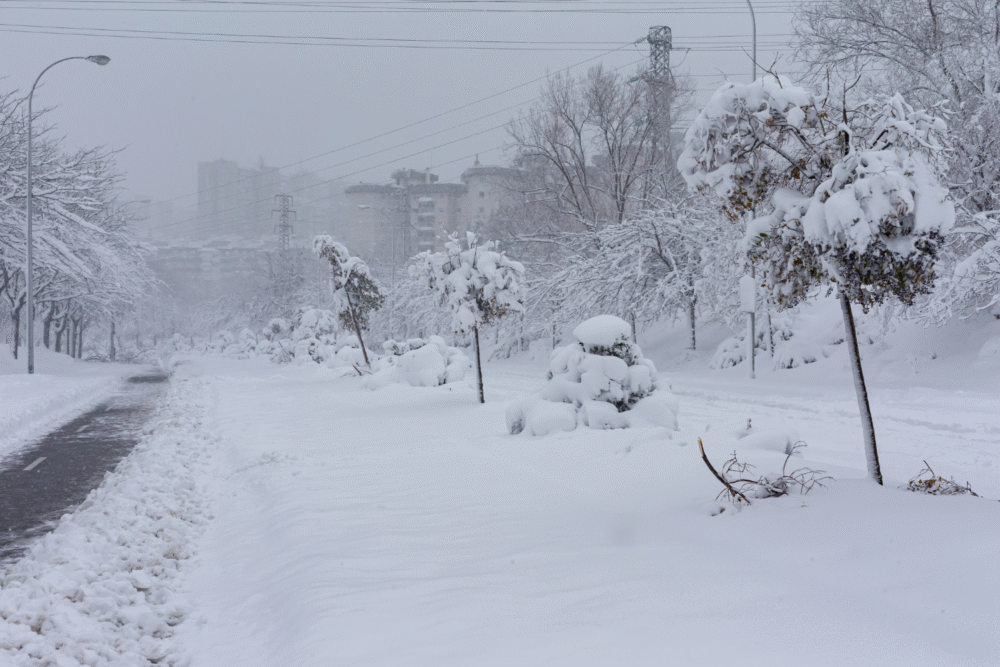
At the opposite extreme, a two-degree tilt away from the Sun would deepen winter conditions near the poles. Parts of Canada, Russia, and Scandinavia could face even longer, darker winters and shorter, cooler summers. That would limit growing seasons and drive wildlife further south in search of food.
Thicker sea ice might form initially, but that cooling would also disturb atmospheric circulation. The imbalance could send frigid air masses further south, triggering harsher winters in areas that normally enjoy milder climates—creating global ripple effects.
5. Rainfall Patterns Would Shift Dramatically
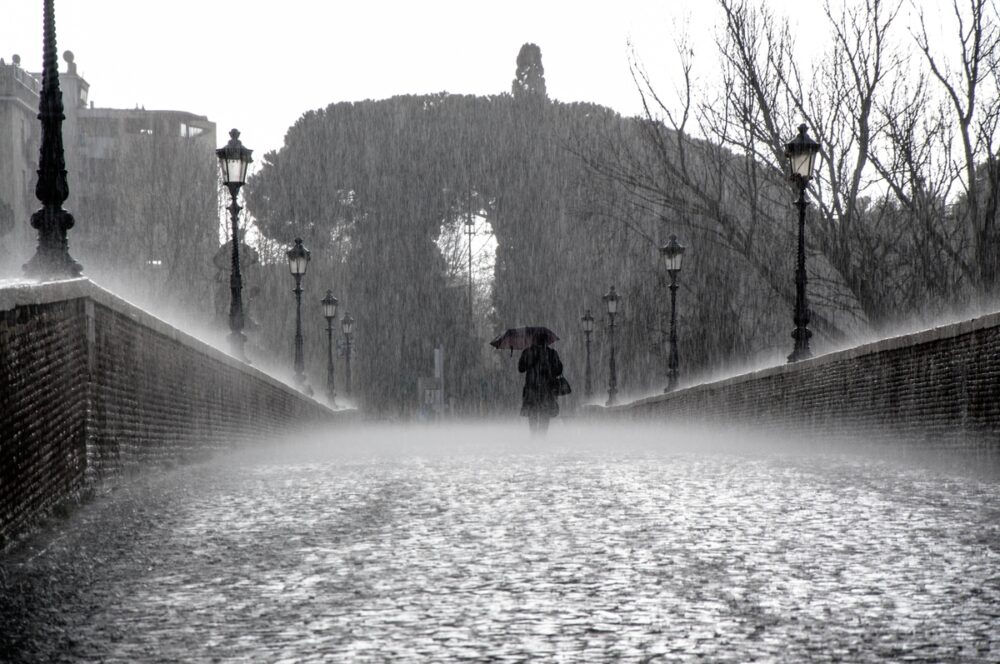
Earth’s rainfall patterns are directly tied to how sunlight heats land and ocean surfaces. A small tilt change would alter global wind and precipitation zones, moving critical rain belts north or south. That means regions now rich in rainfall could dry out, while deserts might suddenly receive more moisture.
For example, South Asia’s monsoon patterns depend on consistent heating differences between land and sea. A tilt shift could weaken or intensify those monsoons unpredictably, leading to either drought or flooding—both devastating for agriculture and human survival.
6. Ocean Currents Could Lose Their Stability
Ocean currents act like conveyor belts, distributing heat across the globe. The Gulf Stream, for instance, keeps Western Europe warmer than similar latitudes elsewhere. A change in Earth’s tilt could disrupt that system by altering how much solar energy warms ocean surfaces.
If these currents slowed or changed direction, coastal climates could cool sharply while other regions overheat. Marine ecosystems—already under stress from warming waters—would struggle to adapt. The loss of current stability would also affect fisheries and food supplies for billions of people worldwide.
7. Agricultural Zones Would Shift North and South
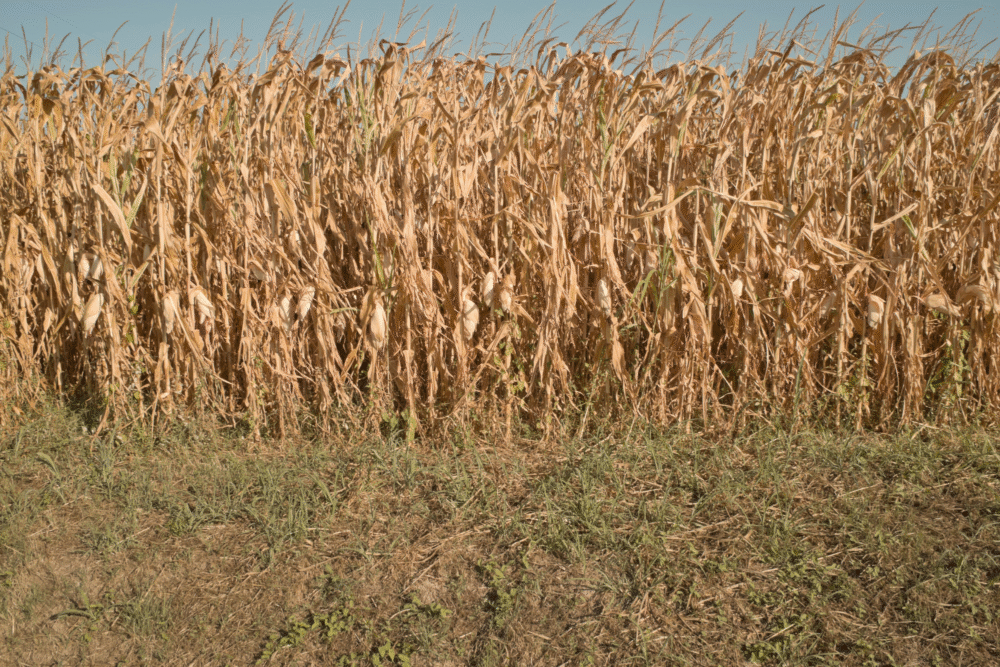
Farmers rely on stable growing seasons shaped by Earth’s tilt and predictable sunlight cycles. A two-degree tilt would move climate zones, making some once-fertile lands too dry or too hot for crops to thrive.
Northern regions might gain new agricultural opportunities as temperatures rise, but southern regions could lose them. Staple crops like wheat, corn, and rice would face shorter growing windows or outright failure. Global food supply chains could collapse under the pressure of sudden, massive shifts in productivity.
8. Wildlife Migration Patterns Would Collapse

Animals migrate according to daylight, temperature, and food availability—all tied to Earth’s axial tilt. A two-degree change would throw off these natural cues, causing confusion and population decline. Birds, for example, might arrive at breeding grounds before food sources are ready.
Marine animals such as whales and fish would also suffer as ocean temperatures and currents change. Some species might adapt by shifting their ranges, but others—especially those bound to specific habitats—could vanish entirely, triggering cascading effects throughout ecosystems.
9. Coastal Cities Could Face Unrelenting Flooding

If the tilt caused polar ice to melt faster, rising seas would threaten major coastal hubs worldwide. Even a modest rise in sea level could displace tens of millions of people from low-lying areas. Flood barriers and seawalls would no longer be enough to protect cities like Shanghai, New York, and Mumbai.
The resulting economic losses would reach trillions of dollars. Ports, power stations, and water systems near the coast would all face chronic inundation, forcing global governments to rethink how and where humans can safely live.
10. Drought Could Spread Through Key Food Regions

Regions such as the American Midwest, southern Europe, and central Australia could see reduced rainfall under a tilt shift. Less precipitation would dry up rivers, stress crops, and deplete reservoirs that millions depend on for drinking water.
Once-fertile lands could turn to dust, echoing historic droughts like the 1930s Dust Bowl. Food shortages would drive prices higher worldwide, hitting vulnerable populations hardest. The shift would highlight how tightly human survival is linked to the planet’s delicate axial balance.
11. Climate Refugees Could Number in the Billions
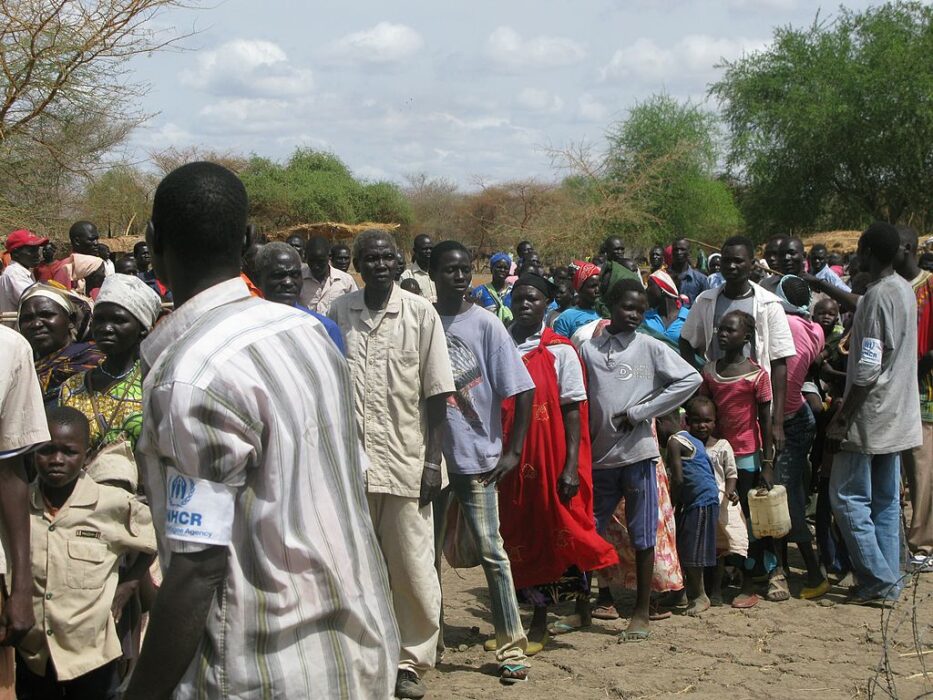
If regions near the equator become too hot and polar zones too cold, billions could be forced to relocate. Entire nations might face large-scale displacement, sparking humanitarian crises across multiple continents.
Urban centers in more temperate regions would face massive population pressure, while border conflicts could rise as countries struggle to accommodate migrants. Economies and infrastructures would be strained to the breaking point, reshaping geopolitics for generations.
12. The Tilt Could Change—But Only Over Vast Timescales
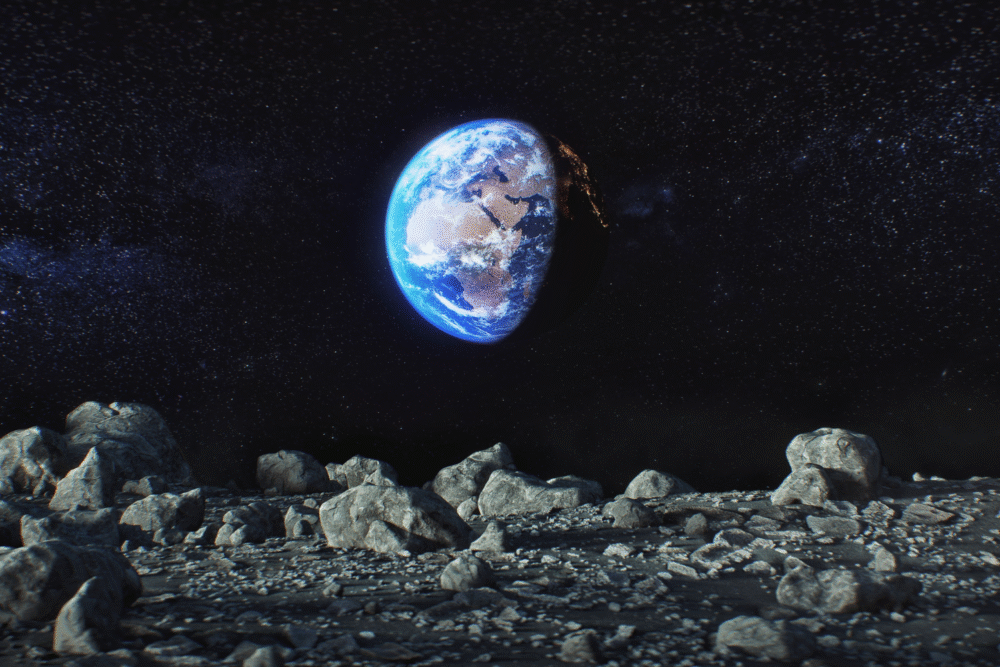
Scientists say Earth’s axial tilt does change slightly over tens of thousands of years due to gravitational interactions with the Moon and other planets. These gradual shifts, called “Milankovitch cycles,” have influenced past ice ages and warm periods.
A sudden two-degree tilt, however, isn’t something that could happen naturally overnight. It would take a massive external force—like a large asteroid impact—to trigger such a change. Still, studying how sensitive our planet is to even small variations helps scientists understand the fine balance that keeps Earth habitable.