
A familiar planet turns out to be slightly stranger than the outlines we trusted for decades.
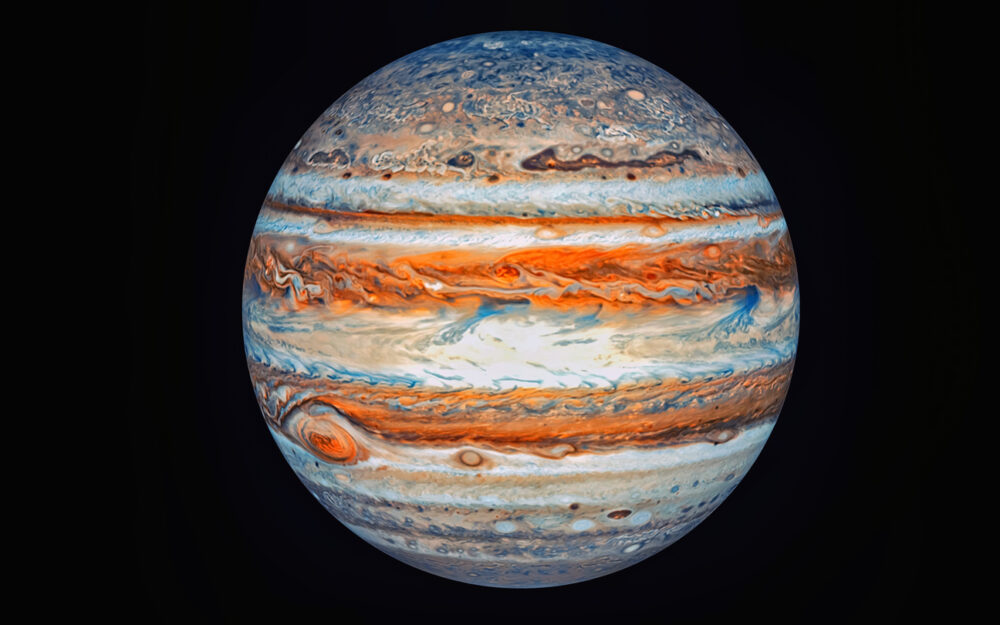
A planet as famous as Jupiter feels like it should be fully mapped by now. Its size is printed in textbooks, used in software, and treated as a fixed cosmic fact.
But Jupiter is not a solid surface with a clear edge. It is a spinning, windy ball of gas, and the “radius” depends on where you measure and what the atmosphere is doing.
Using newer data from NASA’s Juno mission, scientists have refined Jupiter’s shape at the 1-bar pressure level. The change is small, but it quietly forces a rethink of how we model what is happening inside the solar system’s giant.
1. Jupiter’s “True” Shape Was Never as Simple as a Circle
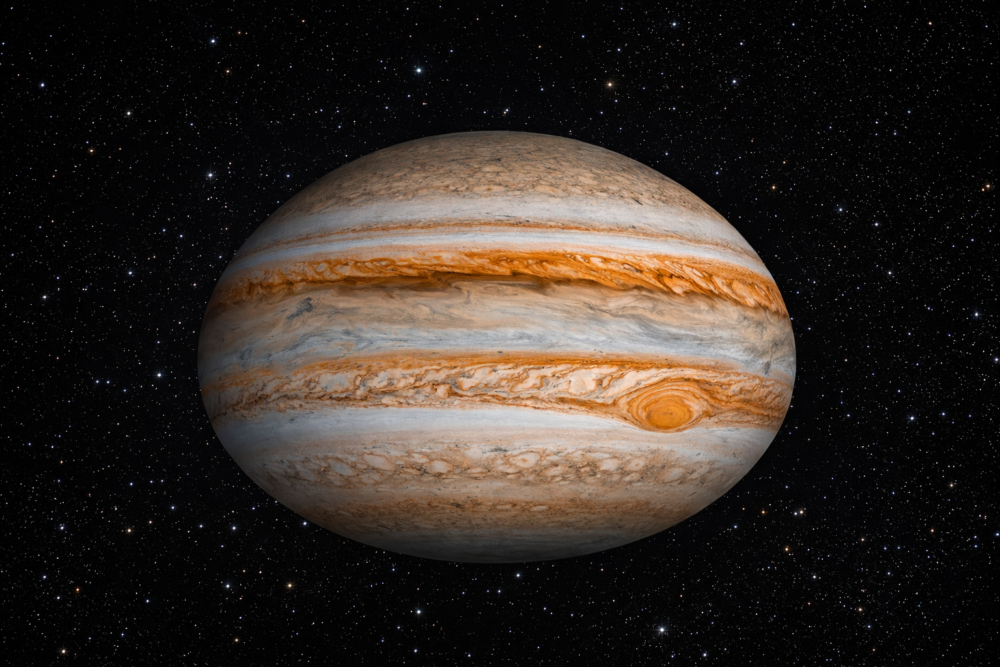
Jupiter looks like a smooth sphere in images, but it is noticeably squashed. Its rapid rotation causes the equator to bulge outward while the poles flatten.
For decades, scientists relied on dimensions based largely on older flyby-era measurements. Those values were solid for their time, but they were not built from the kind of repeated, ultra-precise observations that later missions were able to collect while orbiting the planet closely.
2. The New Result Sounds Tiny, Then You Realize What It Changes
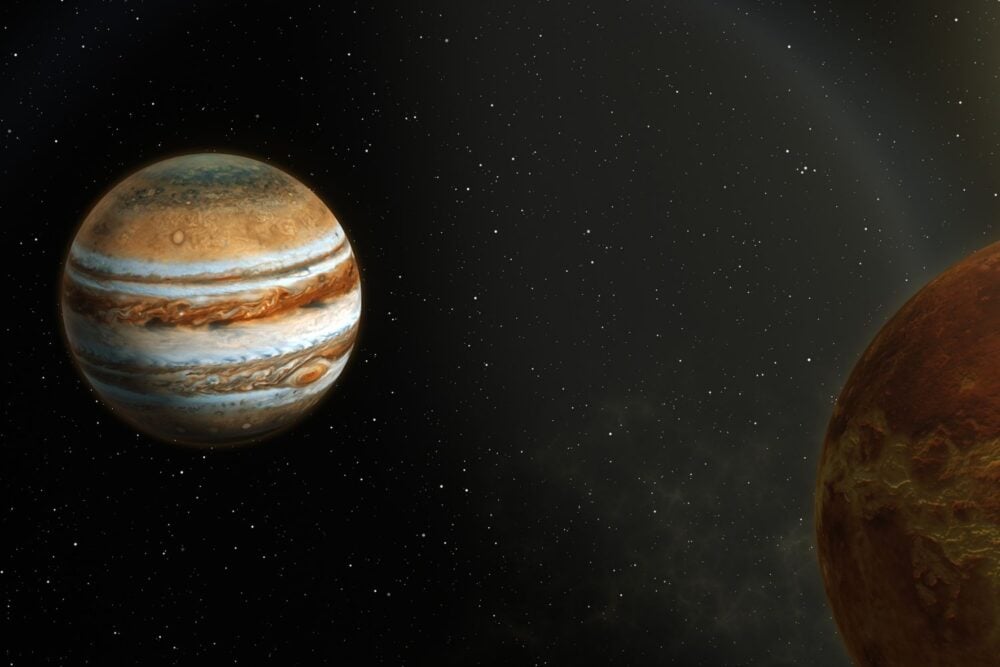
The updated measurements suggest Jupiter is slightly smaller and more flattened than long-used figures indicated. The difference amounts to only a few kilometers, depending on where and how the measurement is made.
That may sound insignificant, but Jupiter serves as a baseline for understanding gas giants throughout the solar system and beyond. Small refinements in its size ripple outward into many other planetary calculations.
3. Why the Planet’s “Edge” Is Hard to Define
Unlike Earth, Jupiter has no solid surface. There is no clear boundary where the planet ends and space begins.
To solve this, scientists define Jupiter’s size at a specific atmospheric pressure level, usually the point where pressure equals one bar. That choice matters, and improving how that level is measured can slightly shift the planet’s official dimensions without Jupiter physically changing at all.
4. How the Measurements Were Actually Made
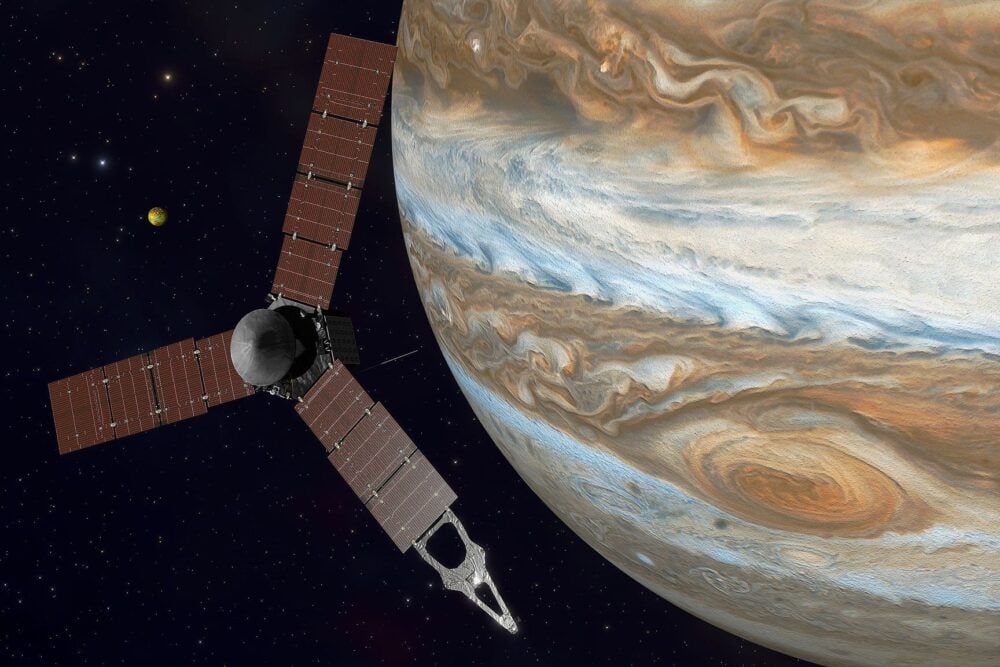
The key observations came when a spacecraft passed behind Jupiter as seen from Earth. As radio signals traveled through the planet’s atmosphere, they bent and slowed in measurable ways.
Those subtle distortions revealed the structure and density of Jupiter’s upper atmosphere. By repeating this process many times, researchers were able to build a far more precise outline of the planet than before.
5. Jupiter’s Winds Complicate Everything
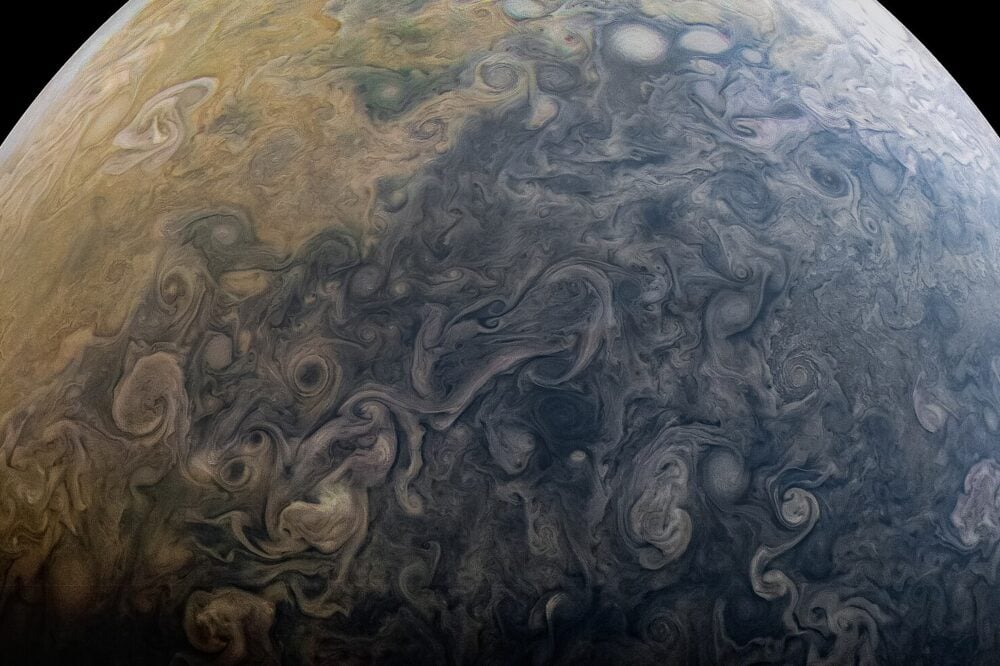
Jupiter’s powerful winds do not just skim the surface. They influence how mass is distributed and how the atmosphere sits around the planet’s rotational bulge.
Older measurements did not fully account for these effects. Newer models factor in wind behavior, helping explain why earlier estimates, though reasonable at the time, were slightly off.
6. Why Old Numbers Lasted So Long
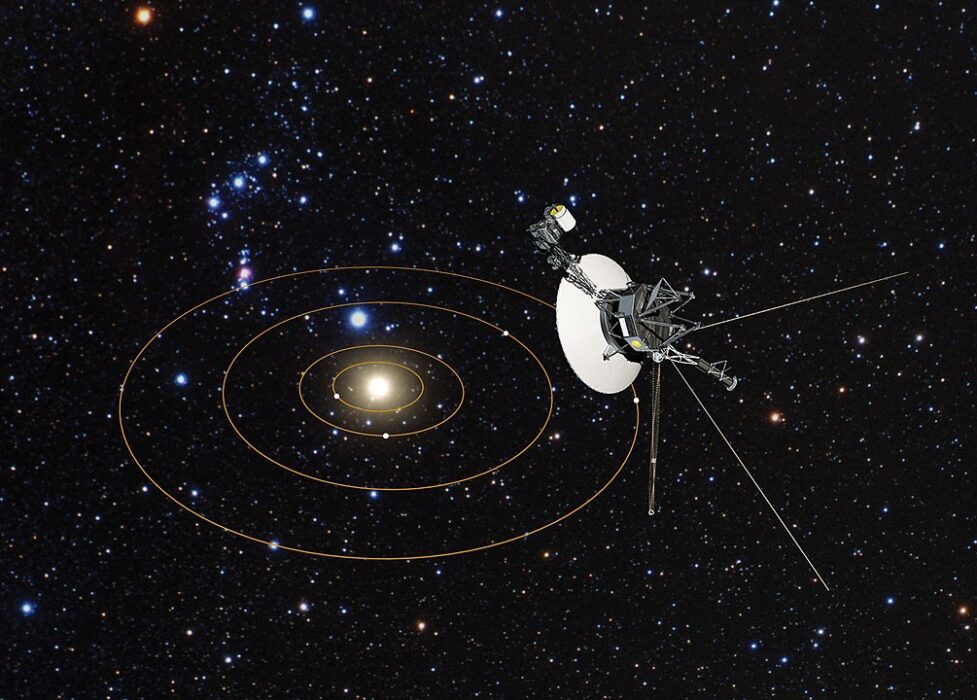
Many of the Jupiter dimensions used today trace back more than half a century. They were based on pioneering missions that fundamentally reshaped planetary science.
Those missions were groundbreaking, but their data was limited by brief encounters. It was not until a long-term orbital mission arrived that scientists could refine Jupiter’s size with this level of precision.
7. The Hidden Impact on Interior Models
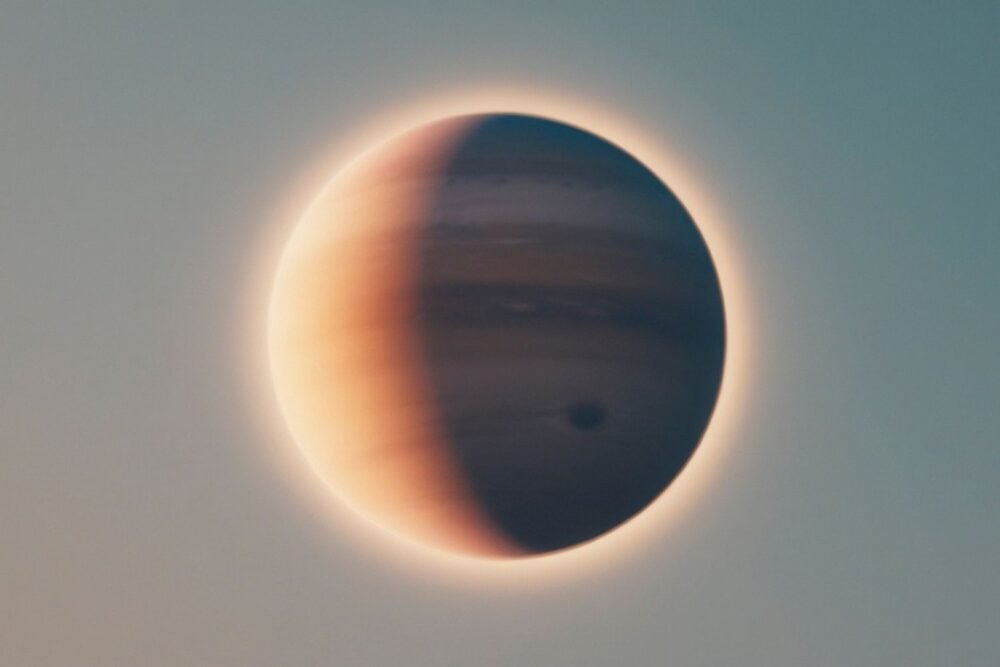
Jupiter’s internal structure is modeled using multiple constraints, including gravity, magnetic fields, and atmospheric motion. If the reference shape is even slightly wrong, those models become harder to reconcile.
By tightening Jupiter’s dimensions, scientists can better align competing data sets. The result is a clearer picture of what may be happening deep beneath the planet’s clouds.
8. Why This Matters Beyond Our Solar System

Jupiter is the measuring stick for gas giants. Astronomers often compare distant exoplanets to Jupiter when estimating their size, mass, and behavior.
Refining Jupiter’s shape improves those comparisons. When the benchmark becomes sharper, interpretations of far-off worlds become more reliable as well.
9. Did Jupiter Shrink, or Did Science Improve?
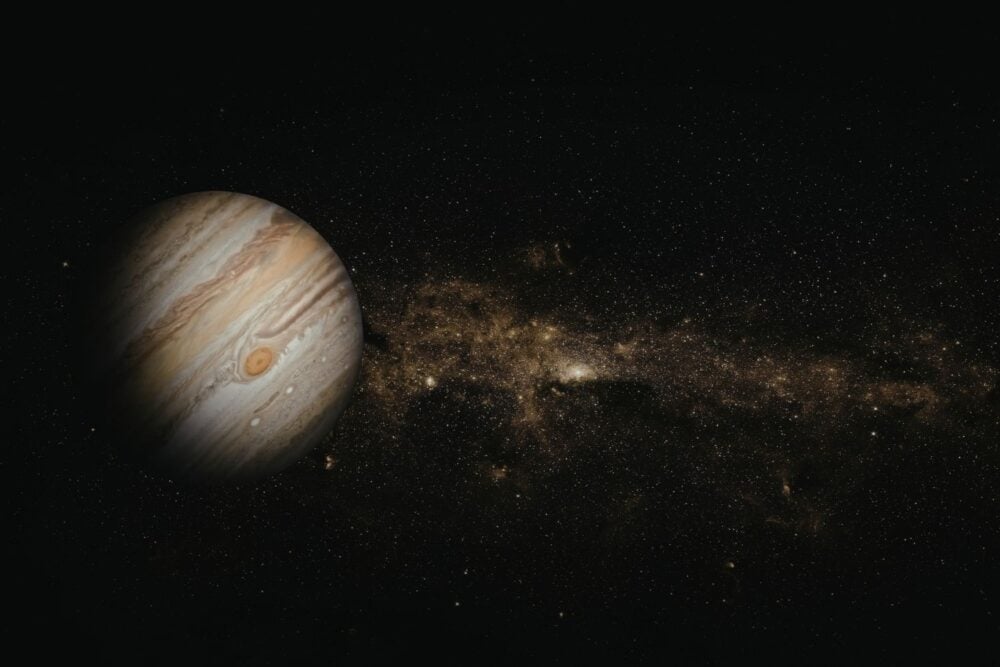
Jupiter did not physically compress. What changed was the quality of the measurements and the models used to interpret them.
Different reports may emphasize radius, diameter, or flattening, which is why the numbers sometimes sound inconsistent. The underlying conclusion is the same: scientists now have a tighter, more accurate description of the planet’s shape.
10. What This Says About Scientific “Facts”
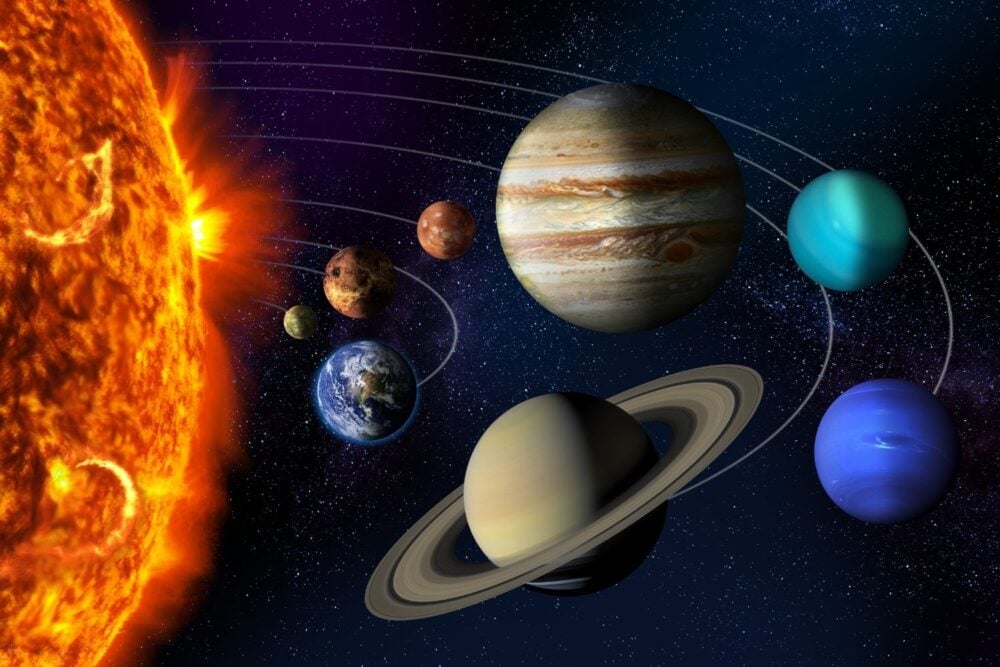
Planetary measurements often feel final, especially for a world studied as intensely as Jupiter. But science treats even familiar numbers as provisional.
As tools improve, long-accepted values can shift. Jupiter’s updated dimensions are a reminder that precision evolves, and that better questions often matter as much as better instruments.
11. The Real Mystery Is What This Unlocks
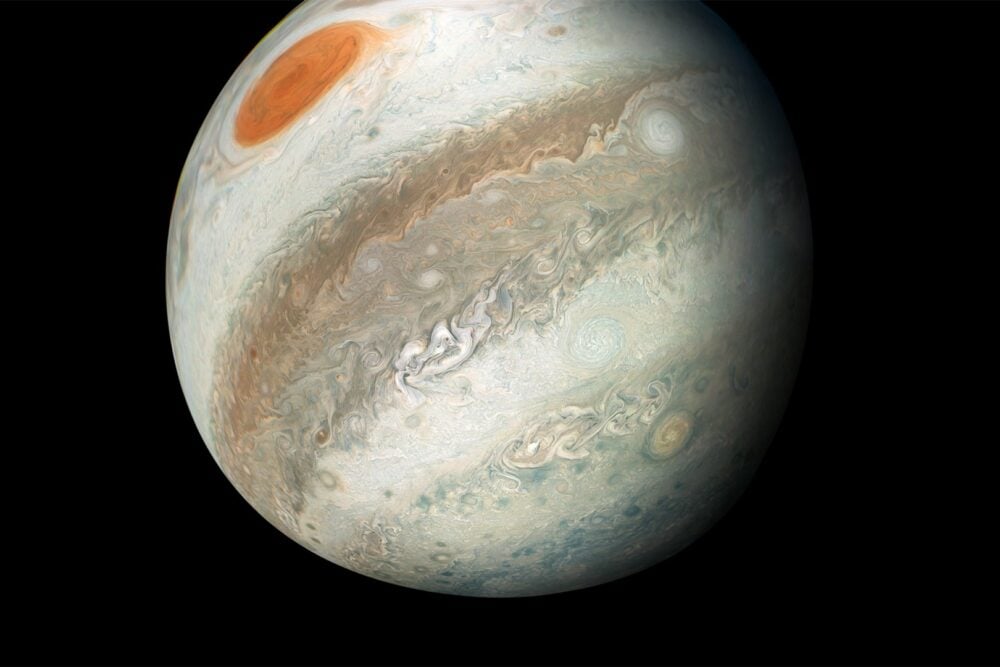
A difference of a few kilometers may seem trivial on a planet this massive. Yet those kilometers influence how scientists model winds, gravity, and the deep interior.
The revised outline does not close the book on Jupiter. It sharpens the starting point for an even bigger mystery: how a planet with no surface can still have a measurable shape, and what that shape reveals about the forces churning far below its clouds.