
A federal judge ordered the migrant detention site in Big Cypress Preserve to wind down over environmental violations.
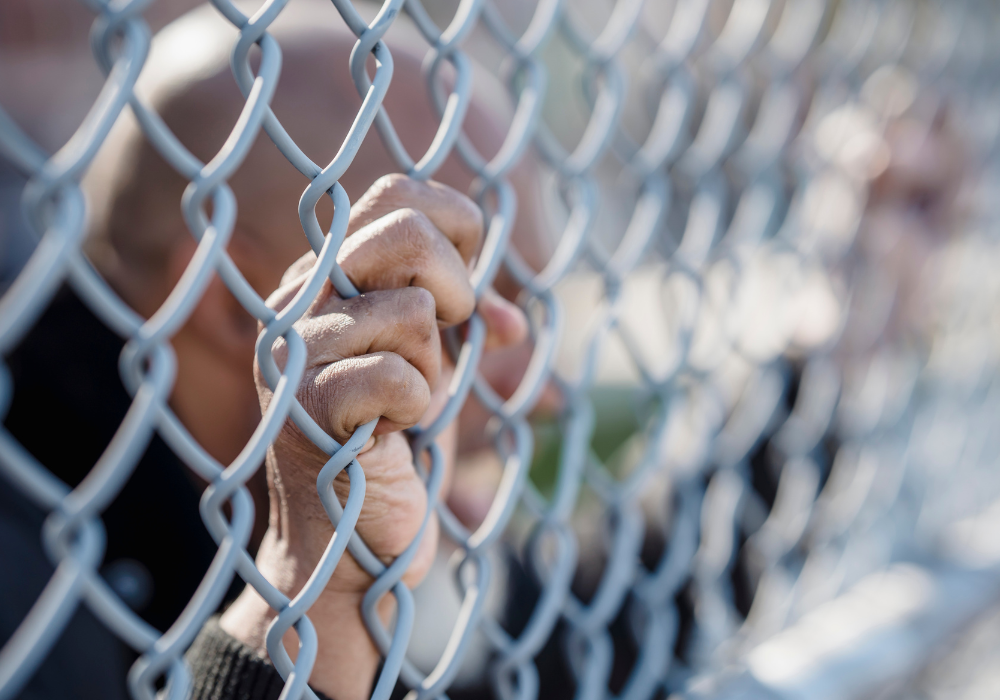
The controversial immigration detention facility dubbed “Alligator Alcatraz” just got slapped with a federal court order that could shut it down for good. A federal judge in Miami gave the state of Florida 60 days to clear out the immigrant detention facility called Alligator Alcatraz, handing environmentalists and the Miccosukee Tribe of Indians a win after they clashed with Gov. Ron DeSantis (R) over the environmental impacts of the makeshift prison camp.
The facility, built on a former airport in the heart of the Everglades, has become a lightning rod for criticism over both its treatment of detainees and its devastating impact on one of America’s most fragile ecosystems. What started as a political stunt to house immigrants has turned into an environmental disaster that even the courts can’t ignore.
1. The Facility Is Literally Paving Paradise in the Everglades
During the hearing Thursday, two experts told the judge that at least 20 acres of the site had been newly paved with asphalt, resulting in some 800,000 square feet of paving that, the experts testified, presented risks of runoff contamination into the natural water system around the site. The massive concrete and asphalt footprint is destroying wetlands that took thousands of years to develop and serve as crucial habitat for endangered species.
The paving prevents natural water filtration and creates pollution runoff that flows directly into the sensitive Everglades ecosystem. Environmental experts testified that this level of development in such a pristine area violates multiple federal environmental protection laws designed to preserve America’s wetlands.
2. Endangered Florida Panthers Are Losing Critical Breeding Territory
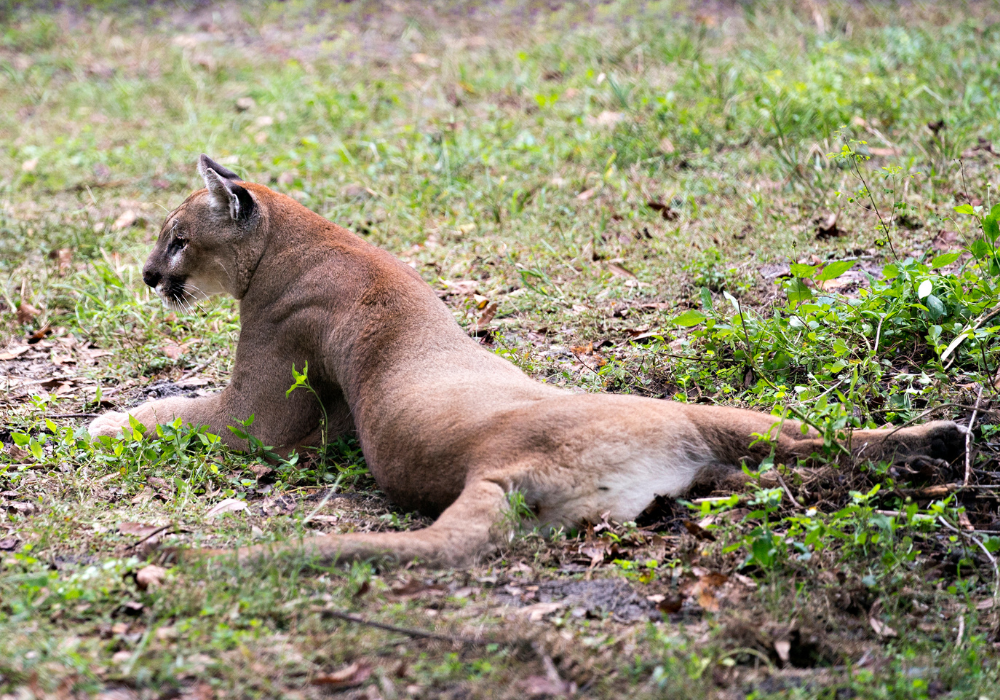
Increased activity in the area near Alligator Alcatraz could reduce the usable terrain for panthers by approximately 19%, he said. “There is a chance that results in putting this species at risk,” according to expert testimony presented in court. The Florida panther population is already critically endangered with fewer than 200 individuals remaining in the wild.
The facility’s bright lighting, increased human traffic, and chain-link fencing create barriers that disrupt the panthers’ natural movement patterns and breeding behaviors. Wildlife biologists warn that losing nearly 20% of available habitat could push this iconic species closer to extinction when they can least afford additional pressures.
3. Toxic Runoff Is Poisoning the Water That Feeds South Florida
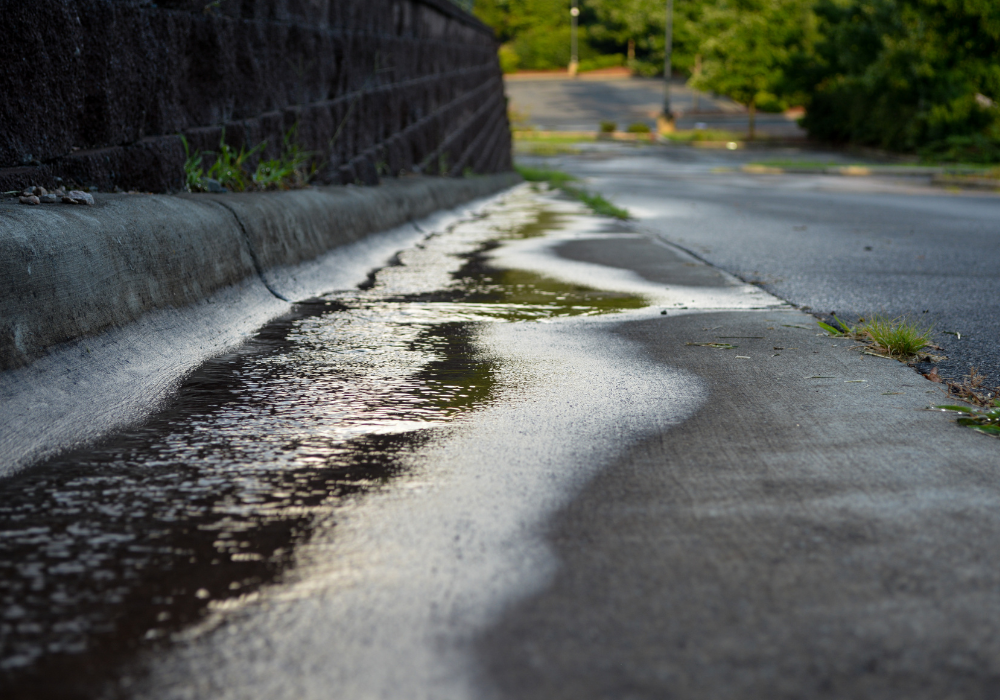
The court cited expert testimony that repurposing the site has resulted in “a myriad of risks” to its sensitive surroundings, including runoff and wastewater discharge that could harm the Everglades. The detention facility generates massive amounts of sewage, garbage, and chemical waste that has nowhere to go except into the surrounding wetlands.
Storm water running off the newly paved surfaces picks up pollutants from vehicles, generators, and waste storage areas before flowing into waterways that eventually reach Florida Bay and the Atlantic Ocean. This contamination threatens not just local wildlife but the entire South Florida water supply that millions of people depend on for drinking water.
4. Artificial Lighting Is Destroying Nocturnal Wildlife Habitat
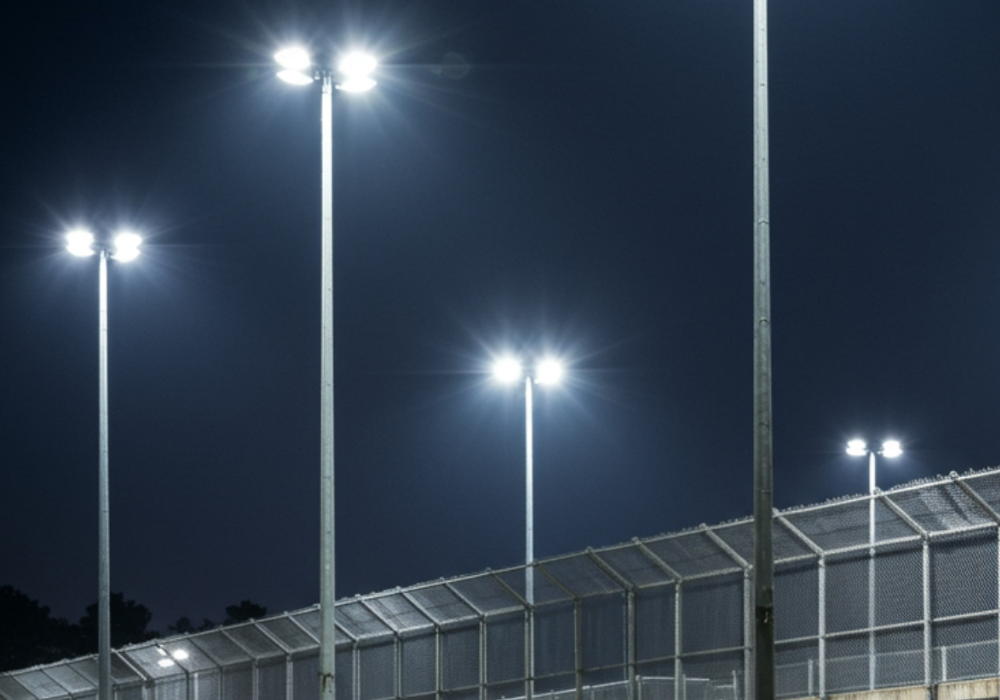
Williams noted testimony indicating the new lighting alone had reduced the habitat value for native species that depend on natural darkness cycles for feeding, breeding, and migration. The prison-style flood lighting needed to secure the detention facility creates a massive light pollution bubble in an area that was previously one of the darkest spots in South Florida.
Nocturnal animals like owls, bats, and small mammals are abandoning the area because the constant artificial illumination disrupts their natural behaviors. Sea turtles that nest on nearby beaches can become disoriented by the lights, leading them away from the ocean and toward certain death in the swamp.
5. The Project Undermines Billions in Everglades Restoration Efforts
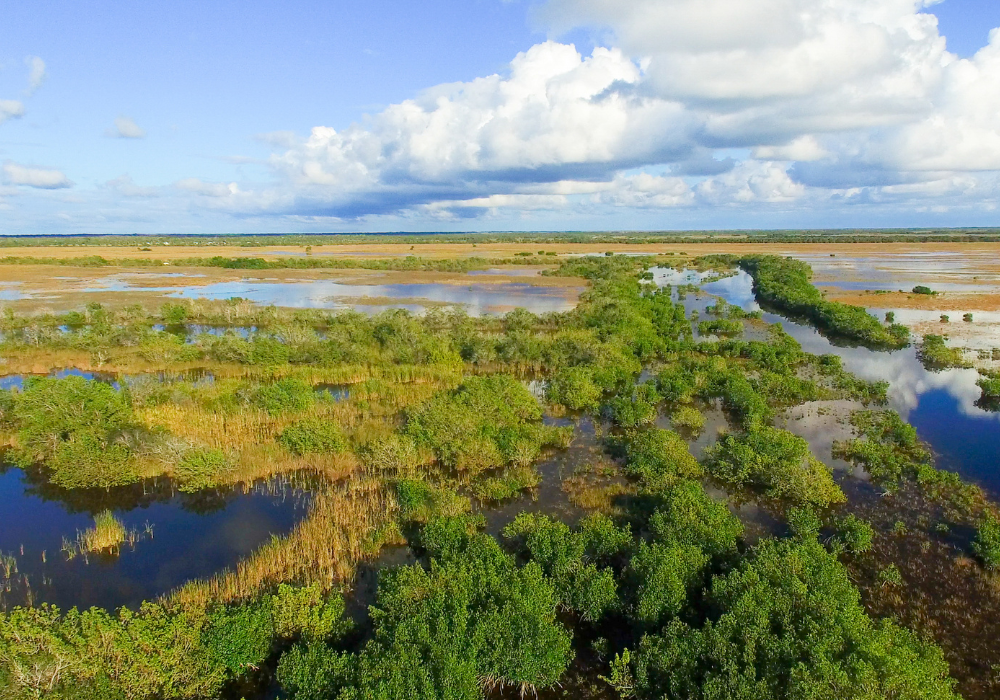
The suit claims the project threatens environmentally sensitive wetlands that are home to protected plants and animals and would reverse billions of dollars’ worth of environmental restoration. Taxpayers have invested enormous sums over decades to repair damage from past development and restore the Everglades’ natural water flow patterns.
The Alligator Alcatraz facility is essentially undoing restoration work that cost billions of dollars and took decades to complete. Environmental groups argue that allowing this level of development sets a dangerous precedent that could encourage more destructive projects in protected areas.
6. Generators and Industrial Equipment Are Polluting Pristine Wilderness
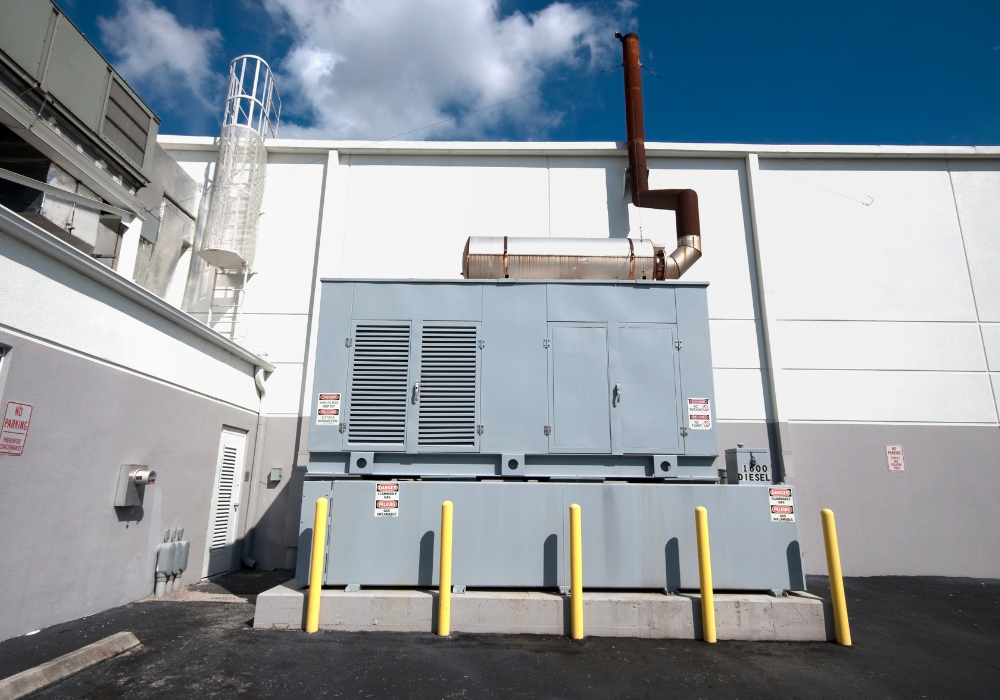
Lighting, fencing and “generators, gas, sewage, and other waste and industrial infrastructure required to operate the detention facility are introducing noise, air, and chemical pollution into an ecosystem that evolved without human interference. The constant rumble of diesel generators disrupts the natural soundscape that wildlife depends on for communication and predator detection.
Fuel storage, generator exhaust, and mechanical equipment maintenance create additional sources of contamination that seep into groundwater and soil. The pristine wilderness that once existed at this location is being transformed into an industrial site that more closely resembles a military base than a natural preserve.
7. Federal Environmental Laws Were Allegedly Ignored During Construction

A lawsuit filed in June alleges the mass detention facility violates local and federal environmental laws and threatens the sensitive Everglades ecosystem. Environmental groups claim that proper impact studies and permitting processes were bypassed in the rush to build the facility for political purposes.
The lawsuit argues that the project should have undergone extensive environmental review under the National Environmental Policy Act and other federal laws designed to protect sensitive ecosystems. Instead, the facility appears to have been fast-tracked without adequate consideration of its environmental consequences.
8. The Location Was Chosen More for Politics Than Practicality
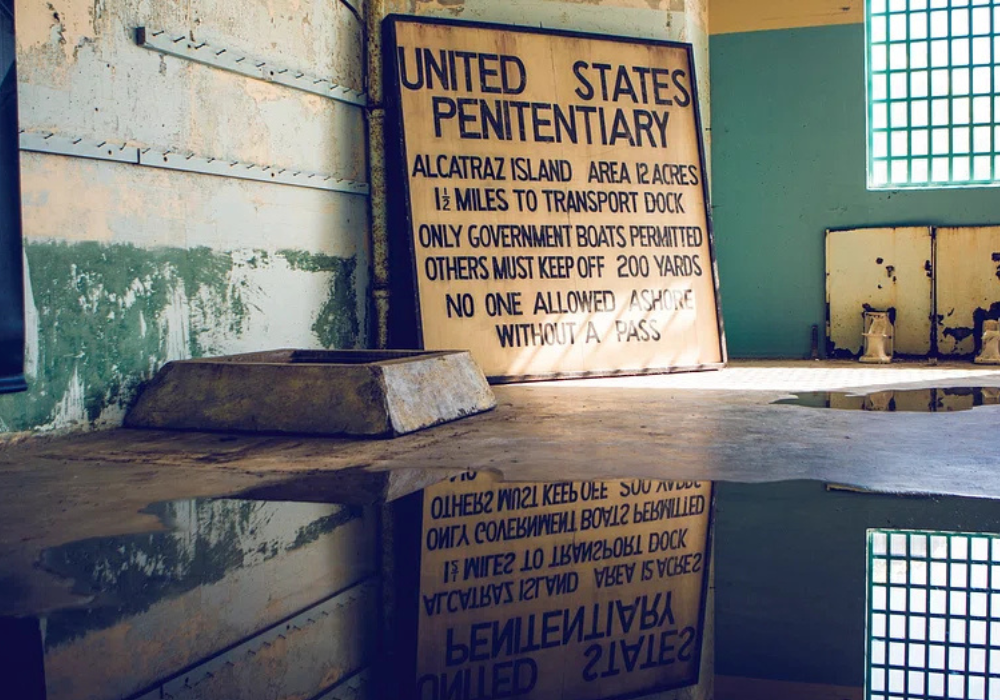
“So why here? There are runways elsewhere. … Why the jetport in this area?” Schweip asked. “Alligator Alcatraz.” A name just meant to sound ominous. Legal experts question whether the remote Everglades location was selected specifically to make the detention experience as unpleasant as possible rather than for any operational necessity.
The facility’s isolated location in the middle of a swamp makes it extremely expensive to operate and maintain while maximizing environmental damage. Critics argue that suitable airport facilities exist in less environmentally sensitive areas that would be cheaper to operate and wouldn’t threaten endangered species.
9. The Miccosukee Tribe’s Sacred Lands Are Being Desecrated
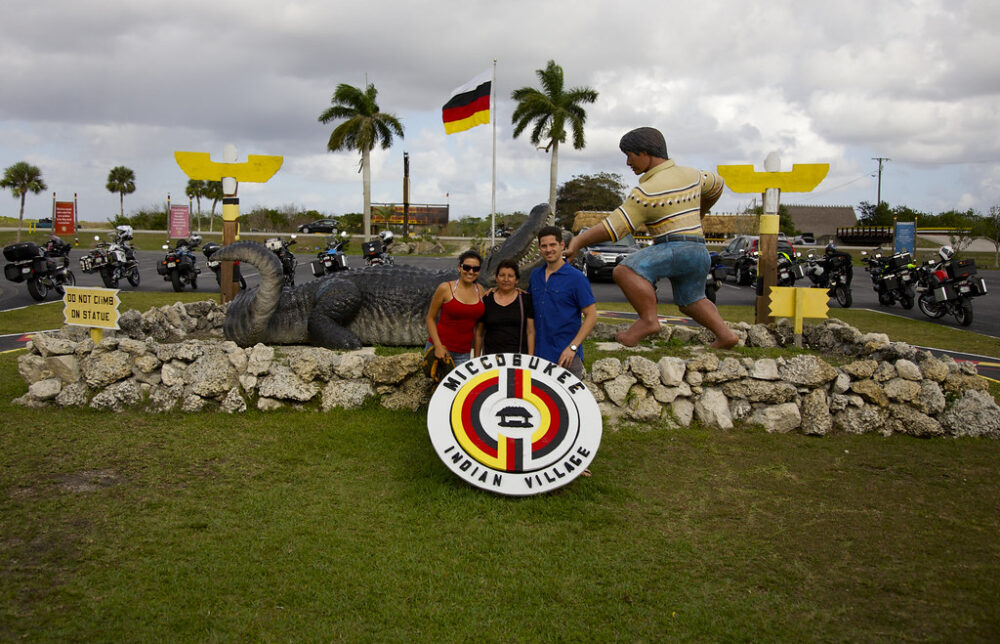
handing environmentalists and the Miccosukee Tribe of Indians a win after they clashed with Gov. Ron DeSantis (R) over the environmental impacts of the facility on their traditional territory. The Miccosukee Tribe has lived in harmony with the Everglades ecosystem for centuries and considers the area sacred land that should be protected from development.
The tribe argues that the detention facility violates their sovereignty and destroys cultural sites that have spiritual significance to their community. Their traditional way of life depends on the Everglades remaining in its natural state, making the industrial detention facility an existential threat to their cultural survival.
10. Detainees Are Suffering in Deplorable Conditions
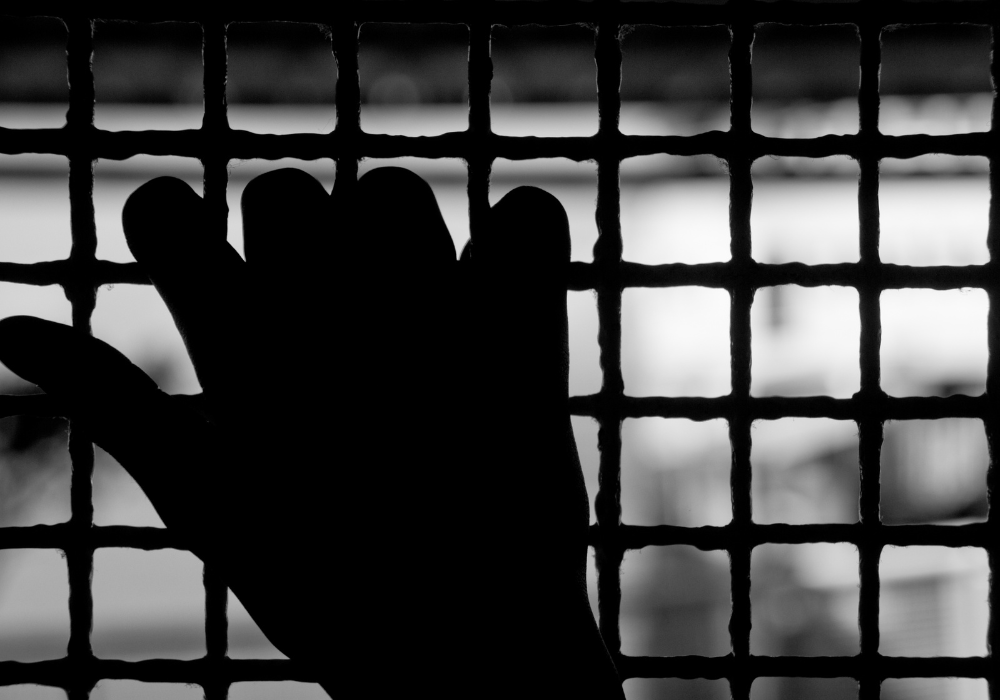
The facility utilizes tents with chain-link fences as cells to house migrants. People detained there have complained about poorly functioning air conditioning, insects and maggot-filled food. The environmental problems that make the location unsuitable for a detention facility also create inhumane living conditions for the people imprisoned there.
The swampy environment breeds disease-carrying insects, creates unbearable humidity, and makes it nearly impossible to maintain sanitary conditions in temporary structures. What’s bad for the environment is equally bad for human health, creating a situation where both ecological destruction and human rights violations are occurring simultaneously.