
Experts say the latest quake may signal a far more dangerous seismic event capable of triggering towering tsunami waves.
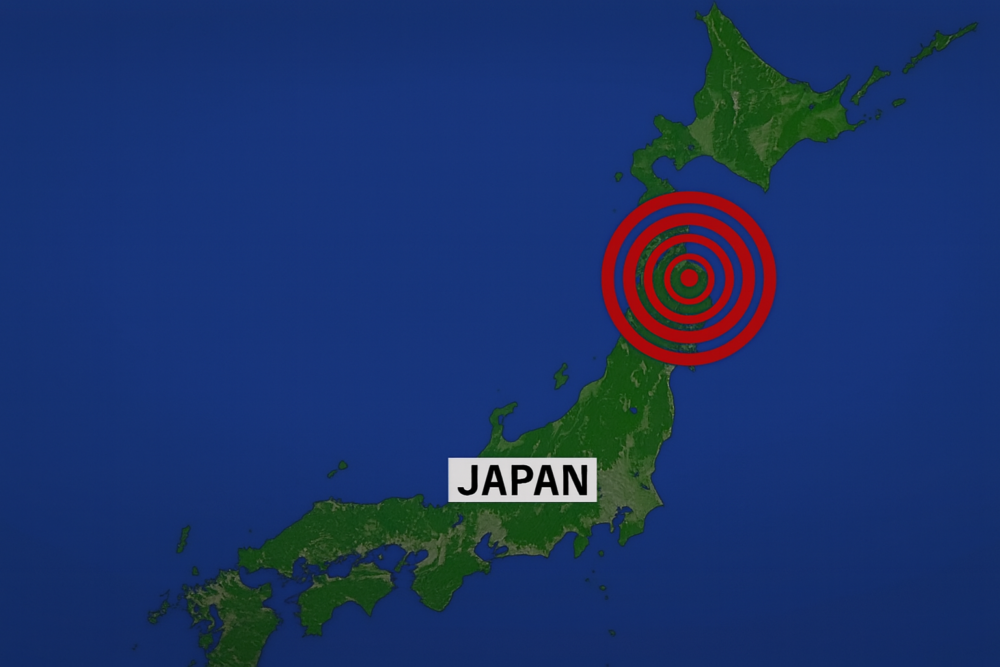
Japan’s government has issued a rare advisory warning that a “megaquake” could hit the country’s northern coast after a powerful 7.5-magnitude earthquake struck the region. Officials say the concern comes from new data showing increased seismic activity along a fault line capable of producing a massive quake and a devastating tsunami. Some models suggest waves could reach nearly 100 feet in the worst-case scenario. While experts emphasize that such events are unpredictable, the advisory urges residents to stay alert and review emergency plans.
1. A Rare Megaquake Warning Has Been Issued

Japan’s Central Disaster Management Council released an advisory warning that a massive earthquake could strike the northern region following a 7.5-magnitude quake. This type of alert is uncommon and reflects heightened concern about seismic instability along offshore faults.
Authorities said the advisory is meant to prompt preparedness, not panic. Similar alerts are only issued when seismic activity exceeds normal thresholds, signaling a potential shift toward larger tectonic movements.
2. The Concern Stems From a Historically Dangerous Fault

The warning centers on the Japan Trench, a subduction zone known for producing powerful earthquakes, including the catastrophic 2011 Tōhoku quake. Recent seismic activity suggests rising strain in this region, triggering scientists’ worries about a larger event.
Japan’s Meteorological Agency noted that frequent tremors in the area can indicate accumulating pressure. While this doesn’t guarantee a megaquake, it increases the possibility enough to justify public advisories.
3. Models Predict Tsunami Waves Up to 98 Feet

Government simulations show that, in a worst-case scenario, a megaquake along the trench could generate tsunami waves nearly 30 meters (98 feet) high. Such a surge would inundate parts of northern Japan’s coastline within minutes.
Officials stressed that these projections are not predictions but preparedness tools. Japan regularly runs assessments to test coastal defenses and evacuation routes, especially for regions with limited escape routes.
4. The Latest Quake Triggered Immediate Safety Reviews
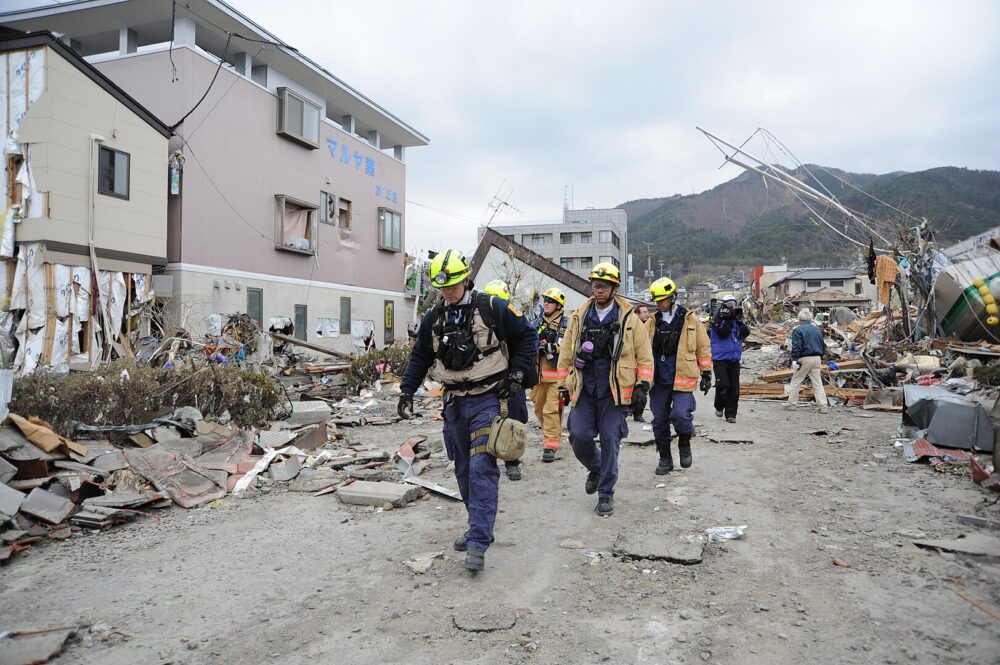
After the 7.5-magnitude earthquake struck, officials conducted rapid checks on infrastructure and coastal risk areas. The quake caused strong shaking in several prefectures but did not generate a major tsunami.
Even without severe damage, authorities considered the quake a reminder of the region’s vulnerability. Past disasters have shown that moderate quakes can precede far larger ones.
5. Northern Japan’s Terrain Increases Risk
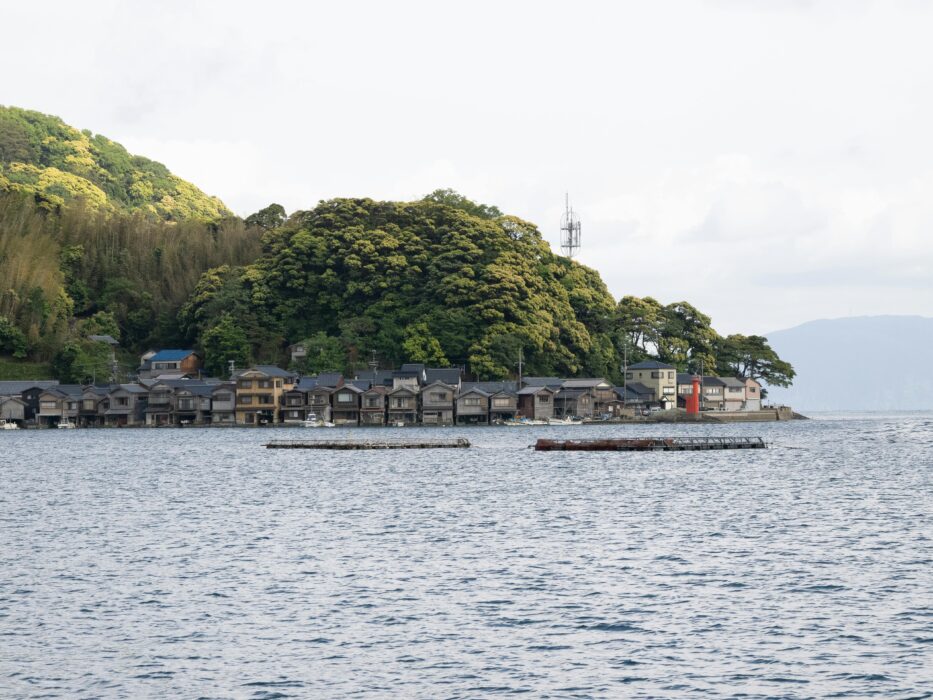
Much of the affected coastline includes steep cliffs, narrow valleys, and towns built close to the water—factors that complicate evacuation during a tsunami. These geographical constraints make rapid warnings and preparedness especially important.
Officials said some areas may have as little as 10 minutes to evacuate if a megaquake occurs. This is one reason the advisory emphasizes proactive planning rather than waiting for real-time alerts.
6. Scientists Emphasize That Prediction Is Impossible

Seismologists caution that no tool can predict exactly when or where a megaquake will happen. The advisory reflects elevated risk, not certainty. Earthquakes remain notoriously unpredictable, even in well-studied regions like Japan.
The goal is to raise awareness so residents aren’t caught off guard. Japan’s disaster agencies often issue advisories when seismic patterns shift meaningfully, even if the timeline for a major event is unknown.
7. Memories of 2011 Shape the Government’s Response
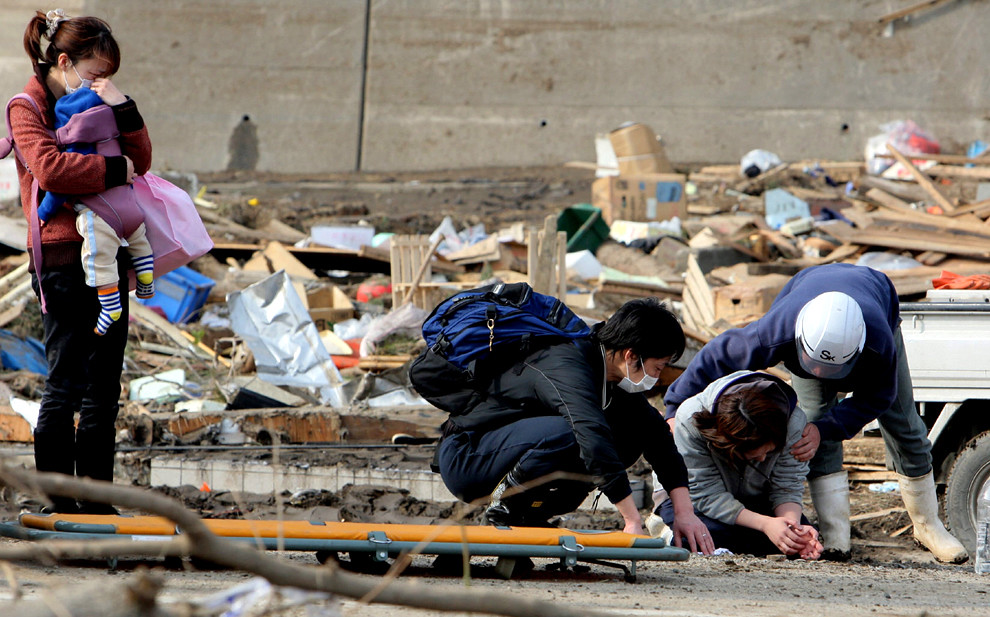
Japan’s 2011 earthquake and tsunami, which killed nearly 20,000 people, remains a defining moment in the country’s disaster-preparedness strategy. The devastation prompted stricter building codes, improved warning systems, and more robust modeling.
Officials say the new advisory aligns with post-2011 policy: when credible data suggests elevated danger, authorities must inform the public early, even if the threat is uncertain.
8. Coastal Communities Are Updating Evacuation Plans
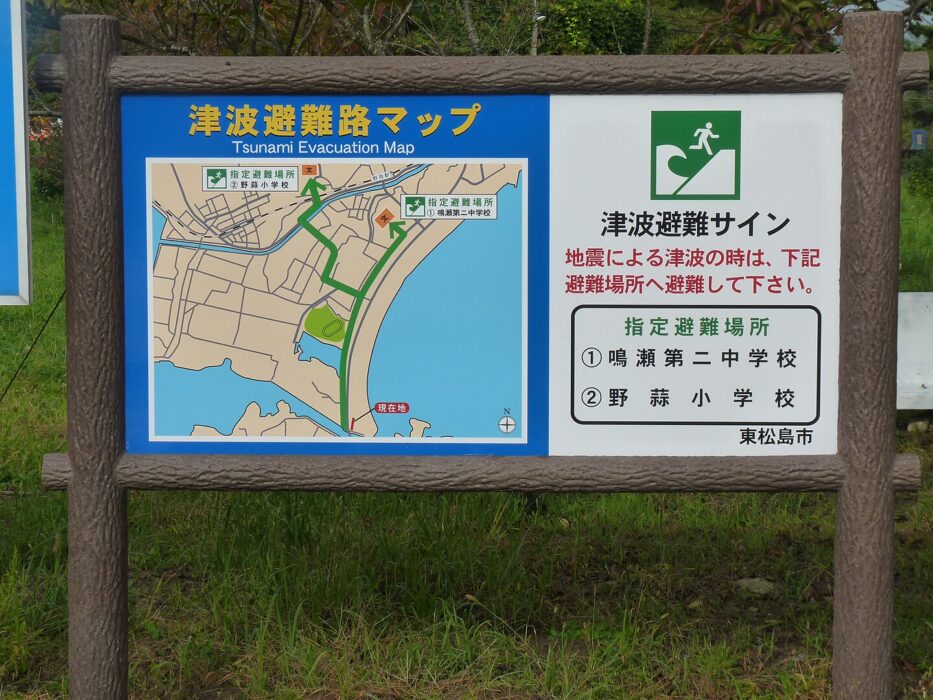
Municipal governments in northern Japan have begun reviewing evacuation routes, signage, and shelter capacity. Some towns are conducting rapid drills to evaluate whether people can reach higher ground safely.
Because tsunamis can arrive quickly, especially from nearby offshore faults, officials are urging residents to rehearse escape paths in advance. Japan’s extensive community-level preparedness programs are central to reducing future casualties.
9. The Advisory Aims to Reduce Panic, Not Create It

Government spokespeople emphasized that the advisory is a precaution, not a prediction of an imminent disaster. The intent is to help residents stay informed and ready without assuming a megaquake is guaranteed.
Japan issues different levels of warnings depending on seismic data. This advisory falls into a category designed to boost awareness without triggering mandatory evacuations or emergency declarations.
10. Experts Say Preparedness Is Japan’s Best Defense
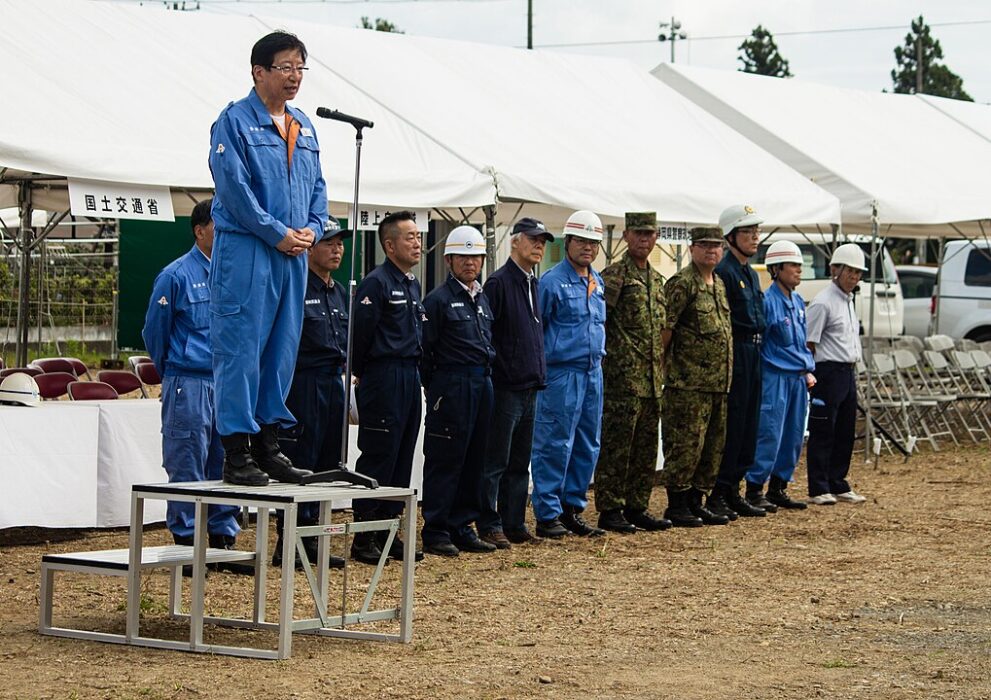
Despite advanced technology, no country can prevent earthquakes. Japan instead focuses on early-warning systems, reinforced structures, and public education, which have saved countless lives in past events.
Experts say the megaquake advisory underscores the importance of staying ready, particularly in regions with a history of major seismic activity. While the risk may or may not materialize soon, preparedness remains the strongest protection.