
The old farming trick that protects fruit while shaping how it tastes.
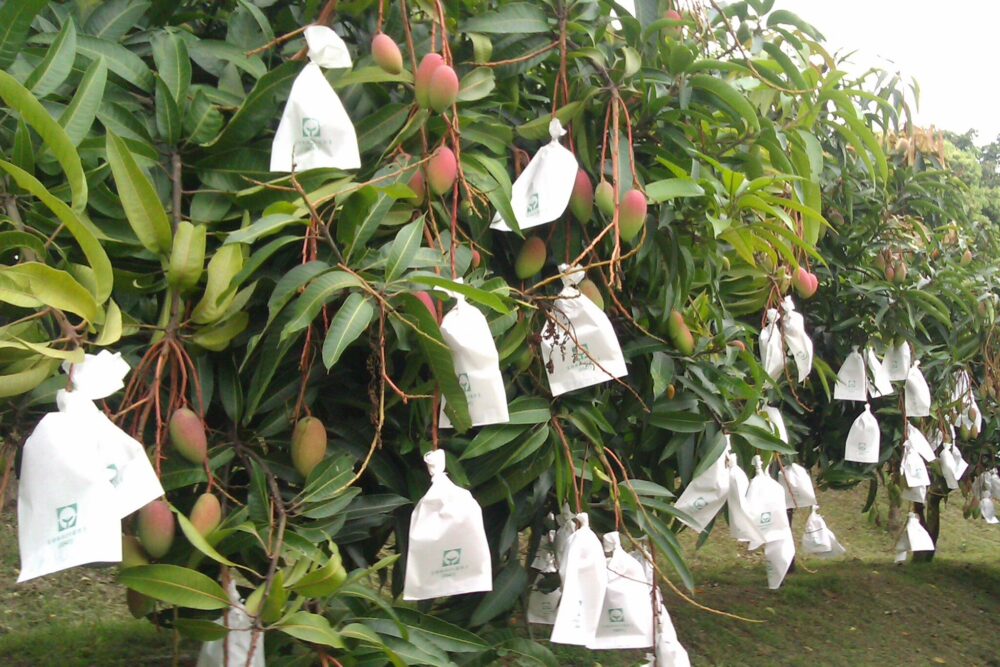
If you’ve ever bitten into a piece of fruit that looked perfect but tasted disappointingly bland, you’re not alone. Many people assume sweetness is all about the variety or how ripe fruit looks, but growers have known for generations that flavor is shaped long before harvest.
One technique, which looks odd at first glance, is quietly making a return because it tackles several problems at once. It changes how fruit handles sunlight, pests, and even stress while it’s still on the tree.
Once you understand what’s happening inside that growing fruit, the idea suddenly makes a lot more sense—and you may never look at an orchard the same way again.
1. It Starts With a Problem Most Shoppers Never See
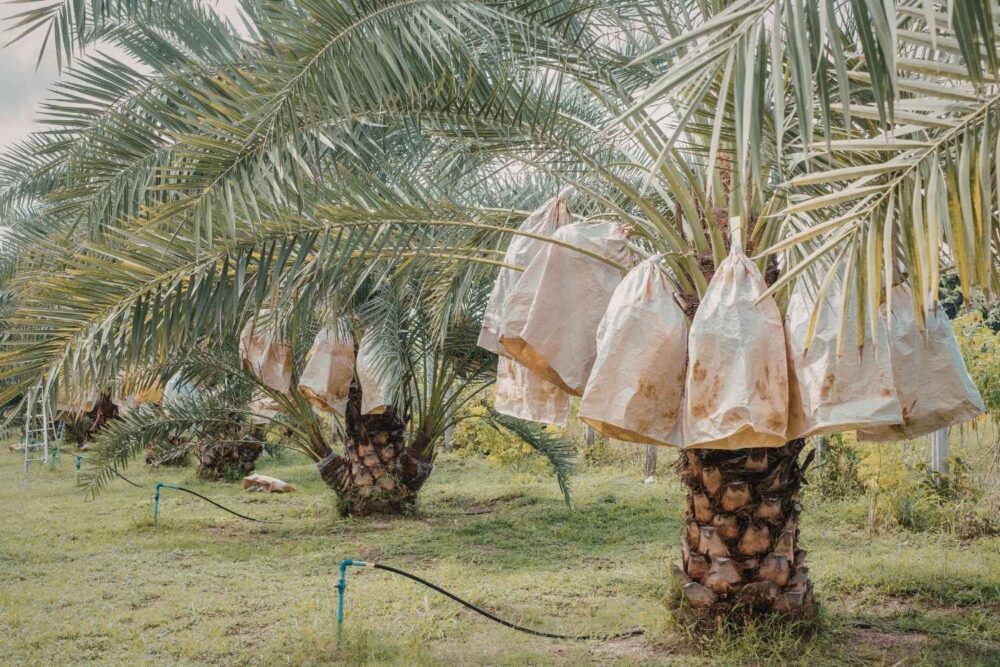
Most fruit sweetness is decided weeks or months before harvest, not at the grocery store. Growers constantly battle sun damage, insects, wind, and uneven ripening that stress fruit while it’s still developing. That stress can interrupt sugar formation long before any blemish appears.
Bagging began as a response to these invisible threats. Once farmers noticed stressed fruit often looks fine but tastes flat, the practice took on new meaning beyond simple protection.
2. Why Covering Fruit Isn’t About Hiding It
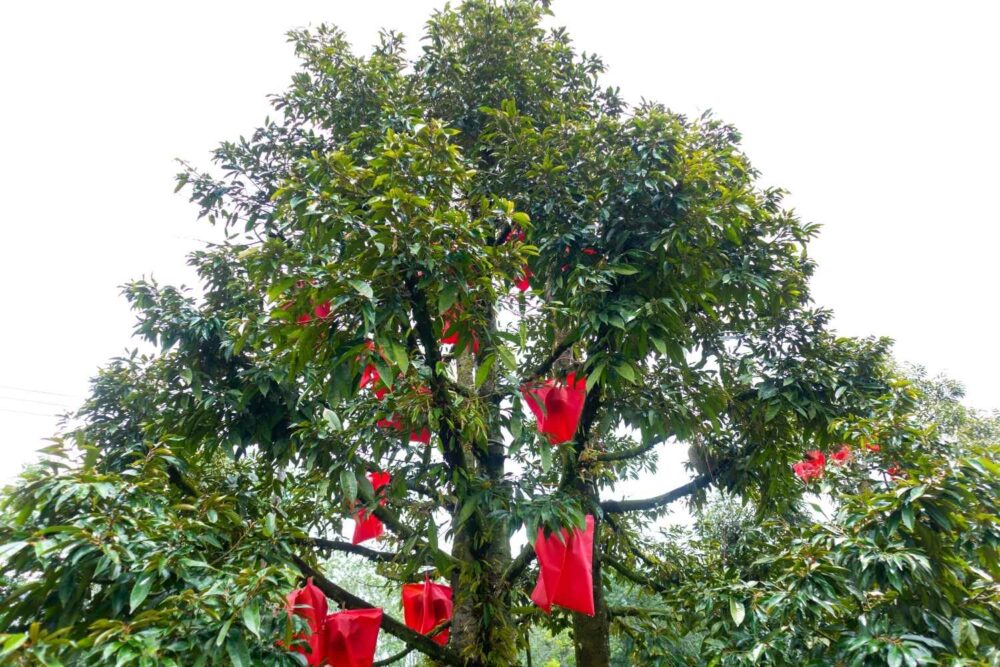
At first glance, bagging fruit seems like it would block everything fruit needs to grow properly. In reality, the goal isn’t isolation but environmental control. Bags soften intense sunlight, reduce pest contact, and limit sudden temperature swings around the fruit.
With fewer daily stressors, the plant can focus on consistent development instead of survival. That steadiness plays a quiet role in how sugars build over time.
3. Sunlight Turns Out to Be a Double-Edged Sword
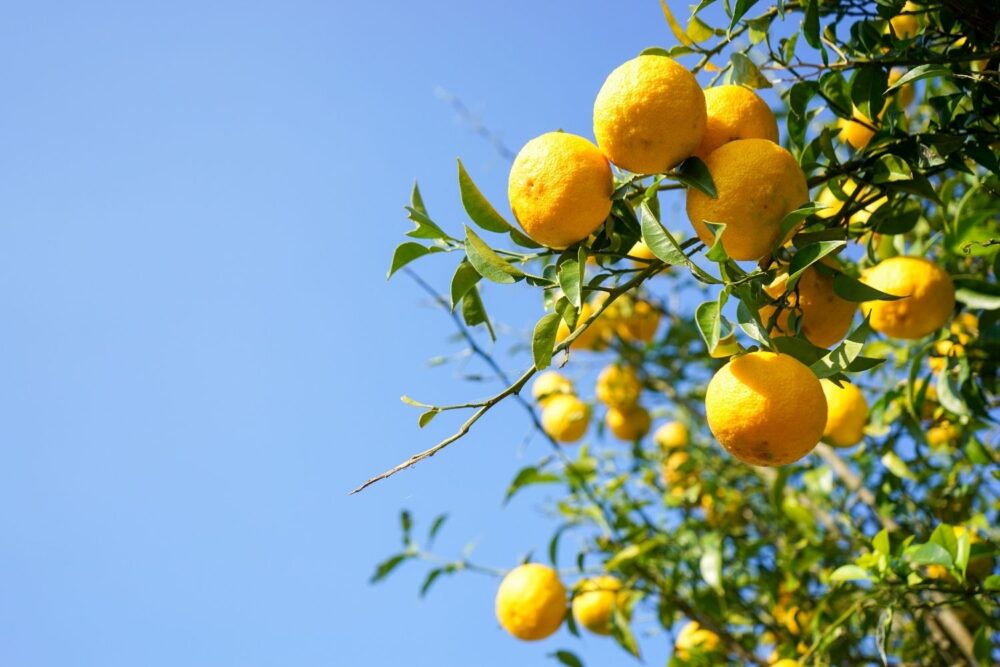
Fruit needs sunlight, but too much direct exposure can do more harm than good. Excess heat can slow sugar accumulation and trigger defensive responses inside the fruit. Farmers noticed sunburned fruit often tasted weaker, even if it looked ripe.
Bagging diffuses light instead of blocking it completely. That balance allows photosynthesis to continue while protecting delicate fruit tissue from stress that interferes with sweetness.
4. Pests Don’t Just Damage Fruit, They Change Its Chemistry

When insects attack developing fruit, the plant redirects energy toward defense. That shift can reduce the resources available for sugar production and flavor development. Even minor pest damage early on can have lasting effects.
Bagging creates a physical barrier that lowers pest pressure without constant spraying. With fewer interruptions, fruit can mature under calmer conditions that support more consistent sweetness.
5. What Happens Inside the Fruit While It’s Bagged

Inside a bag, fruit experiences a calmer microclimate. Temperature swings are smaller, wind exposure drops, and surface stress decreases. These conditions don’t magically add sugar, but they help fruit develop without repeated shocks that disrupt normal growth patterns.
Researchers and growers have observed that reduced stress allows sugars to accumulate more evenly. Instead of surging and stalling, the process stays steady as the fruit matures.
That steadiness matters. When growth isn’t constantly interrupted, flavor compounds have more time to develop alongside sugars, creating fruit that tastes fuller rather than just sweet.
6. The Timing Matters More Than Most People Realize
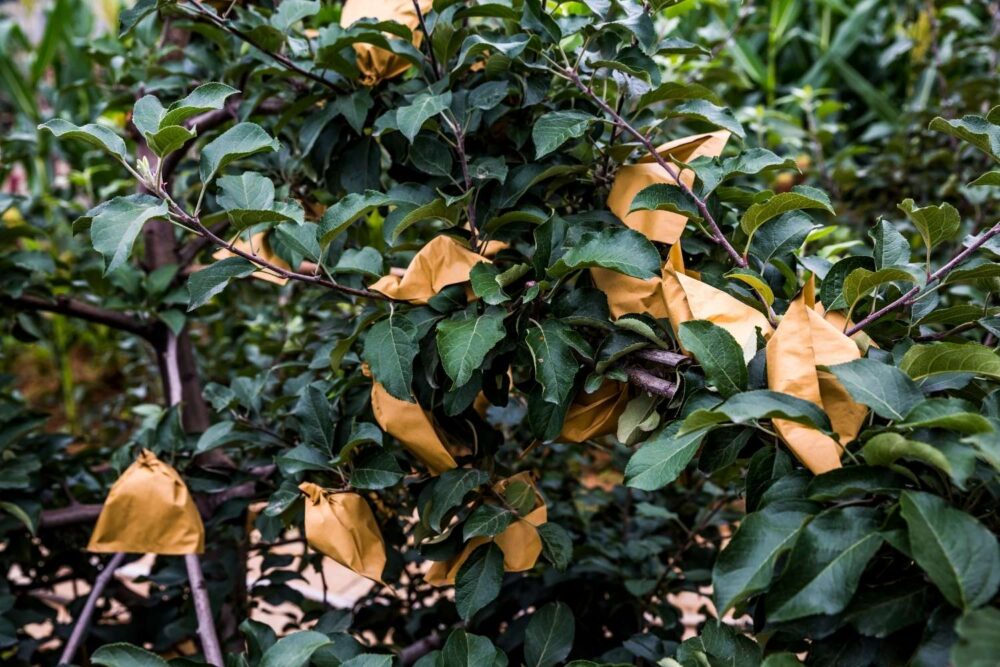
Bagging isn’t something farmers do right before harvest. It happens early, often shortly after fruit sets on the tree. That timing is critical because the earliest stages shape how cells divide and expand.
By protecting fruit during this window, growers influence development long before sweetness becomes measurable. Miss that window, and many of the benefits disappear entirely.
7. Why This Method Fell Out of Favor for Decades
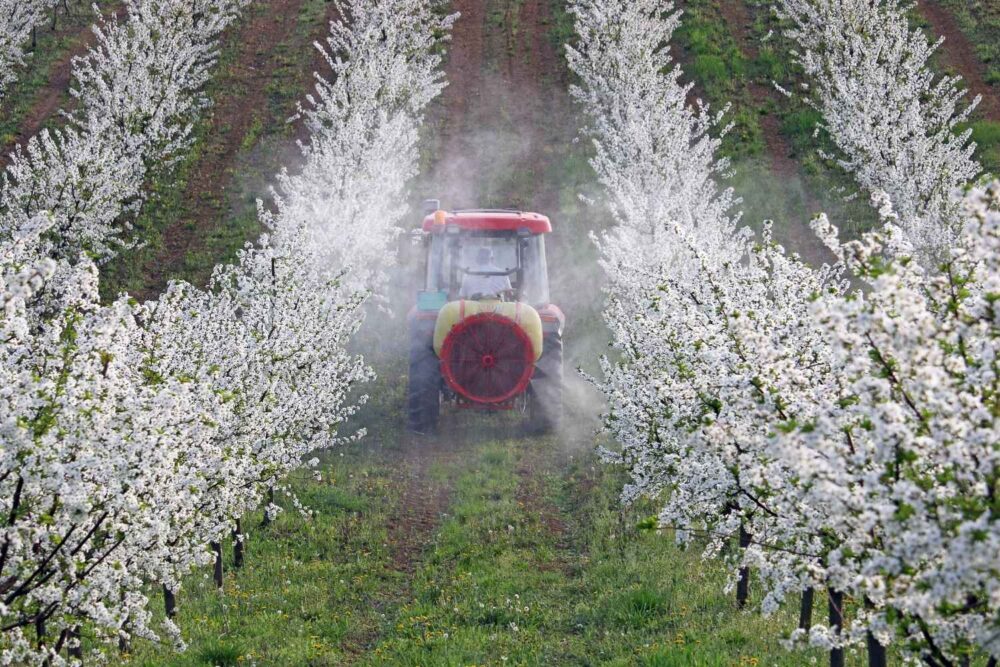
Bagging fruit is labor-intensive and doesn’t fit well with large-scale industrial farming. As chemical sprays became cheaper and faster, many growers abandoned the practice. Efficiency replaced patience in most orchards.
Now, concerns about pests, flavor quality, and reduced spraying are changing that calculation. Some farmers are rediscovering that slower methods can solve multiple problems at once.
8. It Doesn’t Make Fruit Sweeter Overnight
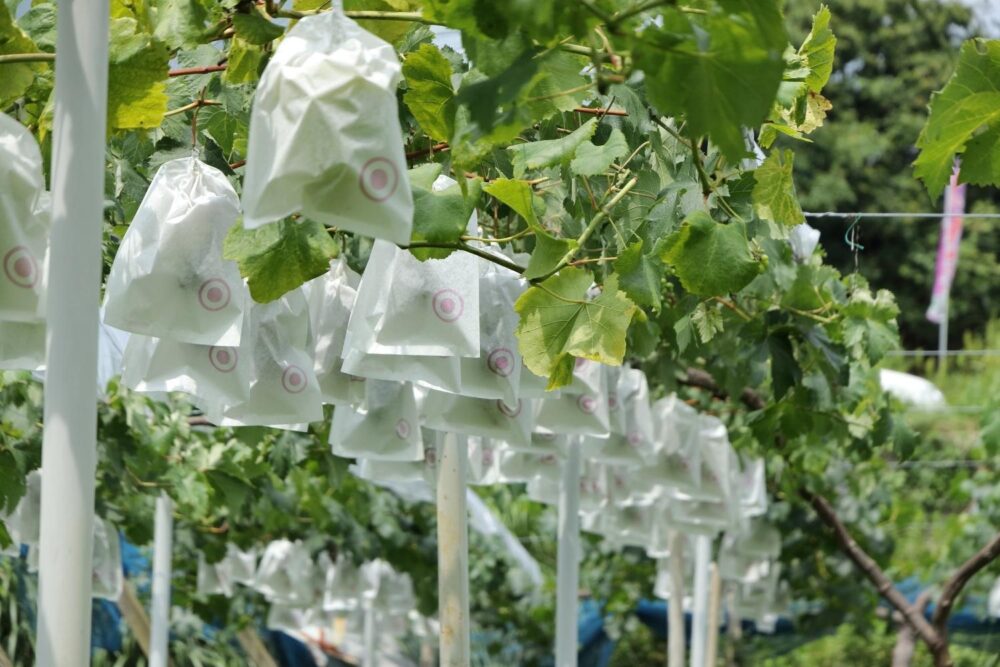
Bagging isn’t a shortcut or flavor hack. It doesn’t force sugar levels higher than a fruit’s genetics allow. Instead, it helps fruit reach its natural potential without unnecessary stress interfering along the way.
That distinction matters. The result isn’t candy-like fruit, but fruit that tastes more balanced, consistent, and true to its variety.
9. Why Home Gardeners Are Paying Attention Too
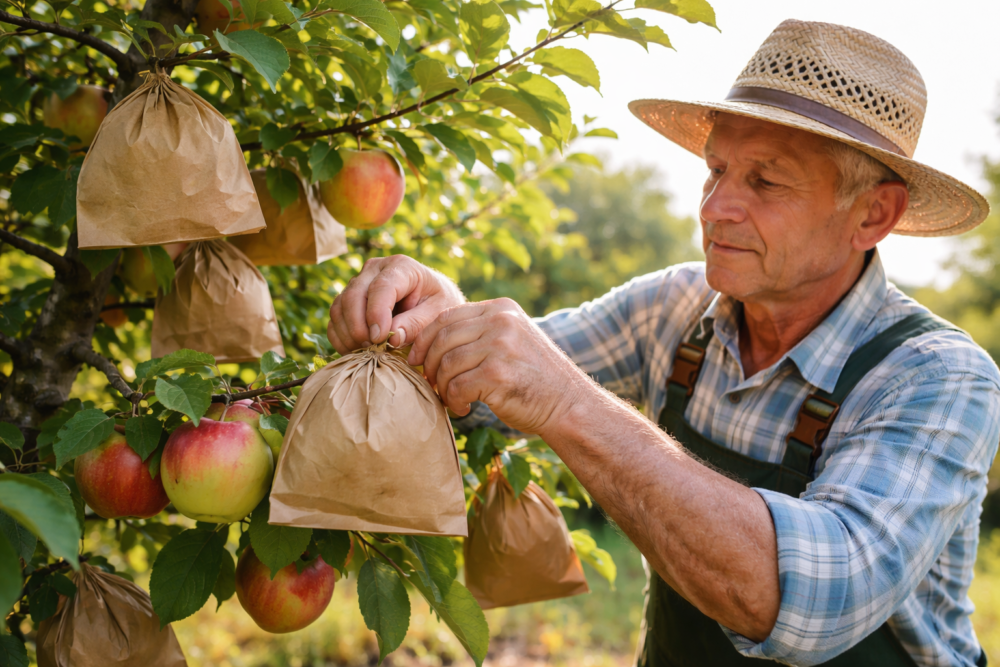
Backyard growers face the same issues as farmers, just on a smaller scale. Sunburn, insects, and uneven ripening can ruin an otherwise promising harvest. Bagging offers a simple, low-tech solution.
For gardeners, the appeal isn’t just sweetness. It’s growing cleaner fruit with fewer sprays while learning how small environmental changes affect flavor.
10. Once You Notice It, You Can’t Unsee It

After learning about fruit bagging, orchards start to look different. What once seemed strange begins to feel intentional and thoughtful. Every covered fruit tells a story about how flavor is protected, not rushed.
Sweetness isn’t just about ripeness or luck. Sometimes, it’s about giving fruit a calmer path to get there—and letting nature do the rest.