
The planet’s warmed before, but never this fast and never like this.
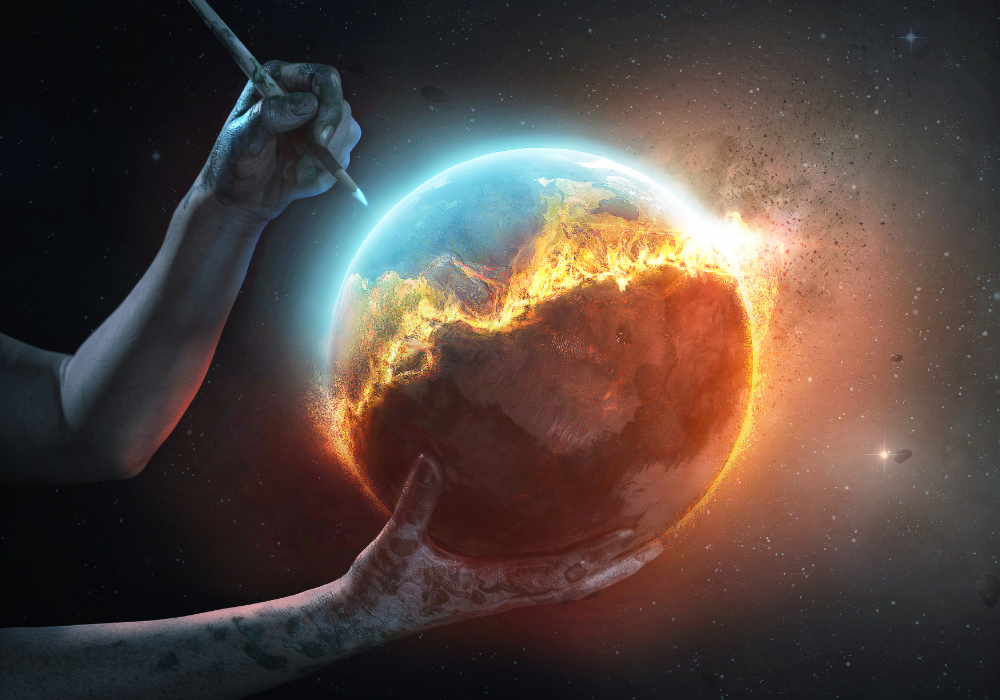
Every time the conversation about climate change heats up, someone inevitably shrugs it off: “Hasn’t the climate always changed?” And sure, they’re half-right. Earth’s climate has gone through ice ages and warming periods long before humans showed up. But what’s happening now is different—so different that scientists across the globe are sounding every alarm they’ve got.
This time, the fingerprints of human activity are everywhere. The speed, the scale, and the specific causes of today’s warming don’t line up with natural cycles alone. We’ve overloaded the atmosphere with greenhouse gases, stripped away forests that absorb carbon, and pushed the planet beyond what it can balance on its own. Climate shifts used to take thousands of years—now they’re happening within a single lifetime. Here’s exactly why the natural cycle excuse doesn’t hold up, and why the evidence points straight at us.
1. CO₂ levels have spiked far beyond natural ranges.
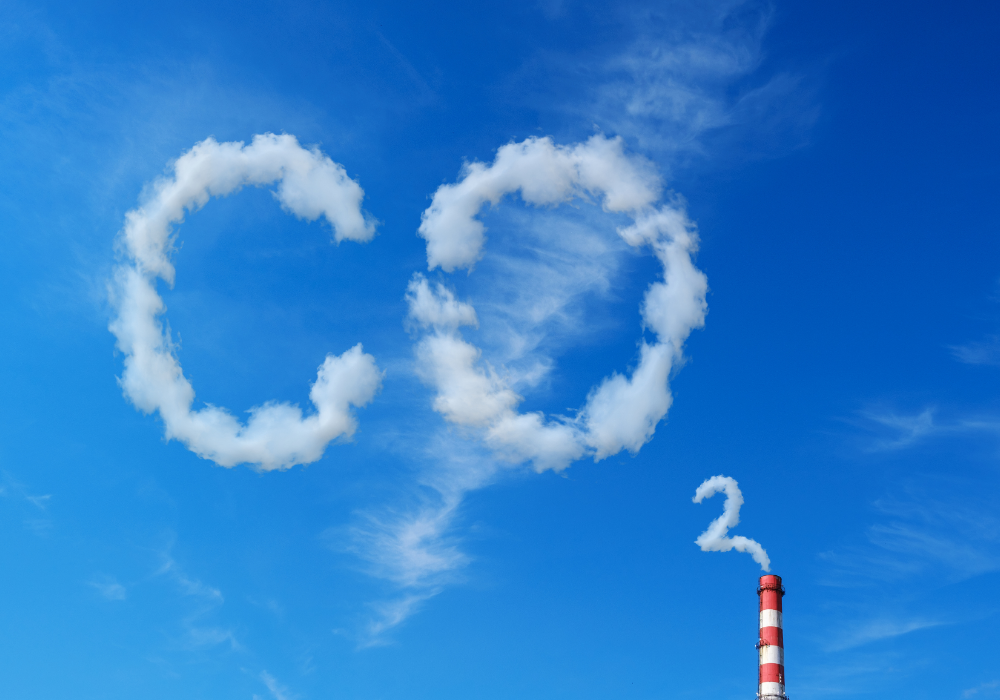
Earth’s natural carbon dioxide levels have always fluctuated, but they’ve never shot up like this. For hundreds of thousands of years, atmospheric CO₂ hovered between about 180 and 300 parts per million. Today? We’ve blown past 420 parts per million, and it keeps rising.
What’s critical here is the timing. Natural processes simply can’t explain such a dramatic spike in just a couple of centuries. Burning fossil fuels at massive scale has pumped billions of tons of CO₂ into the atmosphere. Michon Scott writes in NSIDC that ice core data shows current CO₂ levels are higher than anything seen in the past 800,000 years. This isn’t nature acting alone—this is a human-fueled carbon surge, plain and simple.
2. The planet is warming at an unnatural speed.
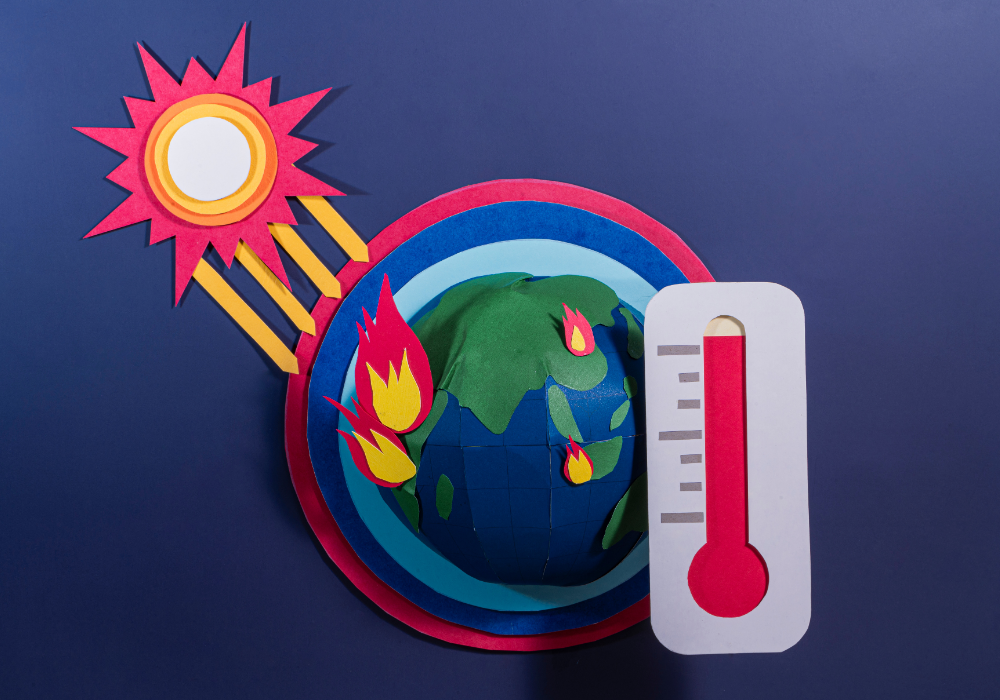
Climate shifts in Earth’s past happened over thousands, sometimes millions, of years. Today, global temperatures are climbing at a pace scientists have never seen before in natural history. NASA’s Earth Observatory points out that the planet has warmed by approximately 1.2°C over the last century, a rate of change that’s far faster than anything in recorded history.
That speed matters. Ecosystems can’t adapt fast enough, ice sheets are melting decades ahead of schedule, and heatwaves are breaking records year after year. Natural cycles simply don’t move this quickly. The rapid pace of warming is a signature of human interference—fueled by emissions from factories, vehicles, and deforestation, not by some quiet, background planetary rhythm.
3. The type of carbon in the air points straight to us.
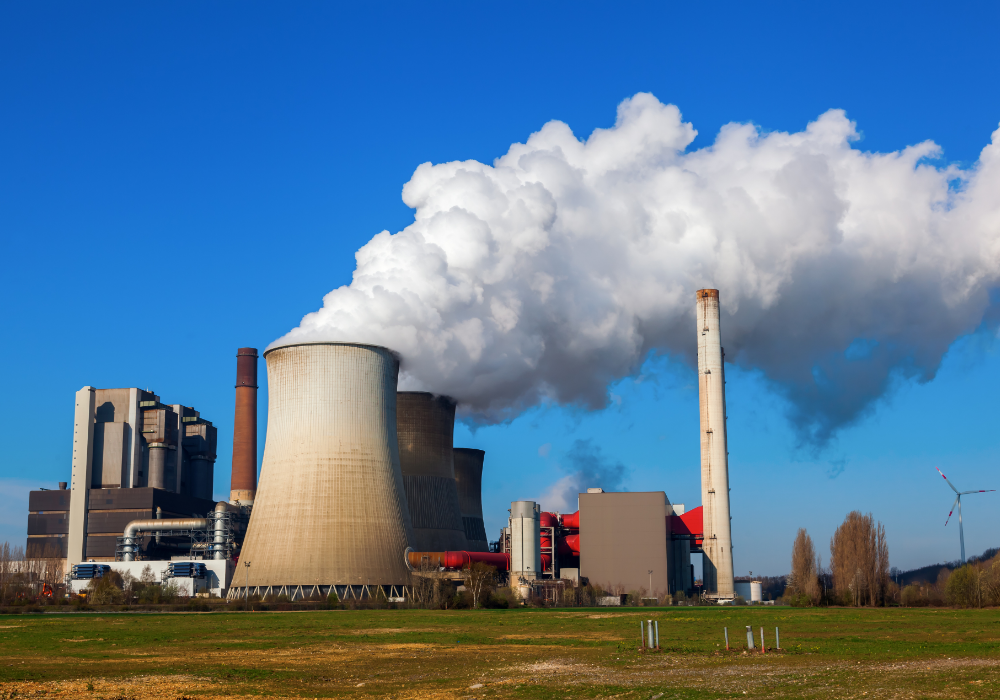
Not all carbon is created equal. Scientists can trace carbon emissions by their chemical signatures, like checking the fingerprints at a crime scene. And what they’ve found is clear: the excess CO₂ in our atmosphere carries the unmistakable mark of fossil fuels.
When ancient plants and animals turned into coal, oil, and gas, they locked away carbon with a distinct isotopic signature. The BBC explains that burning fossil fuels releases this unique carbon isotope into the atmosphere, a clear sign of human influence.
Natural sources like volcanoes or wildfires leave different chemical trails. The overwhelming presence of fossil-fuel carbon confirms what scientists have warned for decades—this surge isn’t natural. It’s man-made.
4. The oceans are absorbing more heat than ever before.

Oceans act like Earth’s thermostat, soaking up excess heat and keeping the planet relatively stable. But even the oceans have limits. In recent decades, they’ve been absorbing staggering amounts of heat—far beyond what natural cycles would produce.
Warmer oceans disrupt marine ecosystems, supercharge storms, and lead to devastating coral bleaching events. What’s alarming is how consistently ocean temperatures are rising worldwide, not just in isolated regions. This global pattern aligns perfectly with greenhouse gas emissions, not natural variability. The oceans are screaming the same message as the atmosphere: this isn’t normal.
5. Melting glaciers and ice sheets are way ahead of schedule.
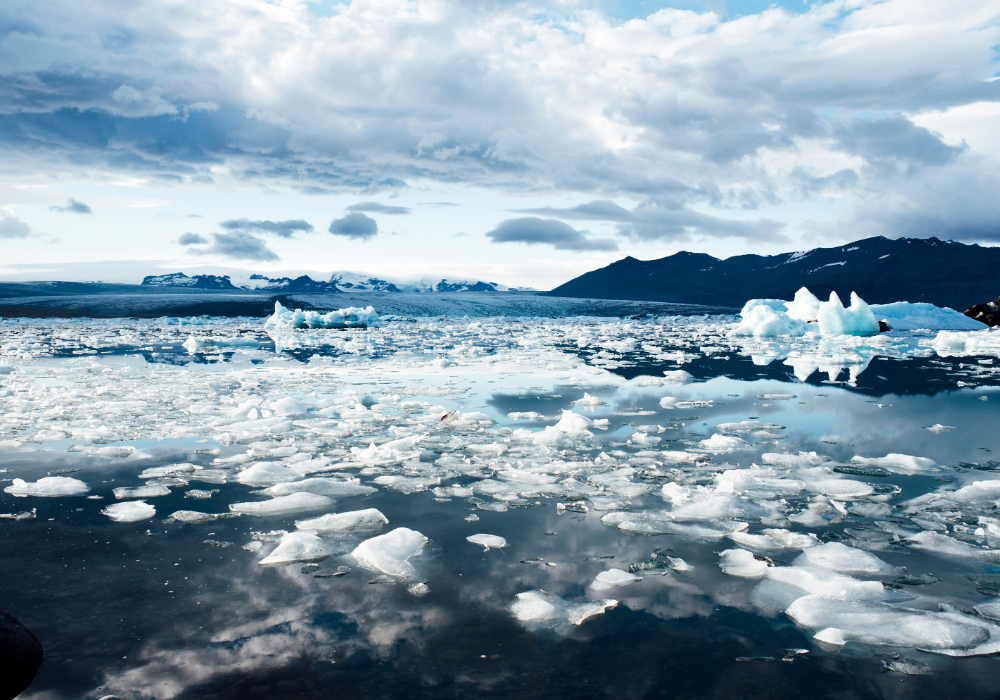
Ice ages and thaws are part of Earth’s long history, but what we’re seeing now is ice melt on fast-forward. Glaciers in Greenland, Antarctica, and mountain ranges worldwide are disappearing at rates that outpace natural melt cycles by centuries.
Satellite data confirms that ice loss is accelerating year after year. These massive ice sheets act like mirrors, reflecting sunlight and helping regulate the planet’s temperature. As they vanish, darker ocean water absorbs more heat, creating a feedback loop that speeds up warming even more. Natural climate shifts have never triggered this kind of rapid, widespread ice collapse. Our emissions have.
6. Ocean acidification links directly to human activity.

When oceans absorb CO₂, they don’t just get warmer—they get more acidic. This chemical shift wreaks havoc on marine life, especially species that rely on calcium to build shells and skeletons. What’s crucial here is that ocean acidification lines up perfectly with industrial CO₂ emissions.
Natural carbon cycles have never caused this rapid of a pH drop in modern oceans. Scientists track these changes with precision, and the results are clear: human activity is flooding the seas with carbon, changing their chemistry in real time. From fragile coral reefs to shellfish farms, the impacts are undeniable—and they point directly to us.
7. Wildlife is migrating in patterns we’ve never seen before.

Across the globe, animals are shifting their migration routes and timelines in direct response to rapid warming. Species that once thrived in cooler zones are moving toward the poles or higher elevations, chasing climates that feel more familiar. These shifts are happening too quickly to be natural.
Historical migration patterns evolved over millennia. Now, they’re changing within a few decades—a clear red flag. Scientists are watching fish, birds, and even insects relocate to survive rising temperatures. It’s not random. These movements track right alongside human-driven warming, not ancient climate rhythms. The wildlife itself is telling the story of human impact.
8. Coral reefs are bleaching at an alarming rate.
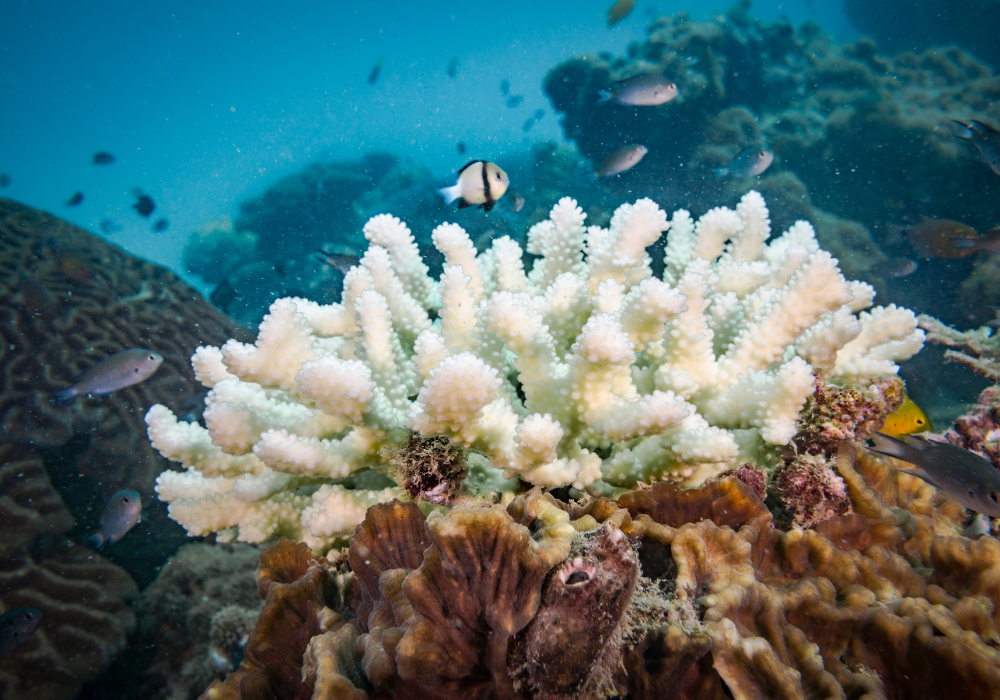
Coral reefs are sensitive indicators of ocean health, and right now, they’re in crisis. When water temperatures rise just a few degrees, corals expel the algae they rely on for food, leaving behind ghostly white skeletons. This bleaching weakens reefs and can lead to mass die-offs.
Natural warming events have caused bleaching before, but not like this. Now, reefs are bleaching more frequently and with less time to recover between events. Human-driven warming is pushing ocean temperatures into dangerous territory faster than ecosystems can keep up. Coral reefs, once vibrant and thriving, are among the clearest casualties of climate change we’ve caused.
9. Historic droughts are hitting across multiple continents.
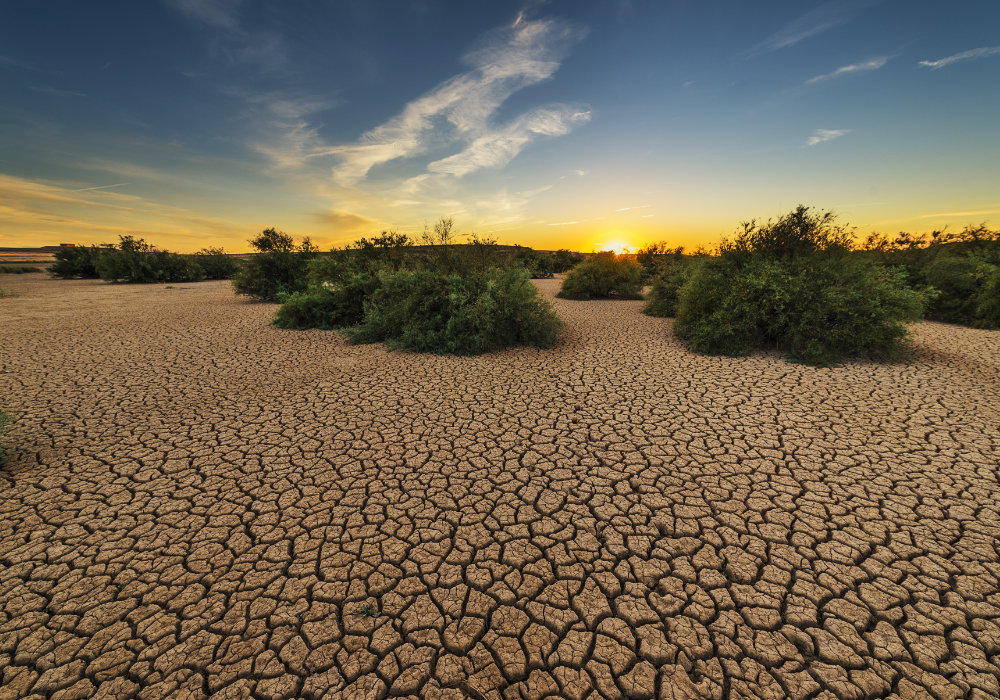
Dry spells have always existed, but today’s droughts are longer, harsher, and stretching across regions that rarely experienced them in the past. What used to be cyclical patterns are now relentless dry spells, devastating farmlands and putting millions at risk of water shortages.
These aren’t isolated cases—scientists are tracking widespread drought conditions from the U.S. West to Southern Europe and large parts of Africa. Climate change is supercharging these droughts by increasing temperatures and disrupting rainfall patterns. Warmer air pulls more moisture from soil and plants, turning moderate dry seasons into full-blown crises.
Crops fail, wildfires ignite more easily, and entire ecosystems strain under the pressure. While droughts have natural causes, the sheer frequency and intensity we’re seeing today point clearly to human-driven climate shifts. It’s a global pattern that can’t be explained by natural cycles alone.
10. Rainfall patterns are growing more extreme and unpredictable.
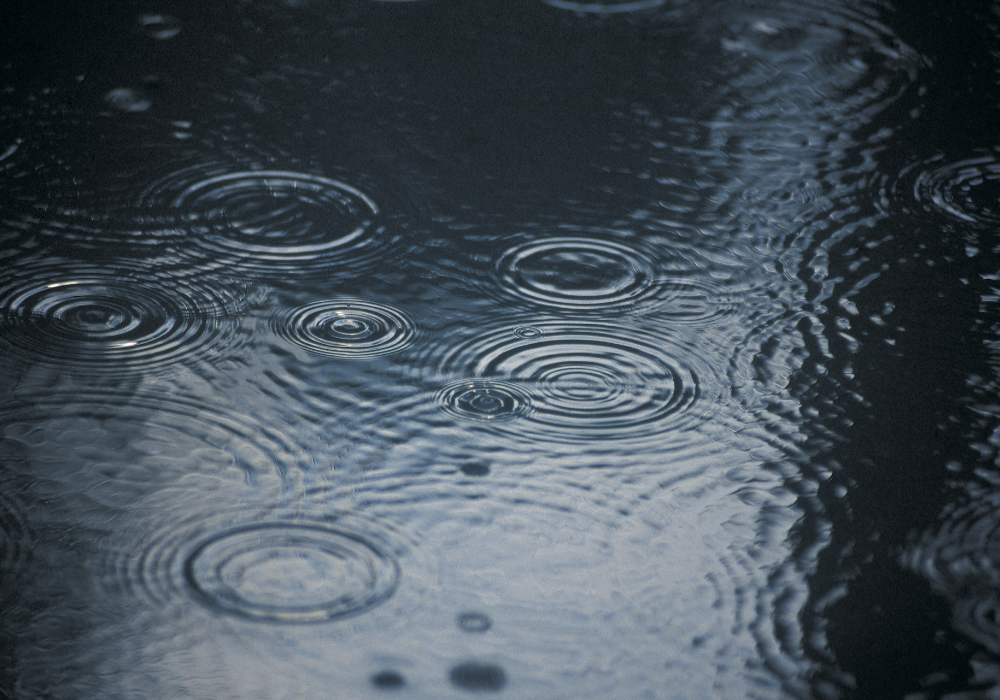
It’s not just about drought—climate change is also making rainstorms more intense and erratic. Warmer air holds more moisture, which means when it does rain, the skies often open up with overwhelming force. Flooding, landslides, and infrastructure failures follow.
Natural climate cycles don’t explain these sharp changes in precipitation. What does? The buildup of greenhouse gases in the atmosphere, which throws weather systems off balance. Scientists are observing wetter wet seasons and drier dry seasons worldwide, a telltale sign of human impact. These extremes in rainfall patterns are reshaping landscapes and threatening communities, making the case against “just natural variation” impossible to ignore.
11. Global climate models are predicting exactly what’s happening.
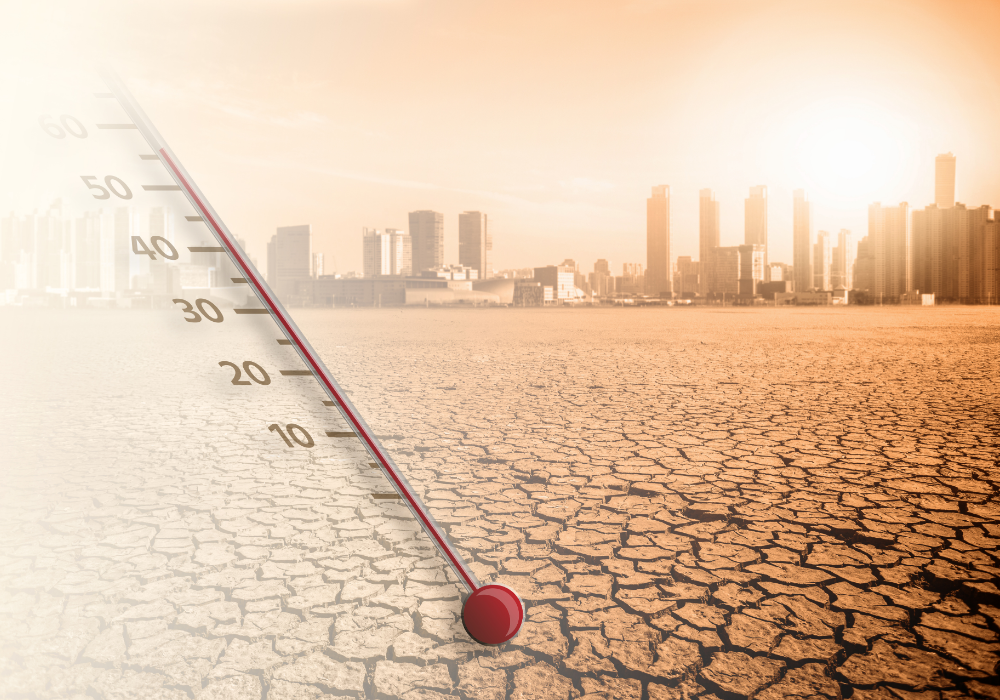
Climate models use physics, historical data, and emissions projections to forecast future warming. What’s striking is how closely these models match what’s unfolding around us. Rising global temperatures, intensifying storms, rapid ice melt—scientists predicted these outcomes decades ago, and reality is tracking right along with them. If the current warming were just a natural fluctuation, models based on human emissions wouldn’t align this accurately with real-world data. But they do, repeatedly.
These projections aren’t wild guesses; they’re built on solid science that accounts for human impact. Year after year, the models continue to validate themselves as the climate crisis unfolds in real time. This alignment between prediction and reality leaves little doubt about the true drivers behind our rapidly changing planet.
12. Scientists across the world agree on the cause.

When experts from every corner of the world, across dozens of scientific fields, come to the same conclusion, it’s not by accident. Climate scientists, atmospheric chemists, glaciologists, and ecologists overwhelmingly agree: human activity is driving the current climate crisis. Surveys show well over 97% consensus among climate scientists, a rare and powerful level of agreement in any scientific field.
This isn’t based on opinion—it’s built from mountains of research, peer-reviewed studies, and undeniable physical evidence. Fossil fuel combustion, deforestation, and industrial emissions have pushed atmospheric greenhouse gases to record levels. The consensus is clear because the data is impossible to ignore. When such a broad, global group of experts points to the same cause, it’s time to stop questioning whether humans are to blame and start focusing on what comes next.