
A powerful solar event like the 1859 Carrington flare could plunge modern civilization into darkness.
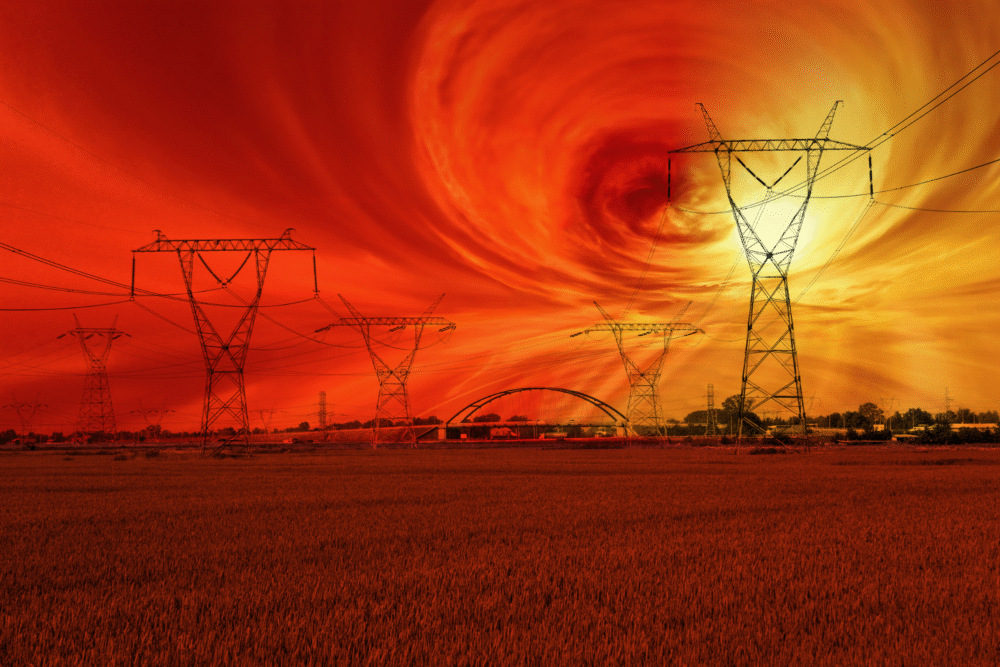
Scientists have long warned that a powerful solar storm could temporarily disable much of the world’s electrical and communications infrastructure. Known as a “Carrington-class event,” after the massive 1859 solar flare that lit telegraph wires on fire, such a storm today could disrupt satellites, GPS networks, and power grids worldwide. NASA, NOAA, and the European Space Agency closely monitor solar activity to detect these threats in advance, but even a few hours’ warning might not be enough. Here’s what would likely happen if a severe geomagnetic storm struck Earth and how experts say we could prepare for it.
1. The Sun Unleashes a Massive Coronal Mass Ejection
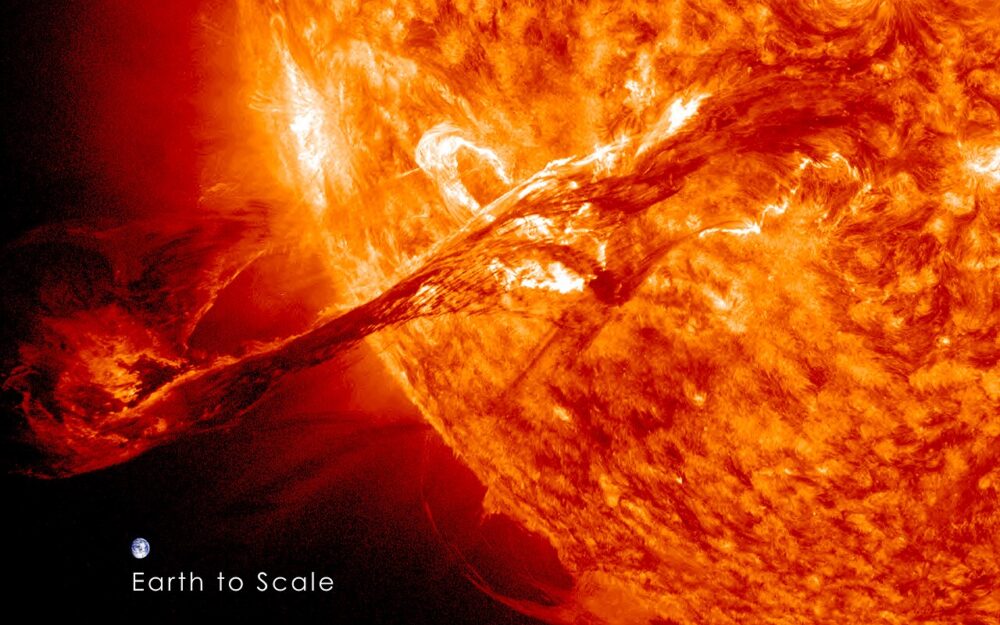
A severe solar storm begins with an enormous explosion on the Sun’s surface known as a coronal mass ejection, or CME. These eruptions blast billions of tons of charged particles into space at speeds up to several million miles per hour.
If the ejected plasma is directed toward Earth, it can reach the planet in one to three days. When that happens, the particles collide with Earth’s magnetic field, triggering geomagnetic disturbances powerful enough to affect satellites and electrical systems.
2. Satellites Detect the Incoming Wave of Energy

Spacecraft such as NASA’s Solar and Heliospheric Observatory (SOHO) and NOAA’s DSCOVR satellite provide early warnings when CMEs are detected. These satellites observe solar flares and measure magnetic activity traveling through space.
Once a CME is confirmed to be Earth-directed, scientists can estimate its arrival time. The most dangerous storms—classified as “G5” on NOAA’s geomagnetic scale—are capable of causing global disruptions to technology and power systems.
3. Aurora Lights Appear Far Beyond the Poles

As charged particles from the Sun hit Earth’s upper atmosphere, they excite oxygen and nitrogen atoms, producing vivid auroras. During extreme solar events, these lights can extend far beyond the poles.
In 1859, auroras were visible as far south as the Caribbean and Hawaii. Even moderate storms can create visible displays in Europe and the northern United States. While visually stunning, these auroras indicate that Earth’s magnetic field is under intense strain.
4. Power Grids Begin to Experience Dangerous Surges
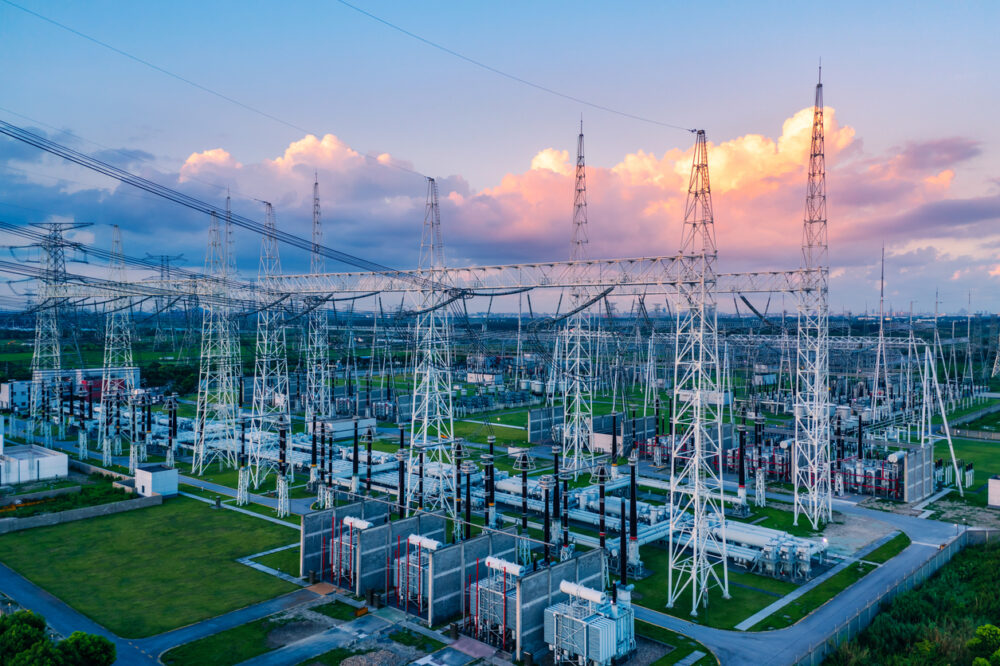
When charged solar particles interact with Earth’s magnetic field, they induce powerful electrical currents in long conductors—especially power lines. This can overload transformers and cause widespread voltage fluctuations.
In a major storm, entire regional grids could fail within minutes. The most famous modern example occurred in March 1989, when a geomagnetic storm blacked out the entire province of Quebec for nine hours. A stronger storm could trigger outages lasting days or even weeks.
5. Satellites and GPS Systems Start to Fail
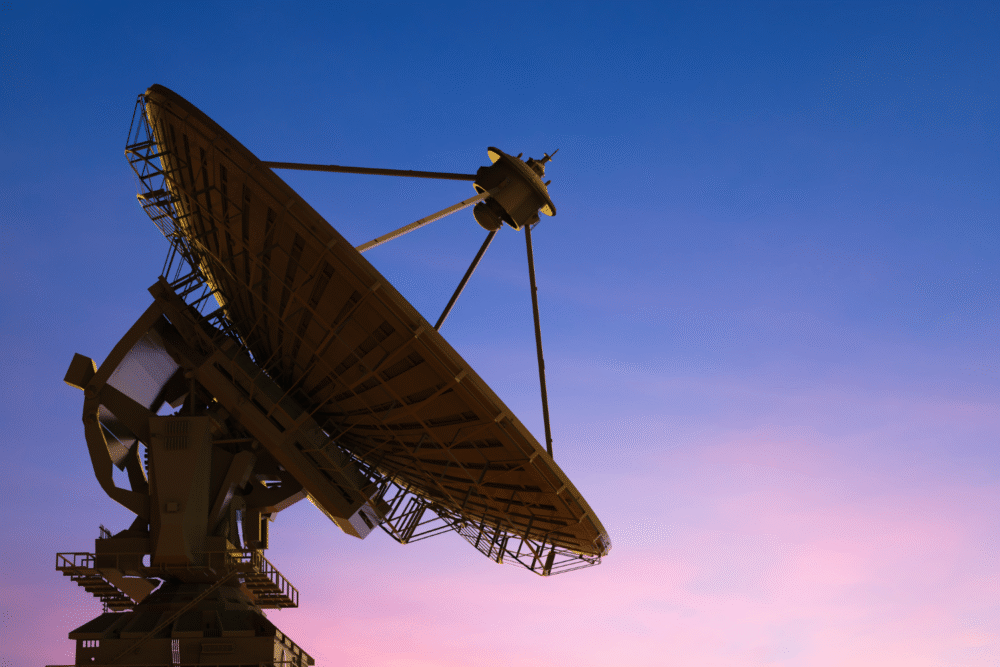
Solar radiation interferes with satellite electronics and communications. High-energy particles can damage sensitive components, degrade solar panels, and disrupt onboard sensors.
Global Positioning System (GPS) networks are especially vulnerable because they rely on precise timing and satellite communication. A strong solar storm could cause widespread navigation errors, disrupt aviation routes, and disable precision farming and emergency response systems.
6. Radio and Internet Communications Break Down

Geomagnetic storms can block or distort radio transmissions by ionizing layers of Earth’s upper atmosphere. High-frequency (HF) radio, used by ships and aircraft, is particularly affected.
The effects can ripple across modern communication networks, including undersea internet cables that use electrically powered repeaters. While fiber optics themselves are immune, the supporting systems that power and synchronize data could temporarily fail, leading to regional internet outages.
7. Airlines Are Forced to Reroute Flights

Airlines rely on satellite navigation, radar, and high-frequency radio—all of which are disrupted during major solar storms. To minimize radiation exposure and avoid signal loss, aircraft may have to reroute away from polar regions.
This leads to flight delays, longer travel times, and increased fuel costs. During strong solar events, airlines already coordinate with agencies like NOAA’s Space Weather Prediction Center to alter routes and protect onboard systems.
8. Spacecraft and Astronauts Face Elevated Radiation Risks

Outside Earth’s magnetic shield, solar storms pose a serious threat to astronauts and spacecraft. High-energy particles can damage electronics, increase cancer risk, and interfere with critical systems.
NASA’s Artemis and ISS missions rely on constant monitoring of solar activity to protect crews. In the event of an extreme solar storm, astronauts aboard the International Space Station would retreat to shielded modules to minimize exposure.
9. Global Supply Chains Could Grind to a Halt
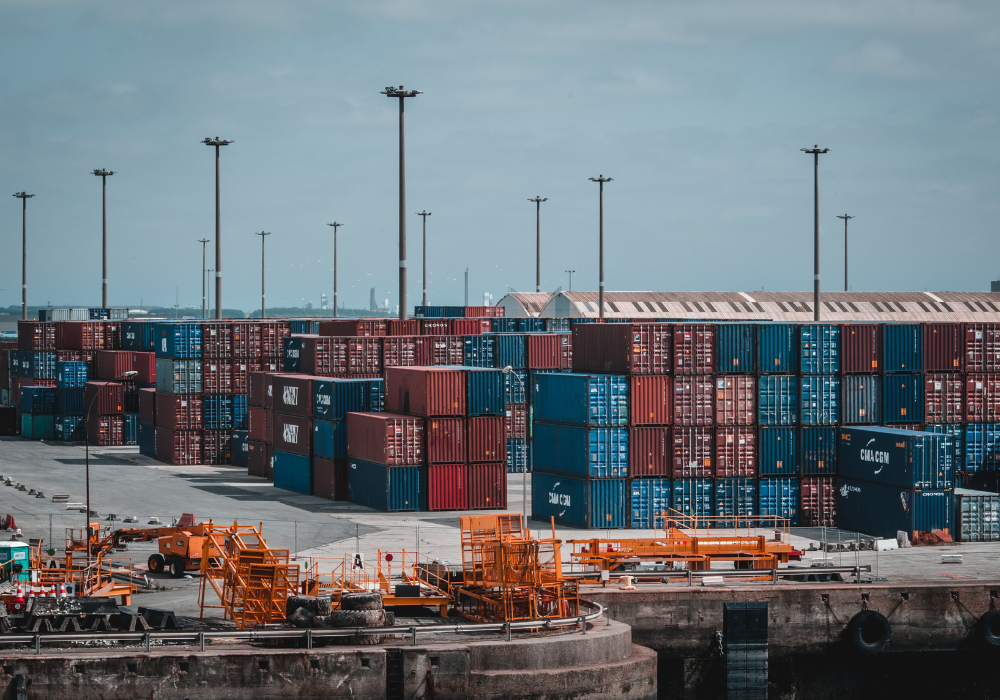
Modern logistics depend on GPS tracking, digital communications, and automated ports. If those systems failed simultaneously, supply chains could stall almost instantly.
Fuel deliveries, financial transactions, and food transport could all be disrupted, leading to cascading economic consequences. A 2013 Lloyd’s of London study estimated that a severe solar storm could cause trillions of dollars in global losses and prolonged recovery times.
10. Governments Activate Emergency Response Protocols

Most developed nations have contingency plans for geomagnetic storms, but experts warn that many are underprepared for a truly catastrophic event. Space weather agencies coordinate alerts with utilities, telecommunications firms, and aviation authorities.
In the United States, the Federal Emergency Management Agency (FEMA) and the Department of Homeland Security have integrated severe space-weather events into national risk assessments. Still, recovery from a large-scale grid failure could take months.
11. Scientists Work to Predict the Next Big Solar Storm
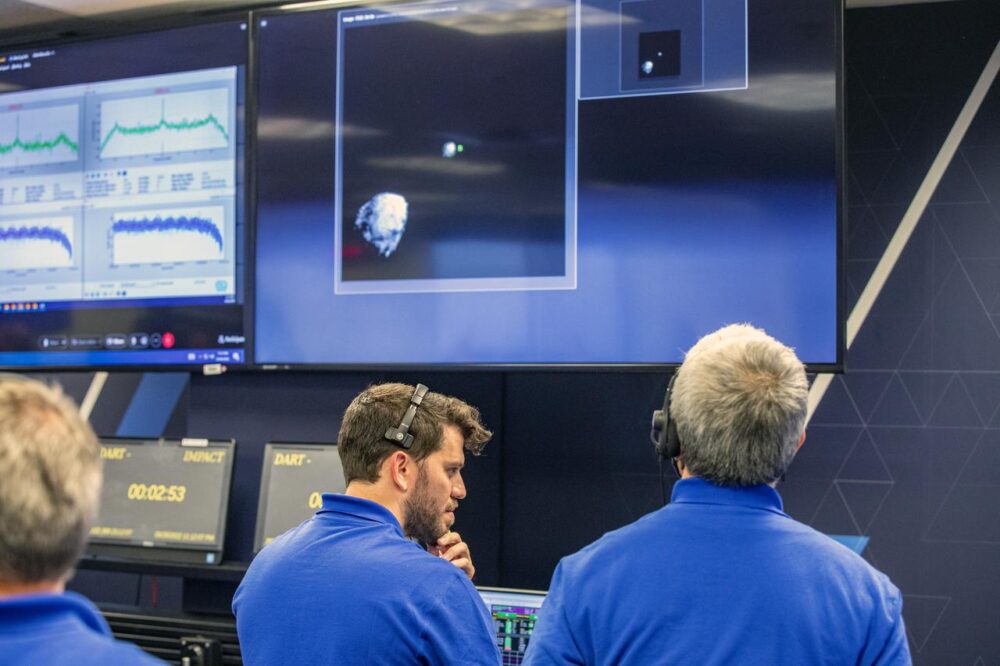
The Sun follows an approximately 11-year activity cycle, with solar maximum periods bringing more flares and CMEs. Scientists are now developing AI-based models and expanded solar observation networks to improve forecasting accuracy.
While smaller solar storms are common, severe events like the Carrington flare are rare—perhaps occurring once every 100 to 150 years. Experts agree it’s not a matter of if another will strike, but when, and that preparation and investment in resilient infrastructure could make the difference between disruption and disaster.