
The global backup plan designed to preserve crops and wild plants for future generations.
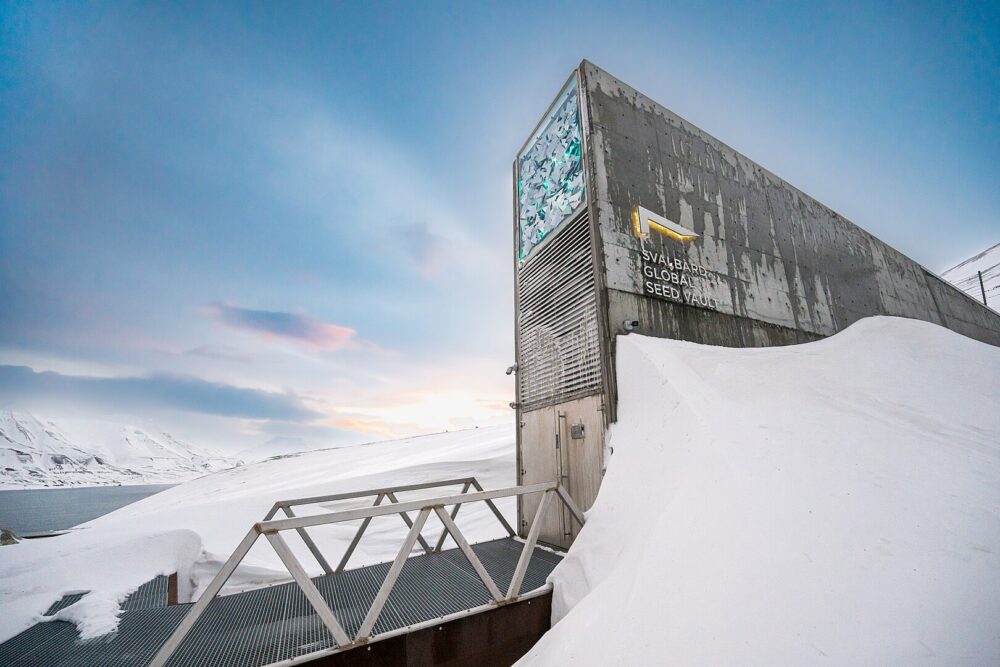
Around the world, scientists are quietly building a backup system for the planet’s plant life. Instead of storing data or artifacts, they are preserving millions of seeds in carefully controlled facilities designed to protect genetic diversity for decades or even centuries.
These seed banks exist because plants face growing threats from climate change, habitat loss, conflict, and disease, all of which can wipe out valuable crop varieties and wild species.
Seed banks matter now because modern food systems rely on a narrow range of plants, even though thousands of varieties once existed. These vaults act as insurance for future food security and ecosystem recovery.
Click through to discover why they are considered one of humanity’s most important long-term safeguards.
1. Seed banks are long-term storage facilities for plant life

Seed banks are specialized facilities that collect, dry, and store seeds so they remain viable far into the future. Their primary purpose is to preserve the genetic diversity of crops and wild plants that might otherwise be lost.
If a plant variety disappears due to disease, environmental change, or human activity, seeds stored in a bank can be used to restore it. In this way, seed banks act as a biological safety net rather than a museum.
2. Seeds must be carefully prepared before storage
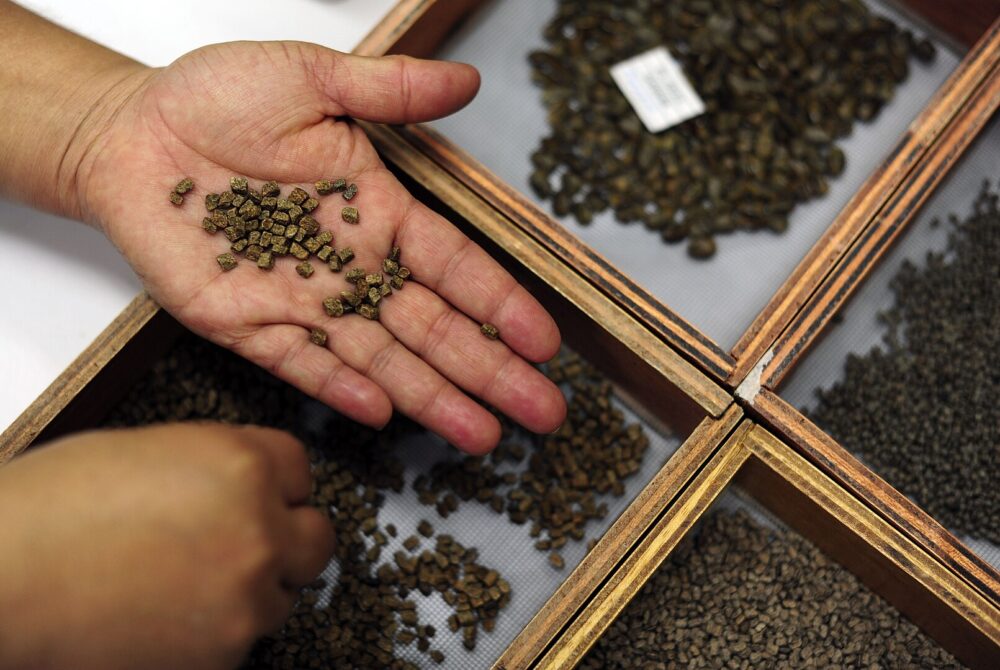
Before seeds enter long-term storage, scientists clean them and dry them to extremely low moisture levels. This preparation is essential because excess moisture can lead to mold, decay, or premature germination.
Once dried, seeds are sealed in airtight containers to protect them from oxygen, humidity, and pests. Even small mistakes at this stage can dramatically shorten a seed’s lifespan.
3. Cold storage dramatically slows seed aging

Most seed banks store seeds at freezing or near-freezing temperatures, often well below zero. Cold conditions slow the biological processes that cause seeds to age and lose viability over time.
By reducing metabolic activity, seeds remain alive but dormant. This allows them to survive for years or decades without growing or degrading.
4. Different seeds survive for different lengths of time

Not all seeds behave the same in storage. Some species can remain viable for decades, while others lose their ability to sprout much sooner, even under ideal conditions.
Because of this variation, seed banks regularly monitor stored samples. When viability drops, seeds are grown into new plants and fresh seeds are collected to keep the genetic line alive.
Follow us and access great exclusive content every day
5. Seed banks protect both food crops and wild plants
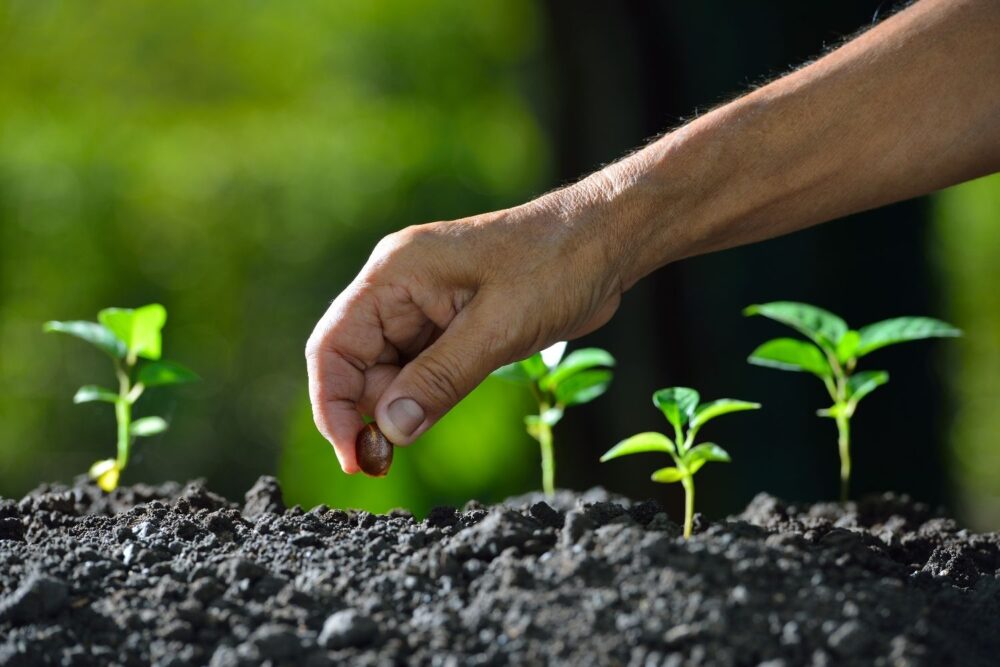
Seed banks don’t just store major crops like wheat, rice, or corn. They also preserve traditional varieties, regional crops, and wild plant species that may hold valuable traits. These traits can include resistance to drought, heat, pests, or disease—qualities that may become critical as climates change.
By maintaining this diversity, seed banks give plant breeders and scientists options for adapting agriculture to future conditions. Even wild plants play a role, since they can contain genetic traits that strengthen cultivated crops.
Without seed banks, many of these resources could disappear permanently before their value is fully understood.
6. Global seed vaults act as backup systems for local collections

Some seed banks operate at a regional or national level, while others serve as global backup vaults. These facilities store duplicate samples from seed banks around the world.
This redundancy is intentional. If a local collection is damaged by natural disaster, conflict, or equipment failure, the seeds can be retrieved from a secure backup location.
7. Seed banks have already helped restore lost crops

Seed banks are not just precautionary tools for the future. In several real-world cases, stored seeds have been used to restore crops lost to war, drought, or environmental collapse.
These recoveries demonstrate that seed banks are practical resources, capable of helping communities rebuild food systems when original varieties disappear.
8. Modern agriculture relies on surprisingly limited diversity

Despite thousands of edible plant species, modern agriculture depends heavily on a small number of crops. This lack of diversity makes food systems more vulnerable to disease outbreaks and climate stress.
Seed banks help counter that risk by preserving alternatives that could be reintroduced if dominant crops fail or struggle to adapt.
Follow us and access great exclusive content every day
9. Climate change increases the urgency of seed preservation
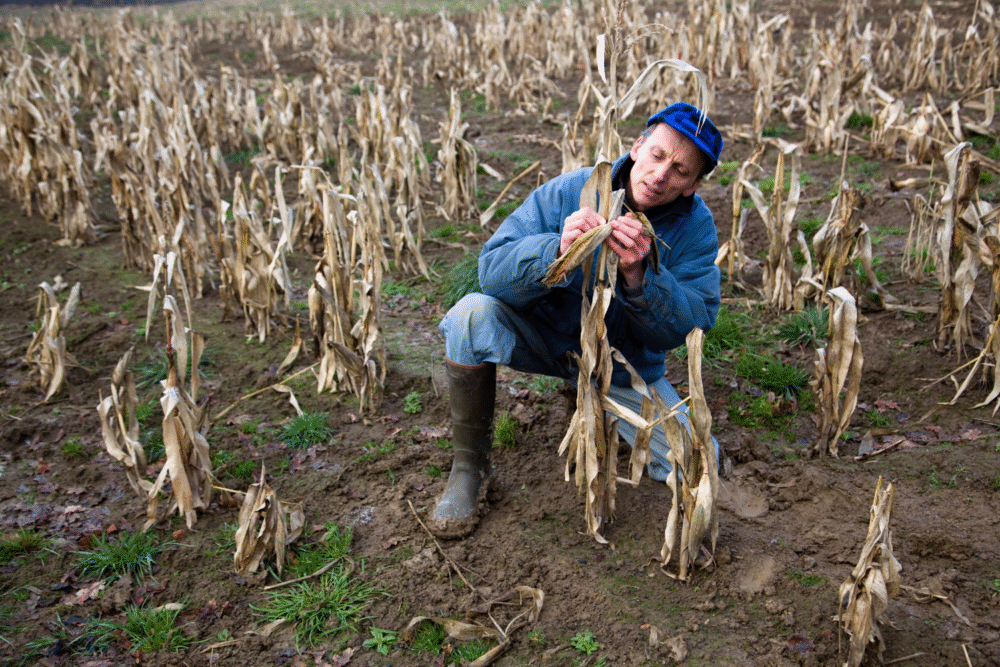
Rising temperatures, shifting rainfall patterns, and extreme weather events are already threatening plant species worldwide. Some plants may not adapt quickly enough to survive these rapid changes.
Seed banks ensure that genetic material is preserved even if plants disappear from their natural environments, buying time for future restoration or adaptation efforts.
10. Seed banks rely on international cooperation

Seed preservation is a global effort involving scientists, governments, and research institutions across borders. Seeds are shared and stored under international agreements designed to protect biodiversity.
This cooperation helps ensure that plant genetic resources remain available to humanity as a whole, rather than controlled by any single country or institution.
11. Stored seeds are regularly tested for viability

Seeds are not simply placed in storage and forgotten. Scientists periodically test samples to make sure they can still germinate and grow into healthy plants.
If a batch shows declining viability, new seeds are grown and returned to storage. This ongoing maintenance keeps collections alive rather than frozen in time.
12. Seed banks reflect long-term thinking about the planet’s future
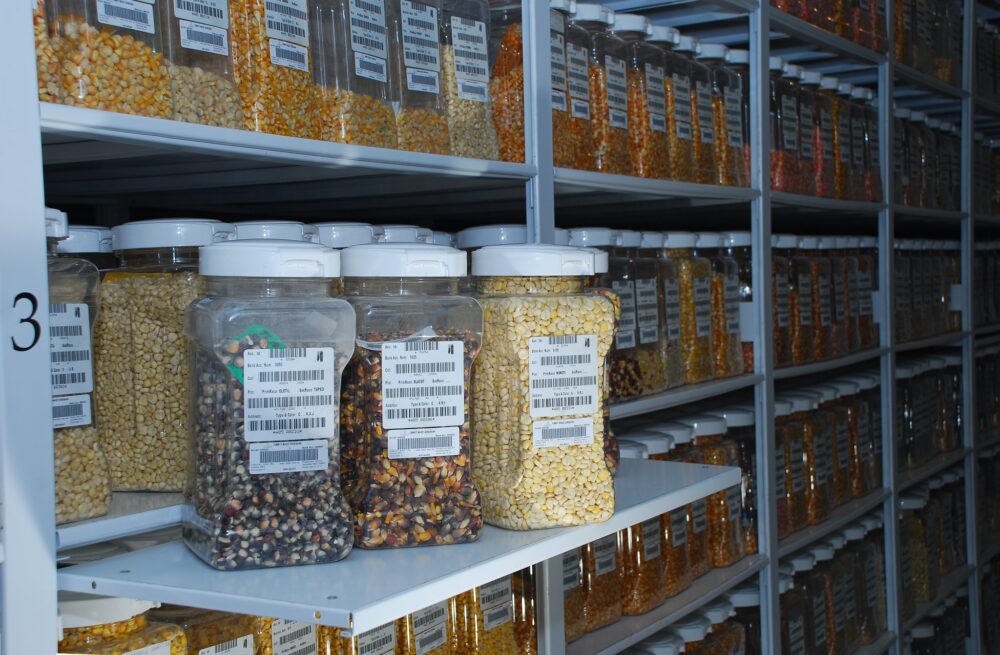
Seed banks are built on the understanding that future generations will face challenges we cannot fully predict. Preserving plant diversity today creates options tomorrow.
In a world shaped by uncertainty, these vaults represent one of the clearest examples of long-term planning—protecting not just food, but the biological foundation of life itself.