
Archaeological evidence reveals strict routines, harsh training, and surprising rituals behind gladiator life.
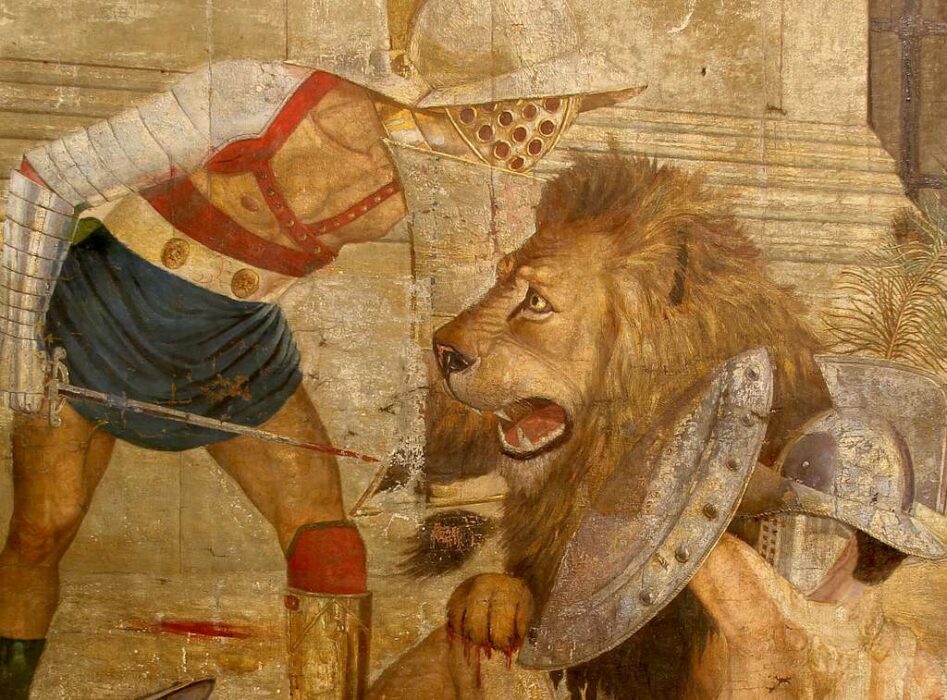
Gladiators are often remembered only for their violent arena battles, but historians say their daily lives were far more structured—and far stranger—than most people imagine. Archaeological excavations, ancient medical texts, and inscriptions reveal strict training schedules, specialized diets, medical care, and social rules that governed every part of their lives. Far from being chaotic or lawless, gladiator communities followed routines that blended discipline, danger, and occasional privilege. These surprising details reveal what life was really like behind the walls of the gladiator barracks.
1. Gladiator Schools Were Highly Organized Training Centers

Ancient gladiators lived in ludi, or gladiator schools, which functioned like military barracks. They ate, slept, and trained under the strict control of a lanista, the owner and manager of the school. Excavations—especially at the Ludus Magnus in Rome—show barracks, practice yards, weapons storage rooms, and even cells for punishment. Daily life was intensely structured, with rules dictating behavior, diet, and training schedules.
This organization ensured that gladiators gained the discipline, strength, and consistency needed to perform reliably in the arena. Despite popular portrayals, chaos played little role in their daily routines.
2. Their Training Regimen Was As Intense As Modern Professional Athletes

Gladiators trained almost every day using wooden swords, weighted shields, and sand-filled practice weapons designed to build stamina and precision. Instructors called doctores drilled them in footwork, timing, and specific fighting styles. Archaeological evidence shows they practiced in training arenas that mimicked the real amphitheater environment.
This constant repetition helped create expert fighters with impressive strength and endurance. Many gladiators were specialists, and maintaining form required rigorous conditioning. The focus on technique and discipline resembles the training of modern combat sports athletes more than the chaotic violence shown in movies.
3. Gladiator Diets Were Surprisingly Plant-Based

Analysis of gladiator bones found in Ephesus and other sites shows that gladiators ate a diet rich in grains, barley, beans, and dried fruits—much more plant-based than many imagine. Ancient sources even referred to them as hordearii, or “barley men.” They also drank a vinegar-and-ash tonic believed to strengthen bones by adding calcium and minerals.
This diet helped gladiators build body mass and maintain energy for long training sessions. Contrary to popular belief, they were not fed meat-heavy diets; their nutrition reflects careful planning to support strength, endurance, and recovery.
4. Medical Care Was Far Better Than Most Romans Received

Because gladiators were valuable investments, they received medical treatment that far exceeded what ordinary people experienced. Ancient medical tools found near gladiator schools and amphitheaters include scalpels, probes, and bandages. Writers like Galen—who treated gladiators in Pergamon—described advanced surgical techniques for wounds, fractures, and infections.
This specialized care allowed fighters to survive injuries that would have killed other Romans. While their profession was dangerous, gladiators benefited from some of the most skilled medical practitioners of the ancient world.
5. Gladiators Fought in Strictly Assigned Styles—Not Freely Chosen Weapons
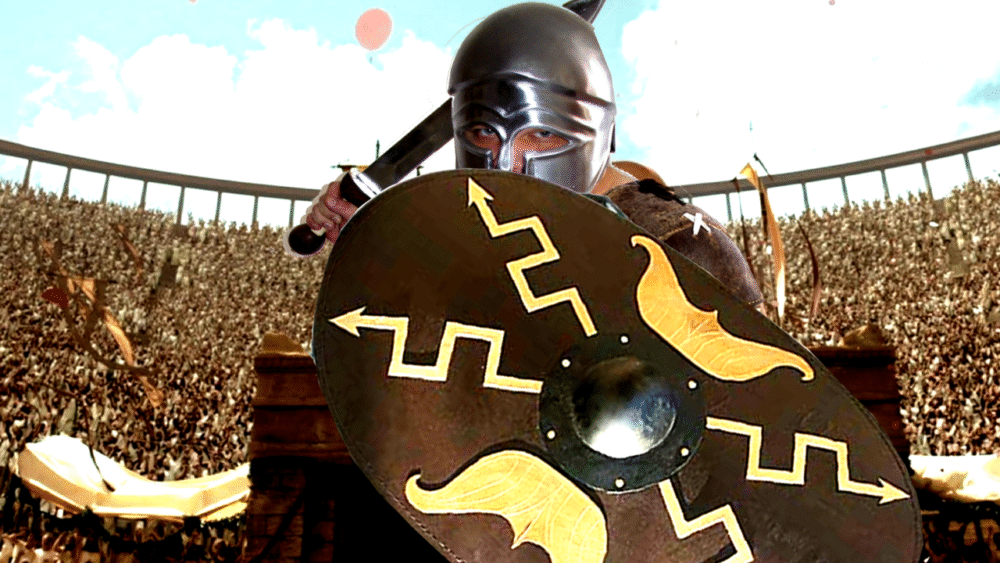
Each gladiator trained in a specific fighting style based on class, equipment, and role. Types included the secutor, retiarius, murmillo, and thraces, each with set weapons, armor, and techniques. Fighters rarely chose their style; it was assigned by coaches and the lanista based on physique and skill.
These roles created balanced matchups in the arena, where complementary styles faced one another to produce strategic, exciting combat. The organization and discipline behind these styles made gladiatorial combat closer to a regulated sport than a chaotic brawl.
6. Social Status Inside the Barracks Was Strictly Hierarchical
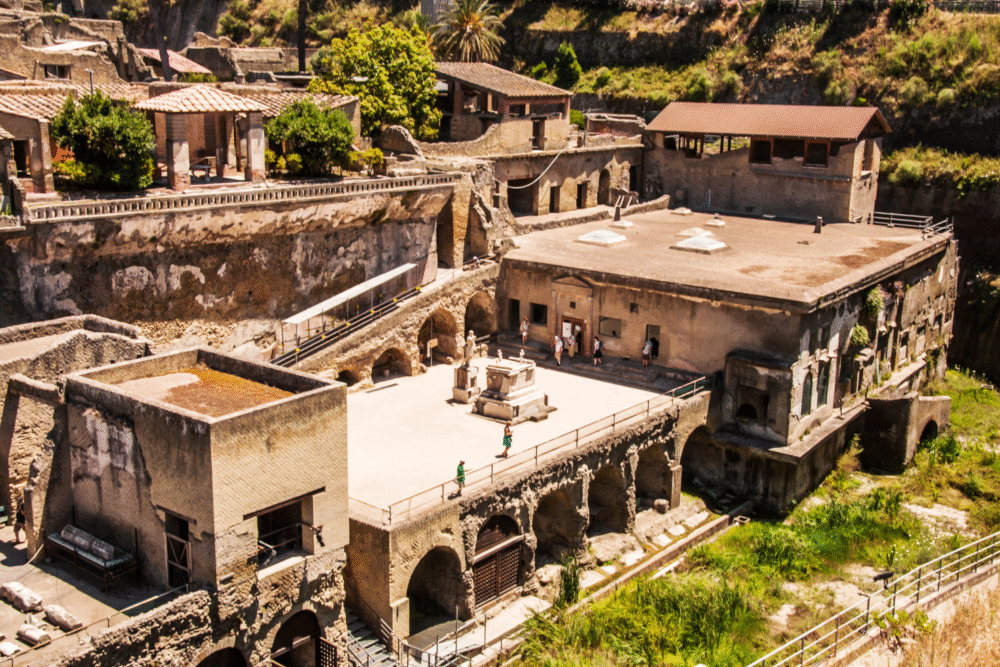
Gladiator communities had clear rankings. Veteran fighters and champions held status and often received better quarters, privileges, or training duties. New recruits—especially enslaved fighters—had the lowest status and the hardest schedules. Inscriptions show that camaraderie existed, but so did rivalry and competition.
Despite their low legal status, successful gladiators earned admiration from the public and sometimes from elite Romans. Their hierarchy reflected both their internal discipline and their public fame.
7. Gladiators Formed Close Bonds and Even Burial Societies
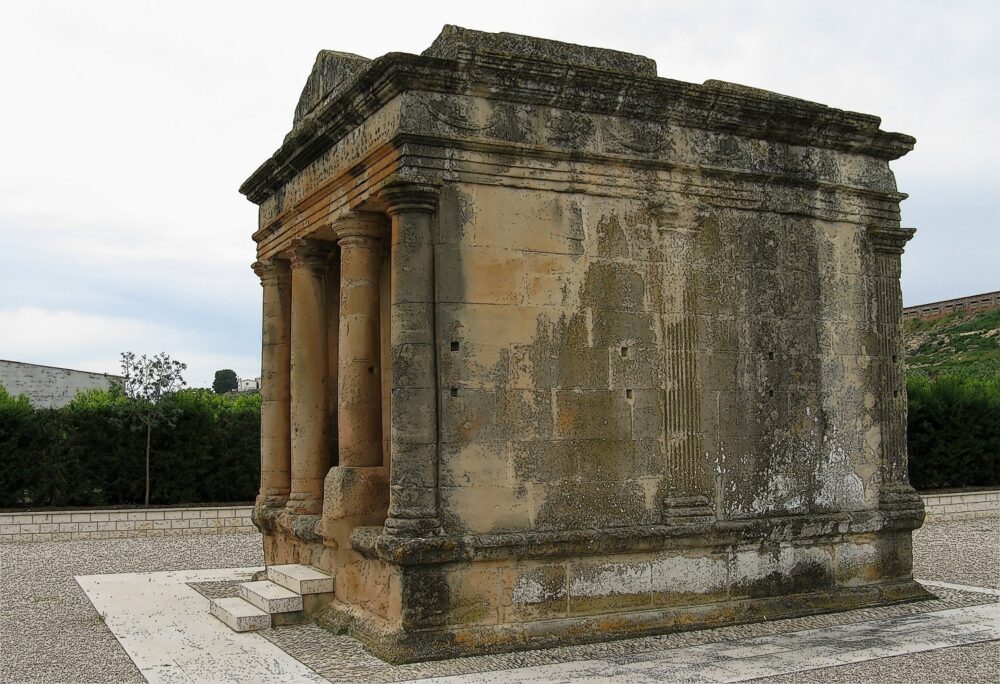
Many gladiators joined collegia, or burial and support associations, that ensured members received proper funerals if they died in the arena. Tombstones from across the empire mention groups of fighters who considered themselves “brothers in arms.”
These organizations also provided social support and a sense of belonging for men who were often marginalized or enslaved. Their existence highlights how strong the internal community could be inside gladiator schools.
8. Not All Gladiators Were Slaves—Some Were Free Men Seeking Fame or Money

While many gladiators were enslaved or prisoners of war, others volunteered to fight. Auctorati—free men who signed contracts—entered the arena seeking debt relief, social recognition, steady food, or the thrill of combat. Their contracts spelled out pay, fighting conditions, and length of service.
Volunteers were not the majority, but their presence shows that gladiator life was more complex than simple coercion. Some free men willingly embraced the risks for the chance at wealth or status.
9. Life Was Closely Controlled—Escapes and Rebellions Were Rare
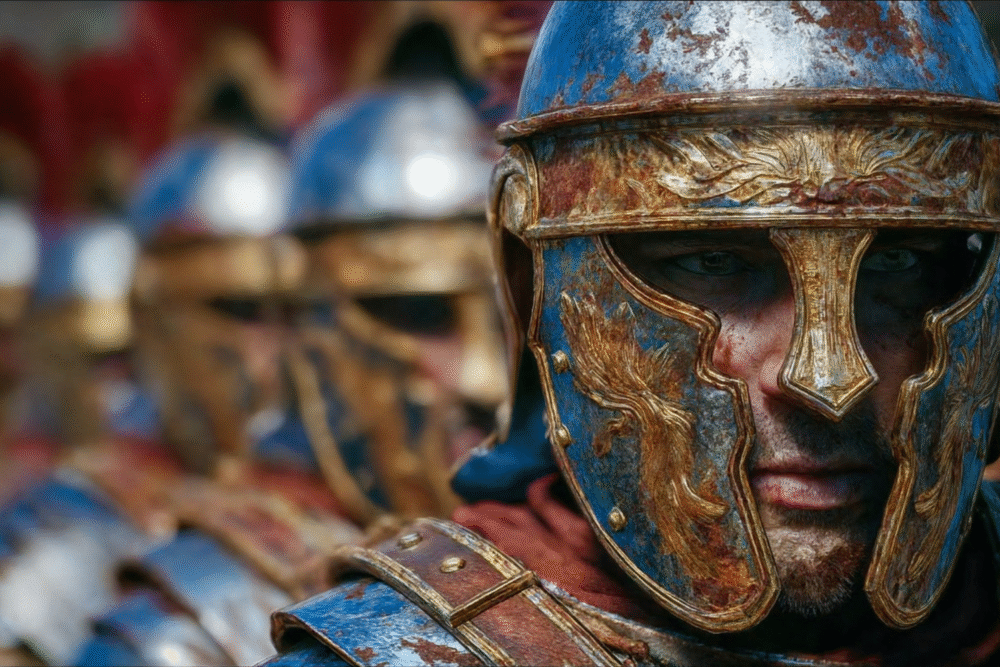
Despite modern depictions, gladiator revolts like Spartacus’ uprising were extremely rare. Schools were heavily guarded, and fighters who attempted escape faced severe punishment. The strict control was designed to protect the lanista’s investment and maintain public order.
While daily life could be harsh, most gladiators followed the rules, trained regularly, and accepted the routines that governed their lives. The controlled environment emphasizes how tightly regulated gladiatorial culture truly was.
10. Gladiator Fans Were Fiercely Devoted—Sometimes to Obsession
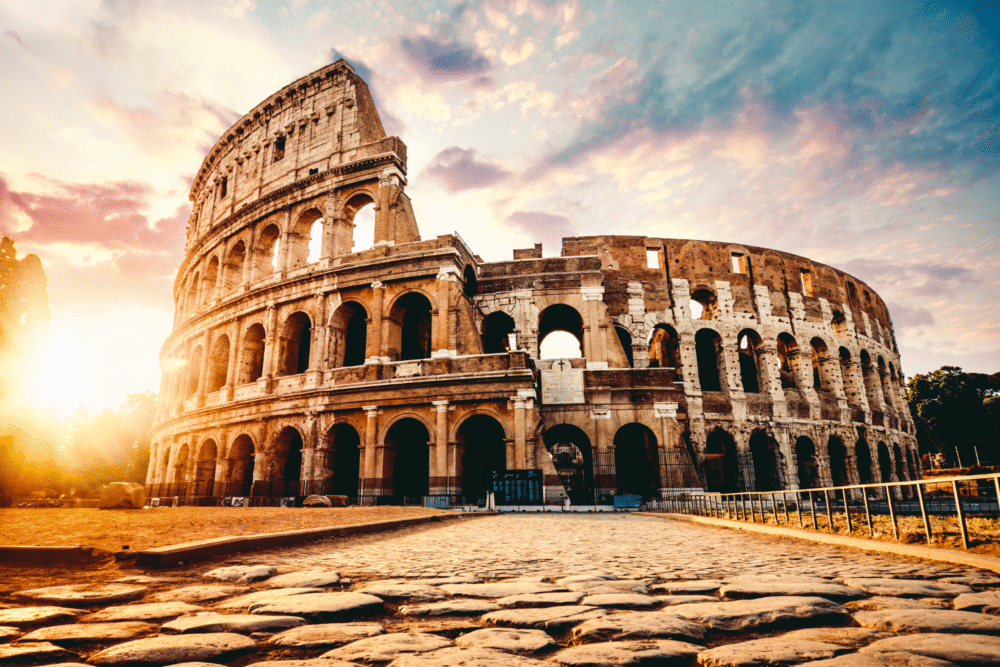
Romans idolized gladiators much like modern sports fans admire star athletes. Graffiti, mosaics, and inscriptions reveal fans celebrating their favorite fighters, cheering victories, and memorializing famous champions. Some admirers even sent love notes or gifts to fighters they idolized.
This intense public interest elevated successful gladiators to celebrity status. Despite their low legal position, many earned widespread admiration and enjoyed privileges outside the arena.
11. Retirement Was Possible—And Some Gladiators Became Instructors

Gladiators who survived enough fights could earn freedom, either through manumission or by winning enough matches. Freed fighters sometimes stayed in the gladiatorial world as instructors, referees, or trainers. Others married, ran businesses, or worked as security.
Retirement didn’t erase the risks they faced, but it offered a path forward. Their ability to reintegrate into Roman life shows that gladiators were far more than disposable entertainers—they were skilled professionals whose expertise could translate beyond the arena.