
A Las Vegas luxury hotel turned into a deadly inferno, exposing fatal safety flaws that changed U.S. law.
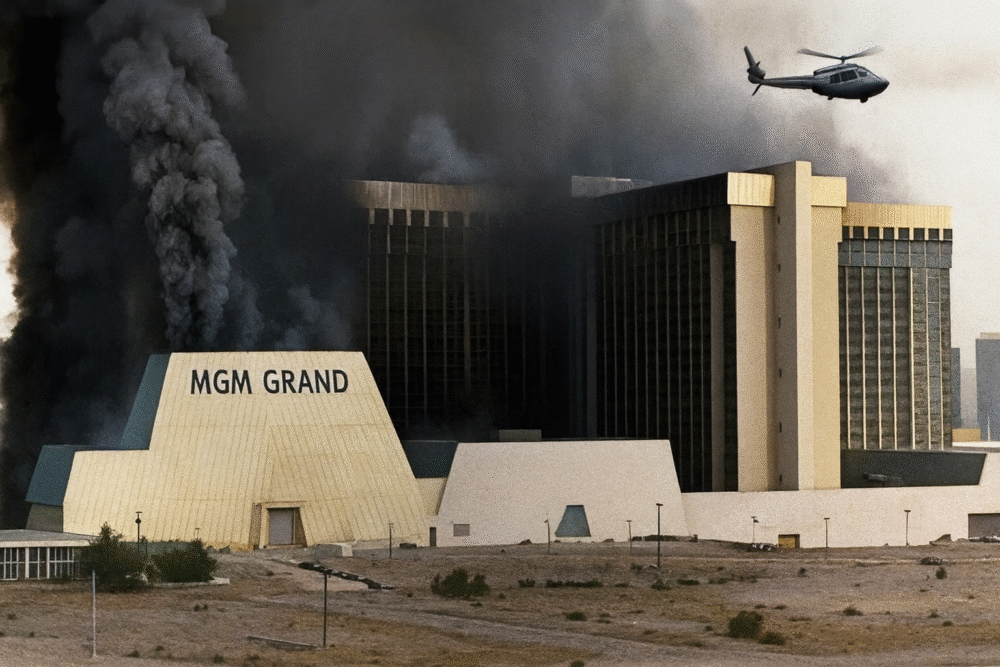
On the morning of November 21, 1980, smoke began pouring through the MGM Grand Hotel in Las Vegas—and within minutes, chaos erupted. Guests awoke to blaring alarms, trapped in hallways filled with toxic fumes as flames raced through the casino level. In less than 20 minutes, 87 people were dead and hundreds more injured. The tragedy exposed alarming lapses in fire safety that led to sweeping changes in building codes across the United States.
1. A Normal Morning Turned Into a Nightmare
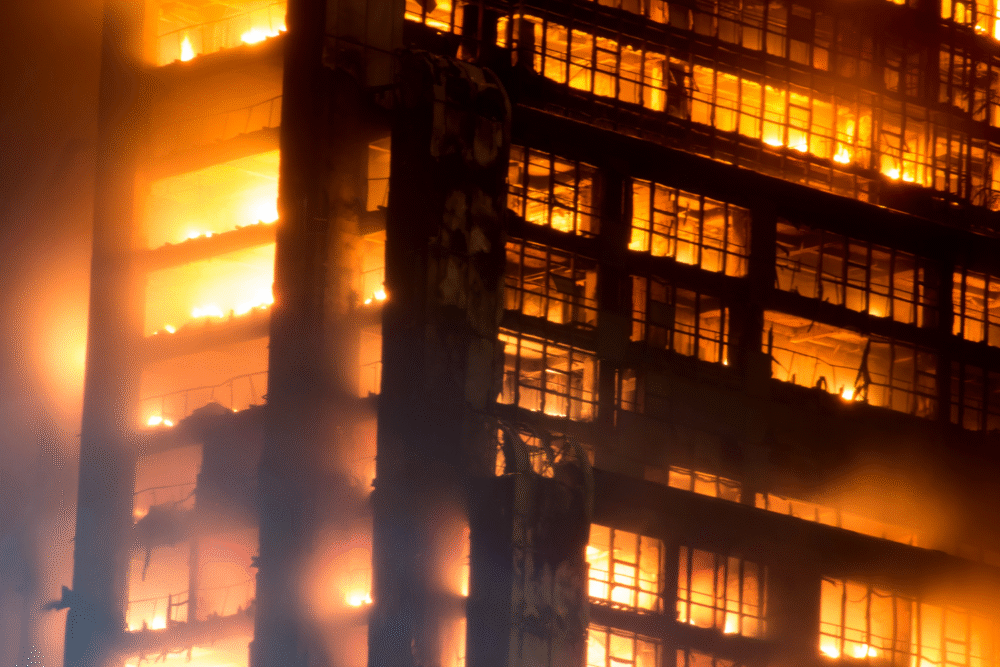
The MGM Grand Hotel fire began early on November 21, 1980, as guests slept in one of Las Vegas’s most luxurious resorts. At around 7:00 a.m., smoke began rising from a ground-floor restaurant, and within minutes, the massive hotel and casino complex was consumed by chaos.
Flames tore through the lower floors, and toxic smoke spread rapidly upward through elevator shafts and air ducts. What began as a small electrical fault would soon become one of the deadliest hotel fires in American history.
2. A Hidden Electrical Fault Ignited the Blaze
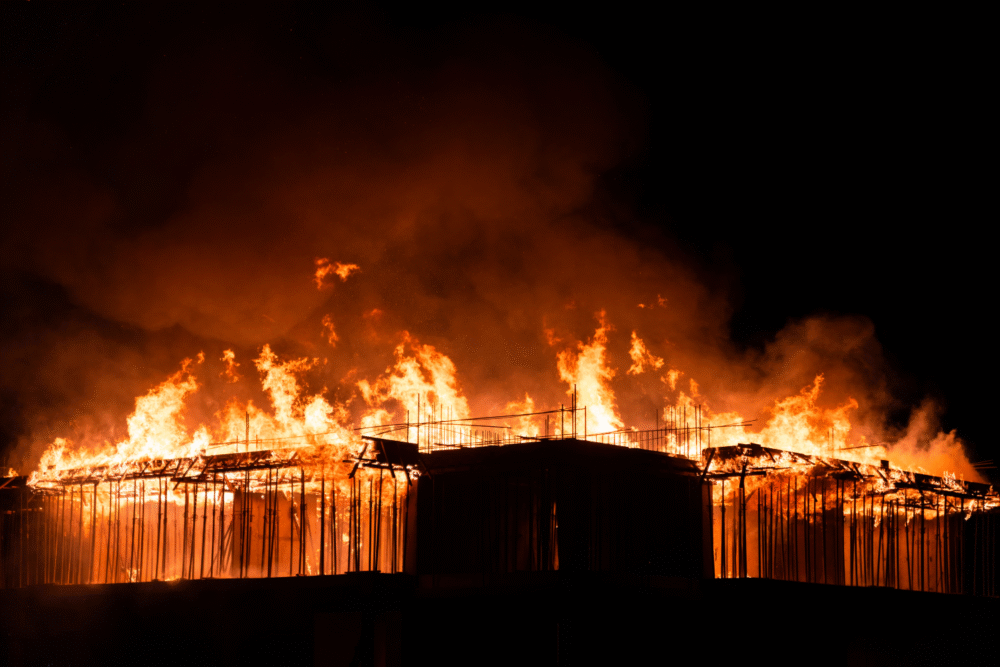
Investigators later determined that the fire started in The Deli, a restaurant located on the first floor of the MGM Grand. Faulty wiring in a refrigerated pastry case caused a spark that ignited nearby flammable materials, including wall coverings, PVC piping, and adhesives.
Without sprinklers or fire-resistant construction in that part of the building, the flames grew rapidly. By the time hotel staff noticed smoke, the blaze had already spread into the main casino area, producing dense, toxic fumes.
3. Smoke, Not Flames, Claimed Most of the Lives
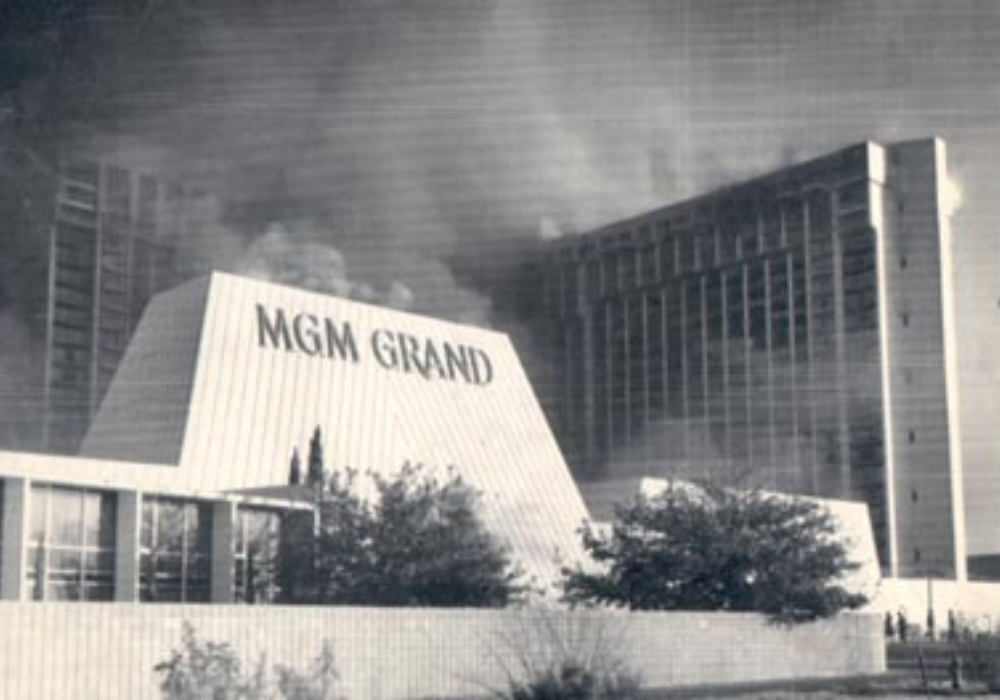
Although firefighters contained the flames to the lower levels, it was the smoke that proved deadly. Thick black clouds of carbon monoxide and hydrogen cyanide filled hallways and guest rooms, spreading upward through elevator shafts and ventilation systems.
Many guests never had time to reach exits or even realize what was happening. Most of the 87 victims died of smoke inhalation rather than burns, trapped in upper floors where stairwells and hallways had already filled with toxic gases.
4. Alarm Systems and Exits Failed to Protect Guests

The MGM Grand’s alarm system activated, but many guests didn’t hear it because it was not designed to sound throughout the entire building. Elevators continued running, even as smoke filled the shafts, trapping some passengers between floors.
In several areas, exit signs were obscured or stairwells became impassable due to heavy smoke. Without clear direction or ventilation, hundreds of guests were left disoriented as emergency responders struggled to reach them.
5. Firefighters Faced Impossible Conditions
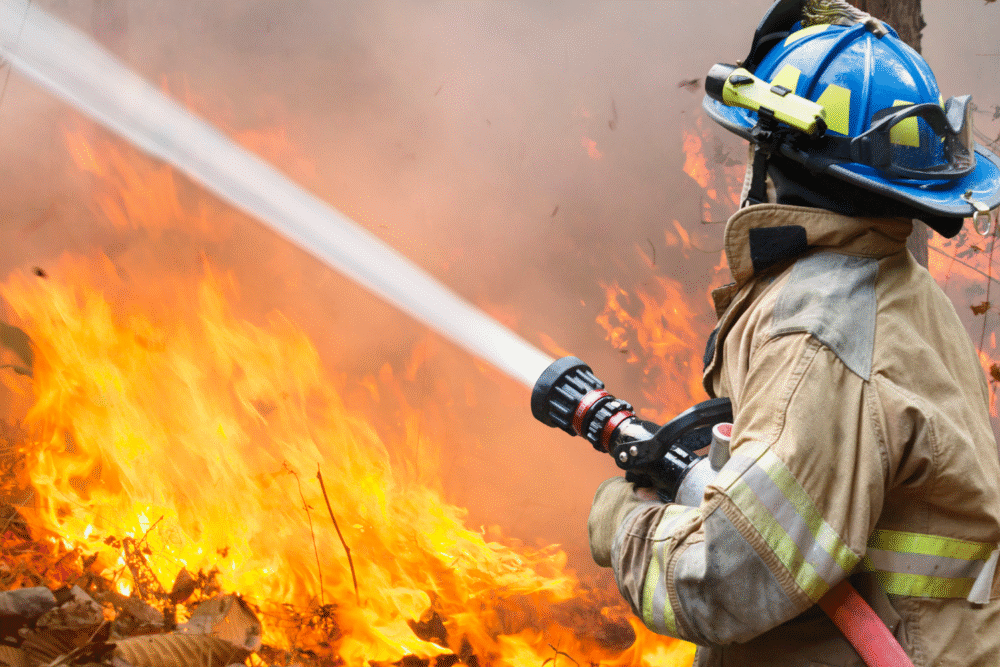
More than 350 firefighters responded to the scene within minutes, but the scale of the disaster was overwhelming. The casino’s interior acted like a chimney, feeding oxygen to the flames while sending smoke to upper floors.
Helicopters rescued stranded guests from the roof while others broke hotel windows to breathe. Despite their efforts, firefighters were hampered by extreme heat, zero visibility, and the rapid spread of toxic gases that made interior rescues perilous.
6. The Human Toll Was Devastating
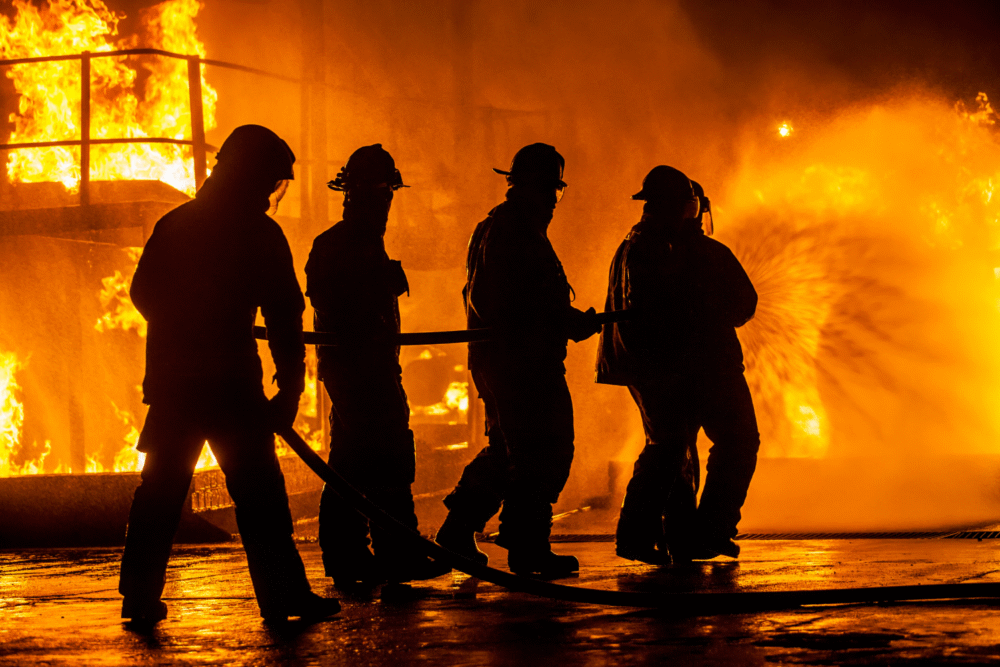
By the time the fire was extinguished, 87 people had lost their lives and more than 650 others were injured. Many of the victims were found in hallways and stairwells, overcome by smoke as they tried to escape.
The majority of fatalities occurred on floors 19 through 24, where toxic gases concentrated. Survivors described scenes of confusion and desperation as guests broke through walls, climbed onto ledges, and waited for rescue from the upper stories.
7. The Building Lacked Critical Fire Safety Systems
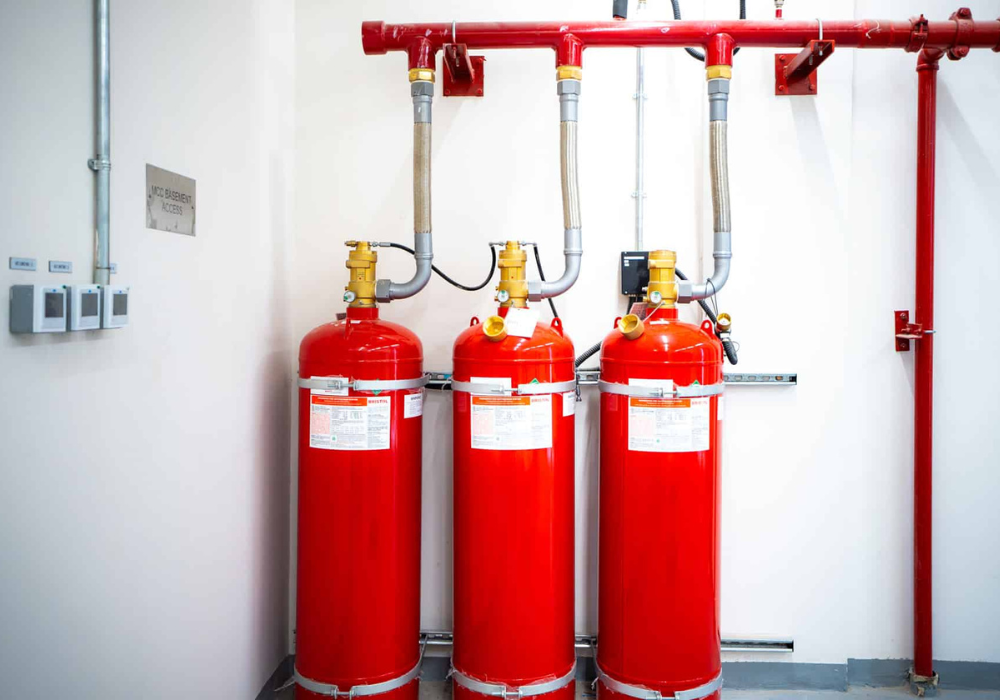
When the MGM Grand opened in 1973, parts of the building—including the casino and restaurants—had been granted exemptions from fire-safety requirements. As a result, large areas of the hotel lacked sprinklers and smoke dampers.
Those oversights proved fatal. Investigators concluded that if sprinklers had been installed where the fire began, it likely would have been contained within minutes. Instead, the absence of basic protections allowed it to become a full-scale disaster.
8. Investigations Exposed Widespread Negligence
The official investigation revealed a series of failures in construction, oversight, and emergency preparedness. Electrical equipment was improperly grounded, flammable materials were used in public spaces, and safety warnings had been ignored during earlier inspections.
Hotel officials faced lawsuits from victims and their families, leading to one of the largest civil settlements in Nevada’s history. The tragedy exposed how design shortcuts and cost-saving measures can have catastrophic consequences when safety is compromised.
9. The Disaster Transformed Fire Codes Nationwide

In the aftermath of the MGM Grand tragedy, sweeping reforms reshaped U.S. fire and building codes. Mandatory sprinkler systems, smoke detectors, and fire-resistant materials became standard requirements in hotels and high-rise buildings across the country.
Las Vegas itself overhauled its fire regulations, requiring hotels to retrofit older structures and conduct regular safety inspections. Firefighters and engineers later credited the MGM Grand disaster with saving countless lives by forcing nationwide reform.
10. The MGM Grand Reopened With a Legacy of Reform
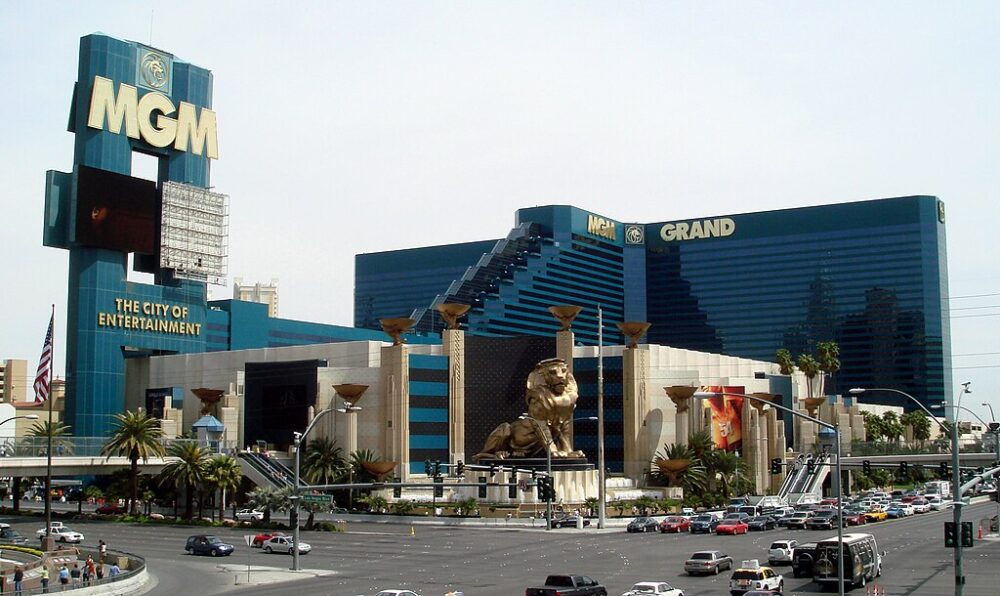
After extensive reconstruction and the installation of modern fire-safety systems, the MGM Grand reopened in 1981. The tragedy, however, left a permanent mark on Las Vegas and the hospitality industry worldwide.
The fire remains a somber reminder of how one overlooked spark can change everything. Every major hotel built since then carries the lessons learned from that morning—proof that even out of tragedy, progress in safety can emerge.