
New research reveals how honeybee colonies turn on aging or faltering queens with ruthless precision.

In the tightly run world of honeybees, even royalty isn’t safe. Scientists studying hive dynamics have discovered that when a queen bee’s pheromones weaken—a sign of aging or declining fertility—worker bees respond swiftly and violently. They stop feeding her, begin raising a replacement, and may even attack or kill her outright. The process, known as “queen supersedure,” ensures the colony’s survival, offering a startling glimpse into how nature enforces strength and efficiency within the hive.
1. The Queen’s Power Comes From Her Scent

A honeybee queen rules not through force but chemistry. Her pheromones—complex chemical signals—maintain order in the hive by reassuring workers of her fertility and vitality. These scents suppress the workers’ ability to reproduce and signal that the colony is stable.
When a queen’s pheromones weaken, usually due to age or stress, the hive senses the change almost immediately. The workers begin to behave differently, interpreting the reduced signal as a warning that their leader may no longer be fit to sustain the colony’s future.
2. Worker Bees Constantly Monitor the Queen’s Health
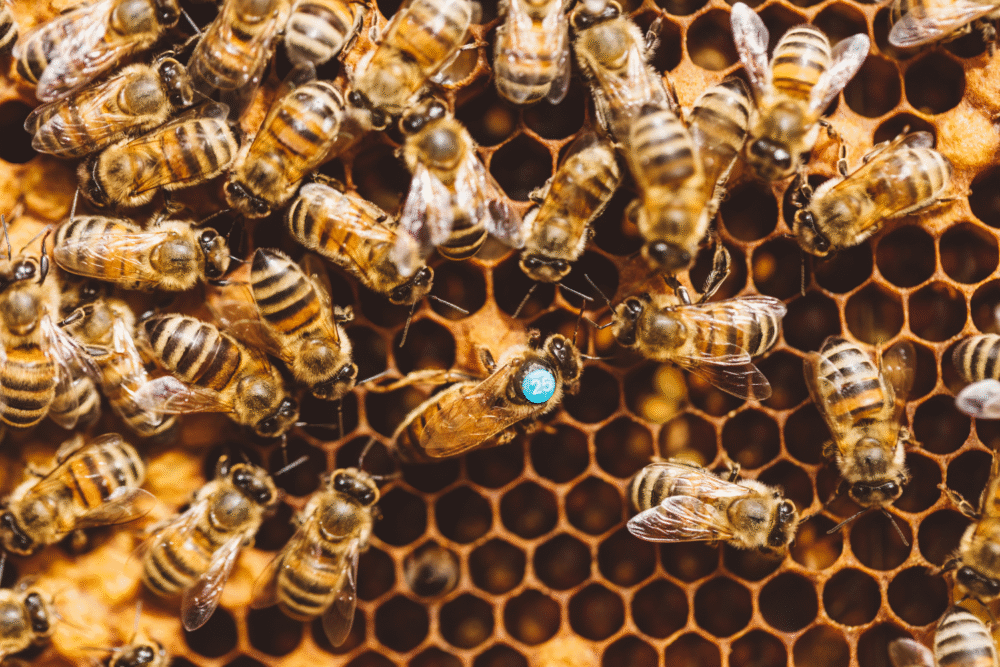
Every day, thousands of worker bees interact with their queen, feeding and grooming her while passing along her scent through the colony. This constant contact allows them to monitor her condition in real time.
Scientists studying hive behavior found that even small drops in pheromone strength can trigger worker concern. Once the queen’s signal weakens beyond a certain threshold, the workers’ loyalty fades, and the hive begins preparing for her replacement—often before the queen herself shows visible decline.
3. Weak Pheromones Signal It’s Time to Replace the Queen
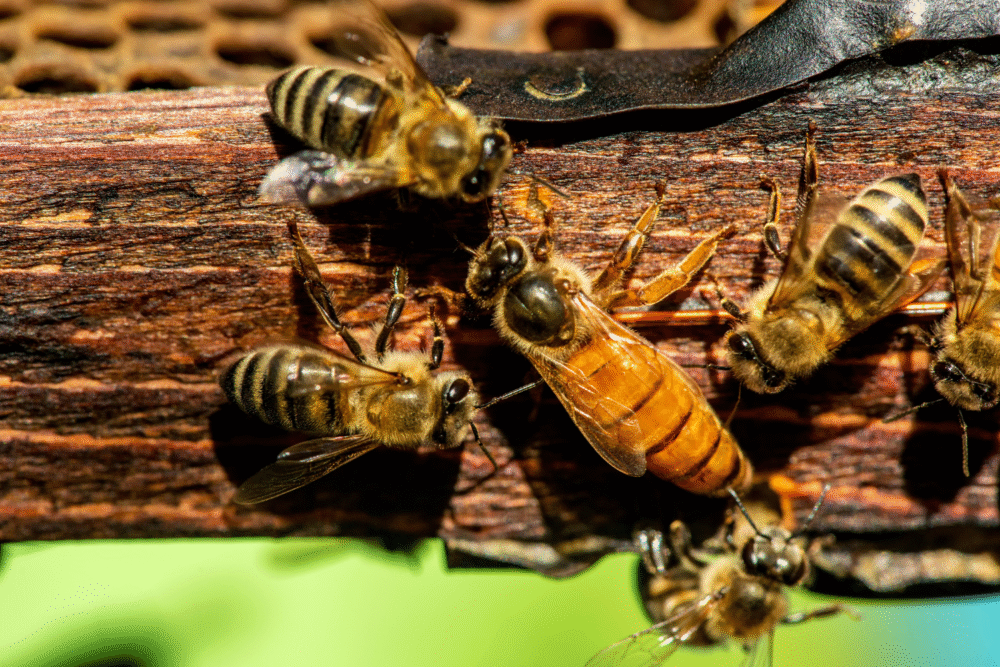
When the queen’s pheromones lose potency, worker bees respond by initiating “queen supersedure,” the process of raising a successor. They select several young larvae and feed them royal jelly, the nutrient-rich substance that produces new queens.
This marks the beginning of the end for the reigning monarch. The colony’s attention shifts toward the developing replacements, and the workers gradually withdraw from serving the old queen. In the hierarchy of the hive, pheromone strength determines survival, not age or status.
4. The Ousting Process Can Turn Violent
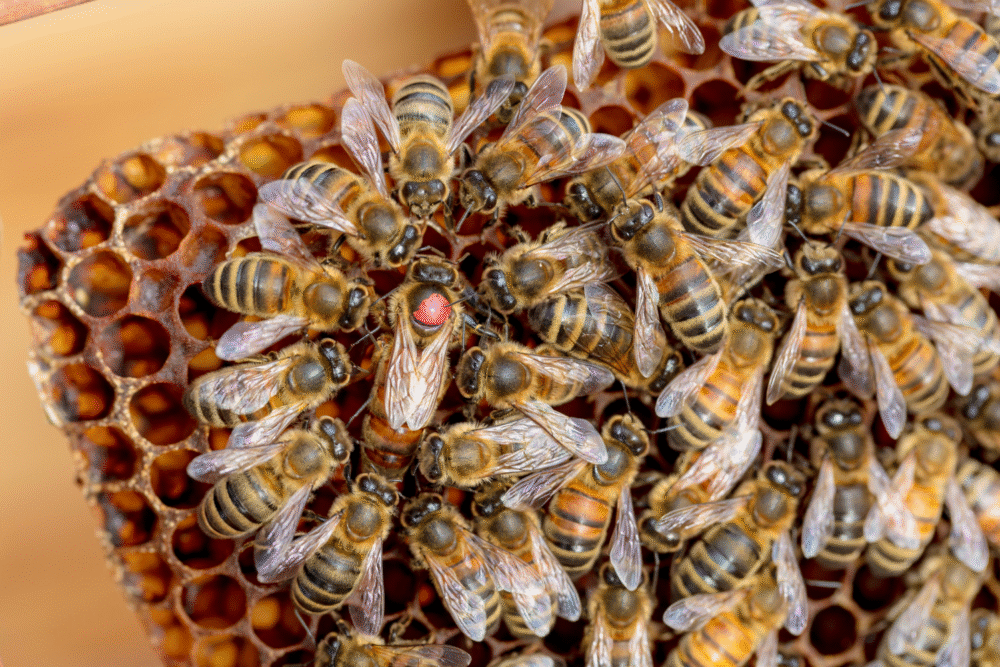
If the failing queen doesn’t die naturally or leave voluntarily, the workers may take matters into their own mandibles. Researchers have documented cases where bees physically attack their weakened queen, biting or stinging her until she dies.
This behavior, while brutal, isn’t random aggression—it’s a survival mechanism. A colony cannot risk having a nonproductive leader when its survival depends on rapid reproduction and coordination. Once the new queen emerges, the old one’s fate is sealed, ensuring continuity and stability within the hive.
5. Supersedure Is Ruthless but Essential

To human eyes, the process seems cruel, but to bees, it’s efficiency in action. Supersedure ensures that the colony always has a fertile, active queen capable of laying thousands of eggs per day. Without this cycle of replacement, hives could collapse within weeks.
In nature, emotion plays no role—only survival. By replacing weak queens, bees maintain genetic health and productivity. It’s a stark reminder that natural systems often depend on competition and renewal, even when it comes at the expense of the individual.
6. Scientists Are Learning What Triggers the Rebellion
Researchers have identified multiple cues beyond pheromone decline that can trigger the workers’ rebellion. Temperature changes, food shortages, or disease can all amplify stress, accelerating the queen’s downfall.
Recent studies using sensitive chemical analysis show that even slight changes in the queen’s diet or environment can alter her pheromone composition. The hive’s reaction is immediate, suggesting that bees rely on a finely tuned biological feedback system that keeps leadership aligned with the colony’s overall health.
7. Aging Queens Pose a Risk to Colony Survival

A queen’s reproductive output naturally declines after one or two years. As she ages, she produces fewer eggs and her pheromones weaken. In the wild, this makes her a liability—especially during times of scarcity or stress.
Worker bees evolved to respond decisively to such weakness. By replacing older queens before they fail completely, colonies preserve their productivity and reduce the risk of collapse. Beekeepers often replicate this process by introducing new queens to maintain hive stability and honey production.
8. The Hive Chooses Its Next Leader Carefully
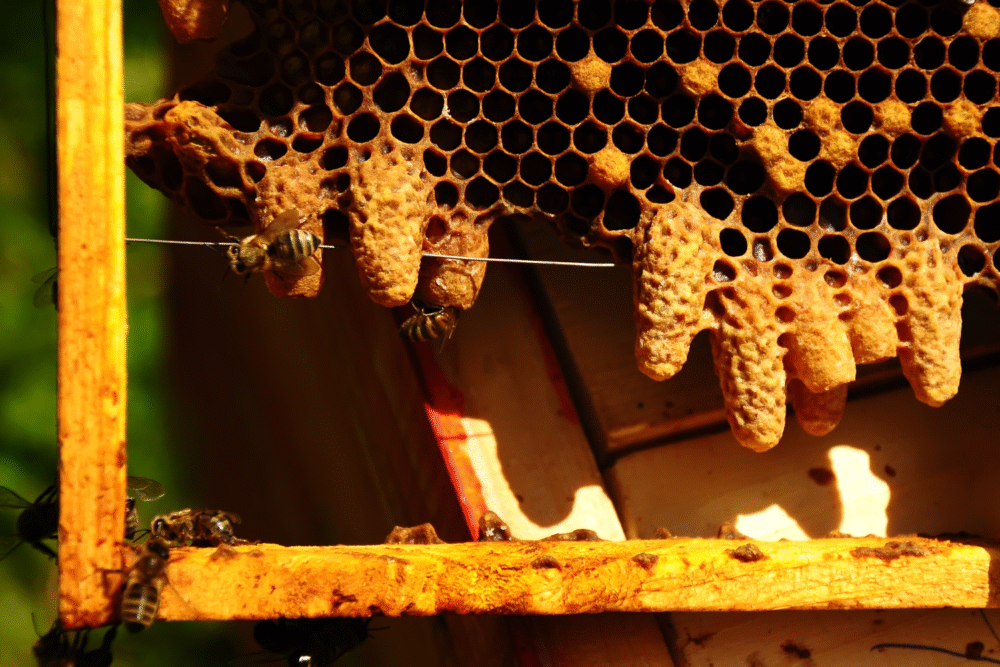
During supersedure, the hive doesn’t rely on chance. Workers raise multiple potential queens, each housed in a special vertical chamber called a queen cell. These larvae are fed exclusively on royal jelly, which activates the genes responsible for fertility and longevity.
Once the new queens emerge, they often fight to the death until only one remains. This natural selection ensures that the strongest, most chemically dominant bee ascends to power—a brutal but effective method of guaranteeing the colony’s success.
9. Beekeepers See the Process Up Close

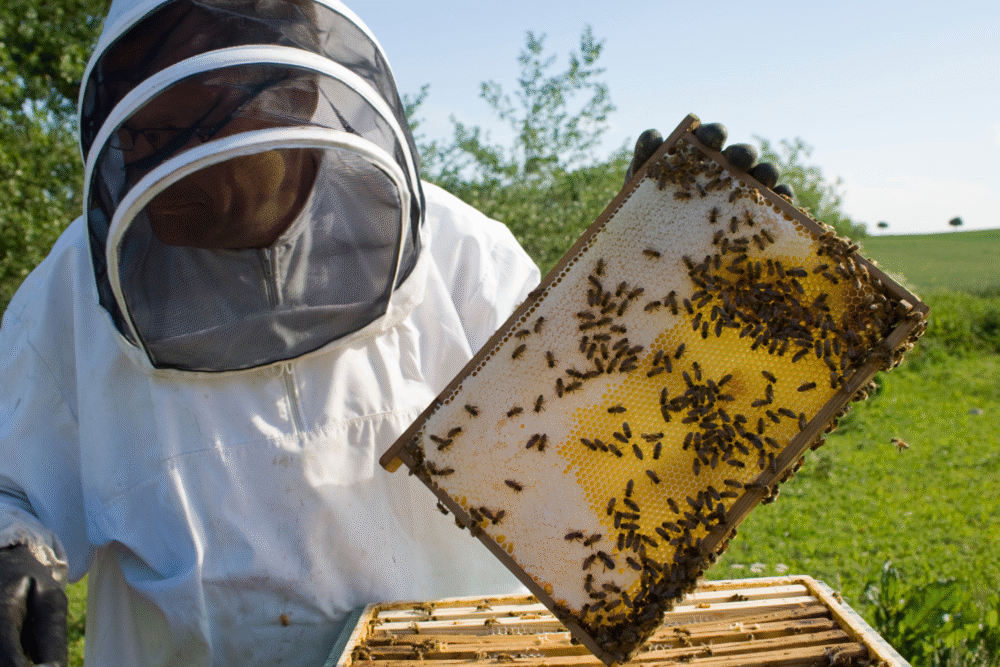
For beekeepers, queen replacement is a familiar sight. A hive that becomes aggressive, disorganized, or produces fewer eggs often signals the start of supersedure. Beekeepers can observe the building of new queen cells and the shift in worker behavior before the transition occurs.
Many apiarists use this knowledge to manage hive health proactively, replacing older queens before natural rebellion begins. This helps maintain colony productivity while minimizing the chaos that can occur during a spontaneous ousting.
10. Nature’s Harsh Logic Keeps the Hive Alive
The story of queen replacement underscores one of nature’s hardest truths: survival depends on adaptability, not sentiment. In a species where every member’s role is defined by the needs of the collective, even the queen’s power is conditional.
By removing weak leaders, bees ensure that the colony remains strong and cohesive. It’s a reminder that in nature’s intricate systems, leadership is never guaranteed—only earned through constant vitality and the ability to meet the demands of a changing world.