
Why staying calm and avoiding one instinctive move can help you regain control.
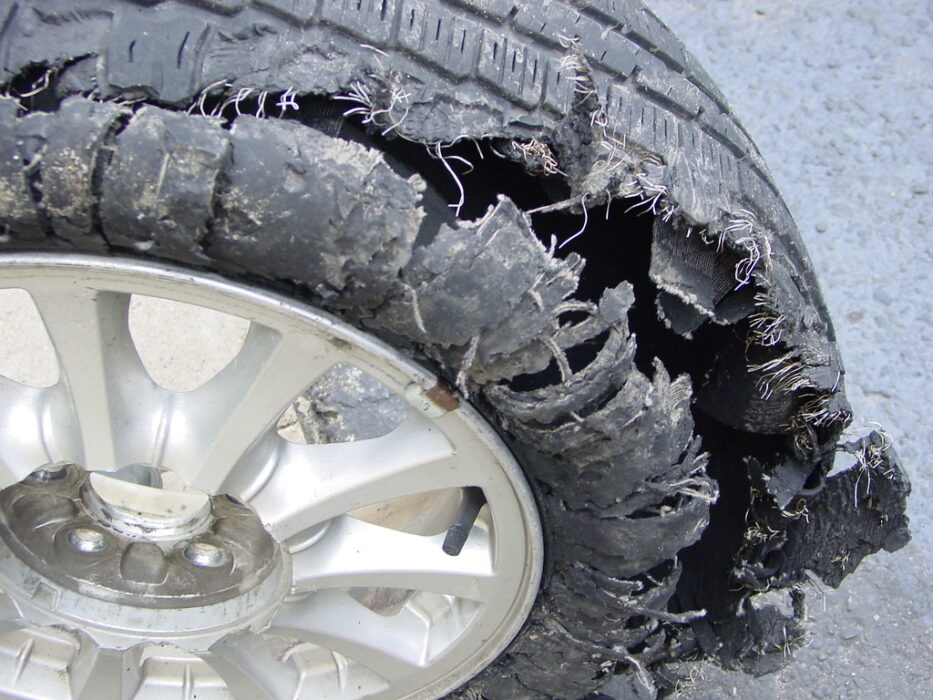
A tire blowout at highway speed is the kind of moment that makes your stomach drop. The bang is loud, the car can yank sideways, and your brain wants to hit the brakes or jerk the wheel. That split-second reaction is what turns many blowouts into crashes.
Safety groups like AAA stress the same basics: hold steady, don’t slam the brakes, and slow down smoothly before you move over. The goal isn’t to stop fast—it’s to stay predictable until you can get to a safe spot. Do the calm thing first, and everything else gets easier.
If you’ve pictured the steps ahead of time, you’re far more likely to stay calm and keep control.
1. The First Two Seconds: Grip the Wheel Like You Mean It

When a tire blows, the car can tug to one side, and the noise alone can trigger a panic reaction. Put both hands firmly on the wheel and keep your steering steady, even if the vehicle feels like it wants to wander.
Your goal is to hold your lane long enough to regain control. Think “straight and stable,” not “get off the road immediately,” because sudden steering is what turns a blowout into a spin.
2. Don’t Slam the Brakes—That’s the Instinct That Causes Trouble

The most common mistake is stomping the brakes the moment something feels wrong. Hard braking can shift weight abruptly and reduce stability when one tire is already compromised, especially at highway speeds.
Instead, keep the car tracking straight and focus on control first. Once you’re stable and slowing, you can brake gently later—but the first move is resisting the urge to brake hard.
3. Ease Off the Gas Slowly So the Car Settles Down

As soon as you’re holding the wheel steady, begin to ease off the accelerator gradually. A smooth reduction in speed helps the vehicle settle without a sudden weight shift that can worsen the pull.
If you’re using cruise control, turn it off. Then let speed bleed off in a controlled way, giving yourself time to check mirrors and plan a safe path to the shoulder.
4. Look Where You Want to Go, Not Where You’re Afraid You’ll End Up

Your eyes guide your hands. If you stare at the guardrail or the car next to you, you’re more likely to drift toward it. Pick a stable, safe line ahead and keep your focus there.
This is especially important if the blowout happens mid-curve or in heavy traffic. Calm vision leads to calm steering, and calm steering keeps the car predictable for everyone around you.
5. Hold Your Lane First—Changing Lanes Comes After Control
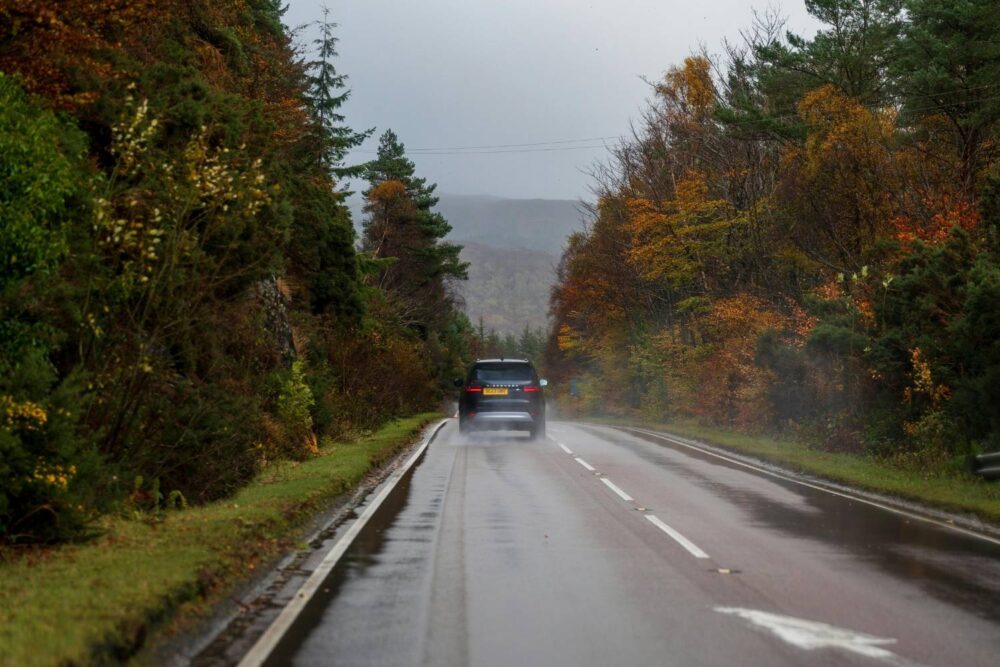
A lot of drivers try to dart to the shoulder immediately. That’s risky, because the car may be pulling and your handling is reduced. Stay in your lane while you stabilize and slow down.
Once your speed is dropping and the vehicle feels more controllable, check mirrors and signal. The shoulder will still be there in five seconds, and those five seconds can save you.
6. Use Your Hazards Early, Then Make One Smooth Move to Safety
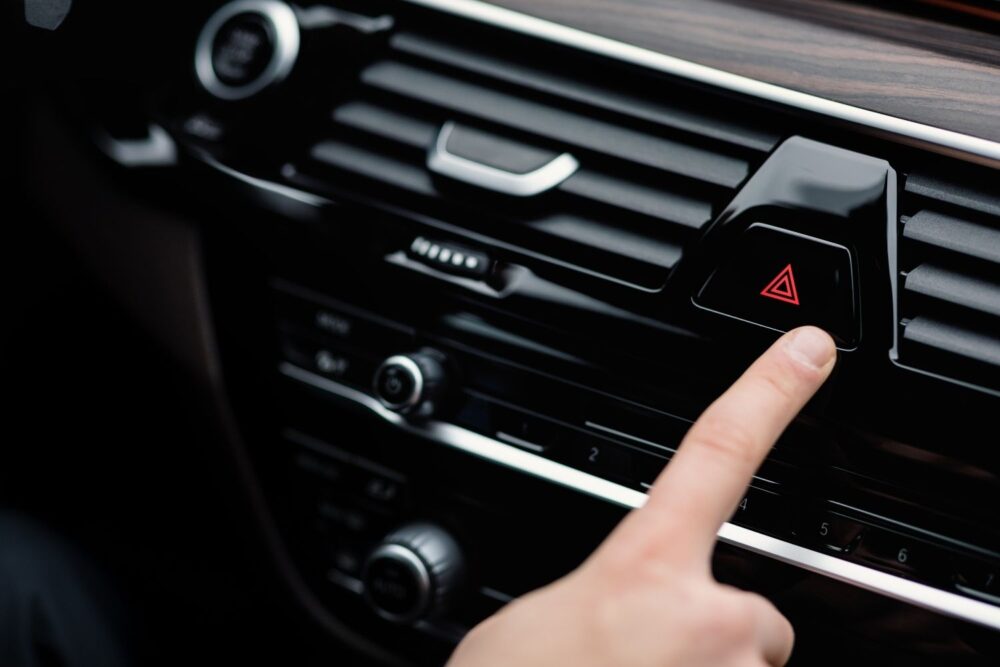
Turn on your hazard lights as soon as you can do it without fumbling. It tells other drivers you’re in trouble and may be slowing, so they’re less likely to tailgate, honk, or make a sudden pass right next to you.
Keep both hands on the wheel and keep your path straight while you do this. Hazards are a signal, not a substitute for control.
Once your speed has dropped and the car feels steady, signal and move over in one smooth, predictable lane change. Avoid weaving or hopping lanes. If the shoulder is narrow, taking the next exit can be safer—keep the move calm and gradual, then leave hazards on.
7. Brake Gently Only After You’ve Slowed and the Car Feels Stable
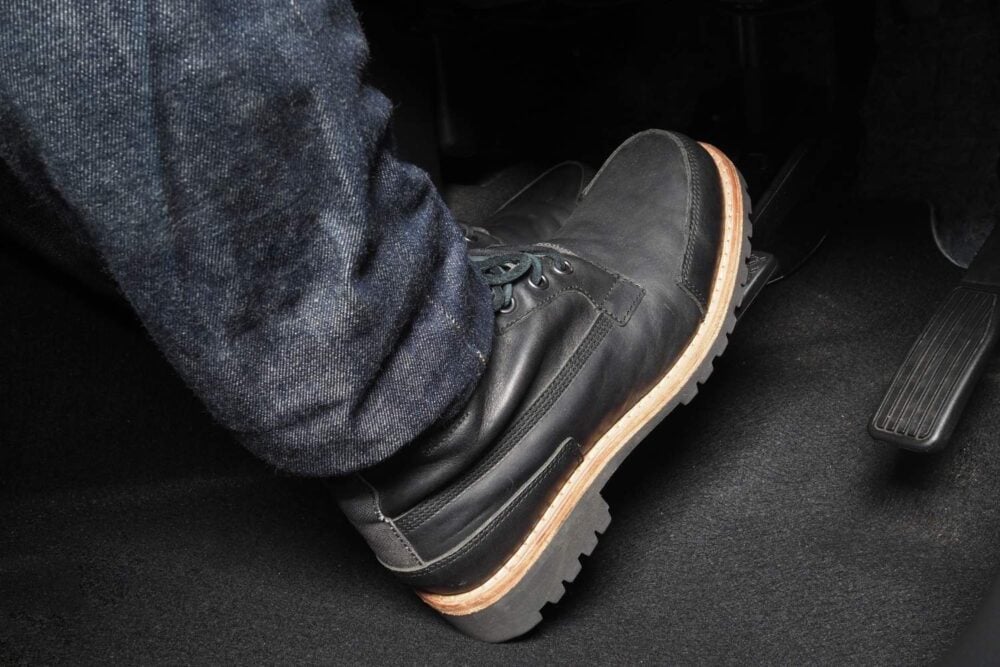
Once you’ve eased off the gas and your speed is down, you can begin gentle, progressive braking if needed. The key word is gentle—small, steady pressure instead of a hard stab.
If you feel the car wobble or pull more strongly, back off and let it coast a bit longer. Control comes first; stopping quickly is secondary.
8. Pull Far Enough Off the Road to Protect Yourself
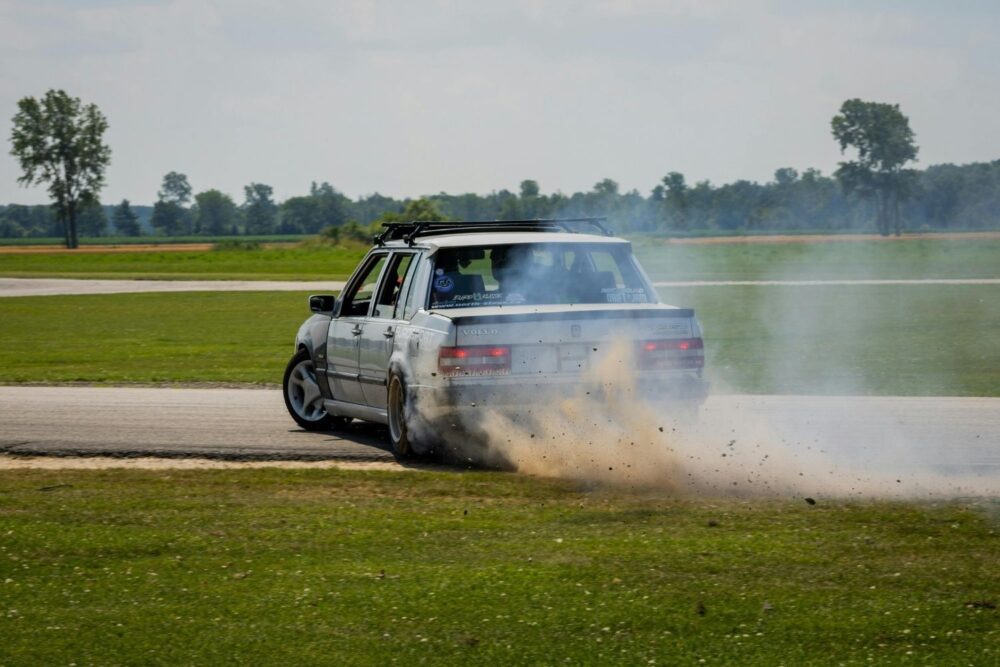
If you stop with part of your car still in the traffic lane, you’re in a dangerous spot—even if you “made it.” Keep rolling slowly until you’re fully off the roadway and out of the flow of traffic.
If there’s a guardrail-side shoulder, aim to maximize space between you and passing cars. Once stopped, keep hazards on and take a breath before doing anything else.
9. What to Do Once You’re Stopped

Stay buckled for a moment while you assess safety. If traffic is flying by and you don’t have a safe buffer, it may be safer to stay inside with your seatbelt on and call for help.
If you do exit, do it on the side away from traffic when possible, and keep passengers well away from the road. A blowout is survivable—getting hit afterward is the real danger.
10. Changing the Tire on a Highway Isn’t Always the Best Choice
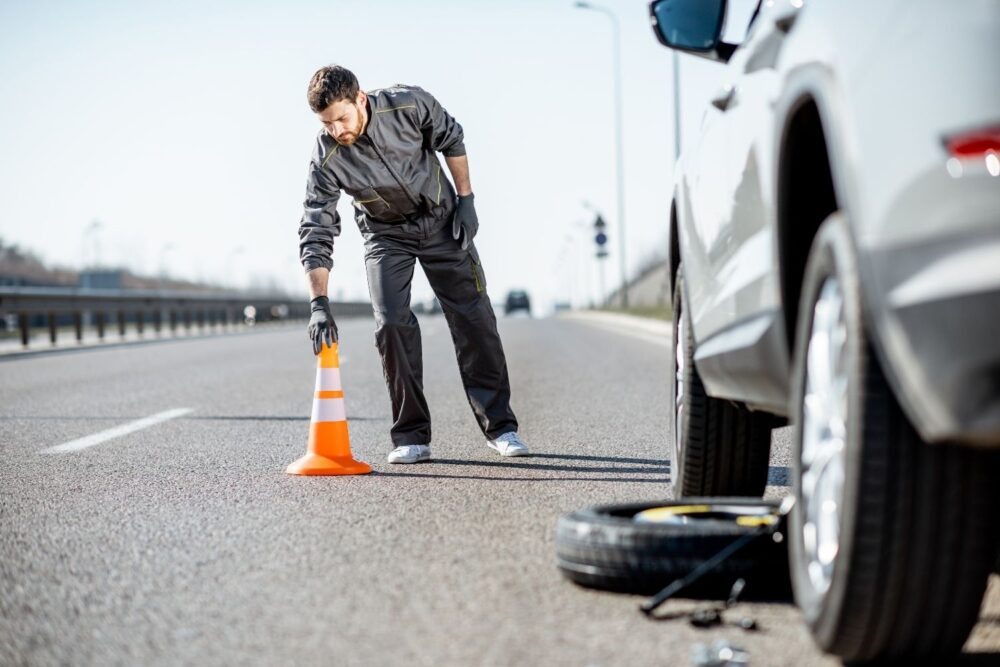
People assume they “should” change it immediately, but highway shoulders can be narrow, uneven, and unforgiving. If you have roadside assistance, using it is often the safest option.
If you must change it, keep hazards on, set the parking brake, and use wheel chocks if you have them. Never put any part of your body under the vehicle, and stay hyper-aware of traffic.
11. Preventing the Blowout You Never Want to Experience

Most blowouts aren’t random lightning strikes—they’re often linked to underinflation, overheating, worn tread, or damage that finally gives out. Checking tire pressure regularly (including the spare) is one of the simplest ways to reduce risk.
Also watch for sidewall bulges, frequent pressure loss, and vibrations. And if you’re loading the vehicle heavily, remember that extra weight increases heat and stress—exactly what tires hate at highway speeds.