
Who pays, what you can touch, and when a friendly chat matters more than the law.

Most people don’t think much about trees or yard debris until a branch crashes down or a neighbor’s leaf blower sends a pile of leaves straight onto their lawn. Suddenly, a quiet neighborhood issue turns into a confusing question of responsibility.
Is it your problem because it landed on your property, or does your neighbor have to deal with it since it came from their yard? The answer isn’t always what people expect, and it often depends on details most homeowners never consider.
Before frustration sets in or tempers flare, it helps to know the basic rules, what you’re allowed to do, and when a simple conversation can prevent a much bigger conflict.
1. It Usually Starts With One Fallen Branch

Most neighbor tree disputes don’t begin with anger. They start with a single limb on the ground after a storm or a windy afternoon. At first, it feels minor, something you’ll deal with later, maybe after work or on the weekend.
But that first branch raises an unexpected question. Is this now your responsibility simply because it landed in your yard, or does ownership still follow where it grew? That uncertainty is often what plants the seed of frustration.
2. Why Property Lines Suddenly Matter More Than You Think
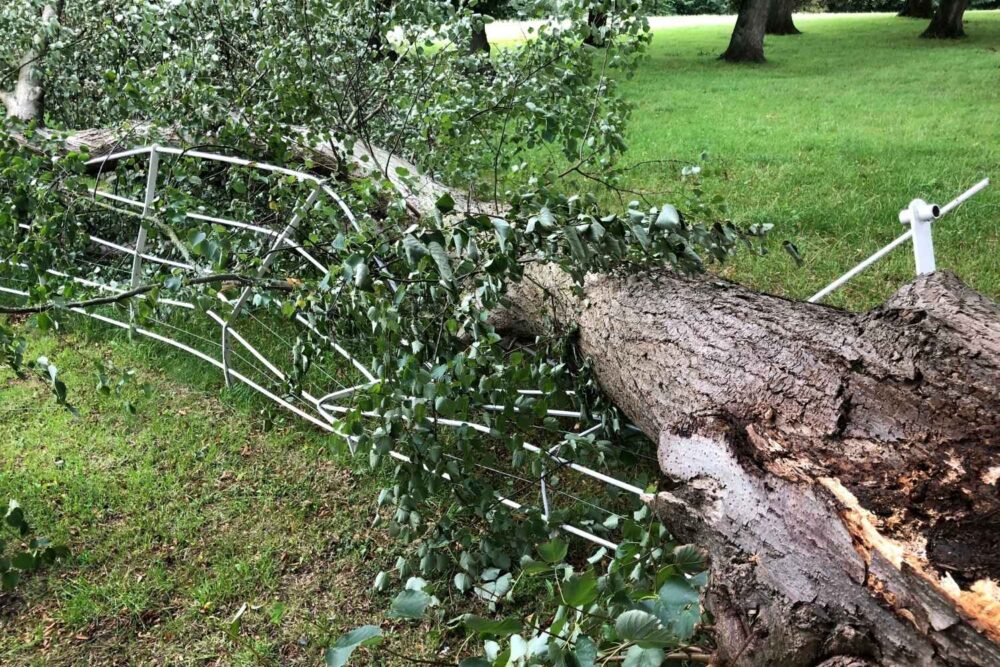
When debris crosses a property line, the law tends to draw a surprisingly firm boundary. In many places, anything that lands on your side becomes yours to deal with, even if it feels unfair.
That rule applies whether it’s a large branch or a pile of leaves. Property lines don’t bend for convenience, and many homeowners don’t realize this until they’re holding a rake or chainsaw.
3. Storm Damage Changes the Conversation
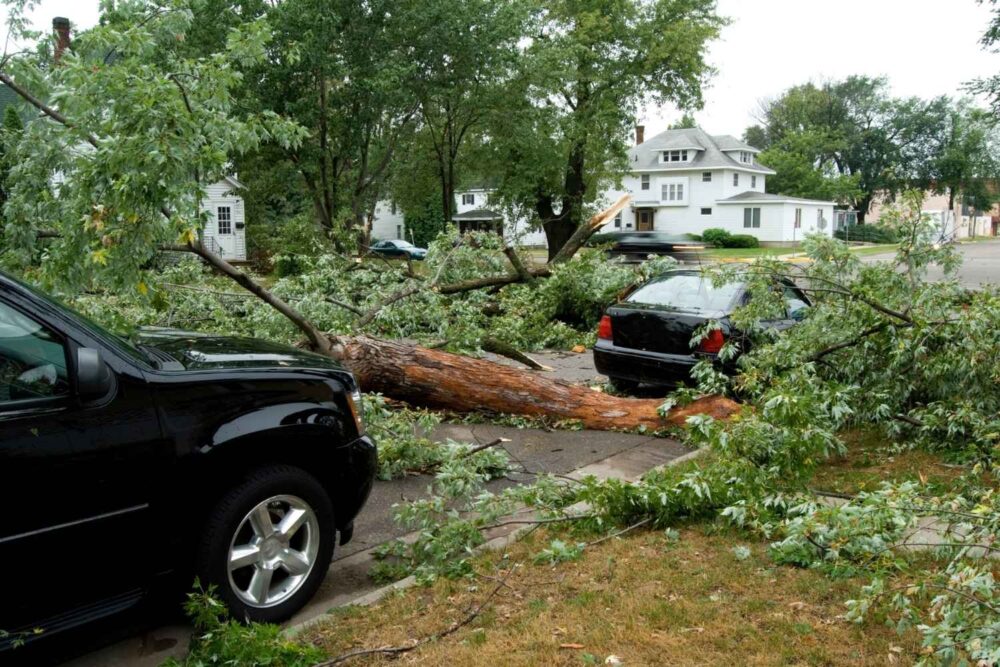
Storms complicate things because they introduce the idea of “acts of nature.” If a healthy tree drops a limb during high winds, responsibility often shifts in a way people don’t expect.
In these cases, neither neighbor is considered at fault. Cleanup usually falls to the person whose yard took the hit, which can feel frustrating when damage happens through no one’s actions.
4. Neglected Trees Are a Different Story

A tree that’s visibly dead, rotting, or leaning dangerously tells a very different tale. If a neighbor ignored clear warning signs, liability can change quickly and dramatically.
Proof matters here. Photos, prior complaints, or written notices can turn an unfortunate accident into a preventable problem. Without evidence, assumptions alone rarely hold up.
5. When Leaf Blowers Create New Tensions

Leaves don’t fall politely, and leaf blowers can make things worse fast. Blowing debris directly into a neighbor’s yard often crosses from accident into intentional behavior.
Many local ordinances frown on this practice. Even where laws are vague, it’s one of the quickest ways to turn a quiet block into an ongoing source of tension.
6. What You’re Allowed to Trim—and What You’re Not
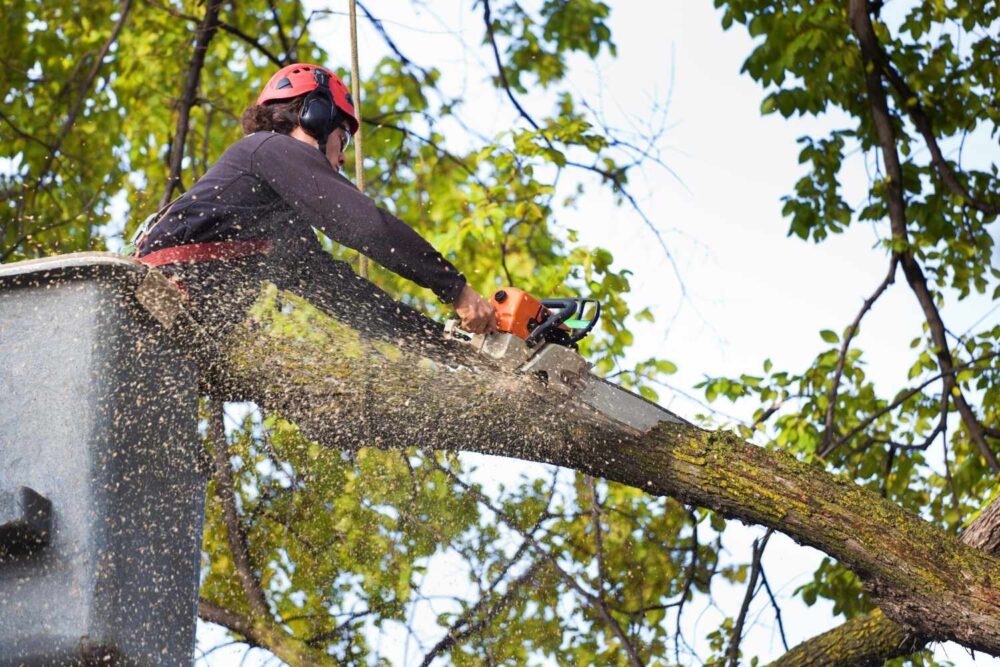
Most homeowners are allowed to trim branches that cross into their yard, as long as the work stays entirely on their side of the property line. This right often feels empowering, especially when branches interfere with roofs, fences, or gardens.
That freedom comes with limits. You usually can’t damage the tree’s overall health or stability, and aggressive cutting can backfire if the tree later weakens or falls.
When in doubt, restraint matters. A modest trim and a quick conversation often prevent a small fix from becoming an expensive dispute.
7. Why Talking First Often Saves the Most Trouble

Legal rights don’t always make good neighbors. A calm conversation can solve issues that paperwork and warnings never will.
Many neighbors genuinely don’t realize their tree or yard work is causing a problem. Starting with cooperation instead of confrontation often leads to shared solutions and fewer hard feelings.
8. When Insurance Quietly Enters the Picture

Large branches or fallen trees can cause real damage to roofs, fences, or vehicles. That’s when homeowners insurance quietly becomes part of the story.
Coverage usually depends on where the damage occurred, not who owned the tree. This surprises many people when claims are filed and deductibles come into play.
9. Documentation Becomes Your Best Friend
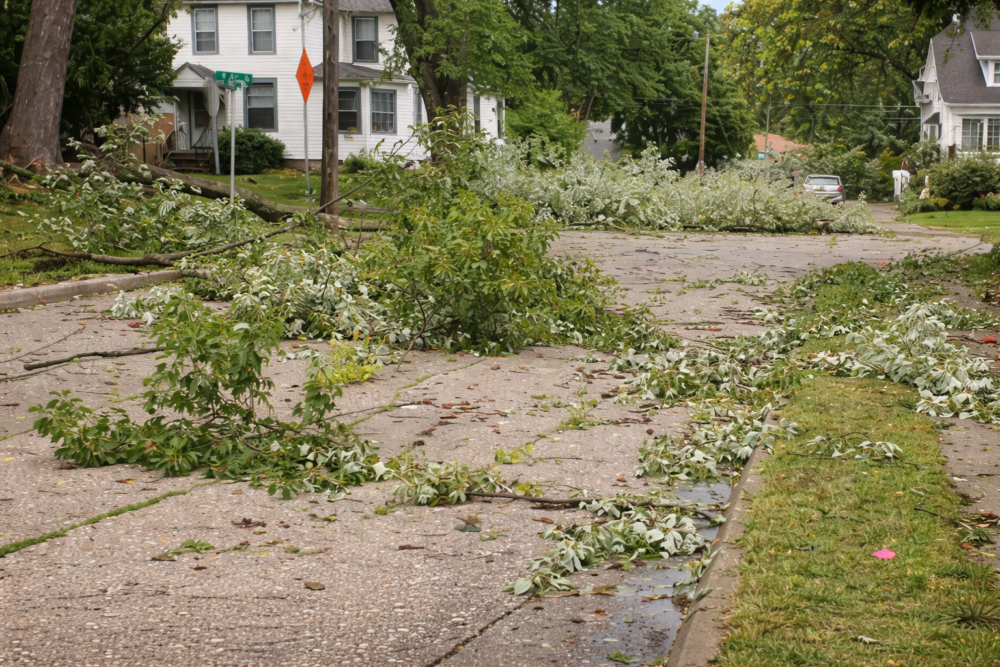
If problems repeat, start keeping records early. Photos, dates, and short notes create clarity if the situation escalates later.
This isn’t about preparing for conflict. It’s about protecting yourself if a simple yard issue slowly turns into an ongoing disagreement.
10. Local Rules Can Change Everything
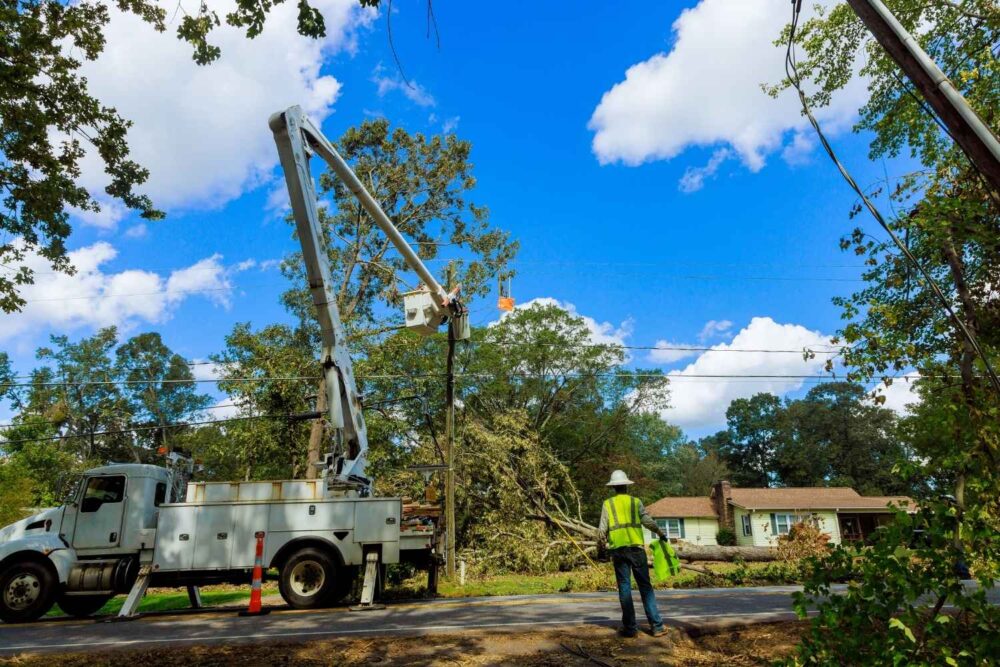
Cities and counties often have specific ordinances about trees, debris, and property maintenance. These local rules can override what people assume is common sense.
A quick check can reveal responsibilities you didn’t know existed. It can also clarify limits your neighbor may not realize they’re crossing.
11. How Small Yard Issues Become Big Neighbor Conflicts

Most disputes aren’t really about branches or leaves. They’re about feeling ignored, blamed, or stuck dealing with someone else’s mess.
Understanding the rules helps, but empathy helps more. Knowing when to stand firm—and when to stay flexible—often determines how peacefully the story ends.