
Why yellow leaves appear suddenly, what they’re telling you, and the easy fix most people miss.

Yellow leaves can feel like a sudden failure, especially when your houseplants looked fine just days ago. One morning they’re green and upright, and the next they look tired and washed out. It’s frustrating, and it’s easy to assume the damage is already done.
In reality, yellowing leaves are often an early signal, not a final one. Plants change color when something small shifts in their environment, and many of those issues are easy to correct once you know where to look.
The key is acting before stress turns into lasting harm. A simple adjustment can stop the yellowing and help your plant recover faster than most people expect.
1. Yellow Leaves Are a Warning, Not a Death Sentence

When houseplant leaves turn yellow, it’s easy to assume the plant is done for. In most cases, it’s actually an early warning sign, not the end. Plants change color when something in their environment shifts out of balance.
Catching that signal early matters. Yellowing leaves mean the plant is still responding, still trying to adapt. With one simple adjustment, you can often stop the problem before real damage sets in.
2. Why Overwatering Is the Most Common Culprit
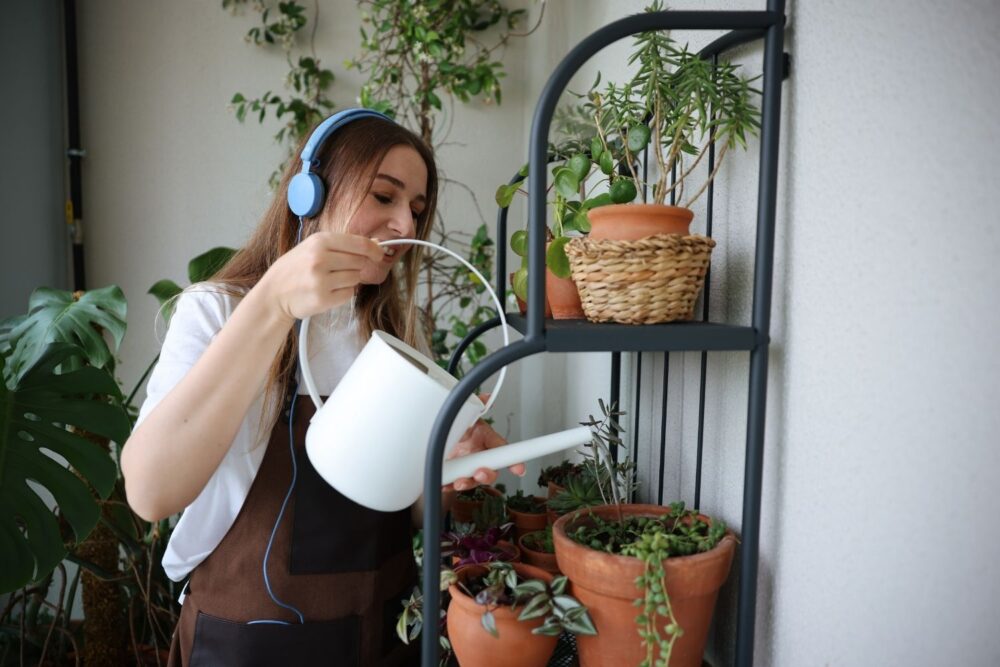
Too much water is the top reason healthy plants suddenly struggle. Roots need oxygen as much as moisture, and constant damp soil suffocates them. Yellow leaves are often the first visible sign of stressed roots.
Many people water on a schedule instead of checking the soil. That habit slowly creates conditions plants can’t tolerate. The fix starts by rethinking how and when water actually reaches the roots.
3. The Simple Fix Starts With the Soil, Not the Leaves

Yellow leaves tempt people to treat the foliage, but the real solution is below the surface. The first step is letting the soil dry slightly before watering again. That pause restores oxygen to the roots.
Stick your finger into the soil an inch or two. If it still feels damp, wait. This single habit change often reverses yellowing within days, especially for common houseplants.
4. Why Drainage Holes Matter More Than You Think

A pot without drainage traps water at the bottom, even if the surface looks dry. Roots sitting in pooled water can’t recover easily. Yellow leaves often follow soon after.
If your pot lacks drainage holes, consider repotting. Even a healthy watering routine can’t compensate for poor drainage. This one adjustment can dramatically improve plant health almost immediately.
5. How Light Changes Can Trigger Yellowing

Plants react quickly to shifts in light. Moving a plant closer to a window or farther away can disrupt how it processes water and nutrients. Yellow leaves sometimes appear days later.
Low light slows growth, meaning the plant uses less water. If watering stays the same, roots suffer. Matching light conditions with watering habits helps restore balance faster than most people expect.
6. The Hidden Role of Nutrient Buildup

Fertilizer seems helpful, but excess nutrients can burn roots and interfere with water uptake. Over time, salts build up in soil, stressing the plant and causing yellow leaves.
Flushing the soil with plain water can help. Let water run through the pot for several minutes, then allow it to drain fully. This simple reset often gives plants a second chance.
7. Why Older Leaves Turn Yellow First

Not all yellowing is a crisis. Plants sometimes shed older leaves to conserve energy. This usually happens near the base while new growth stays green.
The key is pattern. If only a few older leaves yellow slowly, the plant may be fine. Sudden, widespread yellowing points to a care issue that needs attention.
8. Temperature Stress Is Often Overlooked

Drafts, heaters, and cold windows create temperature swings plants can’t handle. Yellow leaves can appear after just a few nights of stress.
Moving plants away from vents or cold glass helps quickly. Consistent temperatures allow roots to function properly again. Small placement changes often solve problems that watering alone can’t fix.
9. Repotting Can Be the Reset Button
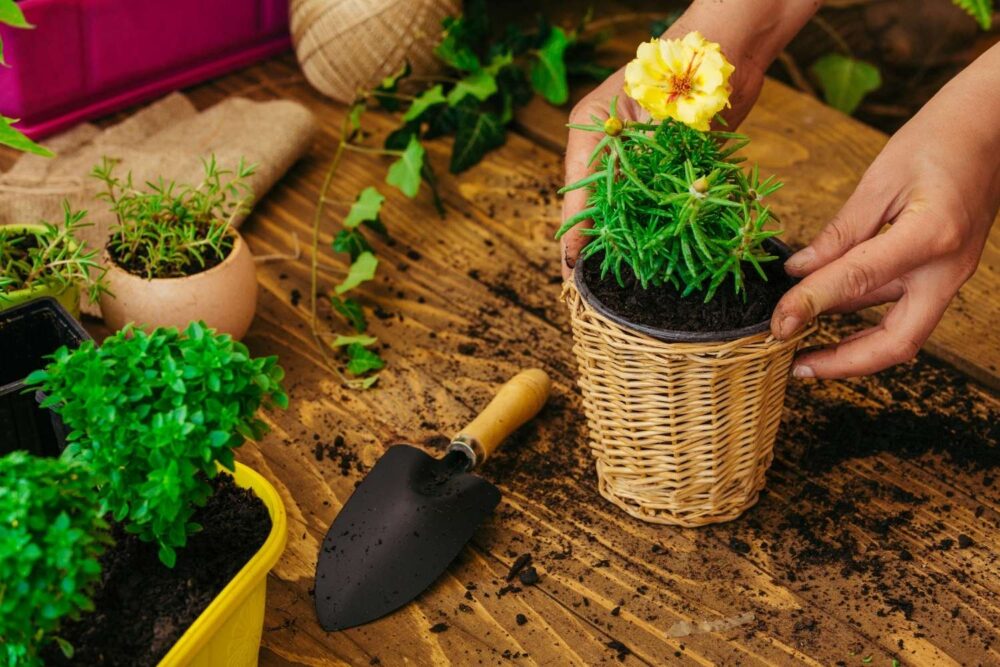
Roots that outgrow their pot struggle to absorb water evenly. Soil dries too fast, then stays wet too long. Yellow leaves often follow this cycle.
Repotting into a slightly larger container refreshes the soil and restores balance. It’s not always necessary, but when roots are crowded, this step can dramatically improve plant health.
10. How Fast Results Can Appear After the Fix

Once watering and drainage improve, plants often respond quickly. New growth may appear greener even if old yellow leaves don’t recover. That’s a good sign.
Focus on progress, not perfection. Removing damaged leaves helps redirect energy. Within a few weeks, many plants stabilize and return to steady growth.
11. Why Yellow Leaves Are Actually Helpful
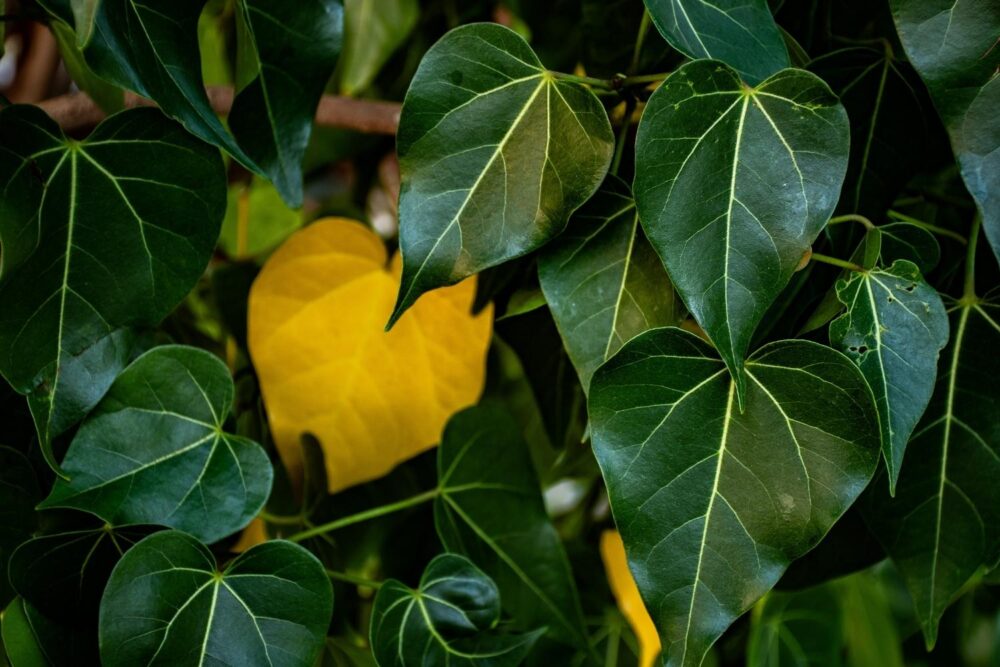
Yellowing leaves force you to pause and reassess care habits. They highlight small issues before bigger problems develop. In that sense, they’re protective signals.
Learning to read those signs builds confidence. With a simple adjustment, most houseplants recover. Over time, yellow leaves become less stressful and more informative than alarming.