

Most smells in a home are harmless annoyances. Burnt food, trash that needs taking out, or something forgotten in the fridge usually explain themselves quickly. But one smell stands out as different for a reason.
A rotten egg or sulfur-like odor can signal a potentially dangerous situation. It’s not something to investigate casually or ignore until later, even if the smell seems faint or comes and goes.
Knowing what that smell can mean and how to respond immediately can protect your home, your health, and the people inside. The key is acting calmly, quickly, and in the right order.
1. A rotten egg smell can signal a natural gas issue
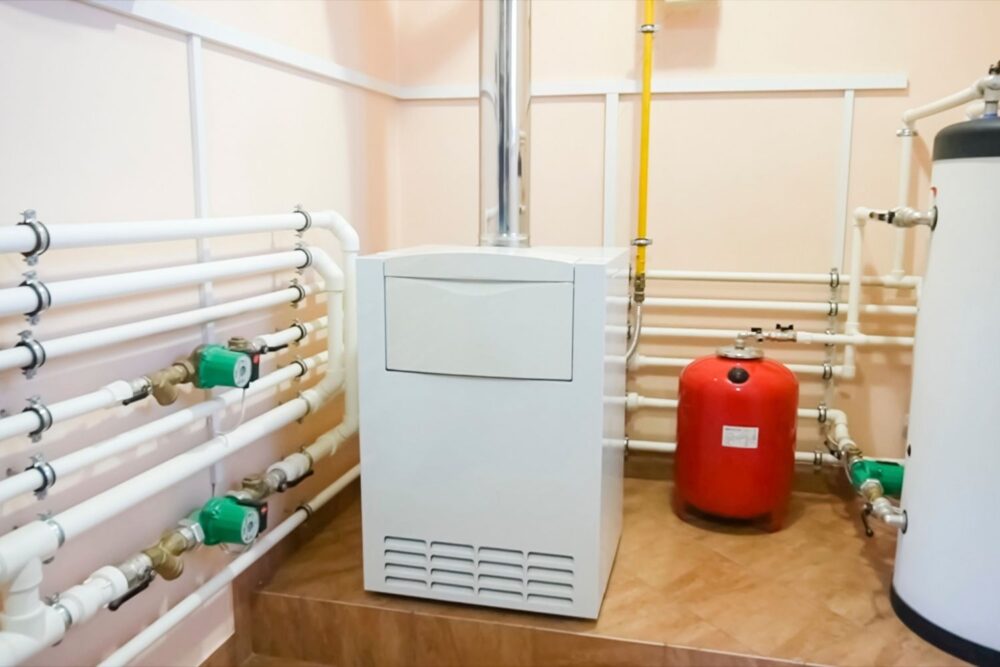
Natural gas is odorless, so utility companies add a sulfur-like scent to make leaks easier to detect. If you smell rotten eggs, it may indicate gas is escaping somewhere in your home.
Even a small leak can become dangerous if it builds up in enclosed spaces. Gas exposure increases the risk of fire, explosion, and health symptoms, which is why the smell is designed to be unmistakable and hard to ignore.
2. The first step is to leave the house immediately

If the smell is noticeable, the safest move is to get everyone out of the house right away. Do not try to locate the source or confirm the smell before leaving.
Fresh air reduces risk, and distance matters. Once outside, stay well away from doors and windows while deciding the next step. Safety comes from removing people from the environment first, not from investigating.
3. Do not use switches, appliances, or phones inside
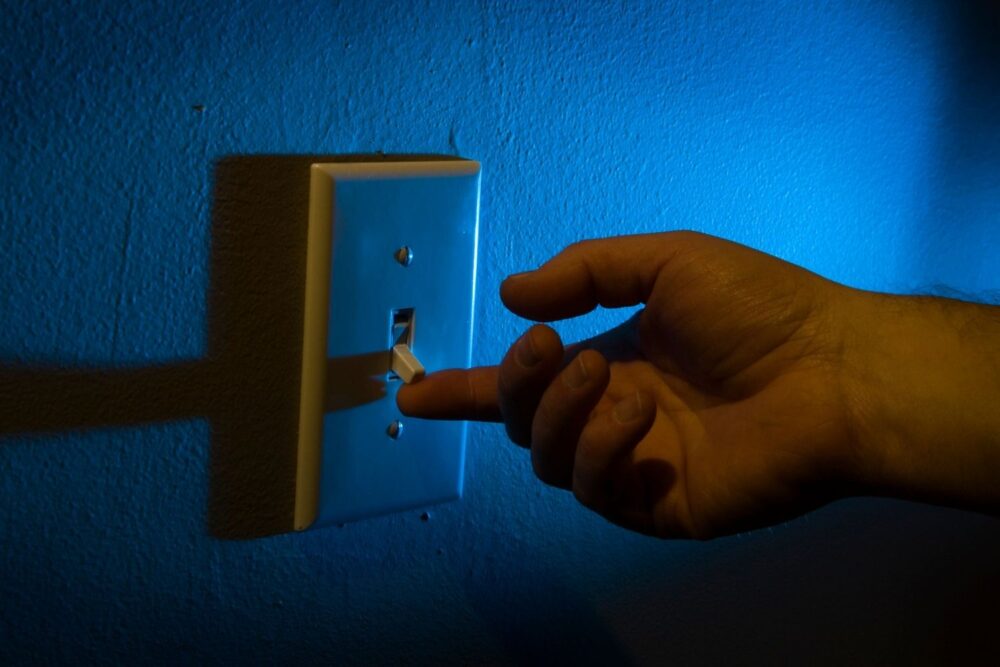
Avoid turning lights on or off, unplugging devices, or using electronics while still inside. Even a small spark can ignite gas if it is present.
That includes phones, doorbells, and garage door openers. Wait until you are safely outside before making any calls or using devices that could create a spark.
4. Call your gas company or emergency services from outside

Once you are outside and away from the building, contact your gas provider or local emergency services. Many gas companies have emergency lines specifically for odor reports.
They can advise you on what to do next and may send a technician immediately. If the smell is strong or accompanied by symptoms like dizziness or nausea, emergency services should be contacted right away.
5. Ventilation only helps after people are safe

Opening windows or doors can help disperse gas, but only if it can be done safely and quickly on the way out. Do not re-enter the home just to ventilate it.
Your priority should always be getting out first. Trained professionals can handle ventilation safely once the situation is assessed.
6. Some smells come from plumbing, not gas

In some cases, a rotten egg smell may come from dry drains, sewer gases, or bacteria in plumbing systems. These smells are unpleasant but not explosive.
The problem is that it’s hard to tell the difference immediately. Because natural gas is a possibility, it’s safest to treat every sulfur smell as serious until proven otherwise.
7. Water heaters can sometimes cause sulfur odors
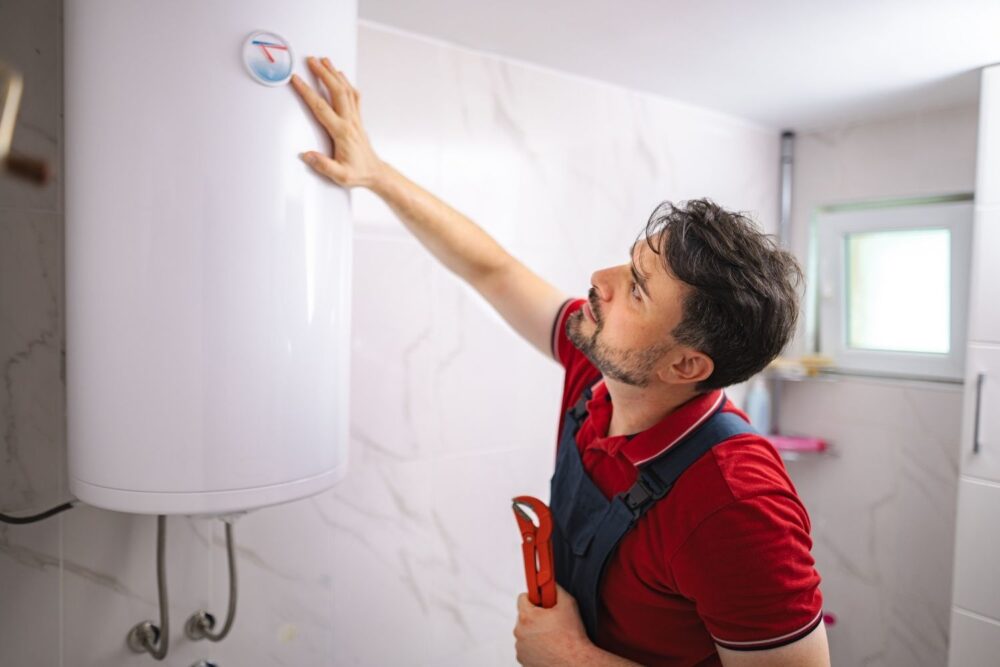
Certain water heaters can produce a rotten egg smell due to chemical reactions inside the tank. This odor often appears near hot water sources like sinks or showers.
While this is usually not dangerous in the same way as a gas leak, it still requires inspection and repair. The challenge is that the smell can be similar enough to cause confusion.
8. Trust your nose even if the smell fades

Gas odors can come and go as pressure changes or air moves through the house. A fading smell does not mean the problem resolved itself.
If you smelled it once, it’s worth reporting. Many serious gas issues are discovered because someone acted on a brief or faint warning rather than waiting.
9. Symptoms can appear before danger feels obvious

Headaches, dizziness, nausea, or fatigue can accompany gas exposure. These symptoms may seem mild at first and are sometimes mistaken for illness or stress.
If anyone in the home feels unwell while a sulfur smell is present, that’s another reason to leave immediately and seek help from professionals.
10. When in doubt, treat the smell as an emergency
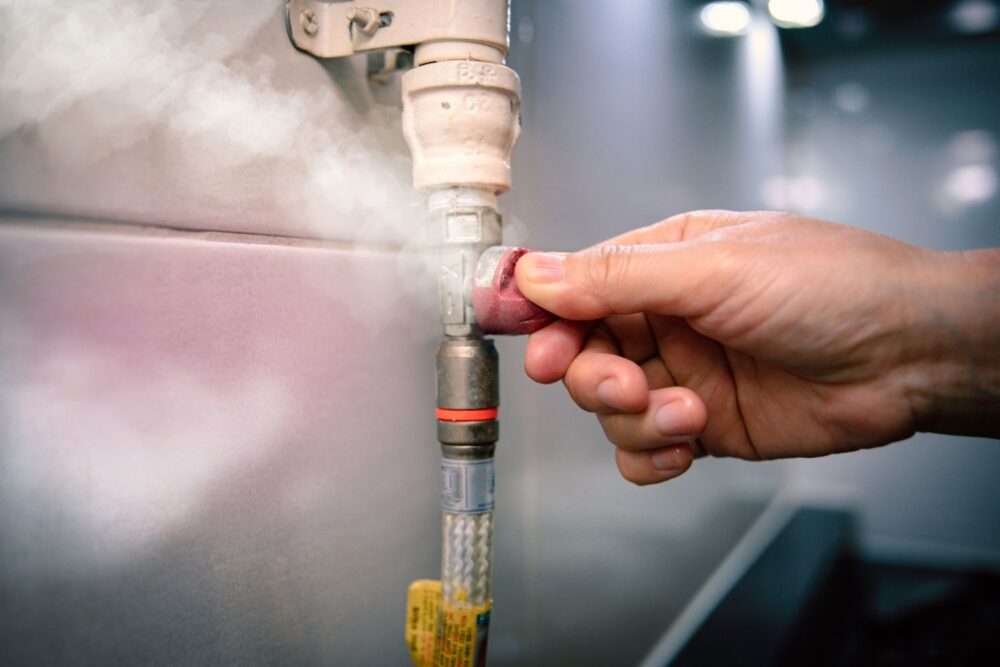
It’s better to be cautious and wrong than to delay and risk serious harm. Gas companies expect false alarms and would rather investigate than have someone ignore a real leak.
Responding quickly does not mean panicking. It means recognizing that a rotten egg smell is one of the few household warnings that should always be taken seriously.