
One wrong move can make things worse for you and the animal.

You’re driving along when something ahead doesn’t look right. At first it just seems like debris, but then you realize it’s a wild animal on or near the road. Your chest tightens, your instincts kick in, and helping feels like the only option.
That moment is emotional, but it’s also risky. Injured wildlife can behave unpredictably, and stopping the wrong way can put you in real danger fast—especially with traffic still moving around you.
Before you pull over, step out, or rush toward the animal, there are a few things you should know that can keep you safe and actually make a difference.
1. The Moment You Realize What You’re Seeing
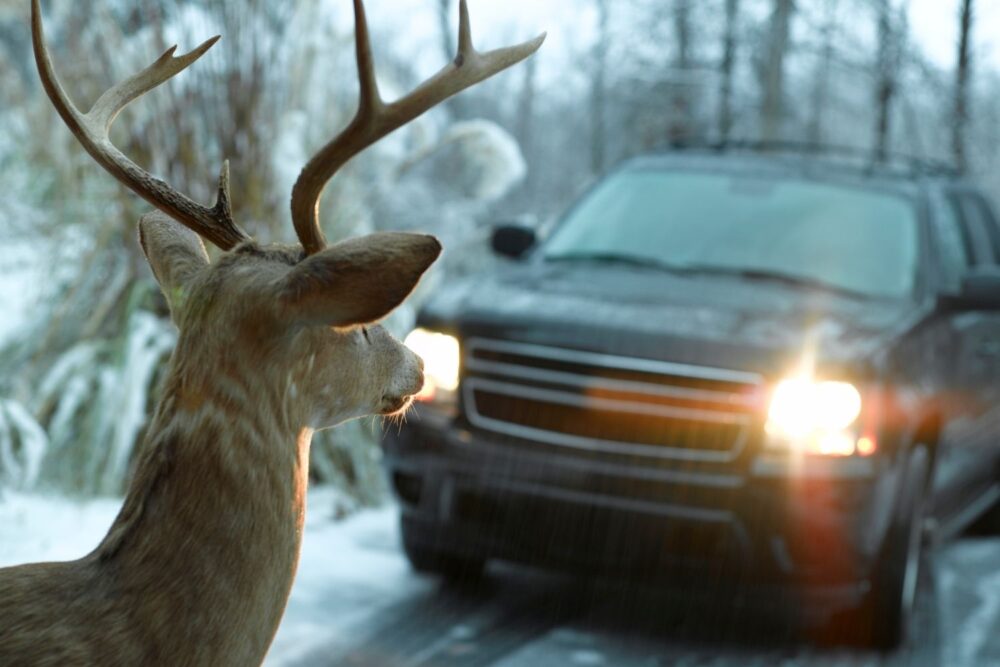
At first, your brain tries to label it as debris. Then you notice fur, feathers, or movement, and everything shifts fast. Your heart jumps, your foot lifts, and helping feels like the only right response.
That impulse makes sense, but it can also blur awareness. Pausing for a few seconds lets you scan traffic, slow safely, and avoid creating another dangerous situation that puts you, other drivers, and the animal at even greater risk.
2. Why Your First Move Matters More Than You Think
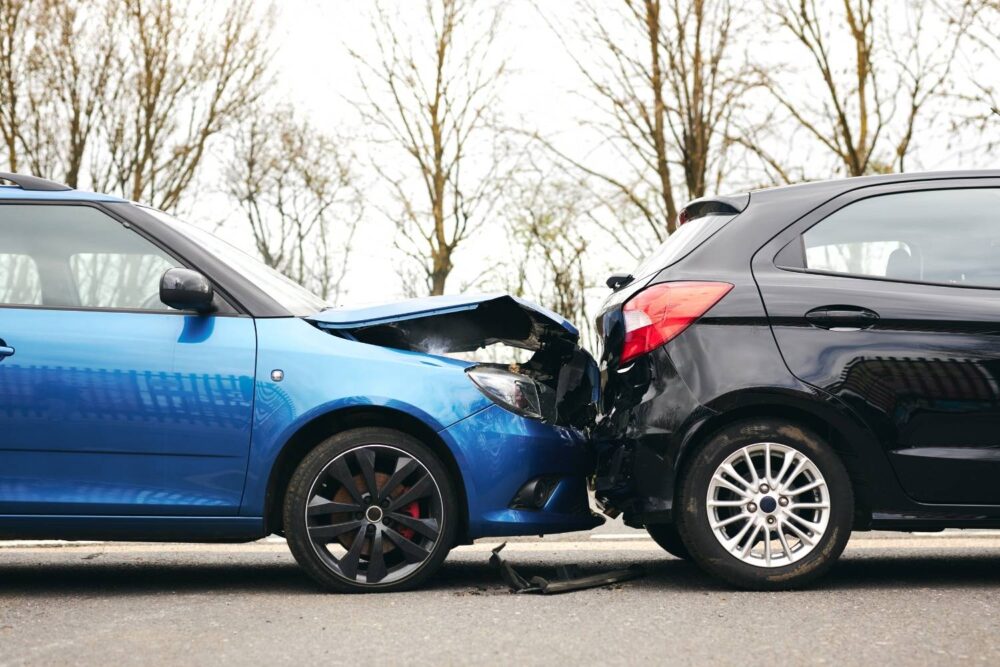
Stopping suddenly can turn a bad situation into a chain reaction. Cars behind you may not expect braking, especially on curves, hills, or dark roads.
Experts warn that secondary crashes often cause more injuries than the original impact. If pulling over isn’t safe, continuing forward and reporting the animal protects lives while still getting help where it’s actually needed.
3. Injured Wildlife Doesn’t React Like Pets
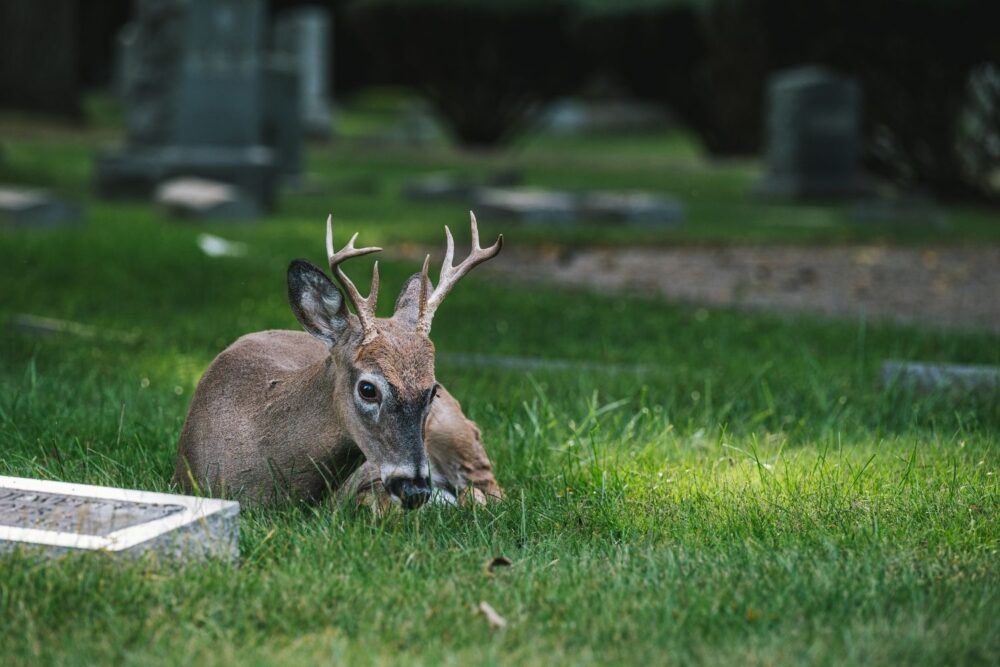
Wild animals don’t understand help the way pets do. Pain and fear trigger survival instincts, even when an animal looks weak or calm.
Getting too close can lead to bites, kicks, or sudden lunges. Many injuries happen when people assume stillness means safety. Distance keeps you protected and reduces stress for the animal until professionals take over.
4. Stillness Doesn’t Mean the Danger Is Over

An animal that isn’t moving may still be alive. Shock can slow breathing, and sudden movement can happen without warning.
Touching or nudging the animal can worsen injuries or provoke a defensive response. It can also create legal trouble, since handling wildlife is restricted in many areas. Watching from a safe distance is usually the smartest move.
5. Why Calling for Help Is the Most Effective Action

Calling the right authorities helps more than most people realize. Wildlife control, animal services, or local police know how to respond safely.
They can assess injuries, manage traffic risks, and decide what humane care looks like. Giving a clear location quickly also prevents additional collisions, which protects drivers and the animal alike.
6. Why Touching the Animal Can Make Everything Worse
It’s tempting to check for breathing or move the animal out of the road. That urge feels compassionate, especially when the animal is alive and struggling.
But touching injured wildlife can worsen internal damage, trigger defensive attacks, or expose you to diseases. In many states, it’s illegal to handle wildlife without authorization.
Distance is safer. Note the location, call authorities, and let trained responders handle the situation with proper equipment and experience.
7. When Staying in Your Car Is the Smartest Choice
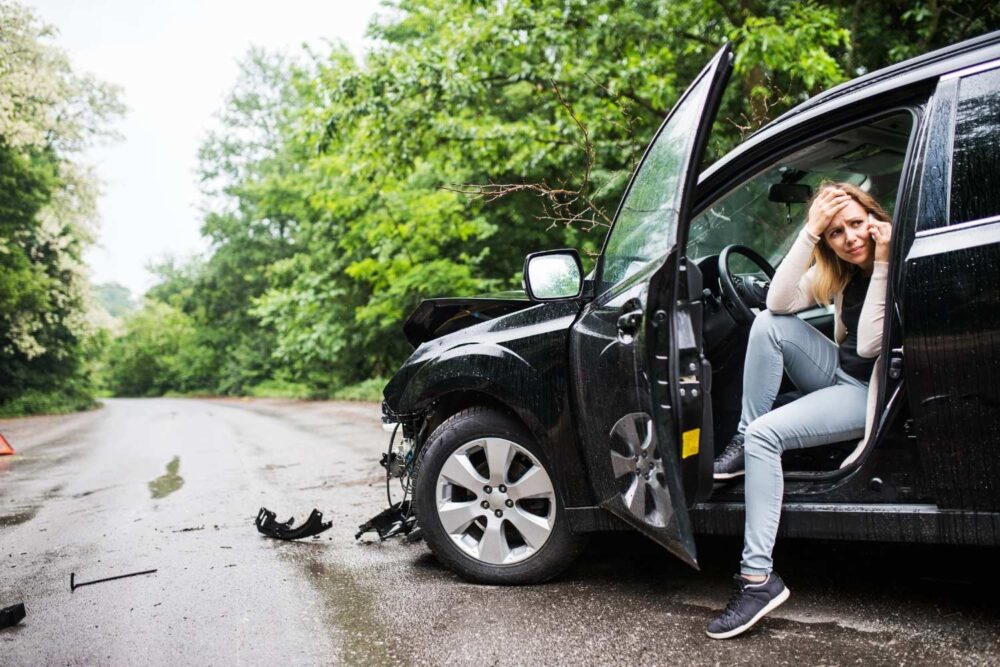
In many situations, your vehicle is the safest place to be. It keeps you visible to traffic and separates you from unpredictable animal behavior.
If you can pull over safely, turn on hazard lights and stay inside while calling for help. Staying put also prevents the animal from feeling threatened by sudden human movement nearby.
8. How Traffic Instantly Raises the Stakes

Traffic changes everything. Fast speeds, narrow shoulders, and distracted drivers leave little margin for error.
Even stepping out briefly can put you in danger. On busy roads, reporting the animal’s location and continuing on is often the safest option for everyone involved.
9. Why Trying to Move the Animal Often Backfires
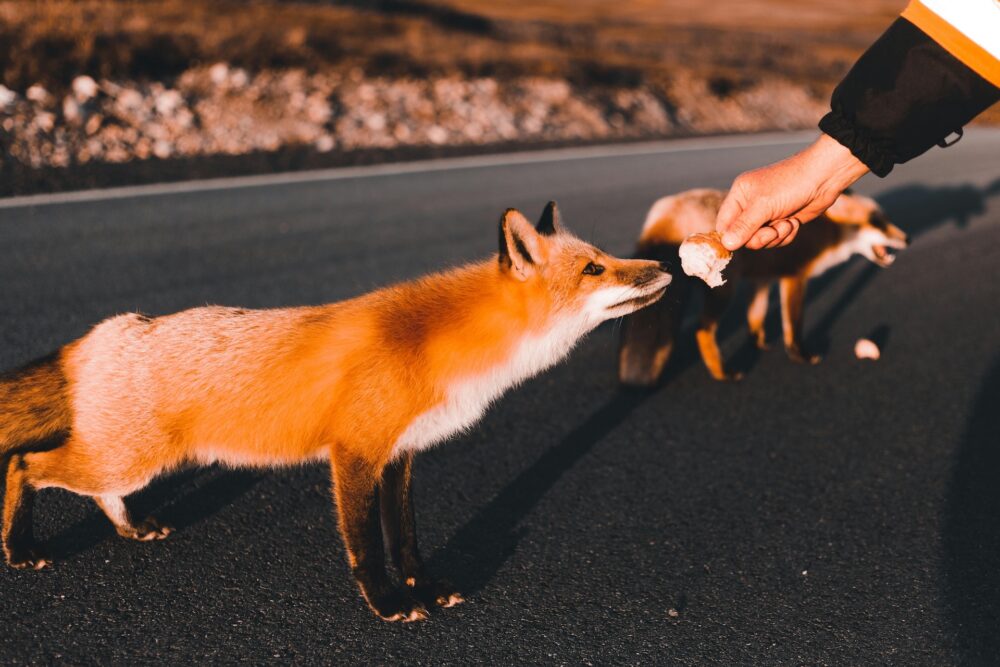
It’s natural to want to move the animal out of harm’s way. Unfortunately, lifting or dragging an injured wild animal can worsen broken bones or internal injuries.
Movement also increases fear. Animals may bite, scratch, or thrash unexpectedly. What feels helpful can increase suffering and create serious risk for you.
10. When the Animal Suddenly Tries to Get Up
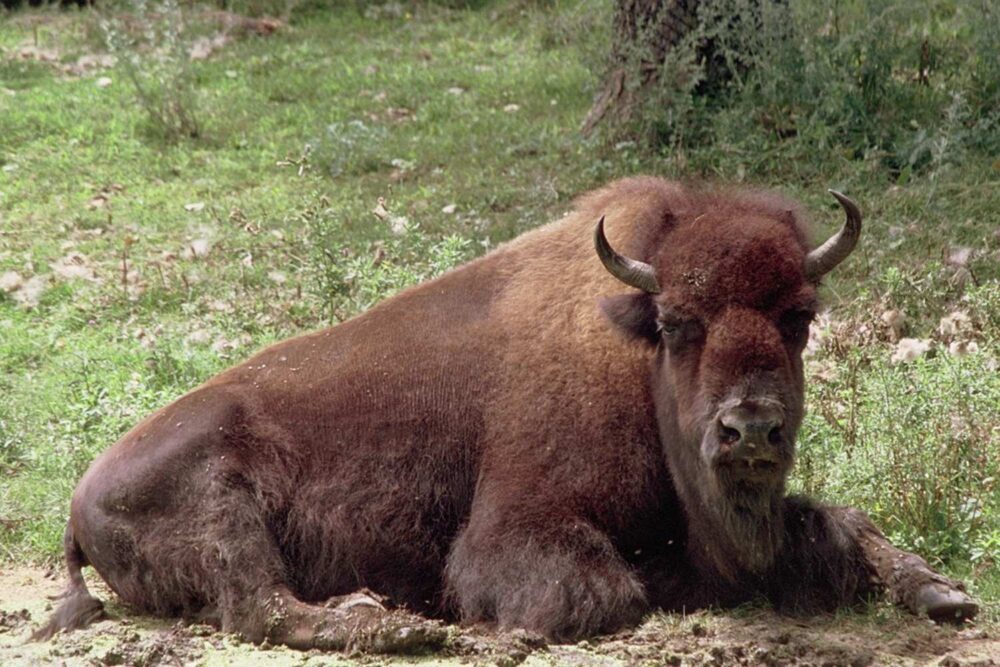
Some injured animals appear motionless, then attempt to stand or flee without warning. This moment catches many people off guard.
Backing away calmly is critical. Giving space reduces panic and lowers the chance of aggressive behavior. Crowding can cause the animal to bolt into traffic again.
11. Who You Should Call—and Who You Shouldn’t
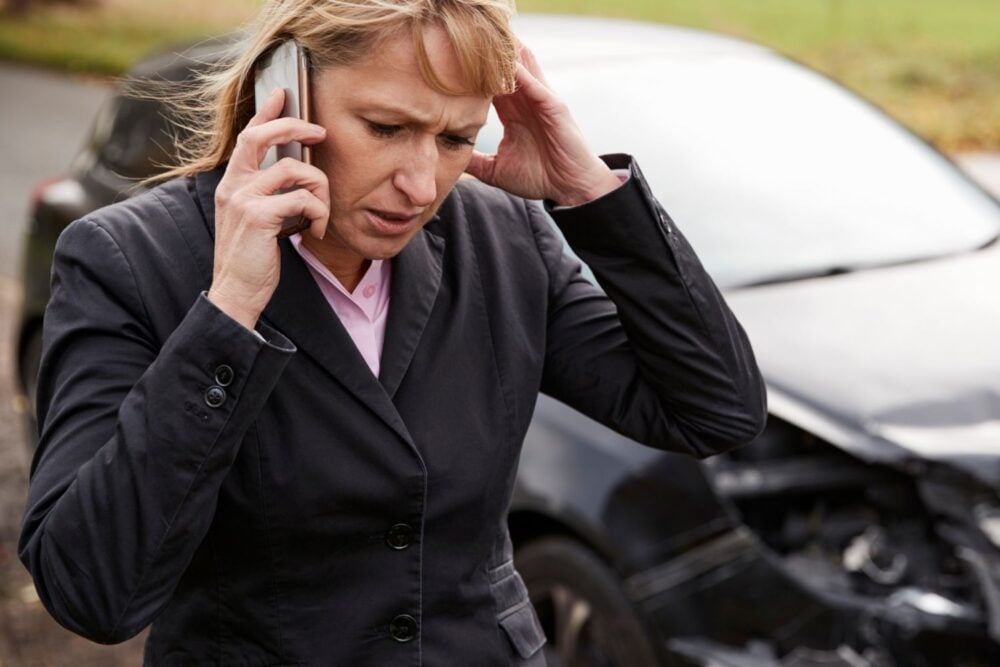
When something like this happens, confusion is common. Wildlife control, animal services, or local police are usually the right call.
Avoid attempting rescues, calling friends, or relying on live online advice. Professionals know how to assess injuries safely and can coordinate traffic control if needed.
12. Why Doing Less Is Sometimes the Right Call

Helping doesn’t always mean hands-on action. Sometimes the best move is staying back, making a call, and letting experts step in.
Choosing restraint protects you and reduces stress on the animal. Knowing when not to intervene can make a real difference in how the situation ends.