
How to spot bank text scams quickly and protect your money before damage is done.

Bank text alerts have become so common that most people barely pause when one appears. Messages about unusual charges, locked accounts, or security checks often feel routine, especially during a busy day.
Scammers rely on that familiarity, copying real bank language and timing to lower suspicion. Their goal is urgency, pushing people to react before verifying what’s actually happening.
Understanding how these scams work and knowing the right next step can prevent a harmless-looking text from becoming a costly mistake.
1. Scammers rely on urgency to override caution

Fake bank texts often warn about suspicious activity, frozen accounts, or pending charges. The goal is to trigger anxiety so you act quickly without thinking it through.
Real banks rarely demand immediate action through a single text message. When the tone feels rushed or threatening, that pressure is often the biggest red flag.
2. Never click links in unexpected bank texts

Links in scam texts usually lead to fake websites that closely mimic real bank pages. Once login details are entered, scammers can access accounts almost immediately.
Legitimate banks do not ask customers to verify sensitive information through unsolicited text links, especially without prior notice.
3. Do not reply to the message

Replying to a scam text can confirm that your phone number is active. That confirmation can result in more scam attempts or your number being sold to other scammers.
Even replies that seem harmless can increase future risk, so ignoring the message entirely is the safest move.
4. Check your account using official channels

If a text claims there’s an issue, open your bank’s official app or website directly. Do not use any links or phone numbers provided in the message.
If the problem is real, you’ll see it there. If everything looks normal, the text was almost certainly fraudulent.
5. Contact your bank using a trusted number

If you’re still unsure, call the number printed on the back of your debit or credit card. That ensures you’re speaking directly with your bank, not a scammer.
Bank representatives can quickly confirm whether the message was legitimate and explain what steps, if any, are actually needed.
6. Watch for subtle red flags in the wording

Scam texts often include small grammar errors, generic greetings, or slightly altered bank names. Some use shortened links or unusual sender addresses.
These details are easy to miss at first glance, which is why slowing down and rereading the message matters.
7. Enable alerts through your bank’s official app
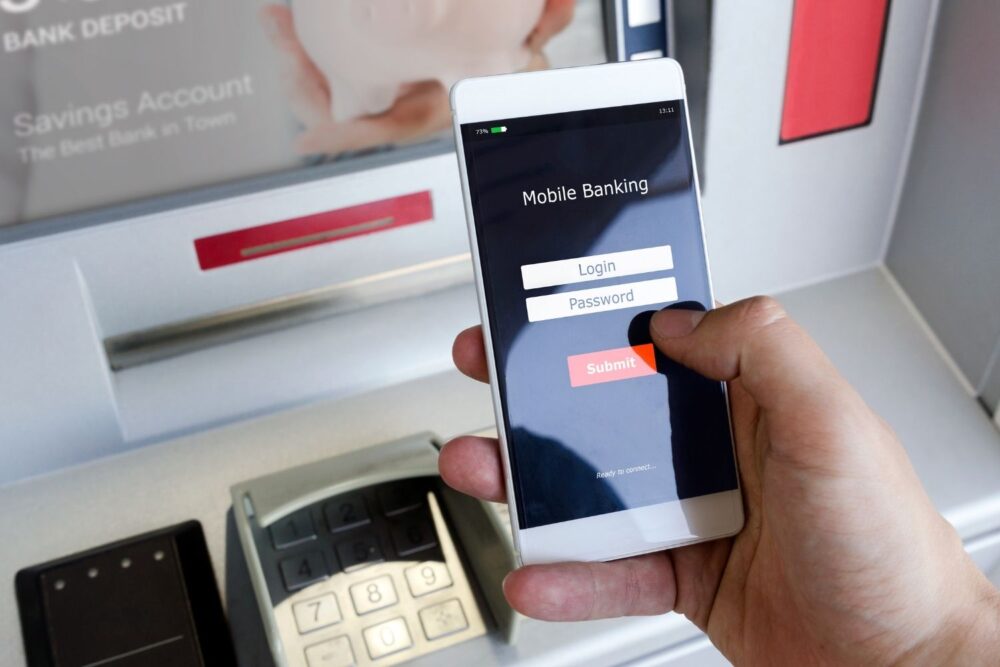
Most banks offer secure alerts through their apps that don’t rely on clickable links. These notifications are harder for scammers to imitate convincingly.
Using app-based alerts makes it easier to spot texts that don’t match how your bank normally communicates.
8. Report the message to your bank and carrier

Banks often ask customers to forward scam texts so they can track trends and warn others. Mobile carriers can also block similar messages in the future.
Reporting takes only a moment and helps reduce the number of scam messages reaching other people.
9. If you clicked, act immediately

If you tapped a link or entered information, contact your bank right away. They can lock accounts, reset credentials, and monitor for suspicious activity.
Fast action can prevent losses or limit damage, which is why delays can be costly.
10. Treat unexpected financial texts with skepticism

A simple rule helps: never trust financial messages you didn’t expect. Pause, verify, and use official channels every time.
Staying cautious isn’t about fear. It’s about recognizing that real banks provide safe ways to confirm issues without pressure or shortcuts.