
Act quickly and safely if you suspect a dog may have rabies symptoms or exposure.

Rabies in dogs is serious, rare, and always a medical emergency. Recognizing the earliest signs—like unusual aggression, drooling, or sudden behavioral shifts—can help prevent harm to people and animals. The virus affects the nervous system, which means changes tend to happen fast and need urgent response. According to experts from the CDC, American Veterinary Medical Association, and American Humane, prompt action is essential to reduce risk and protect public health.
1. Sudden aggression toward people or other animals appears without warning.
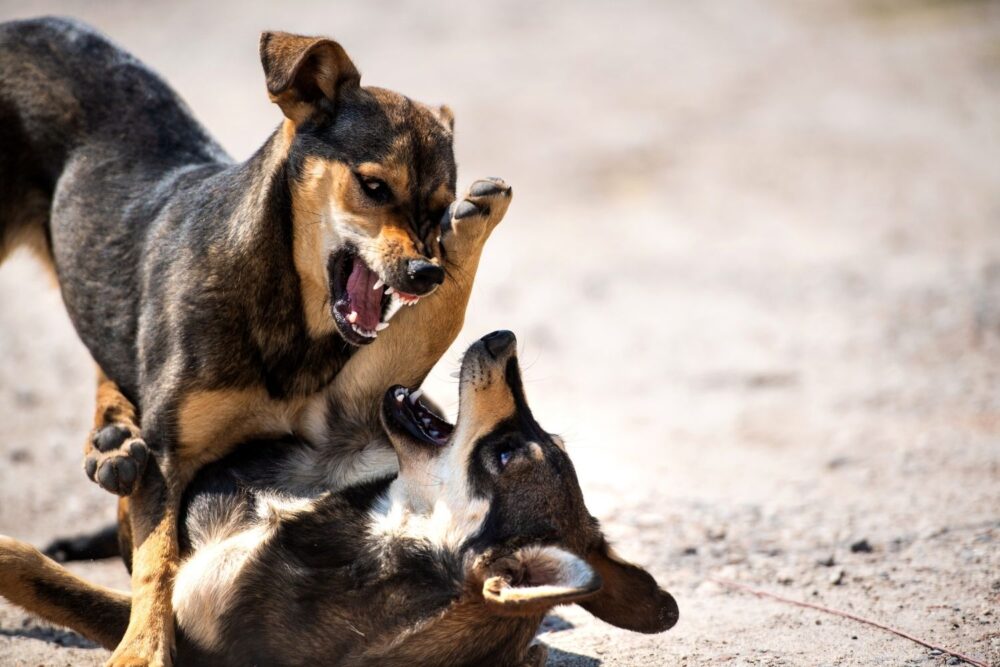
A dog that suddenly snaps at familiar people or lunges at other pets may be exhibiting a neurological shift. Rabies affects brain function, which disrupts normal social cues and restraint. The change often comes without buildup—a docile dog can turn aggressive within hours.
Outbursts may escalate quickly, especially if the dog remains alert but unpredictable. Instead of barking due to fear or excitement, it may attack with no visible trigger. In a quiet backyard or on a routine walk, that kind of shift should raise serious concern about possible infection.
2. Excessive drooling or foaming at the mouth begins unexpectedly.

When saliva production surges, it can overwhelm the dog’s ability to swallow. This leads to drooling or foaming, often mistaken for overheating. In rabies cases, the behavior emerges abruptly and worsens within a short span—sometimes in one afternoon.
Outside a veterinary context, thick foam along the lips or dripping jaws can signal viral distress. On a shaded porch or in the car, the mess stands out not just for volume, but for its timing. Unexplained frothing deserves a cautious, distanced response while a professional is contacted.
3. A shift in the dog’s usual temperament becomes obvious.

An even-tempered dog that grows anxious or reclusive might be undergoing neurological changes. Rabies can dismantle stable behaviors, including a dog’s trust in familiar surroundings or routine interaction. A formerly playful dog could start flinching or snarling instead.
During family meals or usual playtime, owners may notice guarded body posture or delayed reactions. The change may feel subtle at first—like a shift in the weight of a gaze or a longer pause at the door—but builds steadily. Behavioral changes without clear cause often come early in infection.
4. Difficulty swallowing causes choking sounds or unusual mouth movements.

Difficulty swallowing shows up as gagging, chewing at air, or unnatural tongue movements. Rabies affects muscle control near the throat, and the result can resemble a dog choking on nothing. The strange sounds often echo harsh and irregular—even in a quiet room.
Owners sometimes mistake this for kennel cough or a foreign object. But when no treat or toy was nearby, and the behavior repeats, it points elsewhere. In kitchens or entryways, noises like strained gulping or hacking without relief can mark a deeper problem, especially paired with other signs.
5. Uncoordinated movements or staggering show up during normal activities.

Loss of balance doesn’t always look dramatic. A dog may stumble during play, hesitate before jumping into a car, or misjudge a turn while walking. As rabies impacts the brain, coordination issues emerge—not from injury, but from impaired motor control.
You might first notice the dog standing awkwardly by its bowl, paws splayed like it’s adjusting for an invisible slope. None of this follows a sprain pattern or age-related decline. The clumsiness often appears too sudden, as if the floor tilted when no one was looking.
6. Attempting to bite without clear cause becomes more frequent.
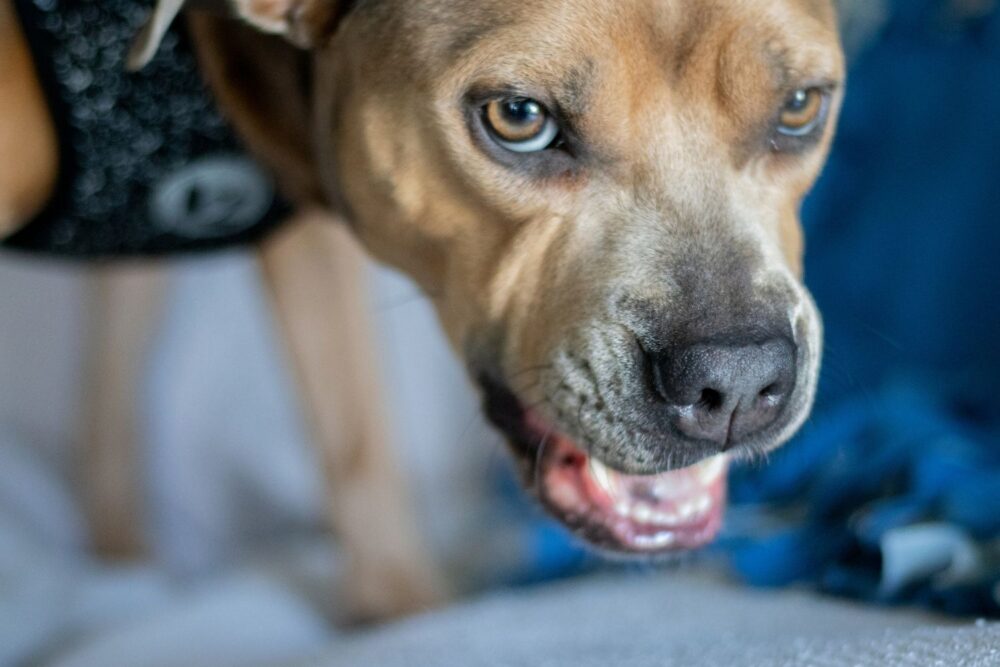
Some dogs nip when startled, but rabies-induced biting breaks from pattern. The dog may lunge at shadows, its food bowl, or a person simply walking by. The behavior is impulsive and repetitive—its jaws act faster than stimulus justifies.
Standing at the edge of a driveway or in a doorway, family members might sense reluctance to cross paths with the animal. And rightly so. Biting without provocation—especially with force or frequency—can point to deteriorating impulse control in the nervous system. The risk rises with each unexplained strike.
7. Eyes appear glassy or pupils look strangely dilated at rest.
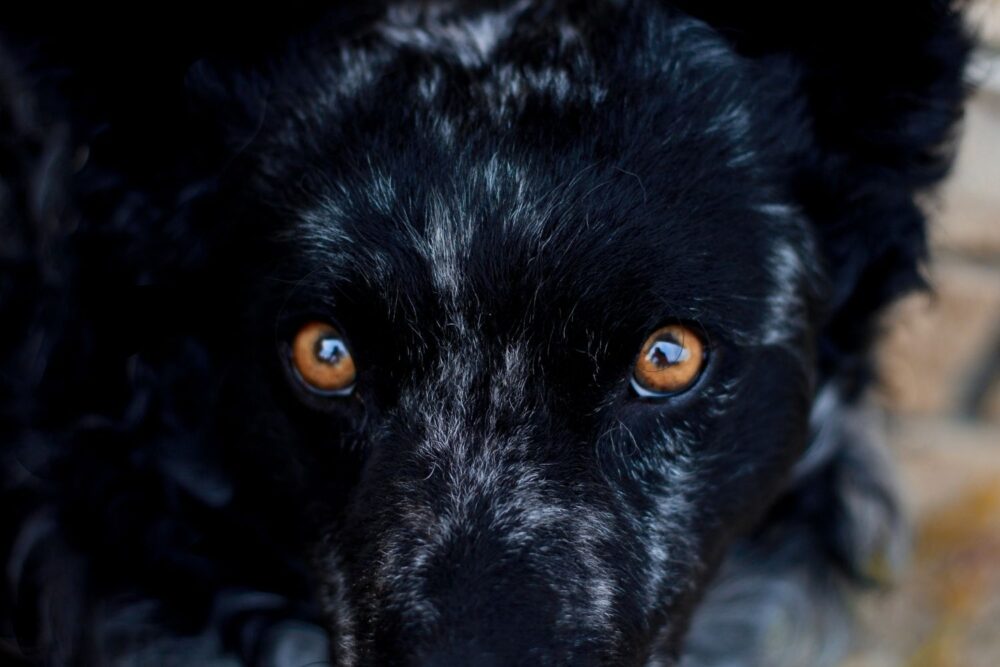
Changes in the eyes don’t always mean injury. In rabies infection, the pupils may appear fixed or slightly widened even in low light. The glossy stare isn’t just eerie—it reflects brain inflammation and loss of normal sensory processing.
Passing a window where sunlight filters in, a calm dog would blink or squint. A rabid one might hold a flat-eyed gaze, unblinking, with pupils that don’t adjust. At rest, the difference is subtle but undeniable—a glassed-over look where softness once showed.
8. Fear of water or refusal to drink signals possible distress.

Hydrophobia, or fear of water, develops not from dislike but from pain during swallowing. Rabies interferes with throat muscles, making even small sips trigger spasms. Dogs instinctively avoid their bowls, retreat from hose spray, or growl near dripping faucets.
Near the laundry room or by a patio dish, the dog’s thirst may be clear—it pants, paces, licks its lips—but it won’t touch water. This aversion is unusual because hydration is such a primal drive. When it fades, the cause is rarely benign.
9. Seizures or muscle tremors develop with no known trigger.

Seizures in dogs can look like sudden collapse, muscle jerks, or lip twitches. Rabies-related seizures often appear late in progression due to viral spread into the brain. They may occur after periods of unusual aggression or lethargy.
On a living room rug or cement garage floor, a dog might stiffen suddenly and shudder for seconds. When no history of epilepsy exists, and the episode repeats or escalates, the symptom moves from confusing to urgent. Each convulsion signals further damage to the nervous system.
10. Constant restlessness or pacing replaces their regular behavior.
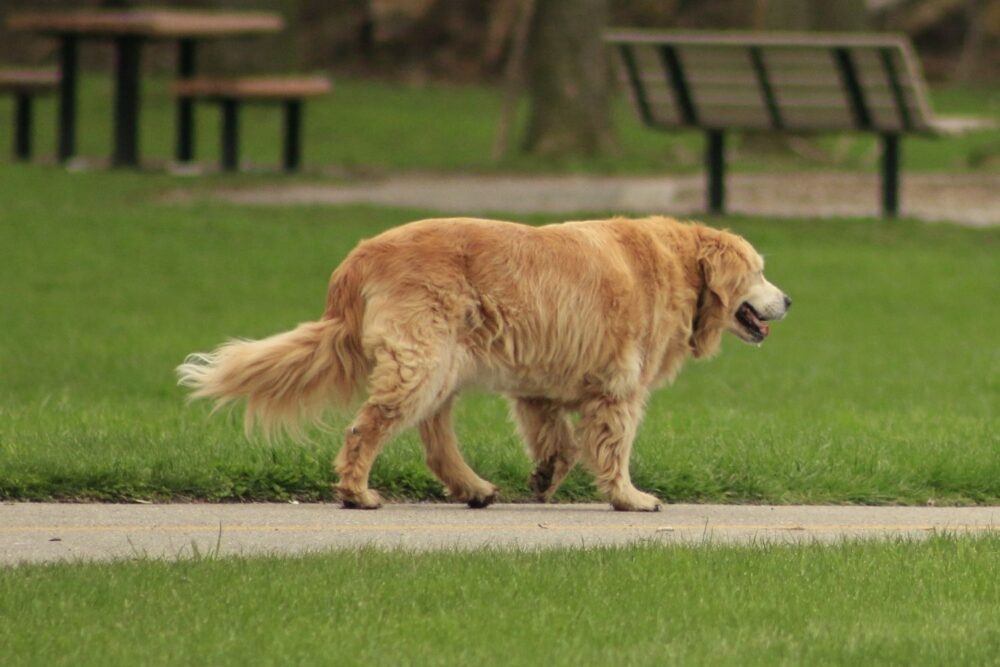
A restless dog may never lie down for long, even after exercise ends. With rabies, that pacing behavior becomes compulsive—back and forth along fences, doorways, or across tiled entryways. The body moves constantly, though the eyes may seem vacant.
Sleep cycles often break down during infection, so even midnight finds the dog circling. It doesn’t seek food or attention. Its path is consistent, unbroken. Households may first notice the sound of nails clicking long past bedtime—that mechanical rhythm replacing normal quiet.
11. Paralysis or weakness in the legs begins to limit movement.

Paralysis can begin subtly—hesitation before stepping, one leg lagging behind, or a soft collapse during play. Rabies disrupts signals from the brain to limbs, often starting in the hind legs. As weakness spreads, movement becomes stiff, uneven, or simply stops.
Where stairs once posed no problem, a dog might now pause at the base, legs trembling. Outdoors, the back half of the body may sway as if uncertain where gravity lies. Unlike injury, this weakness doesn’t resolve or shift side to side. It only advances.
12. An unexplained preference for dark, hidden spaces emerges quickly.

A once-outgoing dog might suddenly favor closets or beds pushed against corners. Rabies can trigger changes that drive animals into quiet, dim areas—behind couches, under decks, or into laundry piles. Darkness offers sensory relief during mental overload.
Noticeably, the dog resists light-filled rooms or avoids screens and people. In broad daylight, it seeks hallways with no windows. While other conditions may cause fatigue, withdrawal this sharp—and new—signals more than tiredness. When comfort hides in the shadows, the cause is often neurological.