
It appears quietly, but it’s meant to reveal something happening behind the scenes.
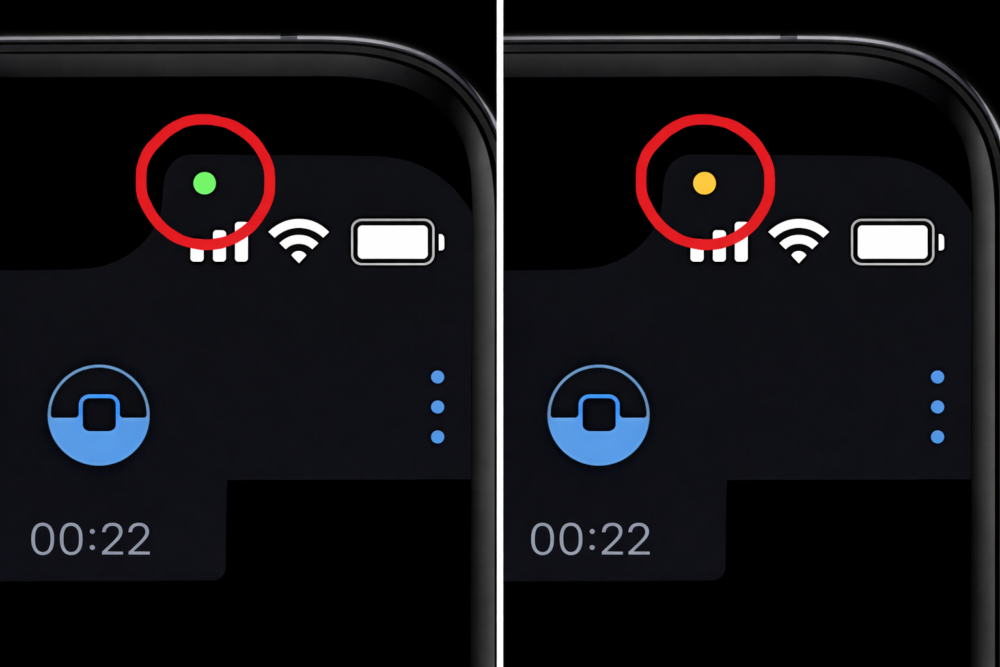
Phones are full of tiny signals we rarely question. Colors, icons, and brief flashes appear and vanish so quickly that they blend into the background of everyday use. Most are easy to ignore because they never seem important.
The orange dot is different. It wasn’t added for decoration or convenience, but to quietly expose something users rarely see. It shows up without explanation, which is why many people notice it only after months or years.
Once you understand what that dot represents, it changes how you experience your phone. It turns a passive screen into a subtle transparency tool, revealing activity that normally stays hidden unless you go looking for it.
1. The first time you notice the orange dot, it feels out of place

Most people spot the orange dot by accident, usually while opening an app they trust. It appears briefly in the corner of the screen, then disappears before they have time to question it.
That moment of confusion is intentional. The dot is not meant to interrupt you, only to signal background activity. It offers awareness without demanding attention, which is why many users dismiss it at first.
2. Apple added the dot to show when sensitive features are active

The orange dot is a built-in privacy indicator. It appears whenever an app is actively using your phone’s microphone, even if nothing obvious is being recorded.
Instead of hiding this activity in settings, Apple chose visibility. The dot gives real-time feedback, reminding users that access is happening now, not just something approved long ago and forgotten.
3. Many apps activate the microphone for reasons you don’t expect

Navigation tools, social apps, video platforms, and voice features may briefly use the microphone as part of normal operation. That does not automatically mean something invasive is happening.
The dot helps users see patterns. If it appears at surprising moments, it encourages curiosity rather than panic. Awareness becomes the point, not fear.
4. The dot reflects a broader shift toward visible privacy

For years, phones relied on one-time permissions buried in long menus. Once granted, access continued quietly in the background.
The orange dot changes that relationship. Instead of asking once and disappearing, the system shows access every time it happens. Privacy becomes part of daily experience rather than a forgotten agreement.
5. Not every orange dot is a reason to worry

Seeing the indicator does not mean your phone is secretly listening. Often, it appears because you are using features that rely on audio input.
Phone calls, video recording, voice messages, and accessibility tools all trigger the dot. It does not judge intent. It simply signals that a sensitive feature is active.
6. The real value of the orange dot is how it changes awareness

Before the orange dot existed, most people never thought about when their microphone turned on. Audio access felt abstract, buried deep in permissions granted months or years earlier.
Now, the dot creates a pause. Users begin noticing which apps trigger it, how often it appears, and whether the timing feels expected or strange.
That quiet awareness shifts behavior. Without alerts or warnings, people start making more informed choices about which apps they trust and how they use them.
7. You can treat the dot like a personal audit
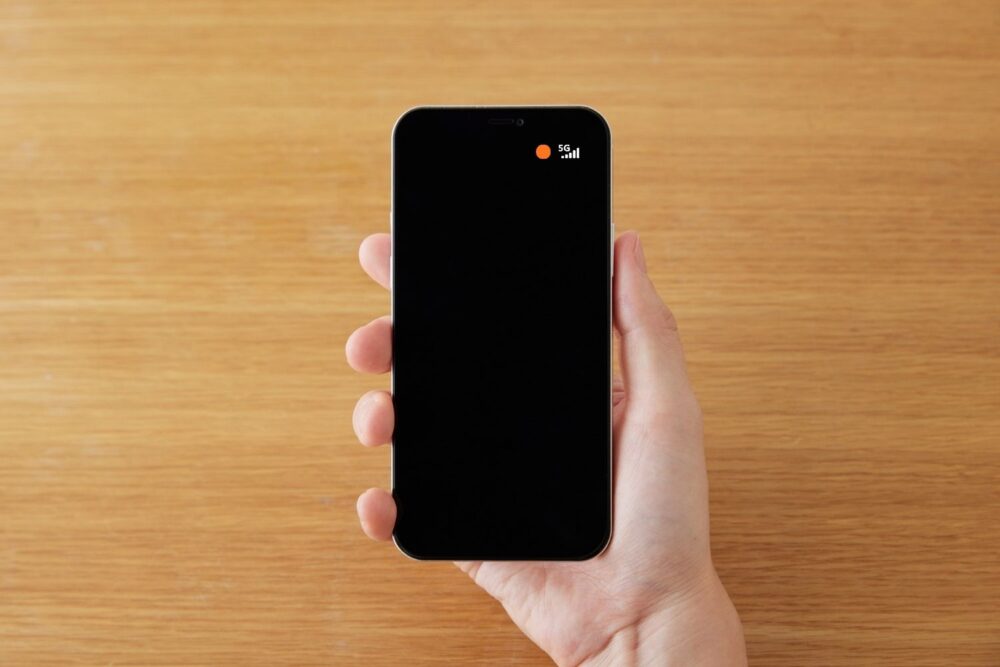
Once you understand the indicator, it becomes a simple diagnostic tool. If the dot appears unexpectedly, it may be worth checking which app is active.
This does not require technical skill. A glance at recently used apps often explains it. Over time, the dot teaches users how their phone really behaves.
8. The orange dot works because it stays subtle

Unlike notifications that interrupt or alarm, the dot remains unobtrusive. It does not buzz, flash, or demand a response.
That restraint makes it effective. It respects attention while still offering transparency, letting users decide when to act and when to simply notice.
9. Small signals like this are becoming more common

Phone designers are increasingly using simple visual cues instead of long explanations. Symbols communicate faster than menus.
The orange dot fits that approach. It assumes users can interpret signals on their own, which builds understanding over time without overwhelming them.
10. Once you notice it, you start seeing it everywhere

After learning what the dot means, many people begin spotting it regularly. It becomes part of the phone’s visual language.
What once felt mysterious turns into context. The dot fades into routine, but the awareness it creates tends to stay.
11. The orange dot is about transparency, not fear
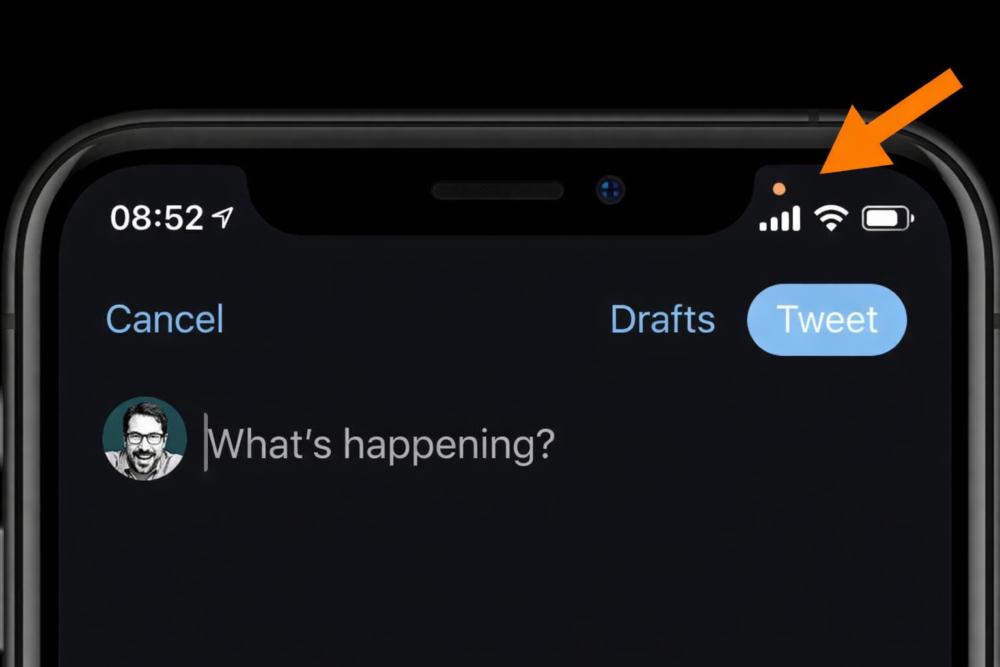
The indicator is not meant to scare users or accuse apps of wrongdoing. It is a quiet signal of honesty from the system.
By revealing when sensitive features are active, the phone gives insight instead of control. That transparency builds trust over time and encourages users to stay informed rather than anxious.