
They’re making billions while destroying the planet —and they’re hoping you’ll never notice.
Most of the things we buy, eat, and use every day come from industries that barely cross our minds. They’re designed for convenience, affordability, and just enough feel-good marketing to keep us from asking too many questions. But once you start paying attention, it’s impossible to unsee the truth. The shiny packaging and clever slogans distract from what’s really happening behind the scenes.
Corporations are cutting corners, exploiting workers, and wrecking the environment—all while raking in massive profits. They’ve built billion-dollar empires by keeping consumers in the dark, counting on the fact that no one will dig too deep. Everything seems fine until the curtain gets pulled back. The truth is unsettling, but it’s also empowering. Once you know what’s really going on, it’s hard to keep playing along. And when enough people start seeing through the deception, those billion-dollar industries won’t be able to hide anymore.
1. Fast fashion keeps you buying while keeping workers broke.

Trendy clothes hit stores faster than ever, but behind the racks of cheap outfits is a system that thrives on underpaid workers and massive amounts of waste. Garment workers—mostly women—spend long hours in unsafe factories for wages that barely cover basic needs.
Factories are still running at breakneck speed, and conditions haven’t improved much. Earthday reports that the fast fashion industry employs approximately 75 million factory workers worldwide, yet less than 2% earn a living wage.
And then there’s the waste. Most fast fashion pieces are made from cheap synthetic fabrics that shed microplastics into the ocean every time they’re washed. Millions of garments are tossed out each year, often ending up in landfills or burned, polluting the air. Brands rely on a cycle of overconsumption, making sure you never feel like you have enough—so you keep buying.
2. Private prisons make money by keeping people locked up.

For-profit prisons aren’t about rehabilitation—they’re about keeping cells full. These companies literally profit off incarceration, so they spend millions lobbying for laws that increase prison sentences, especially for minor, nonviolent crimes. The more people behind bars, the more money they make, which is why they push policies that disproportionately target marginalized communities.
Inside private prisons, conditions are grim. Brian Nam-Sonenstein of the Prison Policy Initiative reports that private prisons provide substandard conditions, including inadequate healthcare and overcrowding. On top of that, prisoners are forced to work for pennies an hour, producing everything from clothing to furniture for major corporations.
Some companies make millions off this labor, while inmates barely make enough to buy soap from the commissary. The entire system is designed to keep people trapped—because, for private prison executives, fewer prisoners means lower profits.
3. Bottled water is just overpriced tap water wrapped in plastic.

Bottled water companies have convinced people to pay for something they could get for free. In reality, brands like Dasani and Aquafina just filter tap water and sell it back at a massive markup. Meanwhile, corporations like Nestlé drain local water supplies, leaving entire communities struggling while they make billions. Some towns have even had to fight in court to get their own water back. Alexandra Shimo for the Guardian states, in Ontario, Canada, Nestlé extracts millions of liters from indigenous lands where residents lack access to clean tap water.
And then there’s the plastic problem. Billions of water bottles are made every year, but most end up in landfills, the ocean, or burned, releasing toxic chemicals. Even so-called “recyclable” bottles rarely get reused. The industry pretends it’s sustainable by pushing recycling, but in reality, most plastic just keeps piling up.
4. Palm oil is hiding in your favorite foods and destroying rainforests.

This cheap oil sneaks into everything from cookies to shampoo, but the cost of producing it is devastating. Rainforests are burned down to make way for palm plantations, wiping out habitats for endangered species like orangutans and polluting the air with thick clouds of smoke. Entire ecosystems are being lost in the name of cheap production. It gets worse. Many palm oil plantations rely on child labor and forced work.
Even brands claiming to use “sustainable” palm oil often have no way to prove where it actually comes from. Big companies slap green labels on their products, but the reality is that ethical palm oil is nearly impossible to trace. Avoiding it isn’t easy, but it’s one of the best ways to stop supporting an industry built on destruction.
5. Beauty brands love to slap “clean” on toxic products.

The beauty industry makes billions selling the illusion of safety. In reality, many products are packed with chemicals linked to hormone disruption, fertility issues, and even cancer. Thanks to weak regulations, companies can legally sell formulas with banned ingredients and get away with it. Many brands use loopholes to avoid listing harmful substances, hiding behind terms like “fragrance” or “proprietary blend.”
Animal testing is another dirty secret. Despite public outrage, countless rabbits, mice, and dogs are still tortured in lab experiments just to launch a new mascara or face cream. While some brands are truly cruelty-free, many still rely on outdated and inhumane testing methods. Clever marketing keeps consumers from asking too many questions, but the truth isn’t pretty.
6. Meat production is wrecking the planet and pushing workers to the limit.
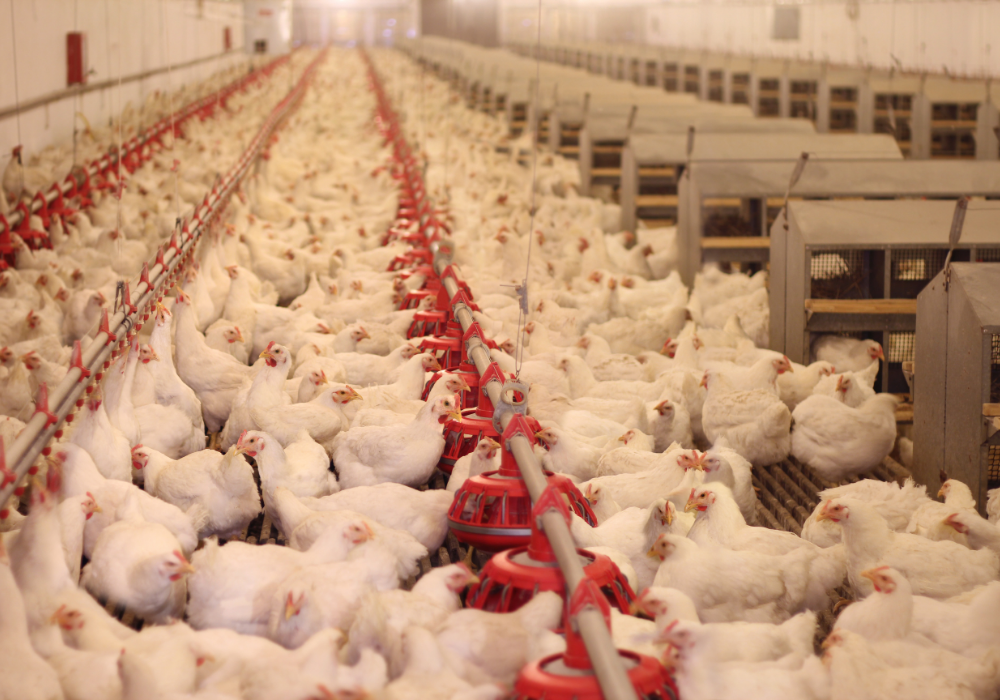
Factory farms are some of the worst polluters out there. They generate more greenhouse gases than the entire transportation sector, bulldoze forests for cattle grazing, and dump so much animal waste into rivers that some water sources are completely toxic.
On top of that, the overuse of antibiotics in livestock is making diseases harder to treat in humans. The industry’s expansion isn’t slowing down, despite growing awareness of its massive carbon footprint.
And it’s not just bad for the planet. Meatpacking plants are some of the most dangerous workplaces, with high injury rates and brutal conditions. Employees are pushed to keep up with impossible production speeds, often getting hurt in the process. Many develop long-term health issues from repetitive injuries and exposure to chemicals used in processing. The industry banks on people turning a blind eye because meat is cheap, but the real price is much higher than most realize.
7. Dairy companies have been milking you for years.
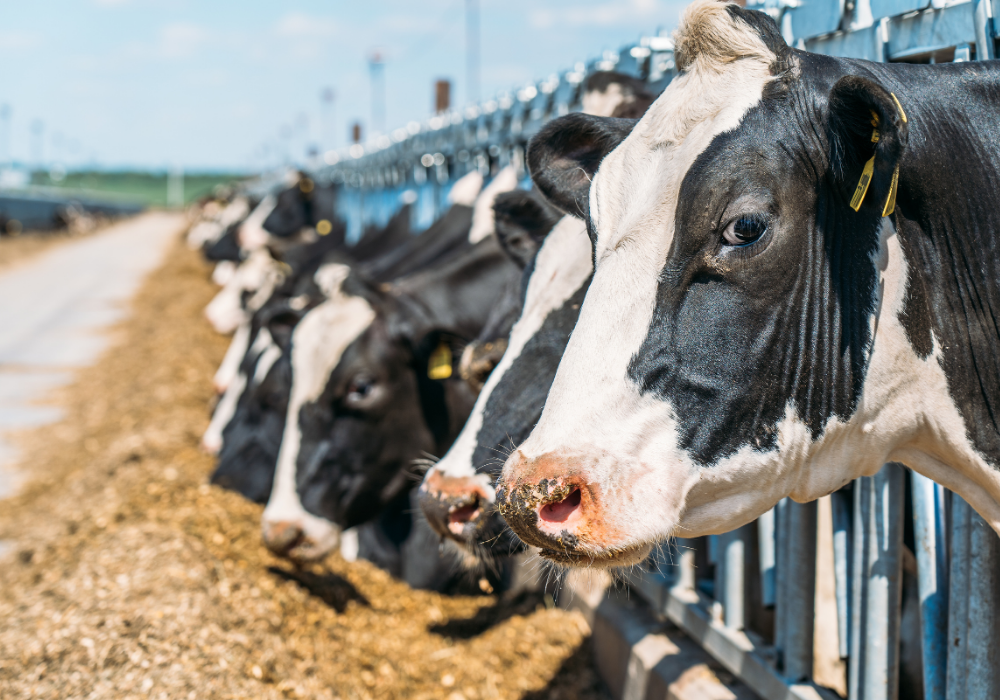
For decades, milk advertisements convinced people they needed dairy for strong bones and good health. Turns out, a lot of that was just clever marketing. Studies have shown that milk isn’t necessary for bone strength, and many people can get the same nutrients from plant-based sources. Meanwhile, behind every gallon of milk is a cycle of cruelty most consumers never see.
Dairy cows are kept in a constant state of forced pregnancy to produce milk. Calves are taken from their mothers almost immediately, causing immense stress for both. Female calves are raised to become milk producers, while males are often sent to slaughter at a young age. On top of that, dairy farms are a massive source of methane emissions, a potent greenhouse gas that contributes to climate change. Even as plant-based alternatives become more popular, the dairy industry still pours millions into keeping milk a dietary staple.
8. Airlines are polluting the skies while squeezing workers.

Flying might be fast, but it’s also a major climate disaster. The airline industry is responsible for around 2.5% of global carbon emissions, and while that may sound small, it’s rising fast. Airplanes burn massive amounts of fossil fuels, and with cheap flights making travel more accessible than ever, emissions keep climbing. Airlines claim they’re working on greener alternatives, but most efforts are just PR stunts with no real impact. It’s not just the environment paying the price. Airline workers—including pilots, flight attendants, and ground crew—face exhausting schedules, low pay, and increasing pressure to meet cost-cutting demands.
Budget airlines push ticket prices lower by slashing wages and overworking staff. When the industry faces financial trouble, the government rushes in with massive bailouts, but employees often don’t see those benefits. Airlines are great at making money, but they’re even better at making workers and the planet pay for it.
9. Industrial fishing is emptying the oceans and abusing workers.
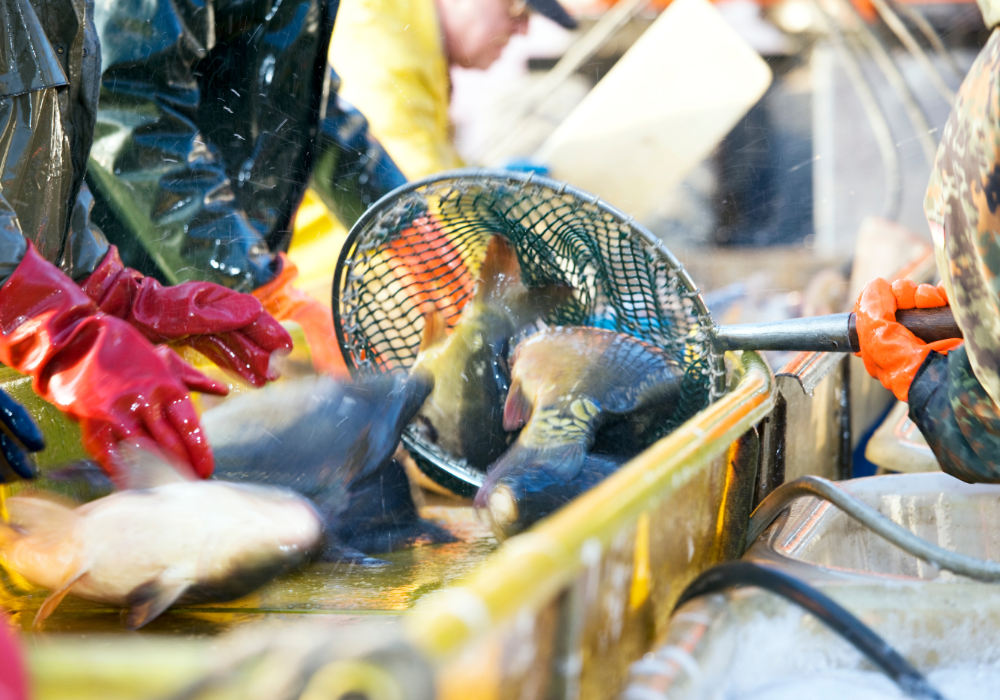
Overfishing is pushing entire species to the brink of collapse. Industrial trawlers scrape the ocean floor, destroying coral reefs and marine ecosystems while catching way more fish than nature can replenish. Scientists warn that if overfishing continues at its current rate, we could see the collapse of entire fish populations within decades. The damage doesn’t stop at the fish—seabirds, turtles, and other marine animals get caught in nets and killed as unwanted “bycatch.”
The fishing industry’s human rights violations are just as disturbing. Reports of forced labor, human trafficking, and violent abuse on fishing vessels are widespread. Many workers, often from impoverished regions, are lured onto ships with promises of fair wages, only to be trapped at sea for months or years in brutal conditions. Some are even physically restrained or threatened if they try to escape. And because seafood supply chains are so complex, even brands claiming to sell “ethically sourced” fish often can’t prove where their catch actually came from.
10. Big Tech is watching everything you do and profiting from it.

Every click, swipe, and search is tracked, analyzed, and sold. Social media and e-commerce giants have built billion-dollar empires by harvesting personal data and using it to manipulate user behavior. Algorithms are designed to keep people glued to their screens, pushing content that sparks outrage or addiction just to keep engagement high. Meanwhile, your personal information is quietly being sold to advertisers, data brokers, and even government agencies.
It’s not just privacy concerns—Big Tech also has a serious labor problem. The demand for smartphones, laptops, and electric cars has fueled human rights abuses in mining operations. Cobalt and lithium, essential for rechargeable batteries, are often mined by children and exploited workers in dangerous conditions. Companies like Apple, Tesla, and Google claim to be improving their supply chains, but human rights groups say these abuses are still rampant. Tech giants love to market themselves as forces for good, but behind the sleek branding is a business model that thrives on exploitation.