
A quick chime can tell flight attendants what’s happening long before passengers notice anything.

Most airline passengers hear the familiar chimes that sound throughout a flight, but few know what those tones actually mean. These audio cues aren’t random—they’re part of a coded communication system used by flight attendants and crew to share important information without alarming passengers. Airlines use different sequences and tones to indicate everything from routine requests to urgent safety issues, allowing the crew to coordinate smoothly behind the scenes. Understanding what these signals represent reveals just how much communication happens quietly while travelers sit unaware in their seats.
1. The Chimes Are Part of a Crew-Only Communication System

Airlines use cabin chimes as discreet alerts that help flight attendants coordinate with one another and with the cockpit. These signals allow the crew to stay informed without broadcasting instructions over the loudspeaker. The tones vary depending on airline and aircraft model, but most follow general patterns that distinguish routine messages from urgent ones.
Because chimes are standardized within each airline, flight attendants know instantly whether they’re being called to assist a passenger, respond to an issue, or answer a cockpit request. The system keeps operations smooth while avoiding unnecessary concern among travelers.
2. A Single Chime Usually Marks Routine Crew Communication

On many airlines, a single chime indicates normal, non-urgent activity, such as when a flight attendant calls another crew member or when a passenger presses the call button. This helps the cabin crew respond efficiently without interrupting service or making announcements that could disturb passengers.
These everyday alerts are the backbone of in-flight communication. Flight attendants rely on them to coordinate duties such as meal service, cabin checks, and responding to individual passenger needs. For most travelers, these chimes fade into the background—but for crew members, they signal constant coordination.
3. A Double Chime Often Signals Takeoff and Landing Milestones
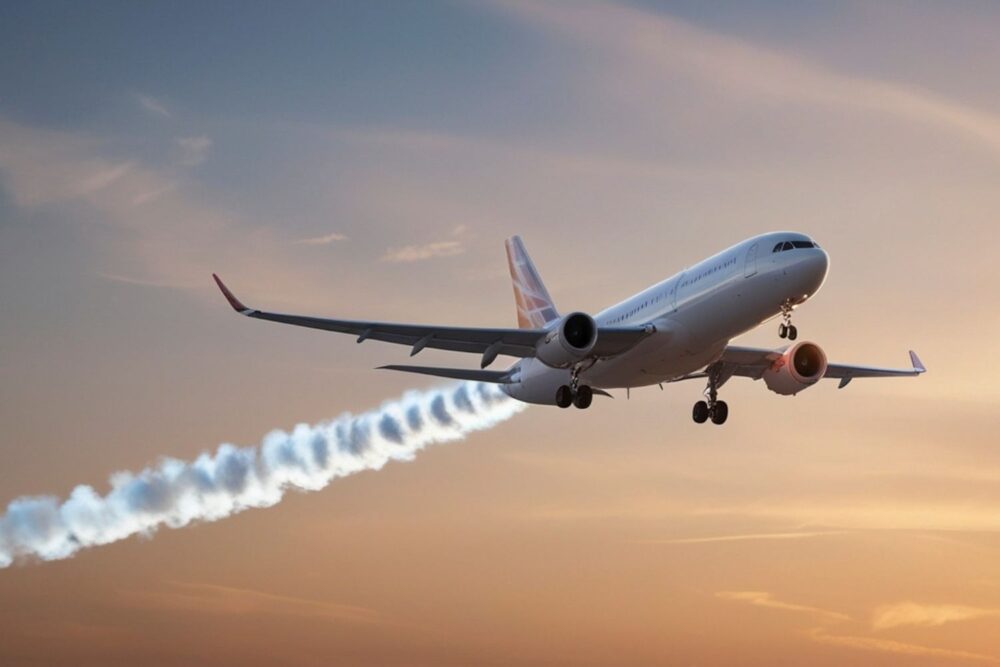
Frequent flyers may notice a double chime shortly after takeoff or just before landing. This sound often signals that the aircraft has reached 10,000 feet—a point at which flight attendants can begin certain duties and passengers may be allowed to use electronic devices. The tone helps synchronize cabin activity with cockpit procedures.
In some cases, the double chime alerts flight attendants to prepare for landing, resume service, or begin safety-related tasks. Although the meaning can vary, the tone typically marks a key transition point in the flight.
4. Triple or Repeated Chimes Can Indicate an Urgent Situation

More urgent tones—such as triple chimes or a rapid sequence of sounds—typically alert crew members to a developing issue. This may include a passenger experiencing a medical emergency, a mechanical concern, or a situation that requires immediate cabin attention. These alerts prompt flight attendants to check in with their team or approach the cockpit.
While these sounds are rarely explained to passengers, they help the crew mobilize quickly without drawing attention. The tones ensure that the cabin team knows something unusual is happening and must respond promptly.
5. The Cockpit Uses Chimes to Signal Cabin Crew Directly
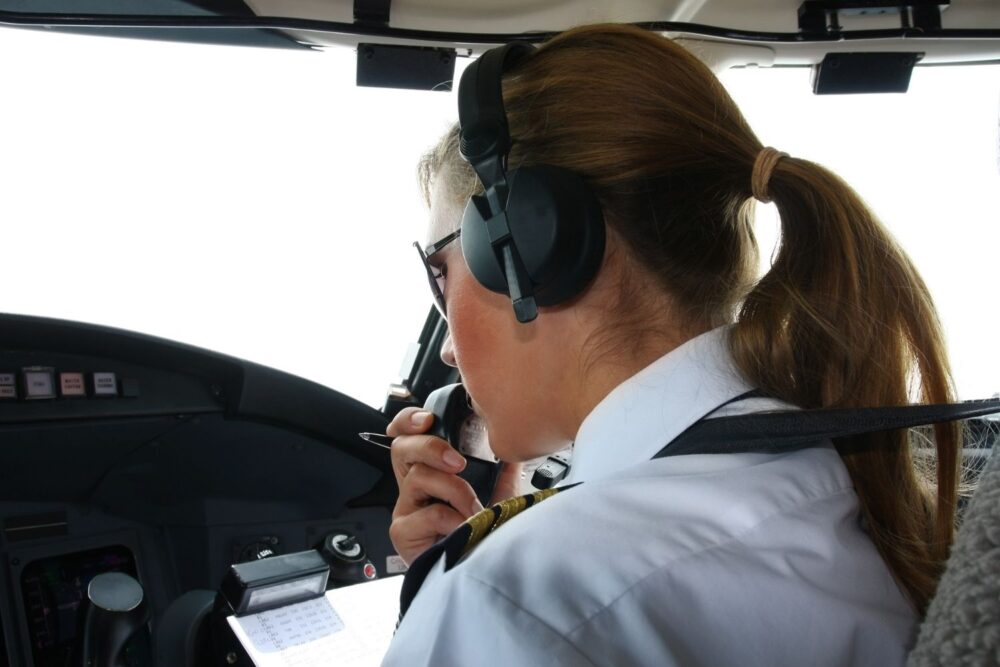
Pilots can use the cabin chime system to call for a flight attendant or request assistance during specific phases of flight. This allows them to communicate discreetly, especially during critical moments when they cannot leave the flight deck. A distinctive chime pattern lets attendants know the message is coming from the cockpit rather than from a passenger or another crew member.
These tones help maintain safety and coordination, especially during turbulence, system alerts, or changes in flight conditions. For crew members, recognizing cockpit-specific chimes is essential for responding immediately when needed.
6. Crew Phones and Intercoms Work Together With the Chime System

Behind the scenes, flight attendants use intercoms and handsets to talk privately with one another. The chime notifies them to pick up these devices or approach a panel for more information. This layered communication system ensures the cabin crew can send messages instantly without walking across the aircraft.
Because modern airplanes divide the cabin into multiple service zones, intercoms paired with chimes help attendants coordinate meal service, passenger needs, and safety procedures. These tools allow large crews to operate efficiently even in crowded cabins.
7. Chimes Help Coordinate Passenger Assistance
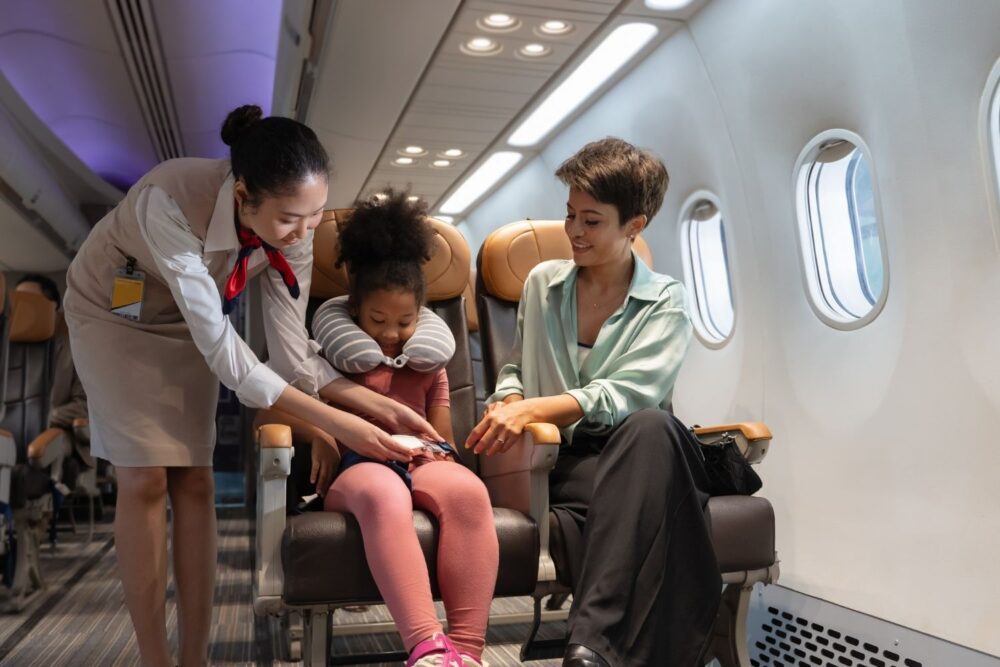
When a traveler presses the call button above their seat, the system triggers both a chime and a light at the flight attendant’s panel. This alert helps the crew identify who needs help and respond quickly. The sound may be subtle to passengers, but it signals the start of a routine service interaction.
Flight attendants rely on these alerts to handle a wide range of requests, from providing water to addressing seating issues. Without chimes, attendants would need to constantly scan the cabin—making service less efficient and significantly slower.
8. Different Airlines Use Slightly Different Chime Patterns

While many airlines follow similar conventions, each carrier trains its crew to recognize its own specific tones and meanings. Some aircraft manufacturers build standard chimes into their systems, while others allow airlines to customize tones for particular alerts or procedures.
Passengers might notice differences when flying on unfamiliar airlines or aircraft types. Despite these variations, the overall purpose remains the same: keeping cabin operations organized, efficient, and quiet enough not to disrupt the passenger experience.
9. Some Chimes Are Linked to Aircraft Systems and Safety Checks

Certain tones correspond to aircraft system notifications that require crew attention. For example, a chime may sound when the seatbelt sign is switched on, when doors are armed or disarmed, or when the cabin pressure reaches a specific level. These alerts cue flight attendants to perform safety checks or adjust service accordingly.
These system-linked chimes provide real-time updates that support safety procedures. Even though passengers often hear them without explanation, they play an important role in ensuring that crew members stay aligned with cockpit decisions.
10. Chimes Allow Crew to Manage Emergencies Discreetly

In an emergency, quiet but recognizable tones help the crew communicate without frightening passengers. A special chime may signal the need to suspend service, take seats immediately, or prepare for rapid changes in flight conditions. These alert patterns ensure that flight attendants receive clear instructions while minimizing alarm in the cabin.
This discreet approach helps avoid panic and keeps passengers calm during unexpected situations. By using chimes instead of spoken warnings, crew members can respond efficiently while maintaining a sense of normalcy for those on board.