
Because bat bites can go unnoticed, public health guidance treats indoor encounters as urgent.

Finding a bat inside your home can be unsettling, but public health officials treat these encounters with particular care for a reason. Unlike many other animals, bats can transmit rabies in ways that are easy to miss.
Their bites can be small, painless, and difficult to detect, especially if contact happens at night or while someone is asleep. In some situations, there may be no clear sign that a bite occurred at all. This matters because bats sometimes enter homes without warning, and people often underestimate the medical implications.
Health guidance is designed to prevent worst-case outcomes by addressing risk early, even when certainty isn’t possible. Understanding why experts recommend assuming a bite in specific situations helps people respond calmly, make informed decisions, and protect their health without unnecessary fear.
Click through to discover why a possible bat bite needs to be taken seriously.
1. Why bats are treated differently than other animals indoors

Most wildlife encounters don’t automatically trigger medical concern. With bats, the situation is different because they are the primary source of rabies transmission to humans in the United States. While rabies is rare overall, nearly all recent human cases in the U.S. have been linked to bats.
What makes bats unique is not aggressiveness, but biology. Their small teeth can leave marks that are difficult to see or feel, which changes how exposure is assessed and why caution is emphasized even when no obvious bite is noticed.
Follow us and access great exclusive content every day
2. How bat bites can happen without being noticed
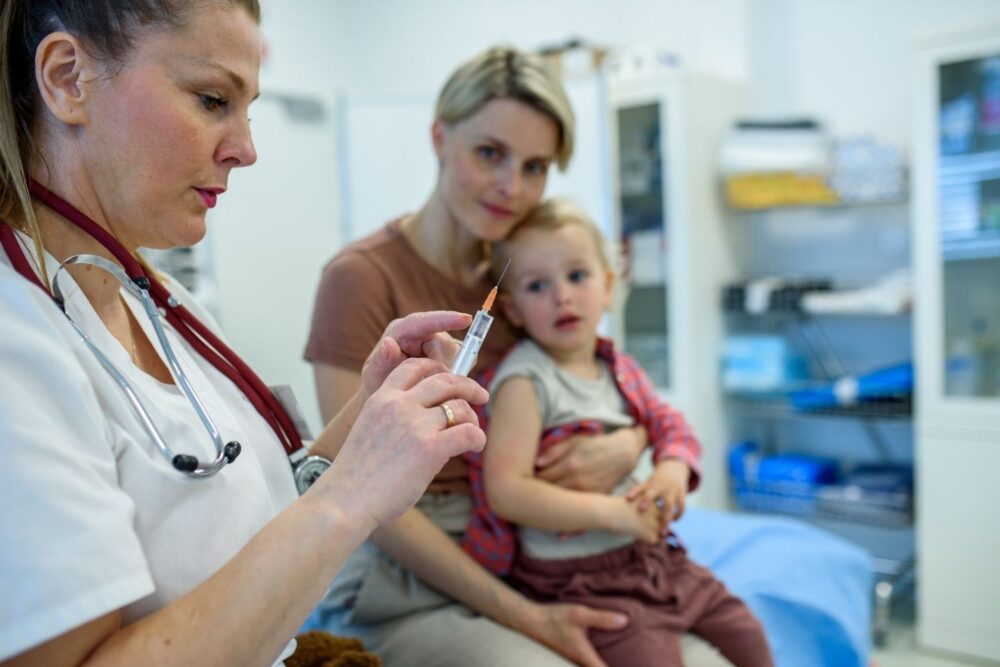
Bat bites are often described as subtle. Their teeth are small and sharp, and a bite may not break the skin in a way that leaves visible marks. Some people compare the sensation to a pinprick or minor scratch.
This is especially concerning if someone is asleep, groggy, or impaired when contact occurs. In those cases, a person may not realize a bat touched or bit them at all, which is why health guidance focuses on possibility rather than certainty.
3. Why waking up to a bat changes the medical guidance

Public health recommendations shift when a bat is found in a room with someone who was sleeping. The concern isn’t panic, but the inability to rule out contact. If a person was unconscious or unaware, there’s no reliable way to confirm that a bite didn’t occur.
Because rabies is nearly always fatal once symptoms appear, medical guidance prioritizes prevention. That means acting based on risk assessment rather than waiting for signs that may never appear in time.
Follow us and access great exclusive content every day
4. When health officials say you should assume exposure
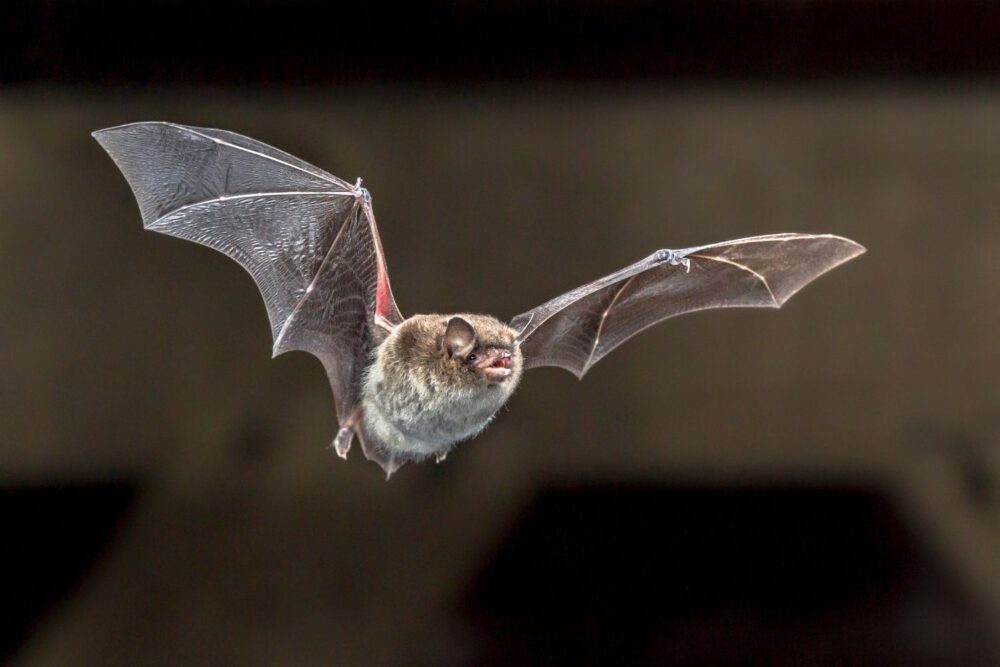
Health officials advise assuming possible exposure if a bat is found in a room with a sleeping person, an unattended child, or someone who cannot reliably communicate what happened. This includes people who are intoxicated or have certain cognitive conditions.
In contrast, if a bat is clearly observed flying through a room with fully alert adults and no contact occurs, the risk assessment may be different. Context matters, which is why blanket advice often causes confusion without explanation.
5. Why rabies prevention focuses on early action
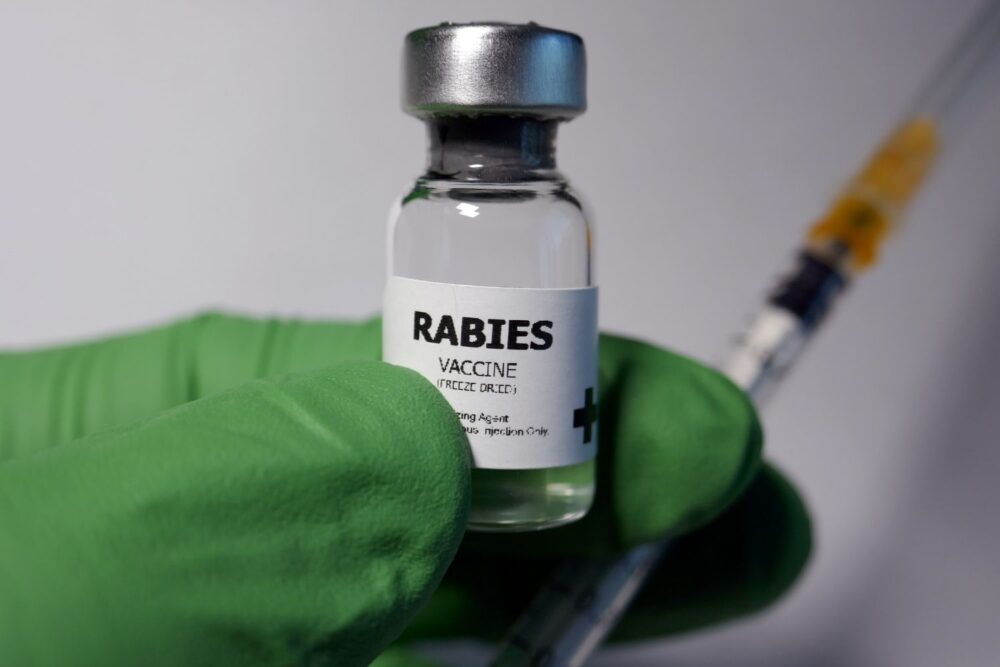
Rabies prevention is one of the most effective success stories in public health, but timing is critical. Post-exposure treatment works extremely well if given before symptoms start. Once symptoms appear, there is no reliable cure.
This reality shapes all guidance around bat encounters. The goal is not to alarm people, but to make sure potential exposures are addressed early, when prevention is simple and effective.
6. How health experts weigh risk versus reassurance in bat encounters

Public health advice around bats can sound extreme if it’s taken out of context. Officials are not saying that every bat carries rabies, or that every bat encounter results in infection. In fact, only a small percentage of bats test positive for rabies.
The guidance exists because the consequences of missing a real exposure are severe. Health experts weigh two outcomes: treating someone who turns out not to have been exposed, or failing to treat someone who was. The first results in precautionary care. The second can result in a fatal illness. That imbalance drives conservative recommendations.
This approach reflects a broader public health principle: when a risk is rare but catastrophic, prevention focuses on eliminating uncertainty. In bat encounters, uncertainty is common because bites can be invisible.
Follow us and access great exclusive content every day
7. What to do immediately if you find a bat indoors

If a bat is found inside a home, experts recommend avoiding direct contact. If it can be done safely, the bat should be contained so professionals can assess it. Opening windows or doors to let the bat escape may remove the animal, but it also removes the opportunity for testing.
People should wash any area of possible contact with soap and water and contact local health authorities or a healthcare provider promptly. These steps help determine whether further action is needed.
8. Why capturing the bat can be important for testing
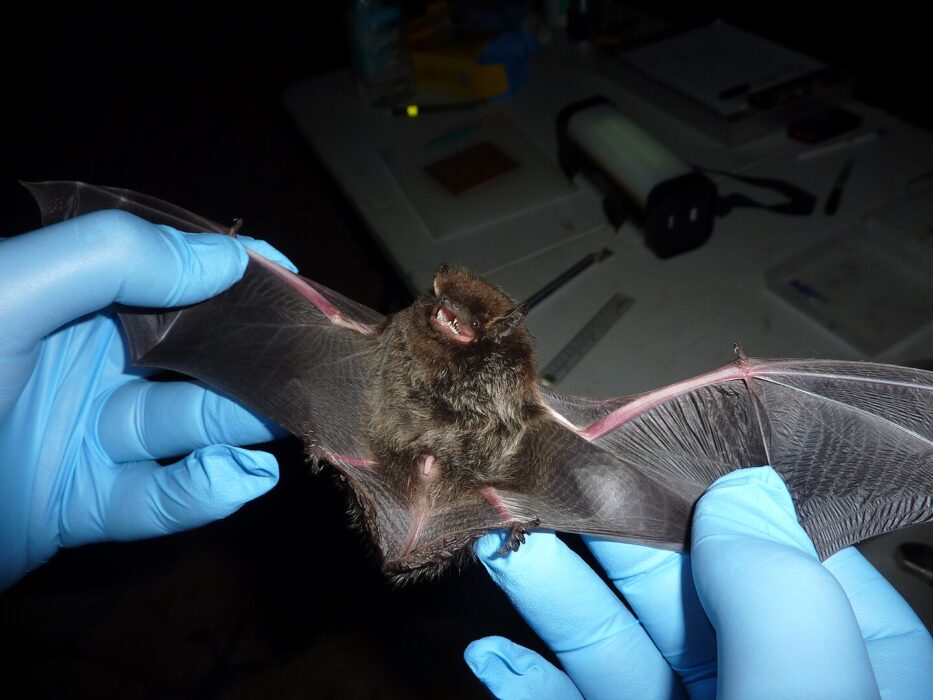
When a bat can be safely captured, it may be tested for rabies. A negative test result can eliminate the need for medical treatment, sparing people unnecessary procedures and anxiety.
This is why health officials often advise against immediately releasing a bat if there’s a possibility of exposure. Testing provides clarity, which is especially valuable when exposure circumstances are uncertain.
9. What rabies treatment actually involves today

Modern rabies post-exposure treatment is far less intimidating than many people imagine. It typically involves a series of vaccinations given over a few weeks, and it is highly effective when administered promptly.
Understanding this helps explain why health officials encourage early evaluation. The treatment is preventive, not a response to illness, and it works best when started before symptoms appear.
10. Why awareness matters more than fear

The goal of public health messaging around bats is not to create fear, but awareness. Most bat encounters do not lead to illness, and bats play an important role in ecosystems by controlling insect populations.
Knowing when to take action allows people to respond calmly and responsibly. By understanding why experts recommend assuming a bite in certain situations, people are better equipped to protect their health without unnecessary panic.