
Low light, active animals, and human instincts collide most often in this narrow window of time.
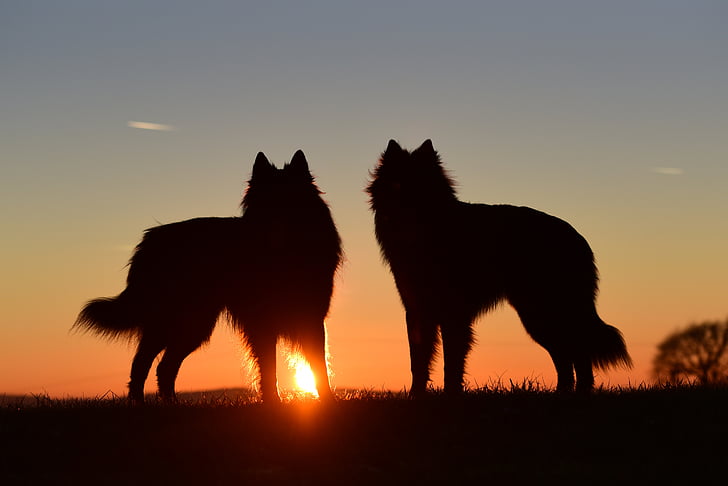
Across much of North America, dusk is when wildlife activity peaks and human visibility drops. Deer, coyotes, bears, and other animals begin moving as temperatures cool and light fades, often bringing them closer to roads, trails, and neighborhoods.
Encounters during this narrow window can feel sudden and disorienting, especially when instincts take over. The risk isn’t just the animal itself, but how people react when visibility is poor and timing feels compressed.
Many serious incidents happen not because wildlife behaves aggressively, but because humans misread the moment. Understanding what changes at dusk, and adjusting behavior accordingly, can reduce dangerous outcomes for both people and animals.
1. Dusk changes animal behavior in ways people often underestimate

Many wild animals are crepuscular, meaning they are most active at dawn and dusk. This is when they travel, forage, and cross open areas that stay quiet during the day.
People often assume animals behave the same way all day. At dusk, that assumption breaks down, increasing the chance of surprise encounters.
2. Human vision declines faster than people realize at sunset

As light fades, depth perception and peripheral vision weaken quickly. Even before it feels fully dark, the eyes lose contrast and detail.
This makes it harder to judge distance or notice movement. Wildlife can appear suddenly much closer than expected, triggering instinctive reactions.
Follow us and access great exclusive content every day
3. The most dangerous encounters often start with surprise

Many close calls happen because neither the human nor the animal expected to meet. Sudden movement, noise, or direct eye contact can escalate tension instantly.
At dusk, these surprises are more common. Reduced visibility leaves less time to respond calmly or choose a safer option.
4. Roads and trails become shared spaces during low light
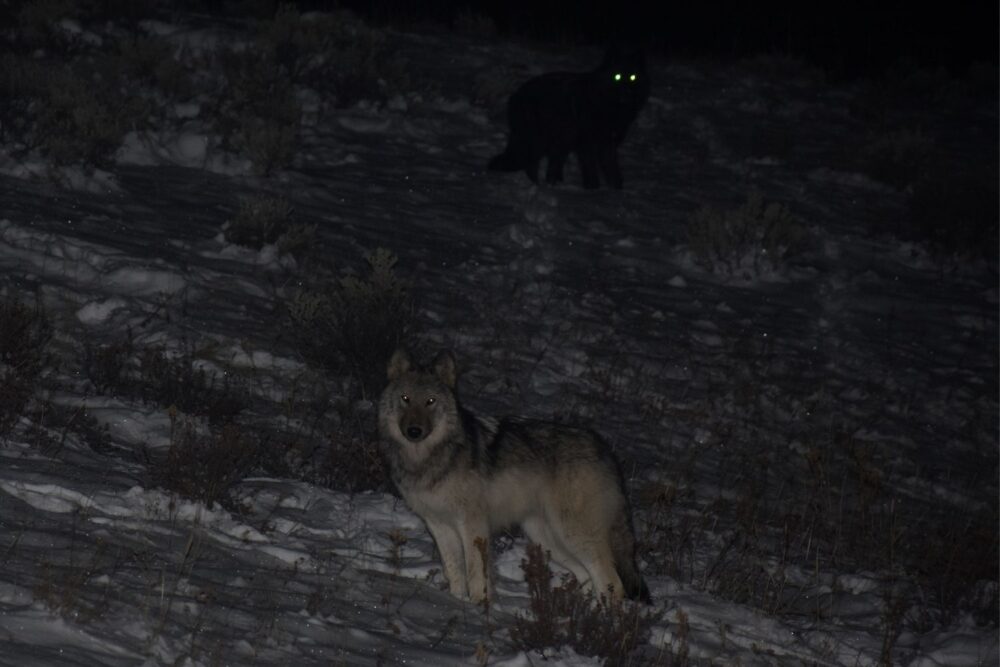
Animals often use roads, paths, and clearings as travel corridors at dusk. These same spaces are popular with walkers, runners, cyclists, and drivers heading home.
The overlap increases risk. A quiet road or trail can feel safe until wildlife emerges from cover with little warning.
5. Instinctive human reactions can make encounters worse

When startled, people often freeze, run, or move toward the animal without thinking. These reactions can trigger chase responses or defensive behavior.
At dusk, confusion amplifies these instincts. Acting too quickly can turn a manageable encounter into a dangerous one.
6. The most important rule at dusk is to slow down and create distance
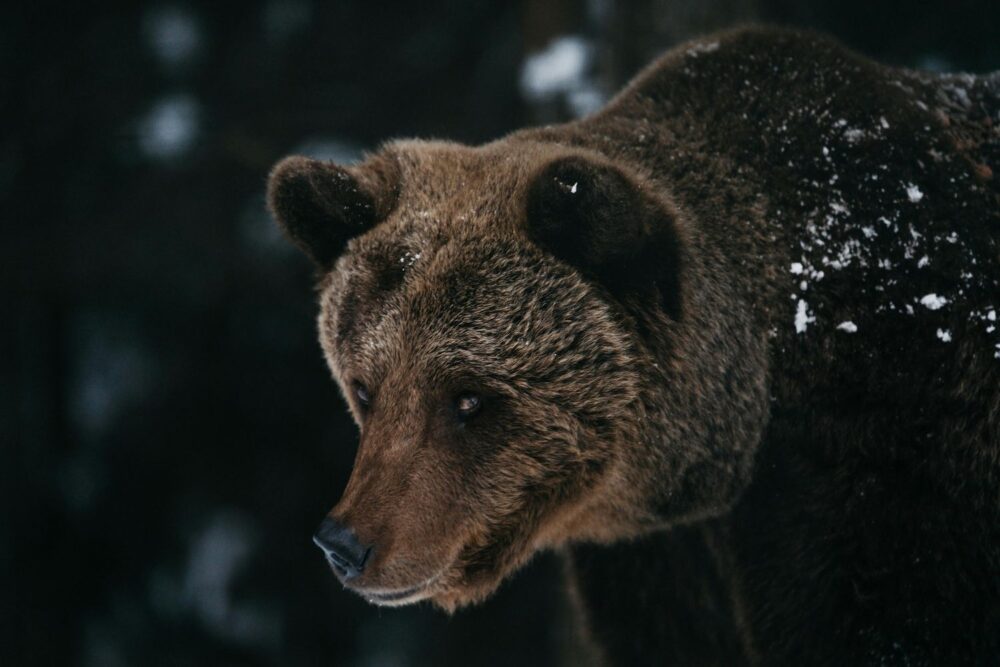
Slowing down gives both you and the animal time to assess the situation. Sudden movement is often what escalates encounters, especially in low light when reactions are already delayed.
Creating distance reduces perceived threat and lowers stress on both sides. Most animals want space, not confrontation, and will retreat if they see a clear path away.
This rule applies whether you’re walking, biking, or driving. Extra seconds and extra space allow instinctive fear to pass, making safer decisions possible for everyone involved.
Follow us and access great exclusive content every day
7. Body language matters more than people think

Animals read posture and movement, even in dim light. Facing directly, making yourself appear larger, or blocking escape routes can increase tension.
Calm, deliberate movement signals less threat. Avoid sudden gestures and give the animal room to move away safely.
8. Vehicles add another layer of risk at dusk
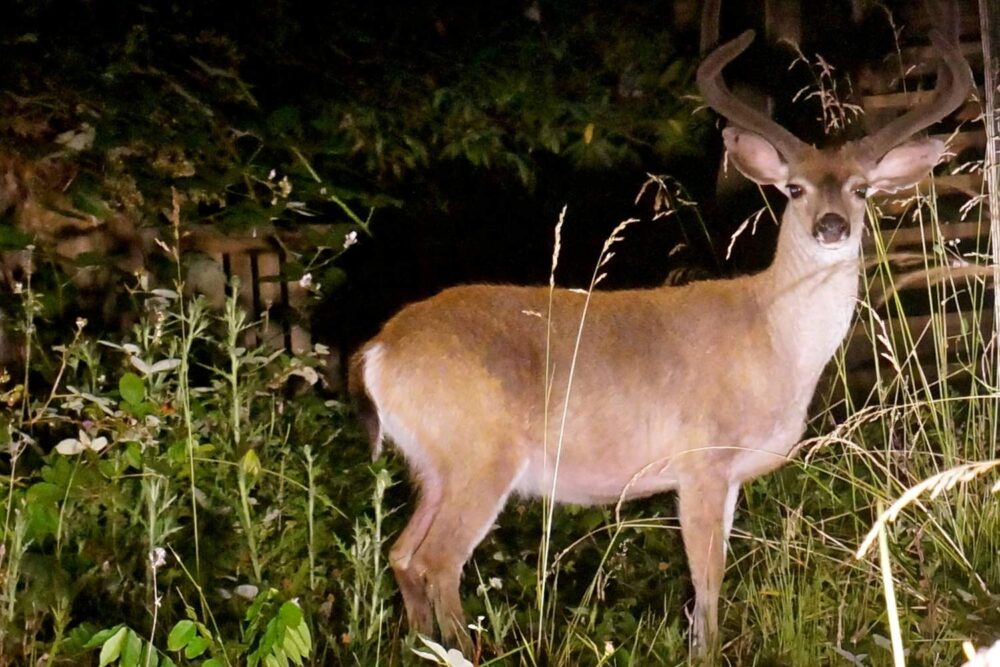
Deer and other animals are especially active near roadways during this time. Headlights can freeze animals in place or disorient them.
Slowing down and scanning road edges is critical. Many collisions happen because drivers assume animals will react predictably.
9. Dogs and children change encounter dynamics

Animals may perceive dogs as threats or prey, especially in low light. Children’s quick or unpredictable movements can also draw attention.
Keeping dogs leashed and children close reduces risk. Control and awareness matter more at dusk than at any other time.
10. Familiar places can still be risky during this window
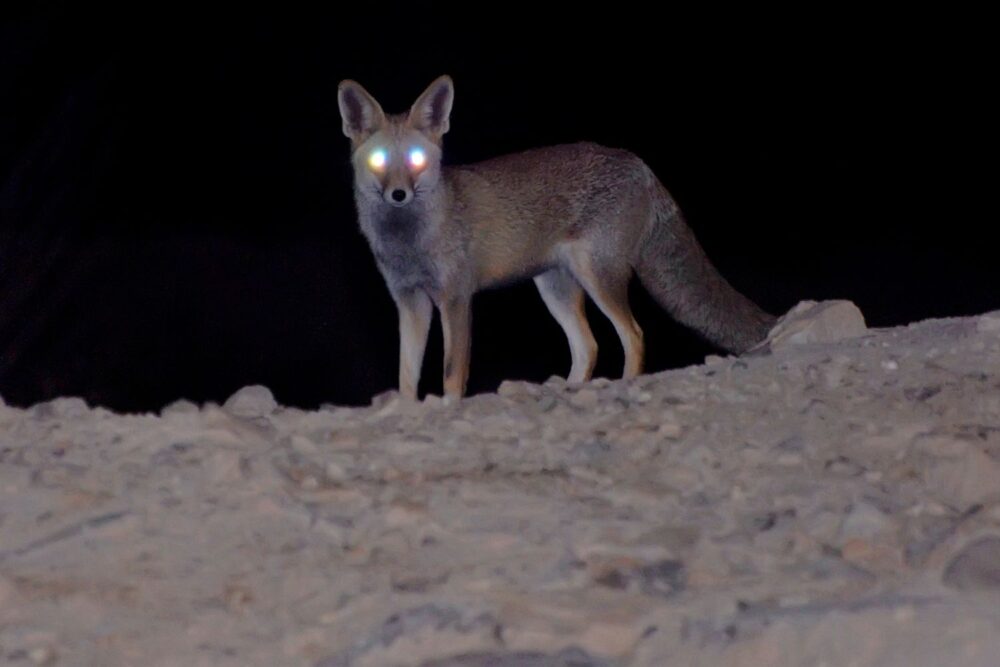
Backyards, parks, and neighborhood paths feel safe because they’re familiar. At dusk, wildlife often uses these same areas to move quietly.
Assuming familiarity equals safety leads to complacency. Timing matters more than location during this narrow window.
11. Awareness at dusk protects both people and wildlife

Most wildlife encounters don’t need to end badly. Animals are usually trying to pass through, not confront.
By slowing down, creating space, and staying alert at dusk, people reduce stress on wildlife and lower their own risk. This small shift in behavior can make a real difference.