
Wildlife officials explain how the right response can dramatically reduce the risk of an attack.

Mountain lion encounters are rare, but when they happen, your response can determine the outcome. Wildlife experts say most dangerous situations escalate because people react instinctively by running or panicking. Understanding how mountain lions assess threats—and how to respond calmly—can significantly reduce risk. From hikers and trail runners to homeowners near wildland areas, knowing expert-backed guidance can turn a frightening encounter into a controlled one. The most important factor isn’t strength or speed, but deliberate behavior that prevents triggering a predator’s chase instincts.
1. Stop moving and stay calm.
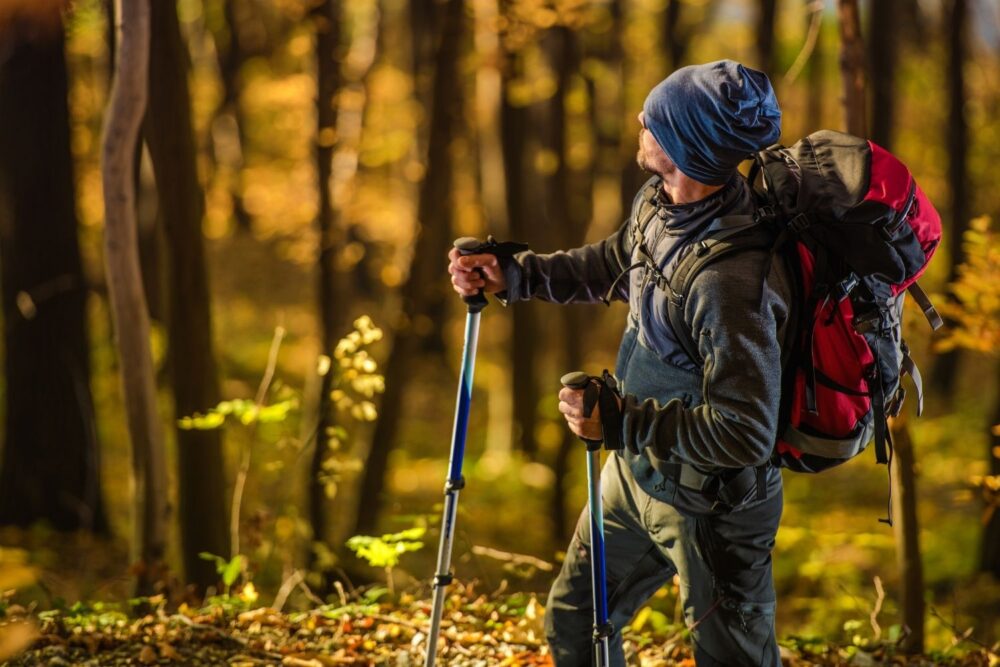
Wildlife experts say the first and most critical step during a mountain lion encounter is to stop moving and remain calm. Sudden motion can immediately trigger a chase response in an ambush predator. Freezing allows you to assess the animal’s behavior and position without escalating the situation. Take slow breaths, stay upright, and focus on maintaining awareness rather than reacting emotionally.
Most mountain lions avoid humans and retreat on their own. Panic-driven movement increases risk. Remaining calm communicates that you are not prey and gives the animal time to disengage. This controlled response forms the foundation for every other safety step experts recommend.
2. Do not run under any circumstances.

Running is one of the most dangerous reactions during a mountain lion encounter. Wildlife officials consistently warn that fleeing activates a lion’s instinct to chase. Mountain lions are built for speed and agility, and even a short run can provoke pursuit. Humans cannot outrun them, especially on uneven terrain.
Standing your ground may feel unnatural, but it reduces risk significantly. By not running, you avoid triggering predatory behavior and keep the encounter from escalating. Experts stress that remaining still or moving slowly is far safer than attempting to escape quickly.
3. Make yourself look larger and confident.

Experts advise making yourself appear as large and imposing as possible. Raise your arms, open your jacket, or lift a backpack overhead to increase your apparent size. Maintain an upright posture and square your shoulders toward the animal. These actions can make a mountain lion reassess whether you pose a threat.
Mountain lions evaluate risk before approaching. Appearing larger and confident discourages them from advancing. Combined with calm behavior, this visual display often convinces the animal to retreat rather than continue the encounter.
4. Maintain eye contact without acting aggressive.
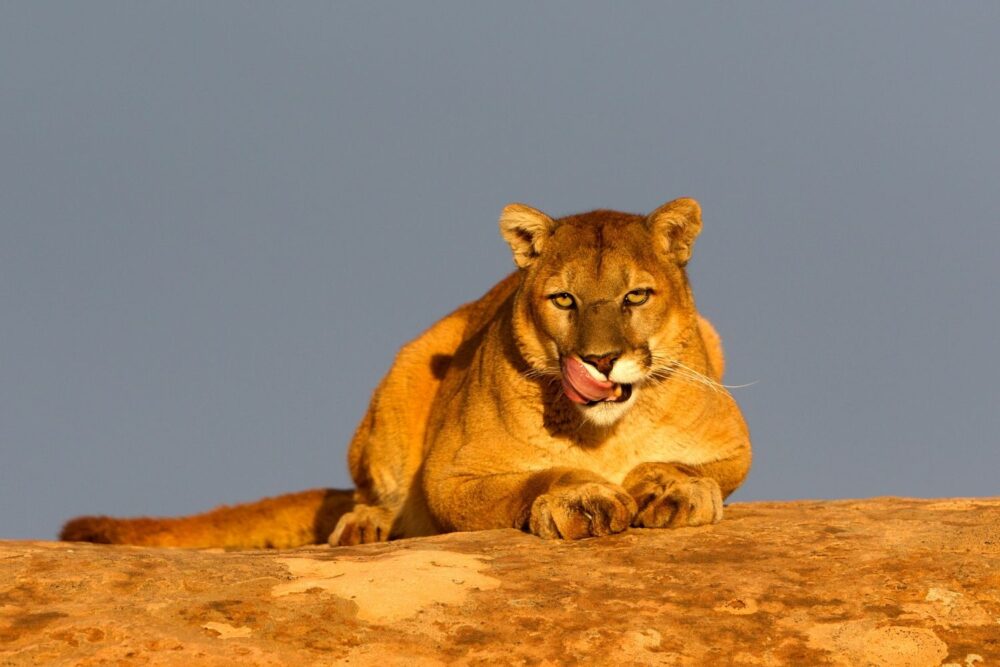
Wildlife experts recommend keeping the mountain lion in sight at all times. Maintaining eye contact signals awareness and reduces the chance of the animal approaching from behind. However, avoid exaggerated staring or aggressive gestures that could be interpreted as a challenge.
The goal is steady vigilance, not confrontation. Track the lion’s movements with controlled head motion while keeping your body facing it. Losing sight of the animal increases uncertainty and danger, especially in wooded or uneven environments.
5. Speak firmly and back away slowly.

Using a calm, firm voice helps reinforce that you are human and alert. Experts suggest speaking clearly or making low, steady sounds rather than yelling or screaming. A controlled tone signals confidence without provoking aggression.
At the same time, begin backing away slowly. Avoid sudden steps or turning your back. The objective is to create distance while maintaining control of the encounter. This measured retreat often encourages the mountain lion to disengage.
6. Pick up children or keep them close.

If children are present, wildlife officials say they should never be allowed to run. Lift small children onto your shoulders if possible, making them visible and increasing your overall size. Keep them calm and close to your body.
Fast, unpredictable movement can attract a predator’s attention. Presenting a single, upright figure rather than multiple moving targets reduces risk. Experts emphasize that managing children’s movements is critical to keeping the encounter from escalating.
7. Do not crouch or bend down.

Crouching makes you appear smaller and more vulnerable, which increases danger. Experts warn against bending over to pick up items or adjust gear during an encounter. Remaining upright is essential to maintaining a strong presence.
Mountain lions assess posture when deciding whether to approach. Standing tall communicates confidence and reduces the likelihood of attack. Even brief crouching can send the wrong signal, making this a critical behavior to avoid.
8. Use objects to reinforce your presence if needed.

If a mountain lion continues to approach, experts recommend using objects to reinforce your size and presence. Wave a jacket, trekking poles, or backpack slowly and deliberately. These movements should appear controlled, not frantic.
In some cases, tossing objects near—but not directly at—the animal can discourage further movement. The goal is intimidation, not aggression. Purposeful actions signal that you are alert and prepared, often causing the lion to retreat.
9. Fight back if an attack occurs.

Although extremely rare, if a mountain lion attacks, wildlife officials agree that fighting back is essential. Use any available objects, including sticks, rocks, or tools, and protect your head and neck. Do not play dead.
Many documented survivors escaped by resisting forcefully. Mountain lions can be deterred by resistance, especially when the human appears aggressive and determined. Experts emphasize that active defense significantly improves survival chances.
10. Leave the area slowly once the lion disengages.

If the mountain lion retreats or loses interest, continue backing away slowly while maintaining awareness. Do not assume the encounter is over until you have reached a safe distance. Avoid sudden movement even as the animal withdraws.
Experts advise leaving the area completely once it is safe. Remaining nearby increases the risk of another encounter, especially in known habitat. Creating distance is key to ending the situation safely.
11. Report the encounter to wildlife authorities.

Wildlife agencies encourage reporting mountain lion encounters, particularly if the animal approached closely or behaved unusually. These reports help officials monitor activity patterns and manage human–wildlife interactions more safely.
Reporting is not about removing animals unnecessarily. It provides valuable data that helps prevent future incidents. Accurate information supports both public safety and responsible wildlife management.