
Most of your daily routine depends on something you can’t see and don’t own.

It’s woven into your routines so tightly that you barely notice it—until you try to go without it. The internet isn’t just a tool anymore. It’s a backdrop, a scheduler, a middleman, and a reward system. From the moment you wake up to the second you fall asleep, it holds your attention, fills your calendar, and filters your social life. And if it vanished overnight? The ripple effects would be stranger than most people expect.
Some shifts would feel liberating. Others would leave you disoriented. Because so many everyday habits, from shopping to socializing to relaxing, weren’t shaped around your needs—they were shaped around what the internet makes convenient. It’s not just about losing Google or TikTok. It’s about realizing how much of your behavior only exists because the internet did.
1. Doomscrolling would finally stop.
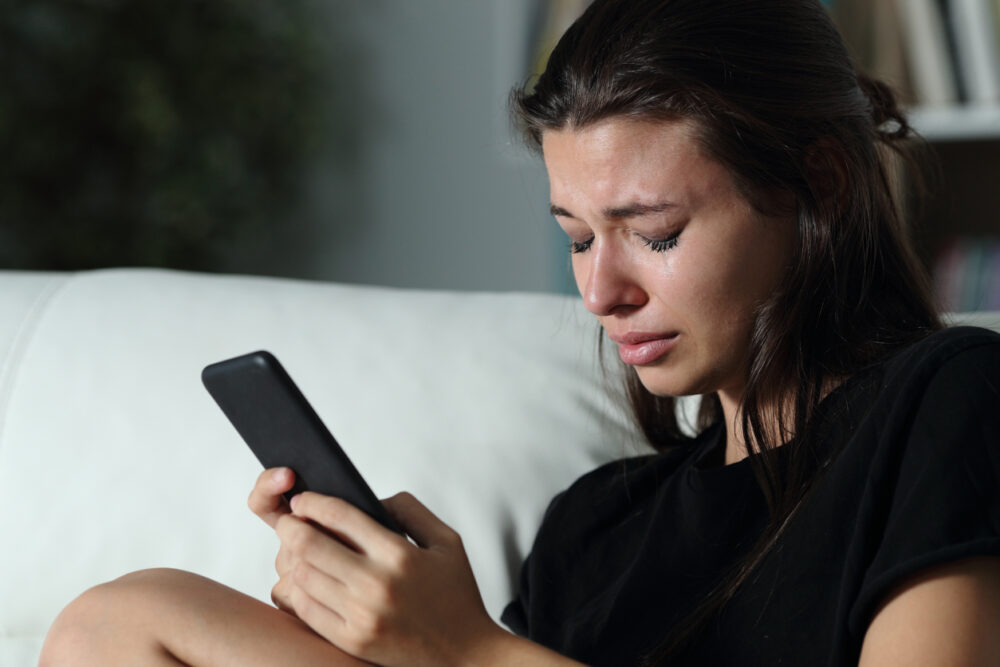
The habit of scrolling through upsetting headlines, tragic stories, or political disasters isn’t something we naturally do—it’s something the internet engineered. Without constant access to news feeds, algorithmic outrage, and 24/7 updates, the entire ritual of doomscrolling would collapse overnight. You’d still hear about major events, but the minute-by-minute breakdowns and emotional spirals would vanish. There would be no comment threads to refresh, no endless cascade of horrors tailored to your anxiety. Without the internet, distress wouldn’t come in curated snippets—it would come slower, with fewer clicks, and a lot more space in between.
2. Online shopping sprees would disappear.

No more late-night cart filling. No more packages arriving before you remember what you ordered. The internet made impulse buying a hobby, not just a convenience. Take that away, and the frenzy halts. Shopping would mean planning again—leaving the house, talking to a human, checking store hours. The spontaneous dopamine rush of “Buy Now” would fade, replaced by errands and effort. And without targeted ads popping up after every thought, there’d be less temptation to want things you never needed in the first place.
3. Influencer culture would collapse in an instant.

Without platforms to perform on, the concept of an influencer becomes meaningless. No likes, no metrics, no curated audience to impress. The personas built for internet fame would lose their stage entirely. People who once made a living off lifestyle content would have to pivot fast—or vanish. And followers, no longer fed a constant diet of idealized lives, might start to rethink what actually makes someone worth admiring. It wouldn’t just end a trend—it would change how we measure influence, beauty, and success altogether.
4. Group chats would go eerily silent.

It’s not that friendships would end. But the constant background noise of group chats—memes, updates, plans, venting—would fall quiet without internet access. Communication would shift back to occasional phone calls or physical meetups, with less daily commentary. Inside jokes would die off faster. Quick check-ins would take more effort. Some connections would actually deepen. Others would dissolve from lack of momentum. Without the digital thread keeping people in each other’s pockets, friendships would either solidify or fade.
5. Streaming as background noise would vanish.

No Spotify. No Netflix. No YouTube rabbit holes. For many, the internet became an invisible roommate—always talking, always playing, always filling silence. Without it, that hum disappears. People would rediscover boredom—or maybe actual quiet. Some might turn to books, others to radio or TV. But the endless supply of on-demand background noise would be gone, and with it, the comforting distraction it provides. It wouldn’t just be a change in entertainment—it would be a shift in how people tolerate stillness.
6. Your calendar would stop syncing itself.

Digital calendars rule modern time management. Without the internet, automated reminders, shared schedules, and synced invites would all vanish. You’d be left with notebooks, whiteboards, or—gasp—actual phone calls to make plans. Scheduling wouldn’t be something passively absorbed from a ping. It would require active upkeep and communication. People would miss more appointments, double-book less often, and forget birthdays again. That little illusion of total control over your time? Gone. And in its place, a clunkier but more conscious relationship with how days are shaped and spent.
7. Recipe hunting would go back to cookbooks.

The scroll, screenshot, and save routine for dinner ideas would end. Without Pinterest boards or food blogs, inspiration would come from printed pages or passed-down instructions. Cooking would feel less trendy and more tactile again—no more video loops or sponsored hacks. People would return to trusting a handful of reliable meals, instead of endlessly chasing novelty. And without easy access to niche ingredients and step-by-step tutorials, cooking would become more intuitive, more local, and a little less performative.
8. Dating apps would be replaced by awkward eye contact again.
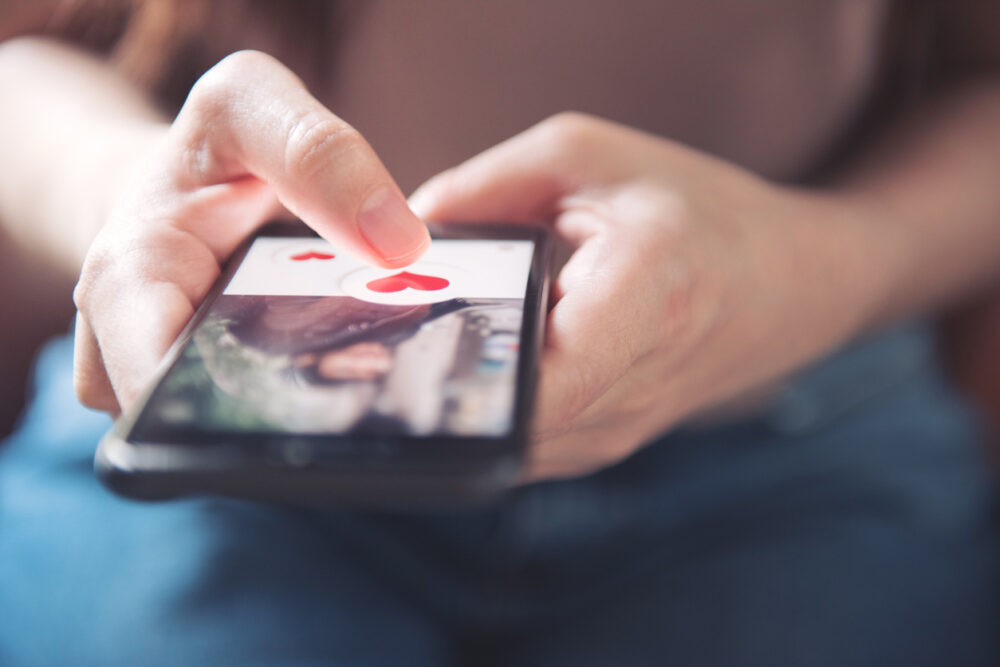
No more swiping, no more curated bios, no more meeting people based on mutual love of oat milk and sarcastic banter. Dating would return to the analog world—friends of friends, bars, coffee shops, or serendipitous conversation in public. That means more vulnerability, slower pacing, and fewer options at once. It also means less ghosting and more follow-through. The internet turned dating into an on-demand buffet; without it, every connection would cost more effort—and probably mean more because of it.
9. Remote work would shrink back to a rare perk.

Working in pajamas, Zoom meetings, Slack threads—all of it would disappear if the internet went down. Most remote jobs would revert to office-only roles, and digital nomadism would become impossible overnight. That would mean longer commutes, more rigid schedules, and less flexibility for millions. But it would also rebuild clearer boundaries between work and home, even if it came at the cost of autonomy. The freedom to answer emails from anywhere didn’t come without a price—and losing that convenience might also relieve some pressure.
10. Real-time updates on everything would just… stop.
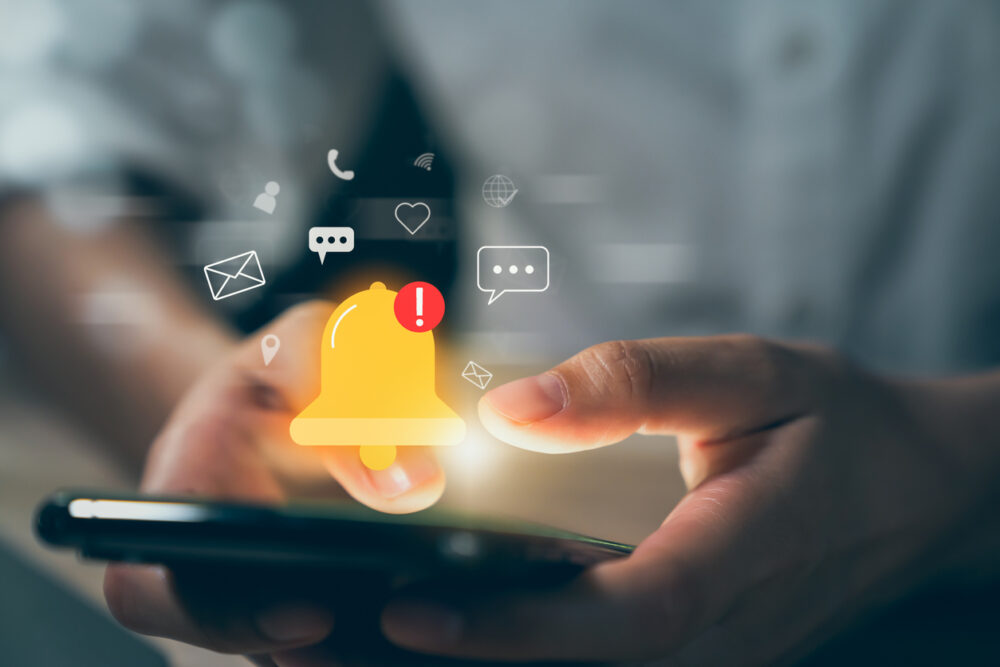
You wouldn’t know the exact moment a celebrity posts something weird, when a new product drops, or if a storm’s rolling in. The endless scroll of “what’s happening right now” would freeze. News would slow down. Trends would take days, not hours, to catch on. And without push notifications keeping you in the loop, most things would arrive late—or not at all. That disconnection could feel disorienting at first. But it would also bring relief from the mental clutter that constant updates create.
11. Your cloud storage would become a black hole.

Without the internet, everything you’ve saved “somewhere out there”—photos, documents, passwords, backups—would be unreachable. The cloud would stop being a magic drawer you never have to organize and turn into a locked cabinet with no key. Many people wouldn’t even know what they lost until they needed it. Decades of memories, work, and records would suddenly feel fragile. We’ve offloaded so much of our brain to cloud storage that losing it wouldn’t just be inconvenient—it would be a memory wipe. The illusion of permanence would vanish, and with it, a quiet dependence most never realized they had.