
Experts say a global internet shutdown could paralyze communication, collapse markets, and test modern society’s limits within hours.
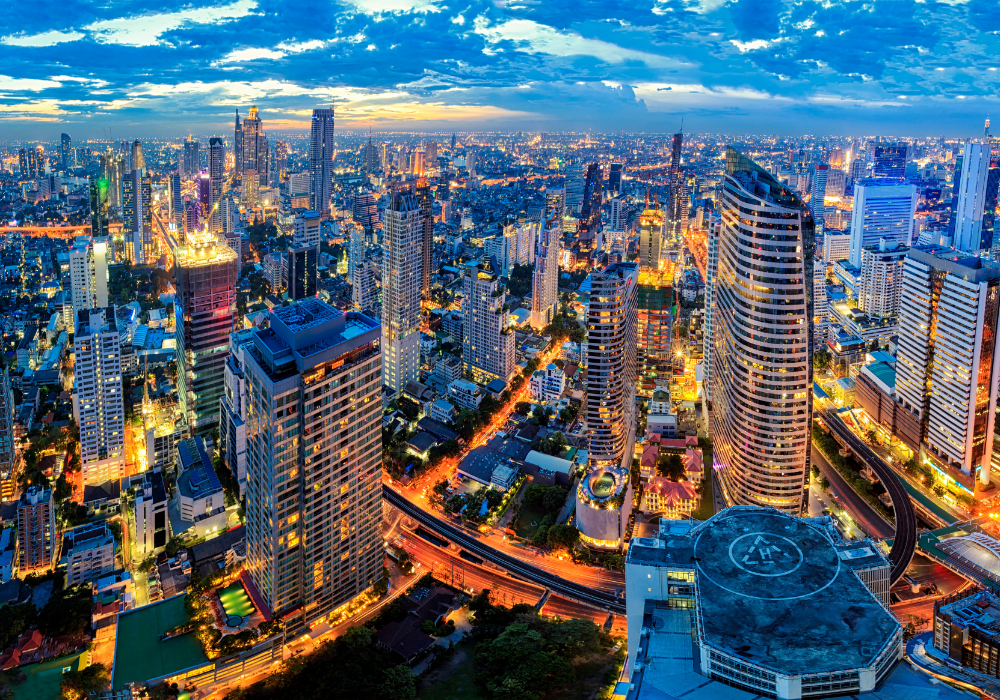
Nearly every part of daily life now depends on a constant internet connection—from banking and hospitals to shipping routes and power grids. But what if, suddenly, it all went dark? Cybersecurity experts warn that a worldwide internet crash, whether from a massive solar storm, cyberattack, or critical network failure, could bring civilization to a standstill within hours. Here’s what would likely happen—and how quickly the effects would spread across every corner of modern life.
1. The World Would Lose Communication Within Minutes

Email, messaging apps, and cloud-based services would go silent almost immediately. Undersea fiber-optic cables, data centers, and domain servers handle more than 90% of the world’s digital communication. If the global network failed, phone systems using Voice over Internet Protocol would also collapse.
Traditional landlines and radio networks could still function, but few people rely on them today. Social media, streaming, and workplace collaboration tools would all vanish—instantly cutting off billions of people from the primary channels of information, work, and connection that modern life depends on.
2. Global Financial Systems Would Freeze

Within the first hour, financial markets would grind to a halt. The U.S. Federal Reserve, international stock exchanges, and major banks all rely on the internet for data transfer and trading. According to the Bank for International Settlements, over $7.5 trillion in transactions move online daily.
Without network access, credit cards, ATMs, and online banking would fail. Global supply chains would lose payment verification, halting shipping and trade. Even local transactions would struggle as point-of-sale systems depend on real-time connections to verify purchases and prevent fraud.
3. Air Travel and Logistics Would Come to a Standstill
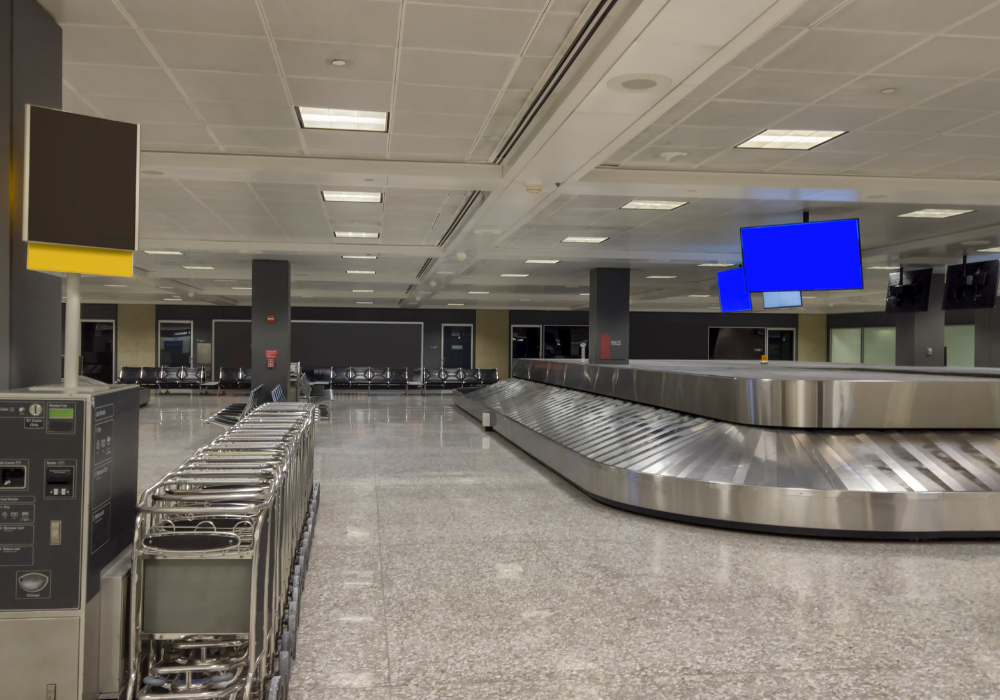
Air traffic control, GPS navigation, and flight scheduling systems are deeply internet-reliant. A crash would ground most flights within hours as communication between aircraft and centralized databases failed. The Federal Aviation Administration and its global counterparts depend on real-time coordination through digital networks.
Trucking and shipping would also slow to a crawl. Modern logistics run on GPS tracking and electronic manifests. Without those systems, ports would clog, and deliveries would stop as drivers lost routing data and scheduling systems went dark.
4. Power Grids Would Face Dangerous Instability
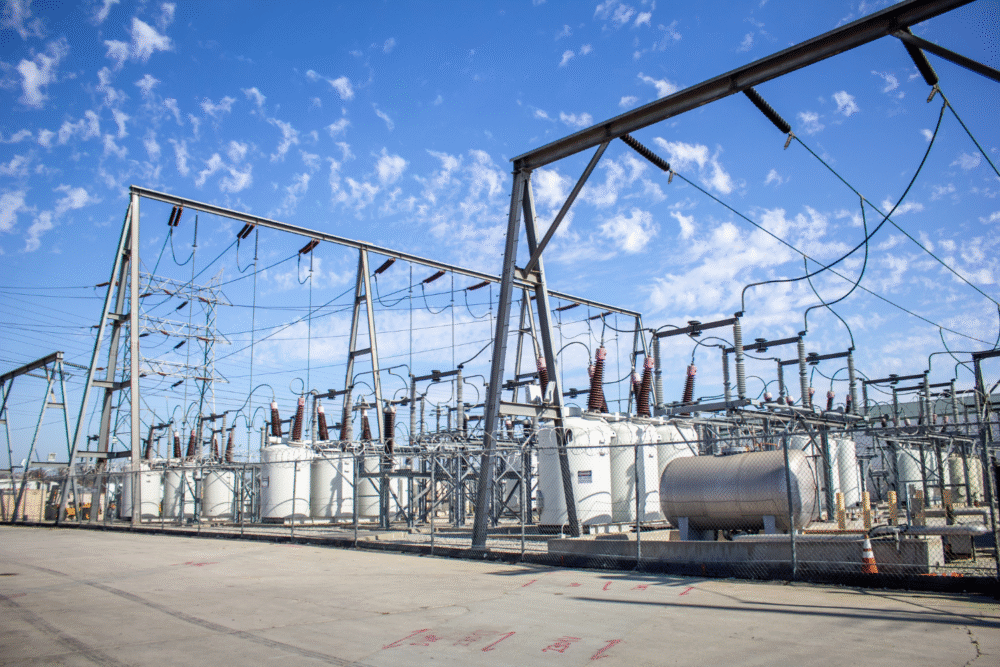
Power generation itself wouldn’t stop immediately, but monitoring and load-balancing systems would. According to the U.S. Department of Energy, most modern grids rely on digital controls linked to secure internet networks for real-time management.
Without remote access, operators would struggle to balance supply and demand, increasing the risk of localized blackouts or overloads. Utilities would have to revert to manual operation—possible, but slow and risky. The longer the outage persisted, the greater the danger of cascading failures affecting entire regions.
5. Hospitals Would Lose Digital Records and Coordination

Hospitals depend on electronic medical records, networked diagnostic equipment, and online coordination for prescriptions and emergency response. A sudden outage would leave staff without patient histories, lab results, or digital imaging.
Emergency calls and ambulance routing—often handled via internet-connected GPS—would also fail. While backup power systems could sustain critical machines, data access would be lost. The World Health Organization warns that even short digital outages can disrupt care delivery and medication tracking, especially in hospitals linked across regional networks.
6. Food Supply Chains Would Disrupt Within a Day
Supermarkets and food distributors rely on real-time inventory systems and automated logistics. A global internet crash would halt deliveries, disable payment systems, and prevent restocking within 24 hours.
The U.S. Department of Agriculture estimates that major cities have only three to five days of food on hand. Without internet coordination, warehouses couldn’t process orders or track shipments. Consumers, unable to use credit or debit cards, would face panic buying that could empty stores before new deliveries arrived.
7. Emergency Services Would Struggle to Coordinate

Police, fire, and rescue services increasingly use cloud-based dispatch systems and GPS-enabled communications. Without these networks, coordination would revert to radio and manual mapping. That would slow response times dramatically.
While some radio systems and local servers could operate independently, national databases—like missing persons, criminal records, or hazard alerts—would be unreachable. During past internet outages, even brief ones, agencies reported confusion and overlapping responses. A sustained global crash could reduce efficiency and endanger lives.
8. Governments Would Lose Real-Time Functionality

Governments depend on online networks for everything from tax collection to military coordination. According to the United Nations’ e-Government Survey, over 85% of member nations now conduct essential operations online.
Without internet access, administrative services—like social security, licensing, and immigration control—would stop processing data. Defense systems using satellite-linked communications would still function to some extent, but coordination across agencies would be severely impaired. The collapse of digital bureaucracy would paralyze most modern states within days.
9. News and Information Would Become Fragmented

With digital communication gone, the global news cycle would collapse. Television and radio could still broadcast, but most rely on internet-linked feeds and digital reporting systems.
Disinformation would spread quickly through word of mouth. Without centralized verification or online databases, rumors and panic could replace credible reporting. The public would lose access to official updates, while emergency alerts sent through digital networks would fail to reach billions.
10. The Global Economy Would Spiral Into Chaos

Within 48 hours, trade and production would grind to a halt. The International Monetary Fund estimates that over 60% of global GDP now depends on digital infrastructure. Stock prices, currency exchange, and supply chains all rely on constant online coordination.
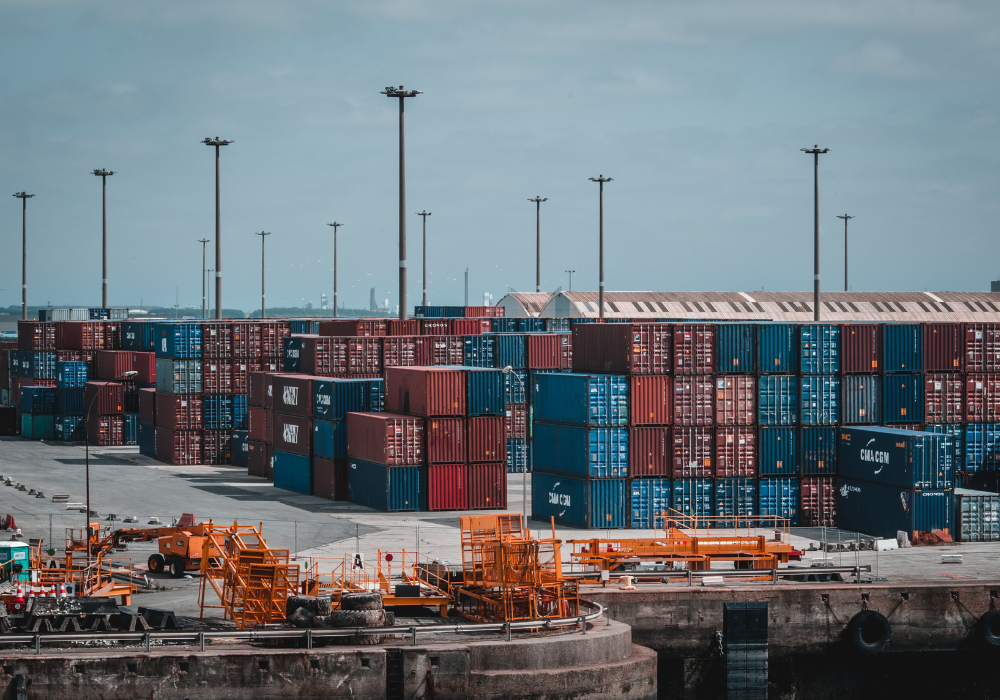
Without these systems, shipping containers would sit idle, and manufacturing lines would stop as automated processes lost data connections. Economic analysts predict even a week-long internet shutdown could trigger global recession-level losses, with full recovery taking months or years.
11. Social Order Would Begin to Fracture

As communication and commerce collapsed, public frustration would rise. Panic buying, misinformation, and fear of prolonged outage could lead to unrest in major cities. Studies of past regional blackouts show how quickly anxiety can spread when information and access to money disappear.
Local governments and communities might band together, but without clear communication, coordination would break down. In densely populated regions, law enforcement and supply shortages could spark conflict within days.
12. Recovery Would Be Slow and Uneven

Restarting the internet would not be as simple as flipping a switch. Restoring global connectivity requires synchronization between data centers, satellites, and routing infrastructure across dozens of countries.
Cybersecurity experts note that rebooting systems after a full crash could take weeks or months, depending on the cause. During that time, economies would be frozen, and social networks fragmented. While complete collapse remains unlikely, the exercise reveals how tightly civilization depends on a system most people take for granted every day.