
Travel experts say this overlooked step can speed up recovery, increase compensation, and prevent major headaches later.

When an airline loses your luggage, it’s easy to feel panicked or rushed—especially after a long flight. But travel experts say what you do in those first few minutes at the airport can make a huge difference in how quickly your bag is found and how smoothly the reimbursement process goes. Most travelers don’t realize that airlines follow strict rules for handling missing bags, and taking one key step before leaving the terminal can save you time, money, and frustration later.
1. Report the Missing Bag Before Leaving the Airport
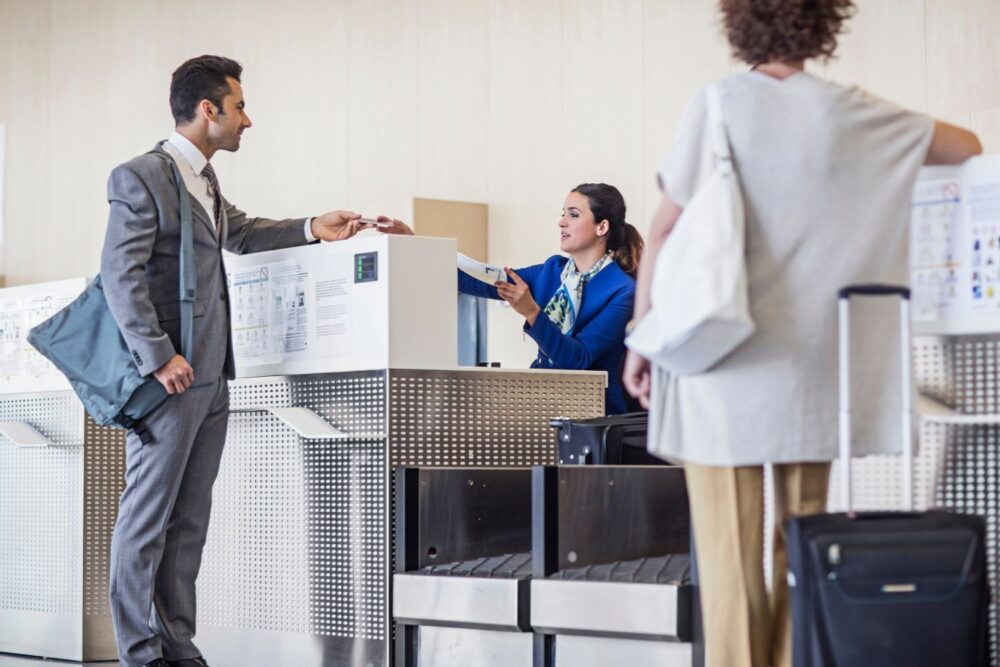
The most important step is filing a missing baggage report right away. Airlines require this before they can begin tracking your suitcase, and skipping it may delay the search by hours or even days. A verbal complaint isn’t enough—you need an official file number to move the process forward.
Once the report is filed, the airline enters your information into its central tracking system, which alerts multiple teams to begin looking for your bag. Filing early ensures your claim is logged while staff and systems are still organized around your arriving flight.
2. Ask for a Printed Copy of the Property Irregularity Report

After filing, always ask for a printed copy of the airline’s Property Irregularity Report. This document proves you reported the missing bag at the correct time and place, and it includes a unique reference number you’ll need later.
If there’s ever a dispute about when you notified the airline, this paperwork protects you. It also lists your bag’s description, your contact details, and the airline’s follow-up responsibilities, making it far easier to track progress and follow up with customer service.
3. Confirm That the Airline Linked Your Bag Tag Number
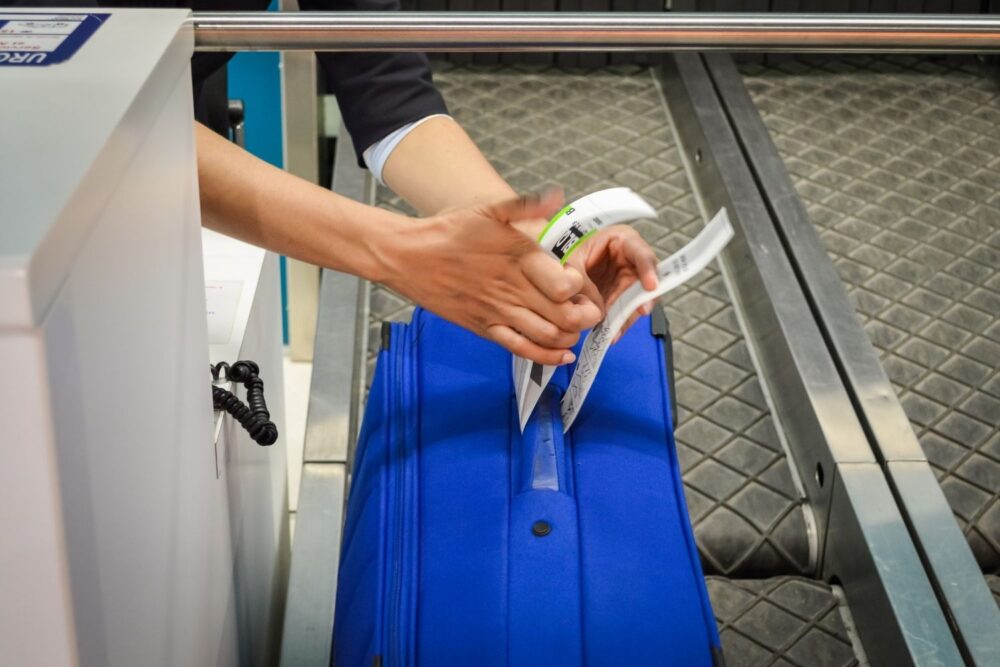
Your bag tag number is the barcode sticker you received at check-in, and it’s the fastest way for the airline to locate your luggage worldwide. Make sure the airport agent enters it correctly during your report.
Without this number, the airline must rely on manual searches or loose descriptions, which can slow down the process. When properly scanned, the tag allows the airline to see the bag’s last known location and immediately flag any mismatches between passengers and luggage on connected flights.
4. Check Whether Your Bag Was Loaded on the Plane
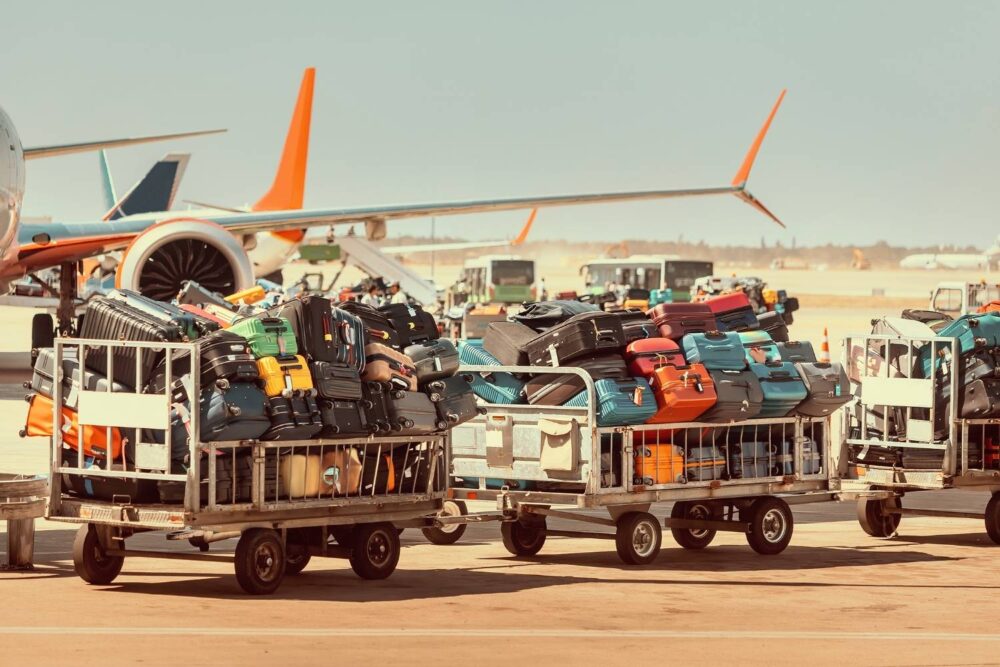
Sometimes lost luggage isn’t actually lost—it simply wasn’t loaded. Airlines can usually confirm within minutes whether your bag made it onto your flight by checking internal loading reports and scanning records.
If your bag never boarded, the airline often knows exactly where it is and can arrange for the next available flight. This early information can reduce stress and help you understand the likely timeline for delivery, especially on international routes where baggage handling systems are more complex.
5. Ask About Immediate Compensation for Essentials

If your luggage is delayed, many airlines offer reimbursement for essential items such as toiletries, basic clothing, or medication. Policies vary, but agents can explain what is covered and how to submit receipts.
Getting this information before you leave the airport is important because some airlines require that you notify them before purchasing replacement items. Knowing the rules up front helps you avoid paying out of pocket for expenses the airline would otherwise cover.
6. Provide a Clear, Detailed Description of Your Bag
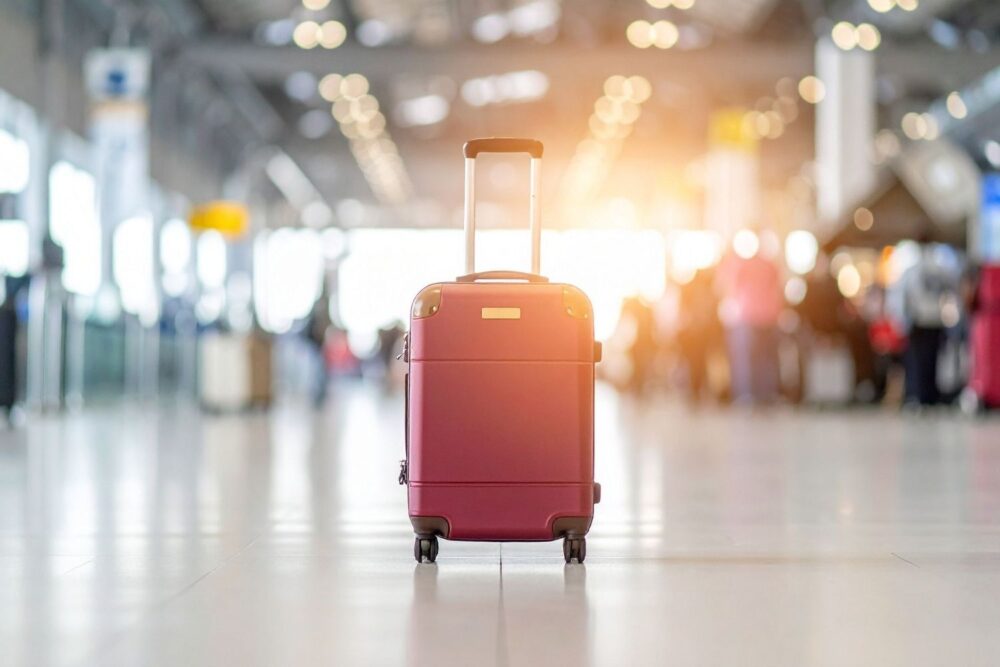
Airline staff rely heavily on the description you give them to identify your luggage among thousands of similar suitcases. Include the brand, size, color, material, and any noticeable features like straps, stickers, or patches.
A detailed description helps baggage teams flag possible matches faster and reduces the risk of someone else mistakenly claiming your bag. The more specific you are, the easier it is for airline systems—and human search teams—to pinpoint your suitcase in congested baggage rooms.
7. Verify How and When Your Bag Will Be Delivered

Most airlines deliver delayed luggage directly to your hotel or home at no extra cost, but it’s important to confirm the procedure before leaving the airport. Ask how delivery is scheduled, whether someone must be present, and how updates will be communicated.
This information can help you plan the rest of your trip and avoid unnecessary waiting. Clear expectations also prevent confusion if your bag arrives late at night or requires a signature.
8. Make Sure Your Contact Information Is Correct
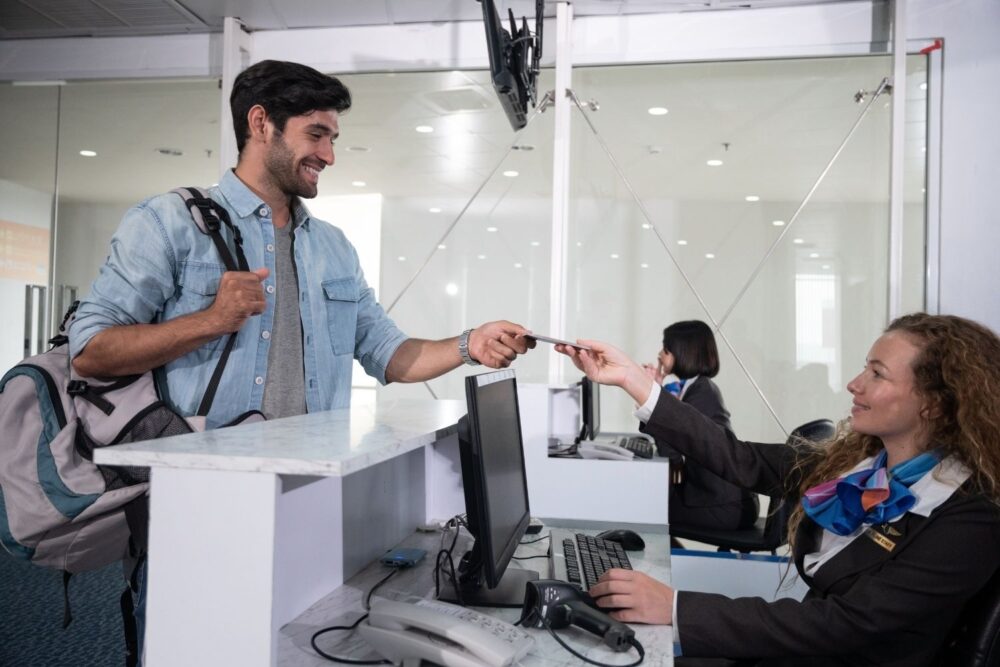
Missing bags are often found quickly, but delivery can be delayed if your phone number or address is incorrect. Before leaving the counter, double-check that the airline entered your details accurately, especially if you’re traveling internationally.
Providing a secondary contact method—such as your hotel or email—can help ensure the airline reaches you as soon as your luggage is located. Accurate contact information is one of the simplest but most overlooked steps in speeding up the reunion process.
9. Take Photos of Your Claim Documents and Bag Tag

It’s a good habit to take photos of your baggage claim documents and the bag tag sticker before you walk away. These images act as backups if the paperwork gets misplaced and give you everything you need to follow up with customer service.
Photos also help you stay organized if you need to file additional claims for compensation. Having digital copies on your phone saves time and prevents delays caused by missing information later.
10. Track Your Luggage Through the Airline’s System

Most airlines now allow passengers to track delayed luggage through their website or app. Using this tool can give you real-time updates on your bag’s status, including when it’s located and when it’s out for delivery.
Checking regularly helps you stay informed and reduces the need for repeated calls to customer service. It also ensures that if something changes—such as a reroute or customs delay—you know what to expect and can plan accordingly.