
Rising seas driven by polar ice melt threaten key coastal cities around the globe today.

The accelerated melting of polar ice is causing sea levels to rise faster than anticipated, placing numerous coastal cities at serious risk. Urban centers like Miami, New York, and Jakarta face increasing flooding and land loss due to a combination of geographic vulnerabilities and climate change. Understanding these threats helps highlight the urgency for effective adaptation strategies that address both environmental impacts and the complexities of urban infrastructure.
1. Miami faces increasing threats from rising sea levels and coastal flooding.
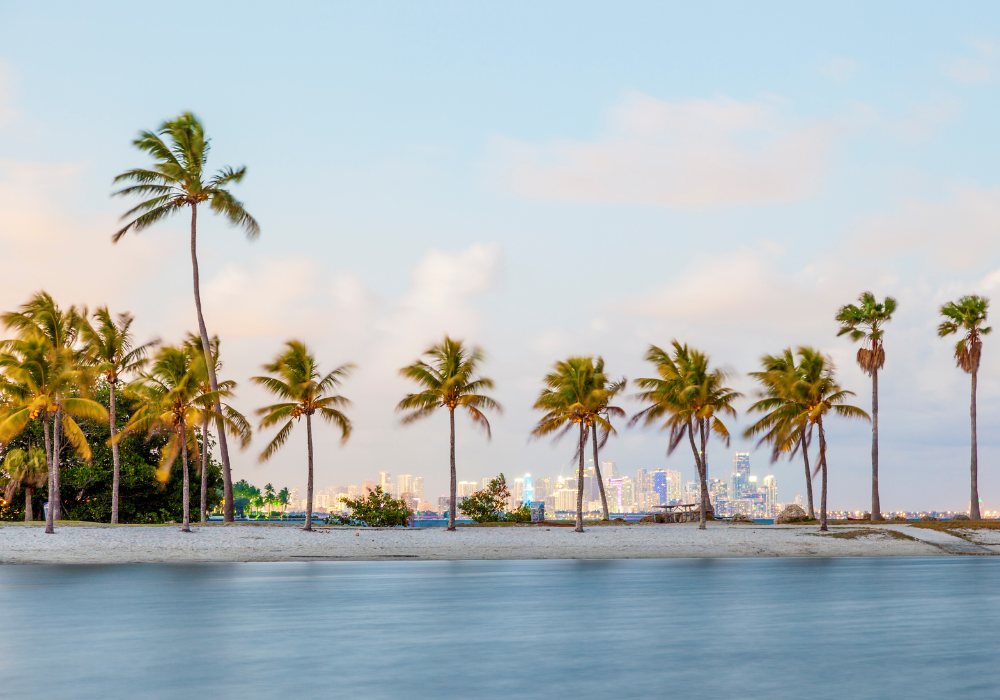
Miami frequently contends with sunny day flooding, where streets fill with water during high tides without a cloud in the sky. The city’s position on porous limestone complicates matters, allowing seawater to rise up through the ground, bypassing traditional barriers.
The city’s renowned nightlife and iconic beaches draw tourists, yet this popularity masks the urgency of its plight. While Miami invests in raising roads and improving drainage, the relentless tide of the Atlantic Ocean keeps pushing forward, highlighting the challenges of balancing economic vitality with environmental realities.
2. New York City struggles with beachfront erosion and worsening storm surges.
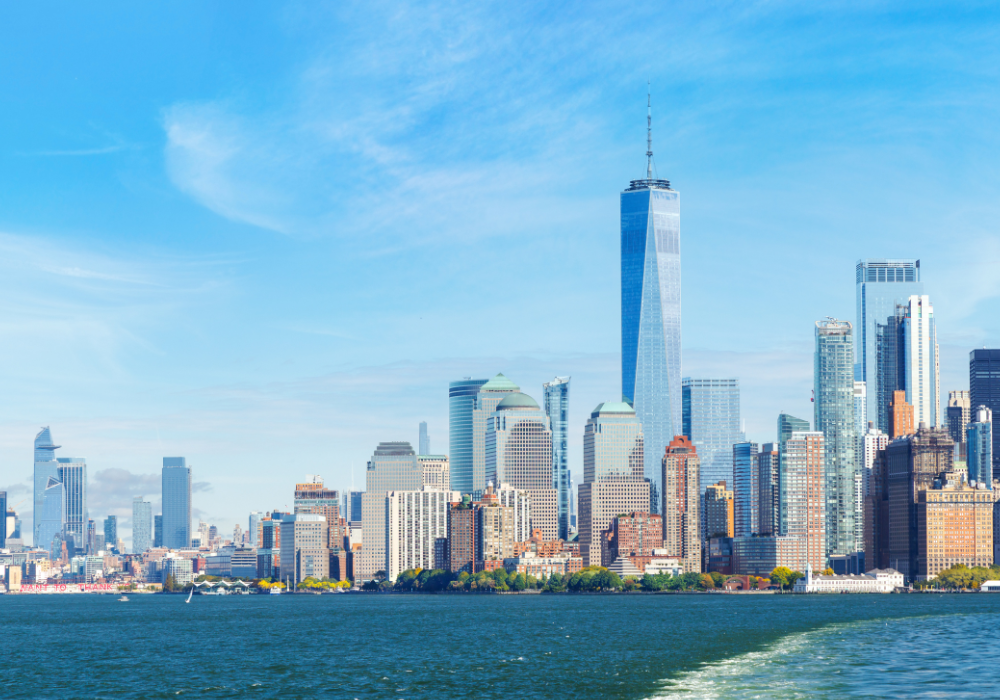
New York City’s extensive shoreline makes it particularly susceptible to climate-change-induced woes. Beachfront erosion is not just a summer concern but a persistent issue, chipping away at the city’s defenses against formidable storm surges.
Home to over 8 million people, the metropolis grapples with safeguarding its diverse communities and economic hubs. Efforts like installing sea walls and restoring wetlands aim to mitigate flooding, but the city’s dense infrastructure can obstruct speedy adaptation to environmental challenges.
3. Bangkok is vulnerable due to its low elevation and dense population.
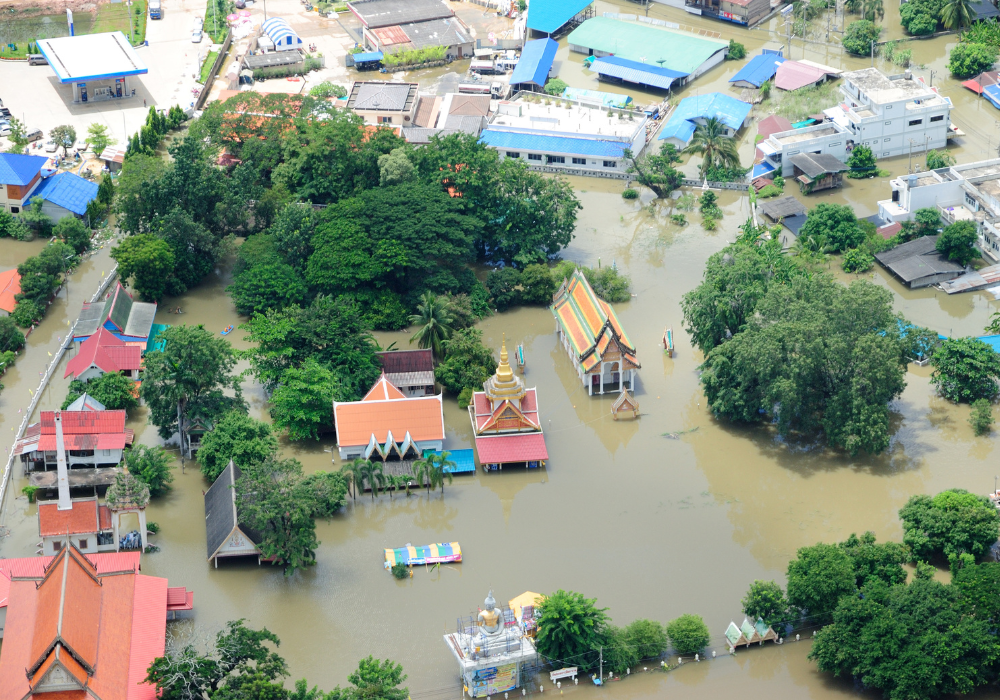
In Bangkok, the Chao Phraya River’s proximity coupled with the city’s low-lying topography intensifies flood risks. A metropolis of approximately 10 million, it relies heavily on a precariously balanced infrastructure to keep water at bay.
Dense population impedes rapid and expansive flood response efforts, as resources often stretch thin. While flood control measures like river embankments and canals exist, severe rainfall events continue to reveal the limits of the city’s defenses against a changing climate.
4. Jakarta experiences rapid land subsidence alongside rising ocean levels.
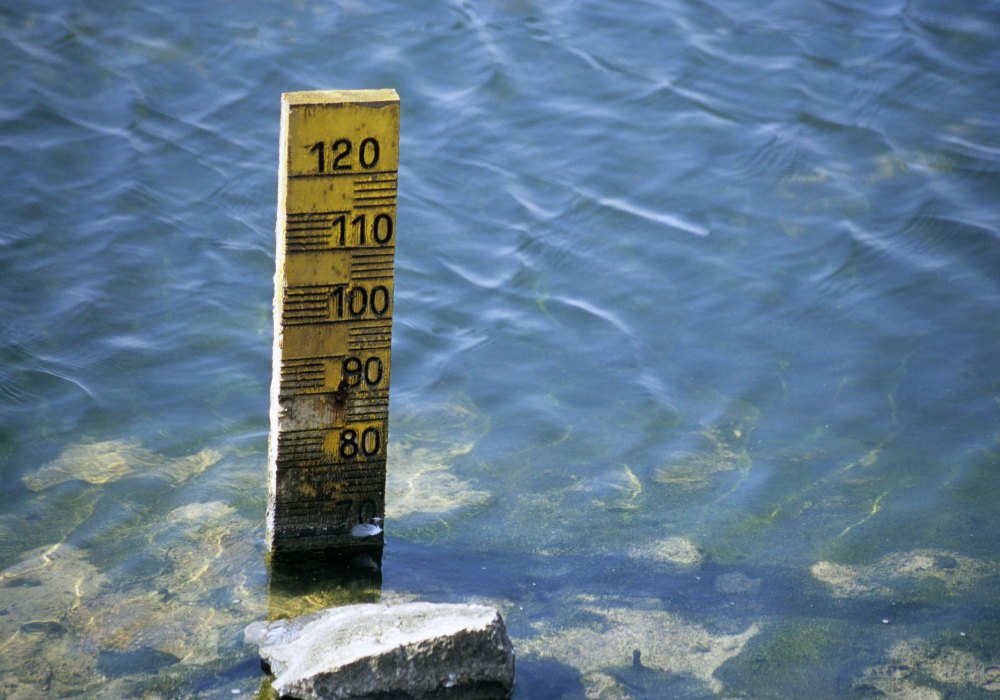
Jakarta is facing a dual threat of land subsidence and rising ocean levels, causing parts of the city to sink faster than the seas rise. This rapid subsidence is driven by excessive groundwater extraction, compounding the tide’s encroachment.
Efforts to control groundwater use are underway, but challenges remain in synchronizing urban growth with sustainable practices. The city’s growing population and economic importance underscore the urgency of finding balanced solutions to these intertwined environmental pressures.
5. Venice endures chronic flooding that threatens its historic canals and structures.
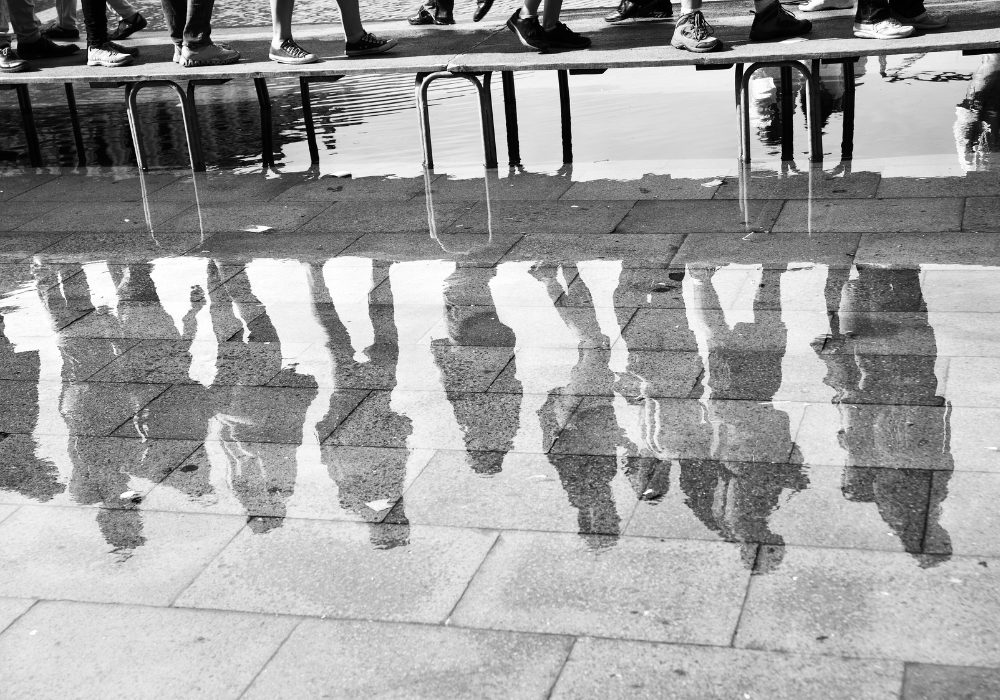
Venice, whimsically known as the City of Canals, now faces the sobering reality of acqua alta more frequently than ever. This phenomenon, where high tides temporarily submerge the piazzas and streets, threatens its architectural treasures.
Efforts like the MOSE project, designed to protect against flooding, illustrate the complexities of preserving heritage while adapting to current challenges. Regular inundations have spurred discussions about long-term resilience and the delicate balance between tourism and sustainability.
6. Shanghai confronts both rising seas and heavy urban development challenges.
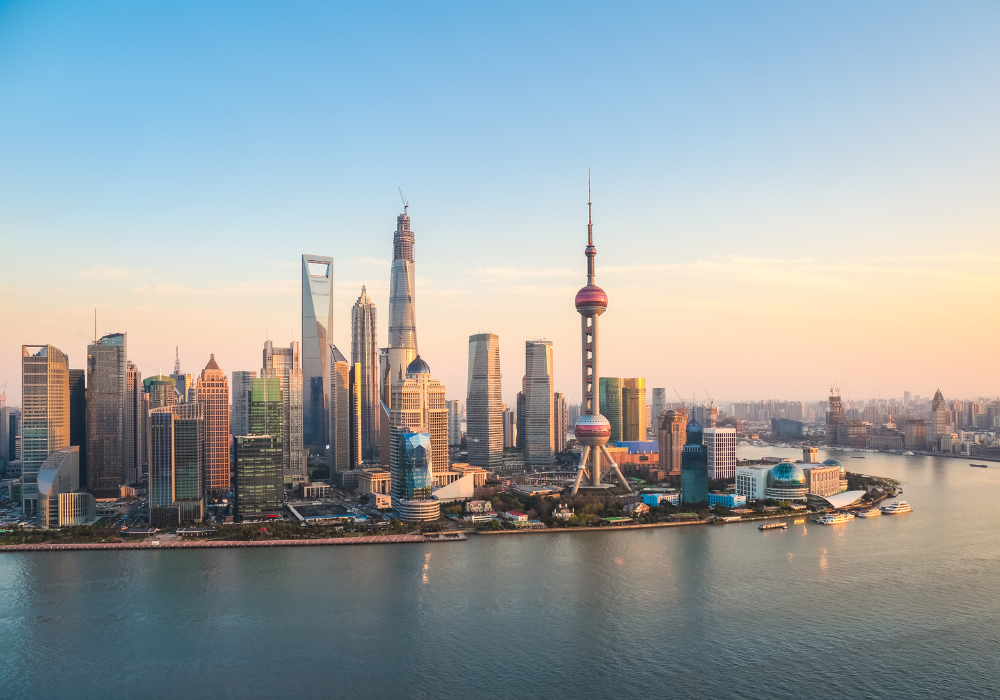
Shanghai, a global financial powerhouse, finds its development narrative entwined with the challenge of sea-level rise. The city’s rapid urban expansion and burgeoning population add pressure to its flood control infrastructure.
While towering skyscrapers line the skyline, their foundations face the quiet, persistent threat of encroaching water. Investments in massive drainage and barrier systems demonstrate the government’s commitment to its global role, but the scale of the issue calls for constant innovation.
7. Mumbai risks significant damage from coastal erosion and monsoon flooding.
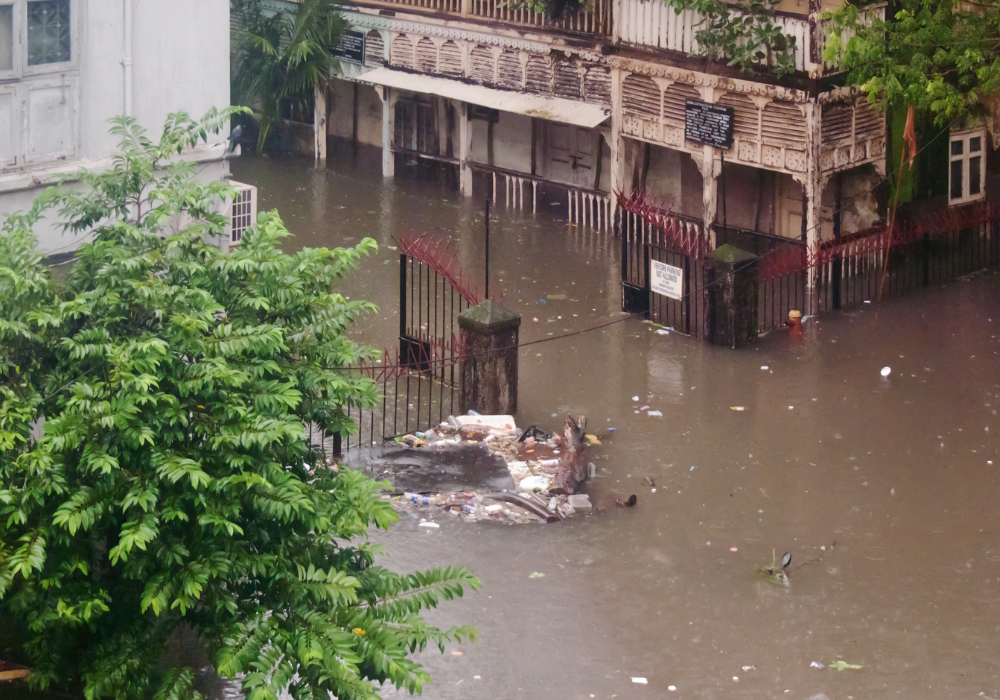
Mumbai, lapped by the Arabian Sea, grapples with the twin threats of coastal erosion and intense monsoon rains. The city’s famed Marine Drive regularly contends with wild waves lashing the seawall, reshaping its iconic coastline.
Vast informal settlements hug the water’s edge, amplifying vulnerability during flooding events. While efforts to improve drainage networks continue, Mumbai’s dynamic nature and diverse population pose ongoing challenges to crafting effective, equitable resilience strategies.
8. London must adapt to flood risks along the Thames River and its estuary.
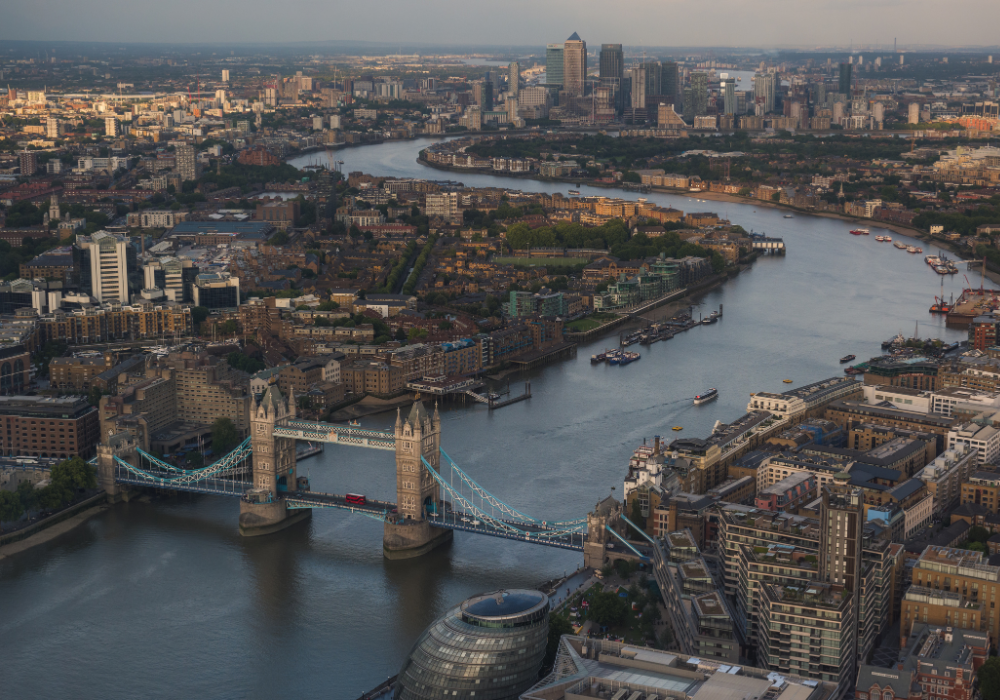
London, intersected by the Thames, must continuously refine its flood defenses to address evolving threats. With a history of tidal surges, the city has developed sophisticated protections, including the renowned Thames Barrier.
Alongside this engineering marvel, changing sea levels and urban expansion put pressure on existing defense systems. As the metropolis grows, maintaining sophisticated, adaptive flood management becomes vital to protect its people and heritage.
9. New Orleans remains exposed to hurricanes and persistent gulf water encroachment.
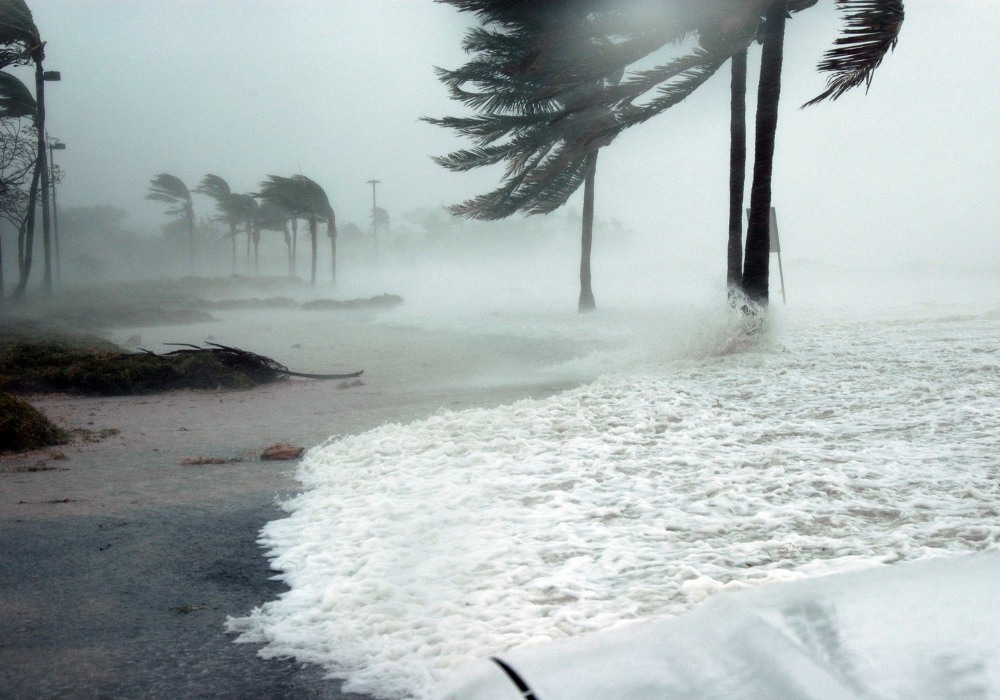
New Orleans sits precariously between the Mississippi River and the Gulf of Mexico, with hurricanes and seawater encroachment as constant companions. The city’s storied past with hurricanes leaves a lingering legacy in the form of robust levee systems.
Yet, rising gulf waters and unpredictable weather patterns test these defenses continuously. While resilience is a cultural touchstone in New Orleans, the balance between celebration and survival remains delicate as climate shifts intensify.
10. Lagos contends with rising tides and insufficient drainage infrastructure.
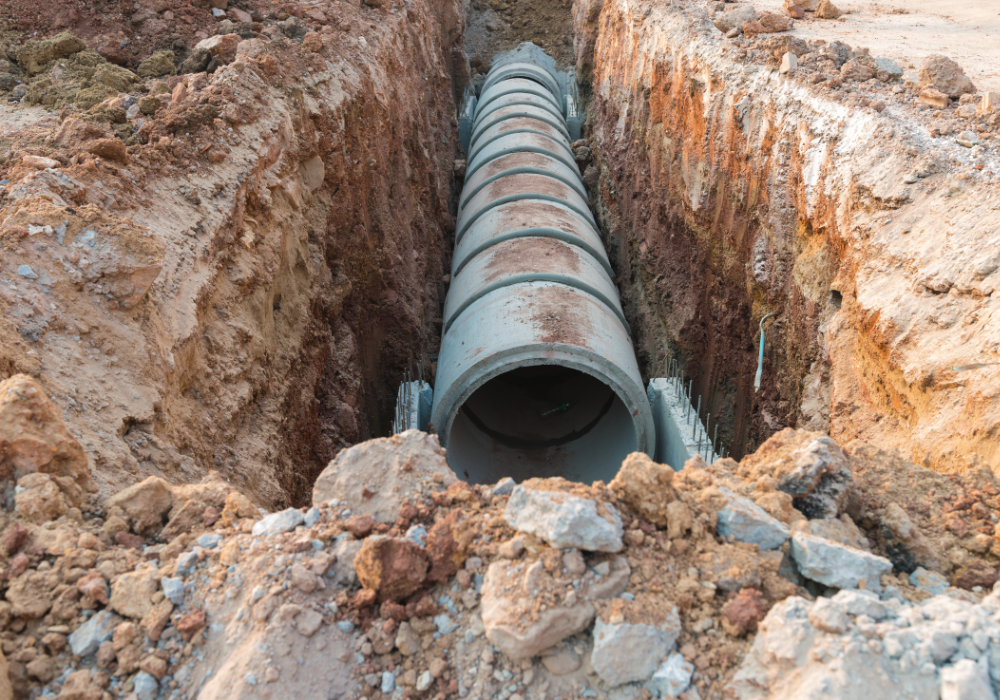
Lagos, Africa’s bustling megacity, encounters the challenges of rising ocean tides with limited drainage systems. Heavy rains transform streets into temporary rivers, affecting daily life and commerce.
While technological advancements and urban planning discussions aim to address these issues, rapid urban growth often outpaces infrastructure improvements. The pressing need for comprehensive drainage and protective measures highlights the complexity of managing growth in a vulnerable environment.
11. Alexandria faces continuous encroachment from the Mediterranean and saltwater intrusion.
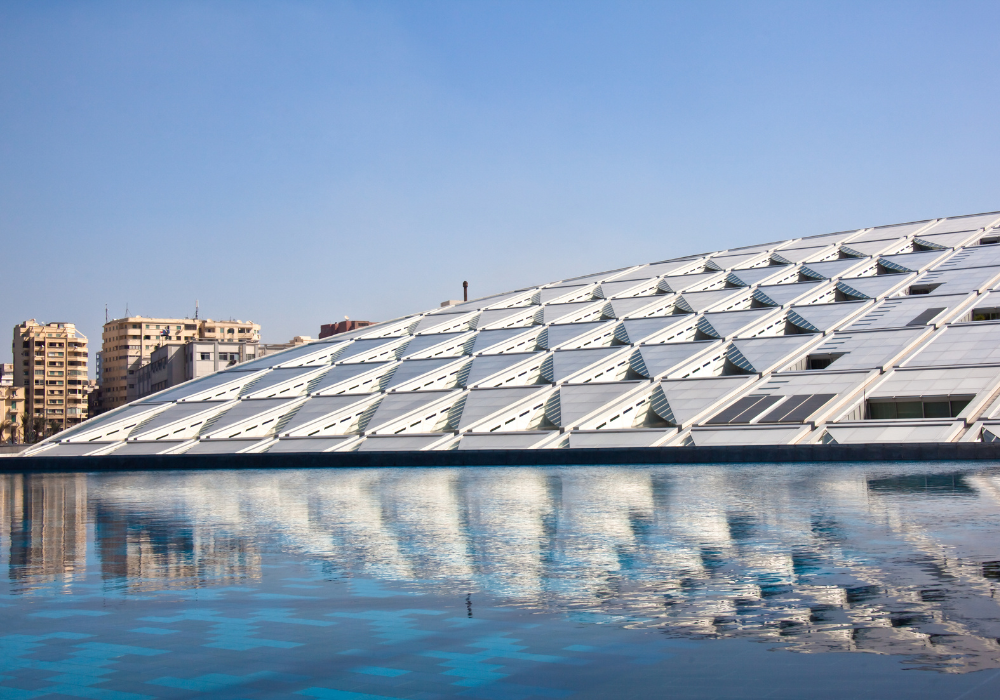
Alexandria, with its mix of ancient history and modern vibrancy, fights against the gradual advance of the Mediterranean. Saltwater intrusion threatens not just infrastructure but agricultural lands, altering local livelihoods.
Efforts like seawall reinforcement and improved drainage seek to stave off these pressures, yet challenges persist. As ecosystems balance on a fragile edge, long-term strategies and global awareness play crucial roles in ensuring Alexandria’s future survival.