
From ecosystems to human evolution, everything we know today would likely be unrecognizable.
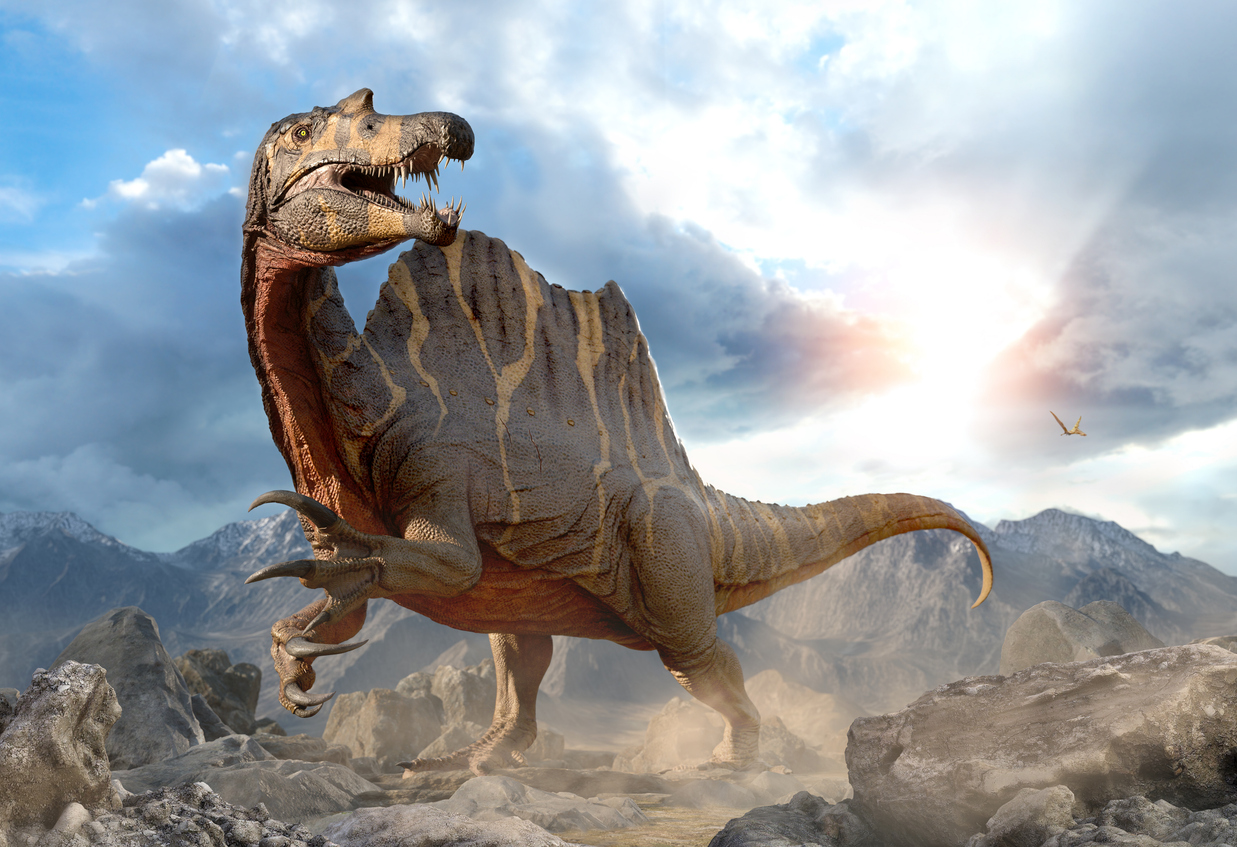
If dinosaurs had never gone extinct, their continued presence would have reshaped the planet in profound and lasting ways. Massive prehistoric animals would influence ecosystems on a global scale, altering habitats, food chains, and the balance of species that evolved alongside them.
Human development would unfold very differently, with settlements, agriculture, and infrastructure forced to adapt to coexist with creatures that once dominated the Earth.
Even everyday life would be shaped by the need to share space with such powerful animals, changing how landscapes are used and how societies evolve over time.
1. Giant reptiles would dominate landscapes and influence human settlement patterns.
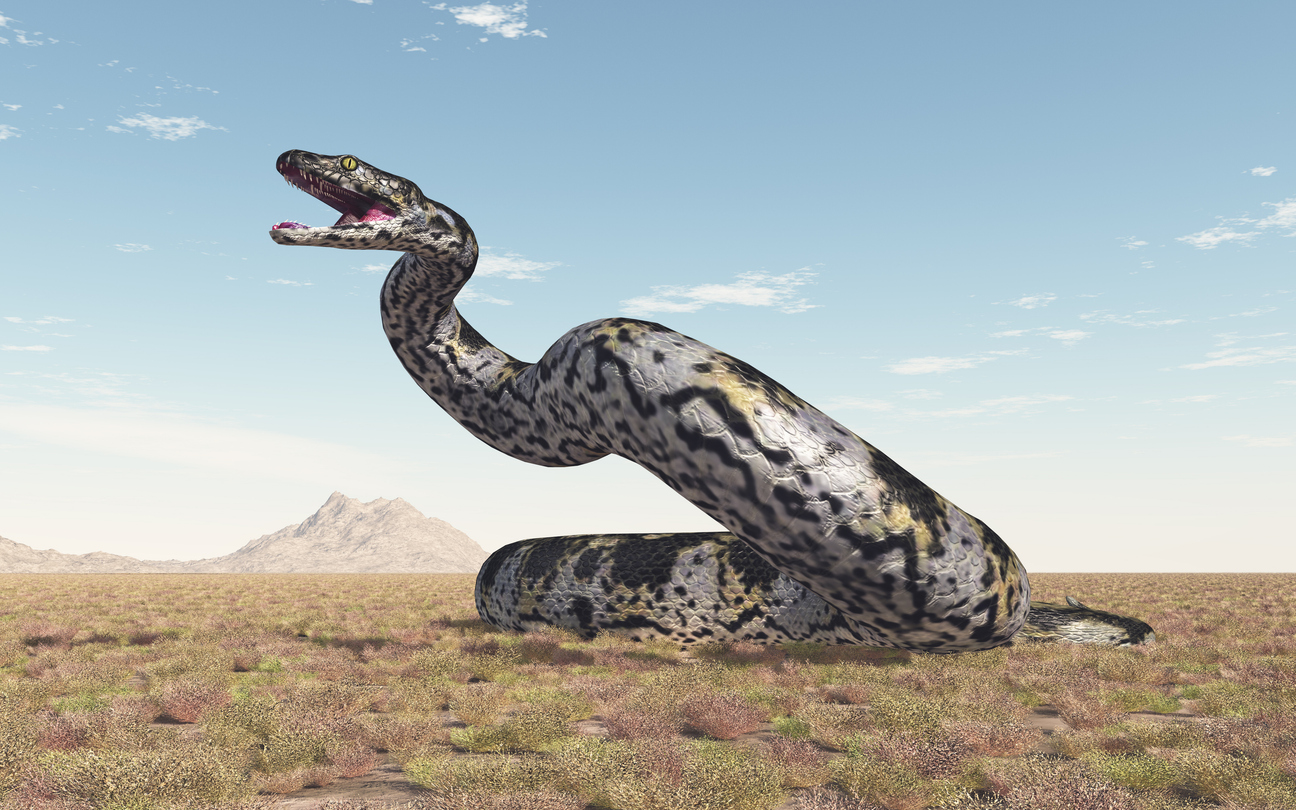
Giant reptiles would profoundly alter the geography where humans could comfortably live, as their enormous bodies would require vast, open landscapes. In areas where their presence was strong, human settlements might cluster defensively, favoring natural barriers like mountains or dense forests for added protection.
Adaptations to the movement and habits of these large creatures would be essential, significantly influencing architecture and urban planning. Enormous creatures trampling such spaces could lead to rugged, dinosaur-specific deterrents, enhancing structural resilience against unwanted incursions in human communities.
2. Ecosystems would be structured around large predator and herbivore interactions.
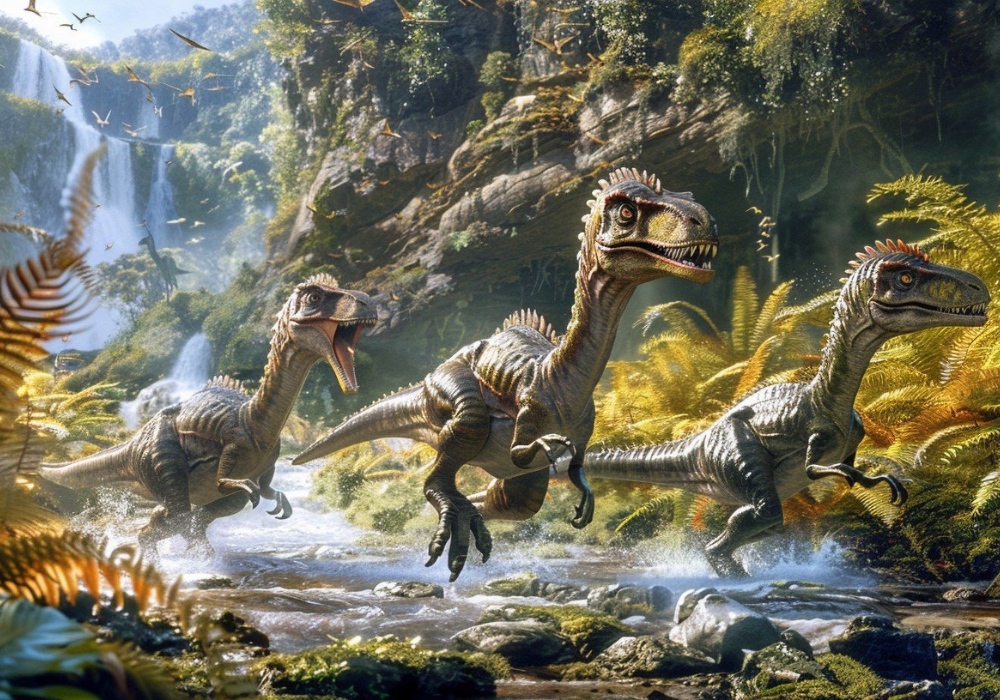
Ecosystems today reflect complex interactions of numerous species. With dinosaurs present, these webs would pivot dramatically around large predators or herds, as their habits and needs dictated the availability of resources. Smaller species might congregate in areas that the dinosaurs avoided or overlooked.
Consider a forest once teeming with various animals, now adjusting to the trampling and grazing habits of these giants. The balance would tip toward creatures that could either evade such giants easily or adapt to the changed landscapes. Predator-prey dynamics might shift, leading to unusual long-term evolutionary paths.
3. Modern wildlife diversity could be vastly reduced or altered significantly.
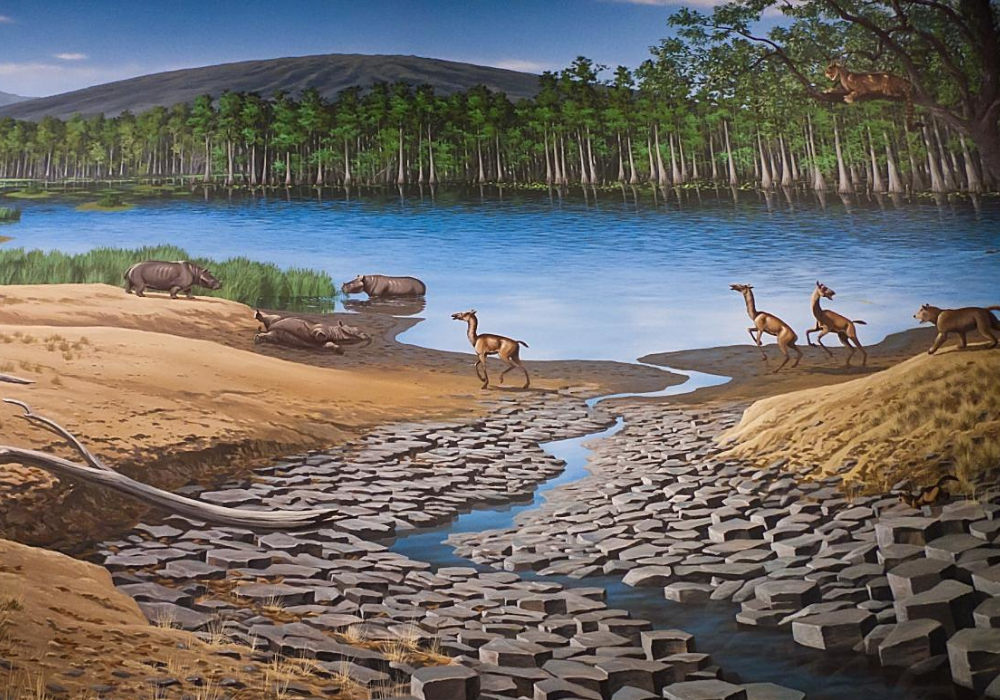
Wildlife diversity as we know it could undergo major changes if dinosaurs cohabited our world, given their likely dominance over various habitats. Native species might face increased competition for resources, forcing some into extinction or pushing others to novel adaptive strategies.
Habitats forged over millennia for modern animals would need to be redefined, perhaps resembling more of a prehistoric past. The introduction of massive creatures might lead modern fauna to evolve unique, unfamiliar traits or behaviors to navigate the looming presence of such ancient giants.
4. Agricultural practices would require major adaptations for coexistence with dinosaurs.

Agricultural fields tilled by human hands would face threats if dinosaurs roamed nearby, for their size and appetites would demand plentiful food sources. Agriculture might pivot to specialize in crops resistant to dinosaur foraging, or to those impervious to being trodden by massive feet.
Imagine a farm enmeshed within a warren of protective barriers, attempting to keep crops safe from wandering herbivores. Farmers could rely on innovative crop rotations and novel protection strategies to safeguard yields from hungry dinosaur herds that inadvertently wander into cultivated areas.
5. Urban development would face unique challenges to ensure human safety.

Constructing cities with dinosaurs around would mean rethinking safety protocols, as human life would contort to avoid these grand creatures. Urban designers might opt for high-rise buildings or densely fortified low-rise structures to escape inadvertent dinosaur proximity.
Living beside prehistoric titans might mean putting stock in advanced alert systems and smart urban landscapes that seamlessly guide these creatures away. City streets could become labyrinthine with sections designed to deter or redirect large, wandering reptiles safely away from human activity.
6. Transportation infrastructure would need to account for massive animal movements.

The infrastructure that supports modern transport would have to integrate thorough measures to coexist with such colossal animals. Elevated tracks or robust subterranean tunnels might act as necessary modifications for seamless travel in the presence of large reptilian bodies traversing landscapes.
Imagine roadways flanked by strategic barriers or dynamic rerouted pathways to navigate around where these prehistoric wanderers roam. Trucks or trains might bear reinforced designs, the better to withstand accidental encounters should a sleepy dinosaur drift across known routes.
7. Popular culture and entertainment would center more heavily on these creatures.

In a world where dinosaurs exist, popular culture might celebrate these ancient beings with fervor. Film, literature, and visual arts could revive immense creative landscapes, weaving heroic tales or crafting the thrilling pursuit of discovering lost, isolated dinosaur patches.
Imagine a thriller unfolding around dino-safaris, while movies mesmerize viewers with sweeping sagas of human-dinosaur alliances. Iconography might reflect these majestic creatures, renewing interest in extinct life and feeding imaginations with potential what-ifs and adventurous possibilities.
8. Scientific research would focus extensively on dinosaur behavior and biology.

Scientific curiosity would surely flare toward understanding living dinosaurs’ psychological and physical characteristics. Fossils would gain new context as researchers pour resources into observing real-time behavior patterns, social interactions, and survival strategies.
Comprehending dinosaur biology could reveal new insights into evolutionary processes, refined in the light of present observations. Scholars might find unexpected links between dinosaur habits and the ecological balancing acts these giants compel regional environments toward, vaulting dinosaur research into scientific prominence.
9. Environmental policies might prioritize conservation of prehistoric species habitats.

Conservation of viable habitats for these remarkable creatures could take precedence, enshrining laws aimed at balancing ancient ecosystems with modern land use. Protected reserves might span vast territories, preserving both dinosaur populations and linked natural communities.
Envision resource allocation debates around whether to foster dinosaur-friendly zones or focus conservation efforts elsewhere. Policies could pivot, aiming to sustain both prehistoric species’ habitats and safeguard neighboring human developments from unintended consequences of close proximity to these enormous creatures.
10. Outdoor recreation and tourism would incorporate dinosaur viewing experiences.
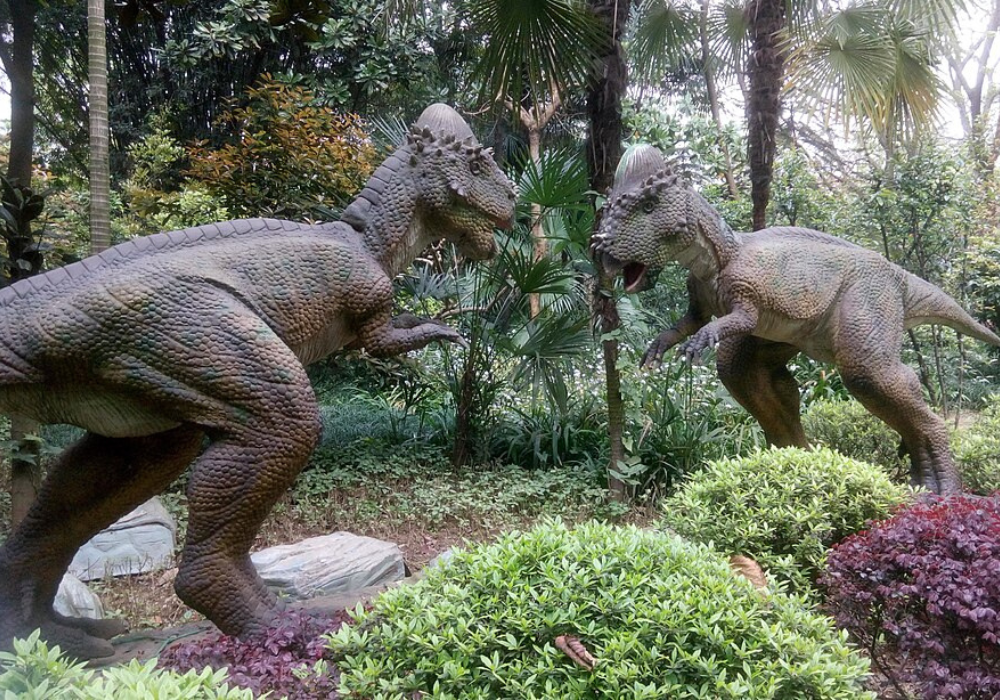
Tourism might flourish with dinosaur viewing safaris offering glimpses into coexisting with these ancient beasts. Adventure seekers might explore vast safari parks, while thrill-seekers might cautiously journey into wild terrains where these reptilian titans dominate environments.
Imagine a relaxed camp where dinosaurs graze distantly as tourists observe from elevated walkways. This burgeoning sector could solidify a niche focused on blending education with entertainment, forging human-dinosaur experiences that are as safe as they are thrilling.
11. Human evolution and daily life would be shaped by constant interaction with dinosaurs.
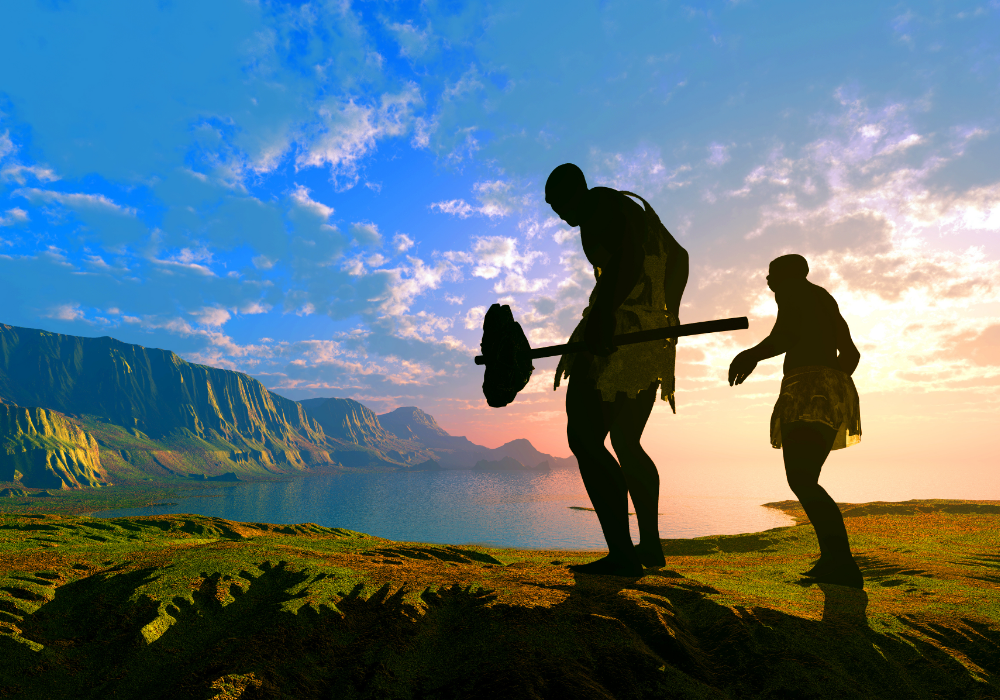
Subtracting dinosaurs from their extinction narrative would rewrite human evolution, compelling people to develop alongside these dominant creatures. It might drive humans to innovate gadgets or develop strategies that ensure both coexistence and survival.
Occupation patterns might shift, with dinosaurs indirectly shaping where humans settle or how they adapt daily life around them. Evolutionary drivers could differ significantly, prompting physiological or cultural adaptations that biological forces would necessitate in the presence of such primordial giants.