
Scientists and survival experts have identified the regions most likely to endure global catastrophe.
If global civilization were to collapse—whether from nuclear conflict, climate breakdown, or economic chain failure—some places would likely fare far better than others. Researchers at the University of Otago in New Zealand and the Global Sustainability Institute in the UK have analyzed which regions have the best chances of long-term survival. Their criteria included food security, renewable energy, isolation, climate stability, and governance strength. While nowhere would be entirely safe, these twelve places are widely regarded by scientists as humanity’s most likely refuges if the world as we know it falls apart.
1. New Zealand Could Become the World’s Ultimate Survival Haven
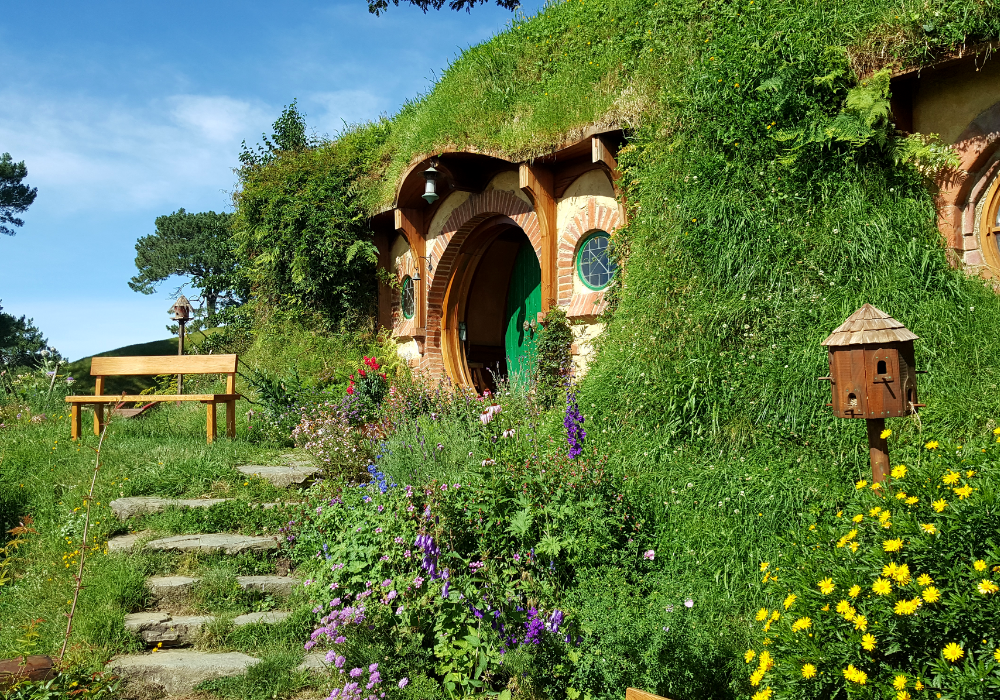
Experts consistently rank New Zealand as the best place on Earth to withstand a global collapse. Its remote Pacific location, mild climate, and vast farmland make it capable of sustaining its population without global trade.
The country’s renewable energy grid, built on hydro and geothermal power, ensures near-total self-sufficiency. Combined with political stability, low population density, and social cohesion, New Zealand’s resilience profile is unmatched in academic studies.
2. Iceland’s Geothermal Power Could Keep Civilization Running

Iceland’s abundant geothermal and hydroelectric resources make it nearly immune to global energy shortages. Even during worldwide disruption, its infrastructure could function independently of fossil fuel imports.
The island’s isolation, small population, and efficient governance system offer high resilience to external shocks. Although limited in farmland, Iceland’s advanced greenhouse agriculture and fisheries could sustain its citizens for extended periods.
3. Tasmania Could Be Australia’s Lifeboat in a Global Crisis
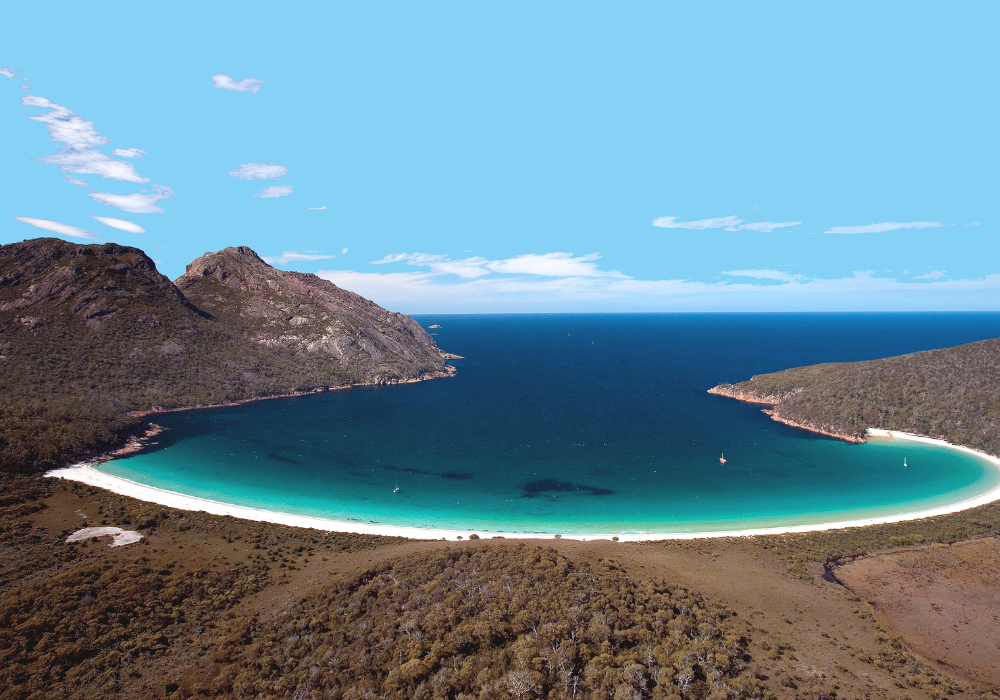
Separated from mainland Australia by the Bass Strait, Tasmania offers fertile soils, steady rainfall, and relative isolation from geopolitical instability. The island already produces more food and hydropower than it consumes.
Researchers note that its temperate climate and low population density make it an ideal long-term refuge. If global systems collapse, Tasmania’s self-sufficiency could make it one of the last functioning regions in the Southern Hemisphere.
4. Ireland’s Climate and Agriculture Could Support a Self-Sustaining Future

Ireland’s mild, wet climate and fertile soils give it strong agricultural resilience even under stress. The country produces more dairy and meat than it consumes, offering a critical buffer against global food supply shocks.
Its rapidly expanding wind energy sector provides additional security. Though geographically close to Europe, Ireland’s island location gives it a degree of separation from continental political or economic turmoil.
5. The United Kingdom Still Holds Strategic Survival Advantages

Despite its dense population, the UK’s moderate climate, strong governance, and advanced infrastructure place it among the world’s more resilient nations. It has the resources to maintain energy, agriculture, and security systems in a crisis.
The country’s growing renewable capacity—particularly offshore wind—could offset dependence on fossil fuels. Experts note that effective planning and food system reform would be vital for long-term self-reliance.
6. Japan’s Island Geography Could Help It Endure Isolation
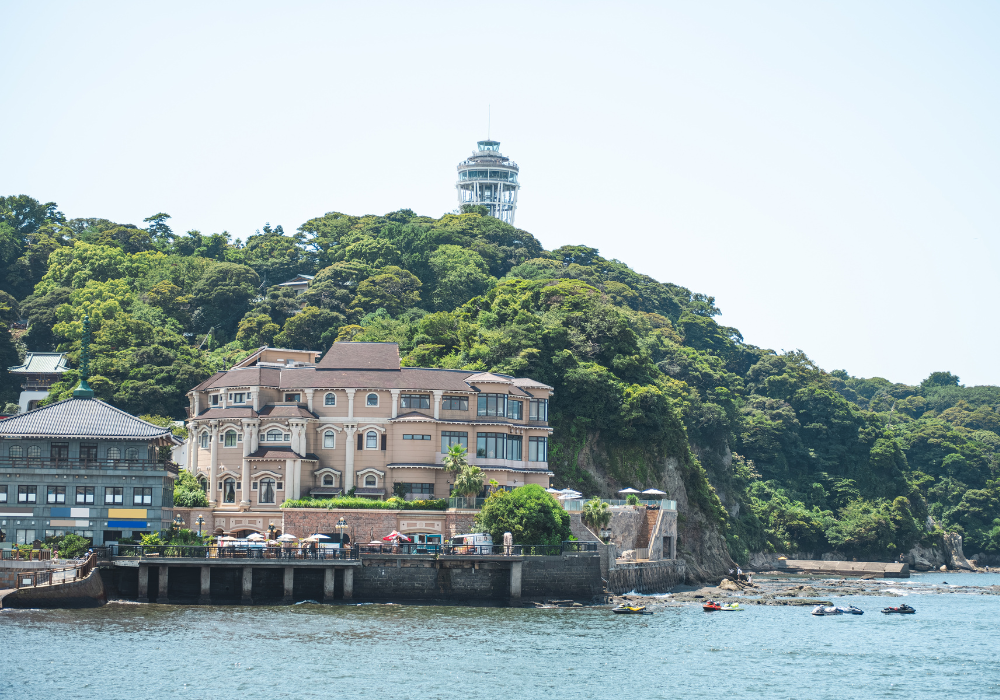
Japan’s advanced technology and disciplined disaster-preparedness culture make it one of the world’s most resilient societies. Surrounded by ocean, it could isolate effectively if global trade networks collapse.
However, Japan’s dependence on food imports remains a vulnerability. Researchers note that its capacity for innovation—especially in renewable energy, desalination, and urban agriculture—could offset many of these risks over time.
7. Norway’s Natural Resources Could Keep It Thriving After Collapse

Norway’s vast freshwater, fisheries, and renewable energy resources give it a major advantage in any global breakdown. Nearly all of its electricity already comes from hydropower.
The country’s small population and social stability further enhance its resilience. Cold conditions could make farming harder, but advanced greenhouse systems and abundant seafood would ensure long-term food security.
8. Canada’s Vast Wilderness Could Shelter a Self-Reliant Population
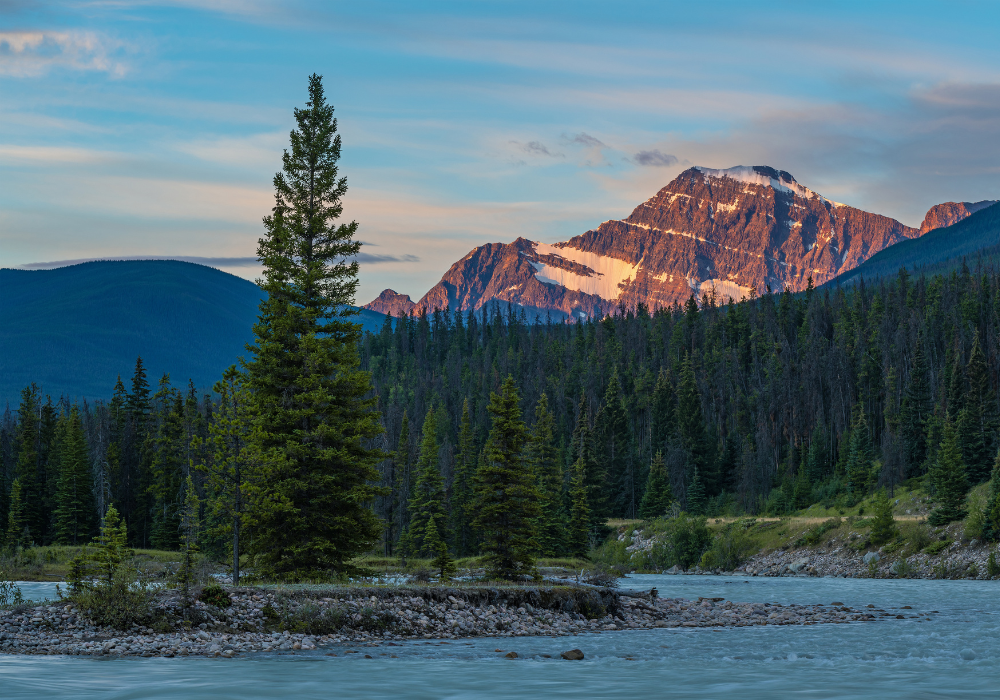
Canada’s enormous landmass, abundant freshwater, and stable governance make it one of the safest major nations in a global emergency. Remote regions could sustain small, decentralized populations independent of global systems.
Its boreal forests and fertile southern regions offer strong food production potential, though harsh winters present challenges. Experts suggest that Canada’s energy independence and vast natural resources would make it a major post-collapse refuge.
9. Switzerland’s Neutrality and Mountains Could Ensure Survival
Switzerland’s combination of political neutrality, energy self-reliance, and secure geography make it uniquely resilient. Its extensive hydroelectric network and food reserves could sustain its population through global turmoil.
The mountainous terrain provides natural defense and isolation, while its governance and community preparedness culture ensure high adaptability. Though landlocked, Switzerland’s self-sufficiency in energy and stability make it a standout European refuge.
10. Chile’s Southern Regions Could Offer Refuge From Global Upheaval
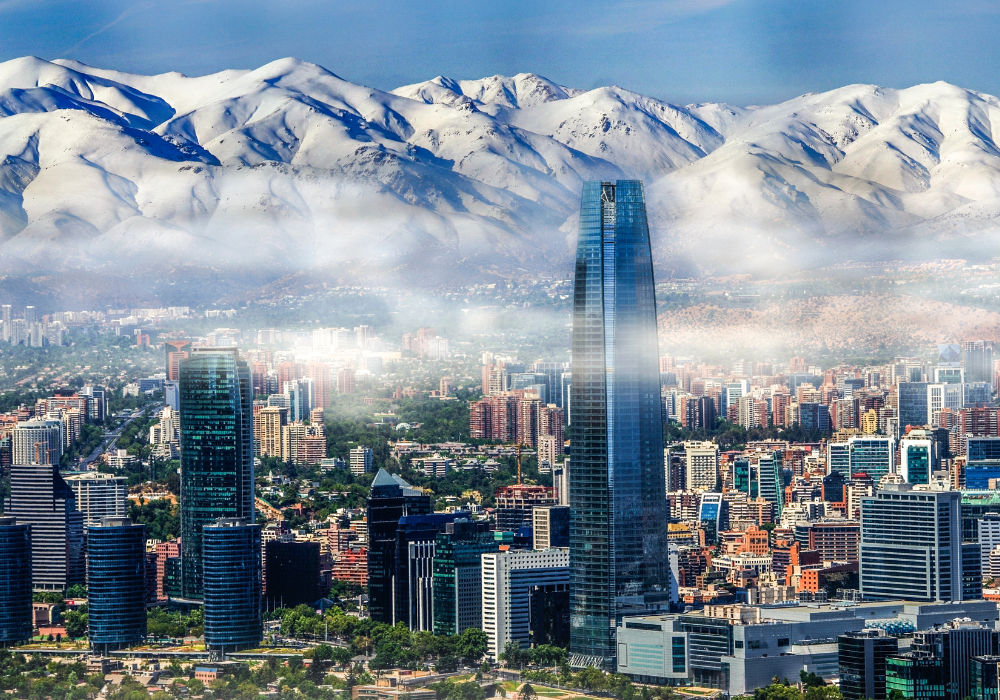
Chile’s southern territory—spanning Patagonia and the Andes—features fertile valleys, freshwater, and a cool climate largely shielded from tropical instability. These regions could sustain agriculture even during global temperature shifts.
Chile also produces abundant renewable energy through hydropower and wind. Its isolation along the Pacific coast and low population density make it one of South America’s most viable long-term safe zones.
11. Finland’s Forests and Self-Sufficiency Could Sustain Its People
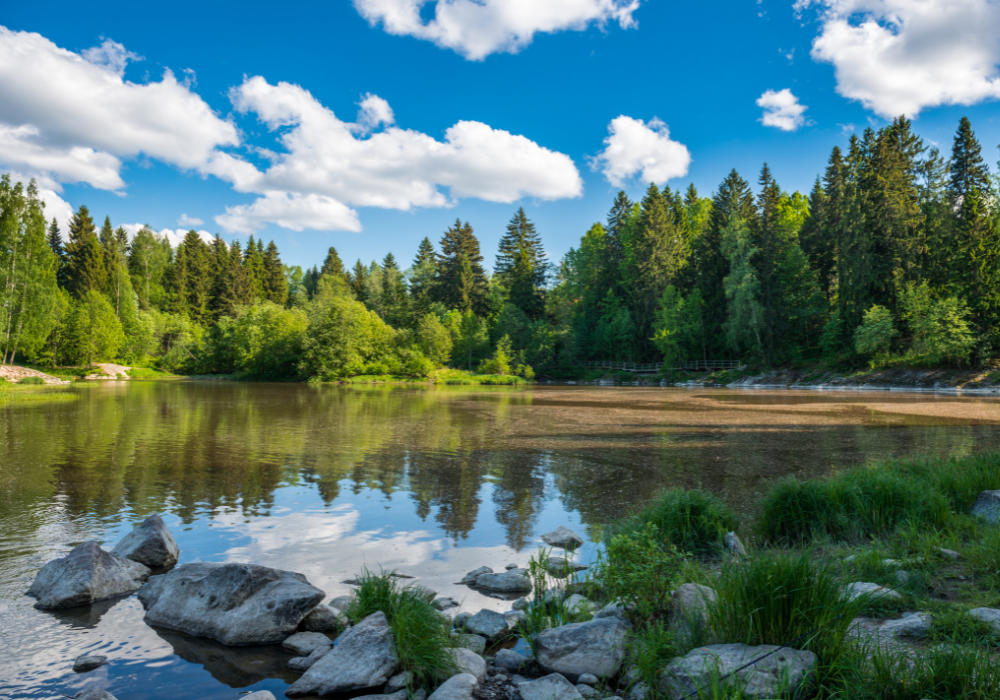
Finland’s vast forests, freshwater lakes, and resilient agricultural base make it one of Europe’s most self-sufficient nations. It has one of the highest renewable energy shares in the developed world.
The country also emphasizes education and social trust—key factors in societal resilience. While cold winters pose food-production challenges, Finland’s resource management and technological adaptability make it capable of enduring long-term disruption.
12. Bhutan’s Isolation and Sustainability Culture Make It a Hidden Haven
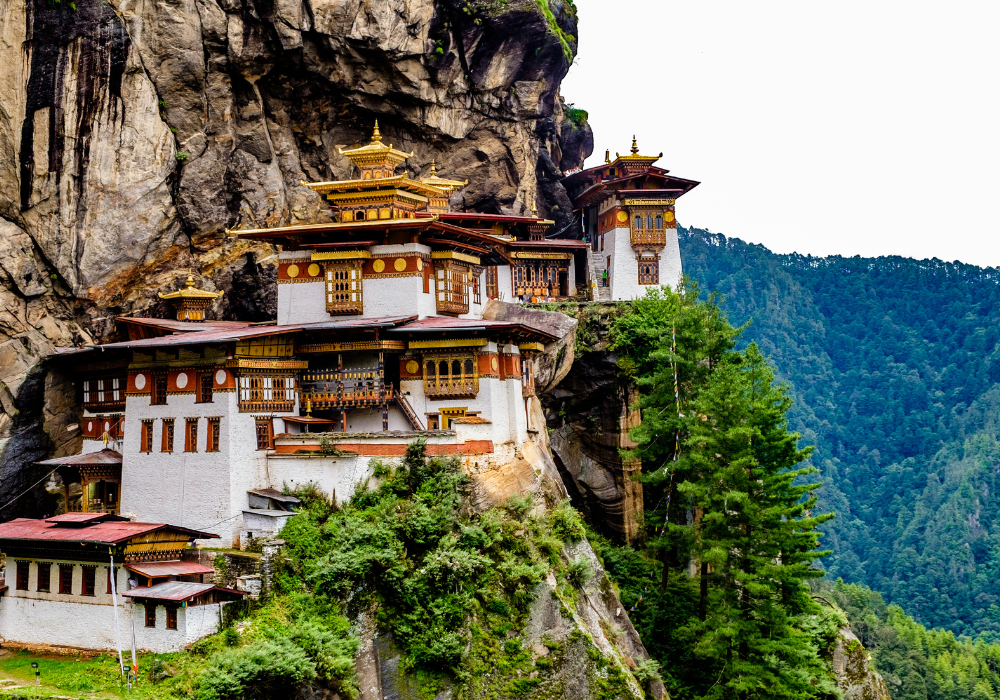
Nestled in the Himalayas, Bhutan remains one of the world’s most isolated and environmentally sustainable nations. Its population relies heavily on local agriculture, hydropower, and community-based living.
Bhutan’s “Gross National Happiness” philosophy aligns with resilience principles—low consumption, renewable energy, and environmental stewardship. Its geography and self-sufficient culture could help it remain stable even amid widespread global collapse.