
Acting quickly can make the difference between a close call and a sudden loss.

Large birds of prey rarely see pets as targets, but when they do, it can happen fast. Hawks and eagles are powerful, opportunistic hunters that can mistake small dogs, cats, or backyard animals for prey, especially in open yards.
These encounters are uncommon, yet reports tend to cluster in certain seasons and locations. When they happen, homeowners are often caught off guard, unsure whether the threat is real or how serious it might be.
Knowing the warning signs and responding immediately can reduce risk. Small changes in how pets are supervised outdoors can help prevent a rare sighting from turning into a dangerous encounter.
1. Why birds of prey sometimes target pets

Hawks and eagles are visual hunters that rely on movement and size to identify prey. Small pets can resemble rabbits, squirrels, or other animals these birds normally hunt.
This is more likely in open yards, rural areas, or neighborhoods near fields and wooded spaces. Young pets, lightweight breeds, and animals left unattended are at greater risk, especially during seasons when natural prey is scarce.
2. Which pets are most vulnerable
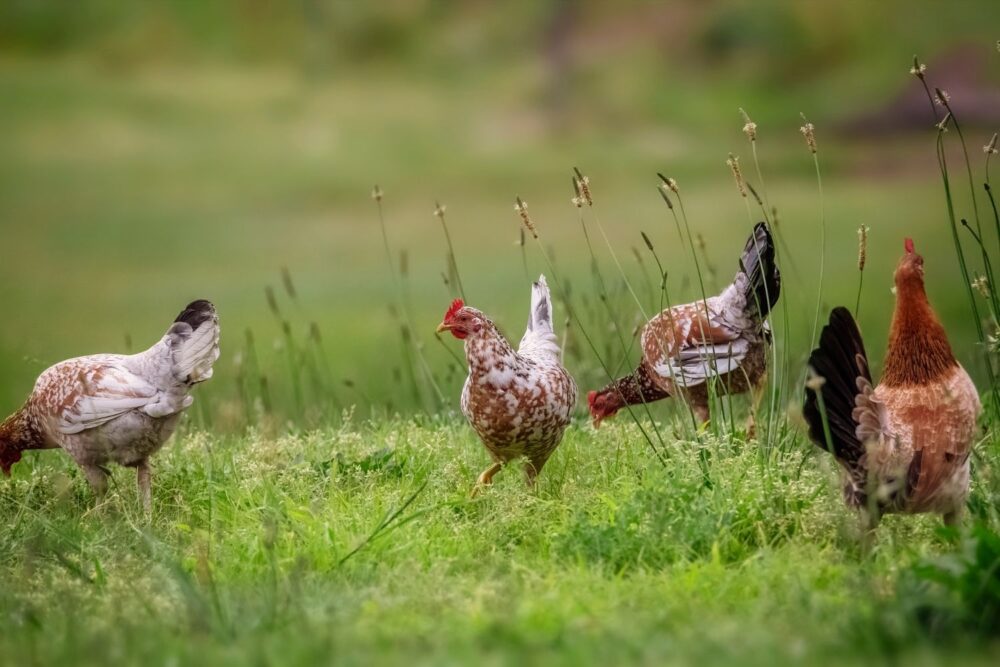
Cats, toy-sized dogs, puppies, and backyard animals like chickens are the most vulnerable. Birds of prey typically cannot carry heavy animals, but they can still injure pets with talons.
Even a failed grab attempt can cause puncture wounds or shock. Pets under about five pounds face the highest risk, particularly if they spend time outdoors without cover or supervision.
3. When these incidents are most likely to happen

Encounters are more common in late winter and early spring, when young raptors are learning to hunt and food competition increases. They also happen during nesting season, when adults are highly territorial.
Early morning and late afternoon are peak hunting times. Clear sightlines, open lawns, and elevated perches like trees or poles nearby can increase the chance of a bird scouting the area.
4. Warning signs homeowners often miss
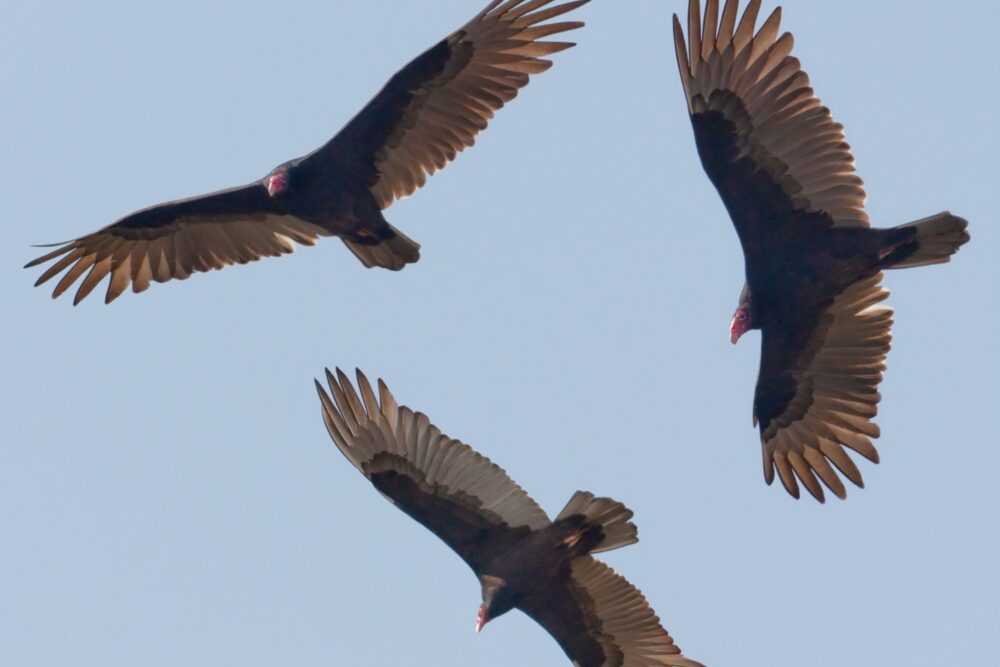
Repeated sightings of a hawk or eagle circling, perching nearby, or returning to the same area can signal interest. Birds that watch the ground closely or follow pets with their gaze are not just passing through.
Sudden dives, low flyovers, or agitated vocalizations are stronger warning signs. These behaviors suggest the bird is assessing the area and may attempt a strike if conditions allow.
5. Why acting immediately matters

Once a bird identifies a potential food source, it may return. Raptors are intelligent and remember productive hunting spots.
Delaying action gives the bird time to grow more confident. Quick changes to routines, supervision, and the environment can break that pattern and reduce the chance of a follow-up attempt.
6. What to do the moment you see a hawk or eagle targeting pets

The first step is to bring pets indoors right away . Do not try to chase or throw objects at the bird, since sudden movements can trigger defensive behavior or make the situation more unpredictable.
Next, remove anything that could attract wildlife. Put away pet food, secure trash, and move small animals into covered or enclosed spaces. Avoid leaving dogs or cats outside alone in open yards where they are easily visible from above.
If the bird continues to circle, perch nearby, or return repeatedly, contact local wildlife authorities. They can explain legal, humane deterrents and help assess whether the behavior poses an ongoing risk to pets.
7. How supervision changes risk dramatically
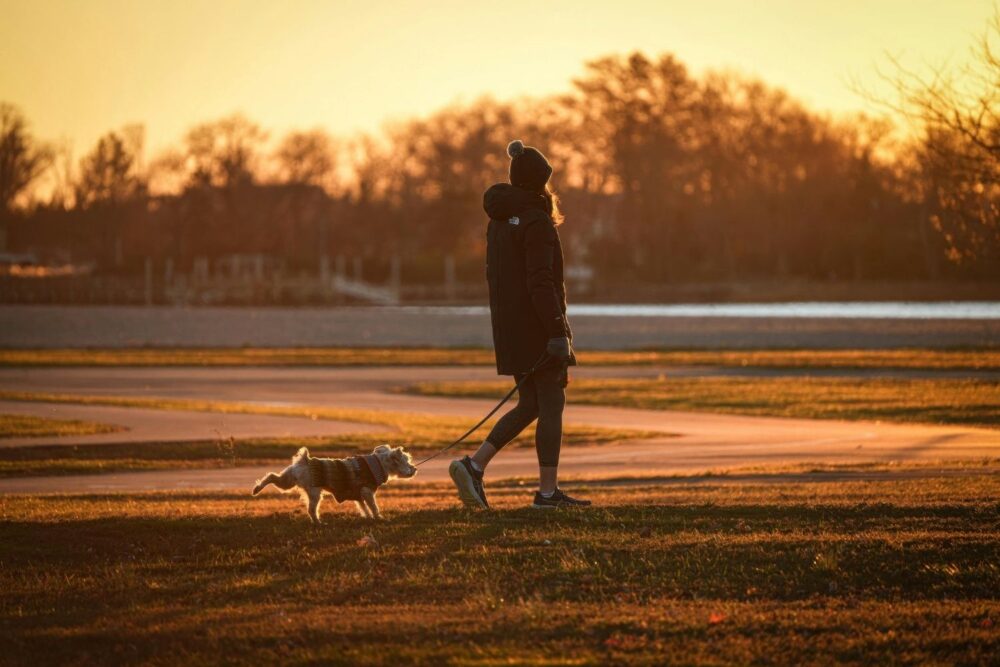
Direct supervision is one of the most effective deterrents. Birds of prey are far less likely to approach when humans are nearby.
Standing close to pets, keeping them leashed, or using enclosed runs reduces vulnerability. Even short periods of unsupervised time can be enough for a bird to make an assessment.
8. Yard changes that can help deter attacks

Providing overhead cover such as pergolas, netting, or dense shrubs can limit a bird’s ability to swoop. Visual barriers disrupt hunting lines and make yards less attractive.
Removing high perches near pet areas also helps. Birds prefer locations where they can observe prey from above before striking.
9. Why harming birds is not the answer
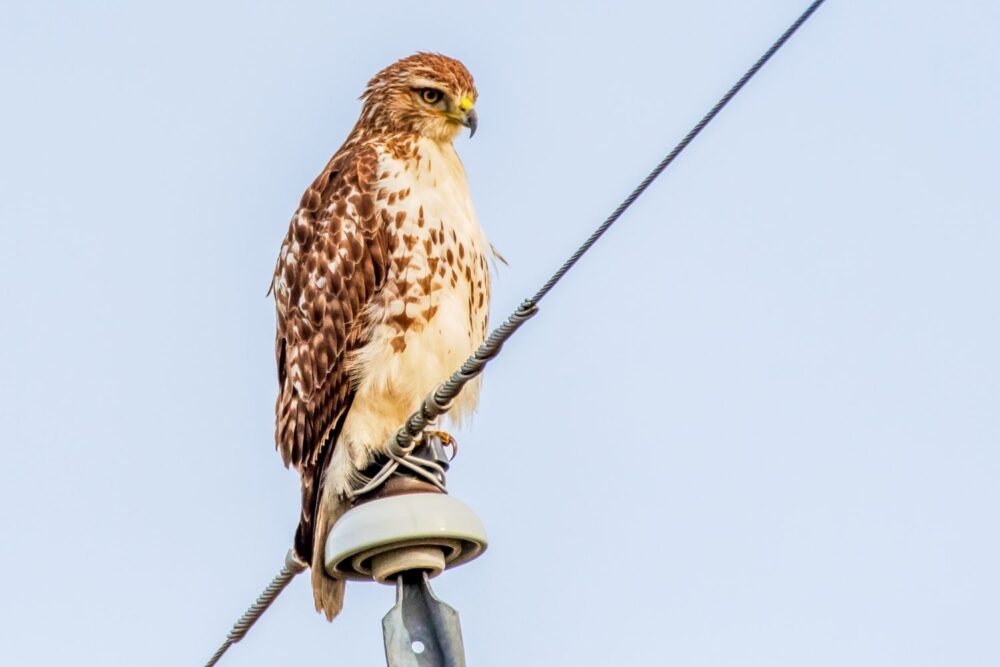
Hawks and eagles are protected under federal law, and harming them can carry serious penalties. More importantly, lethal actions are unnecessary and ineffective.
Deterrence and prevention work better. The goal is to make your yard unappealing for hunting, not to confront or injure wildlife.
10. When to involve wildlife professionals

If a bird repeatedly targets pets despite deterrents, wildlife officials can evaluate the situation. In some cases, they may recommend habitat adjustments or temporary measures tailored to the species involved.
This step is especially important if the bird shows aggressive or unusually persistent behavior.
11. How to balance safety and coexistence

Most homeowners will never face this situation. But understanding the risk allows for calm, informed responses rather than panic.
By supervising pets, modifying outdoor spaces, and acting quickly at the first warning signs, it’s possible to protect animals while respecting wildlife that is simply following instinct.